


Primary sourcePainting1533
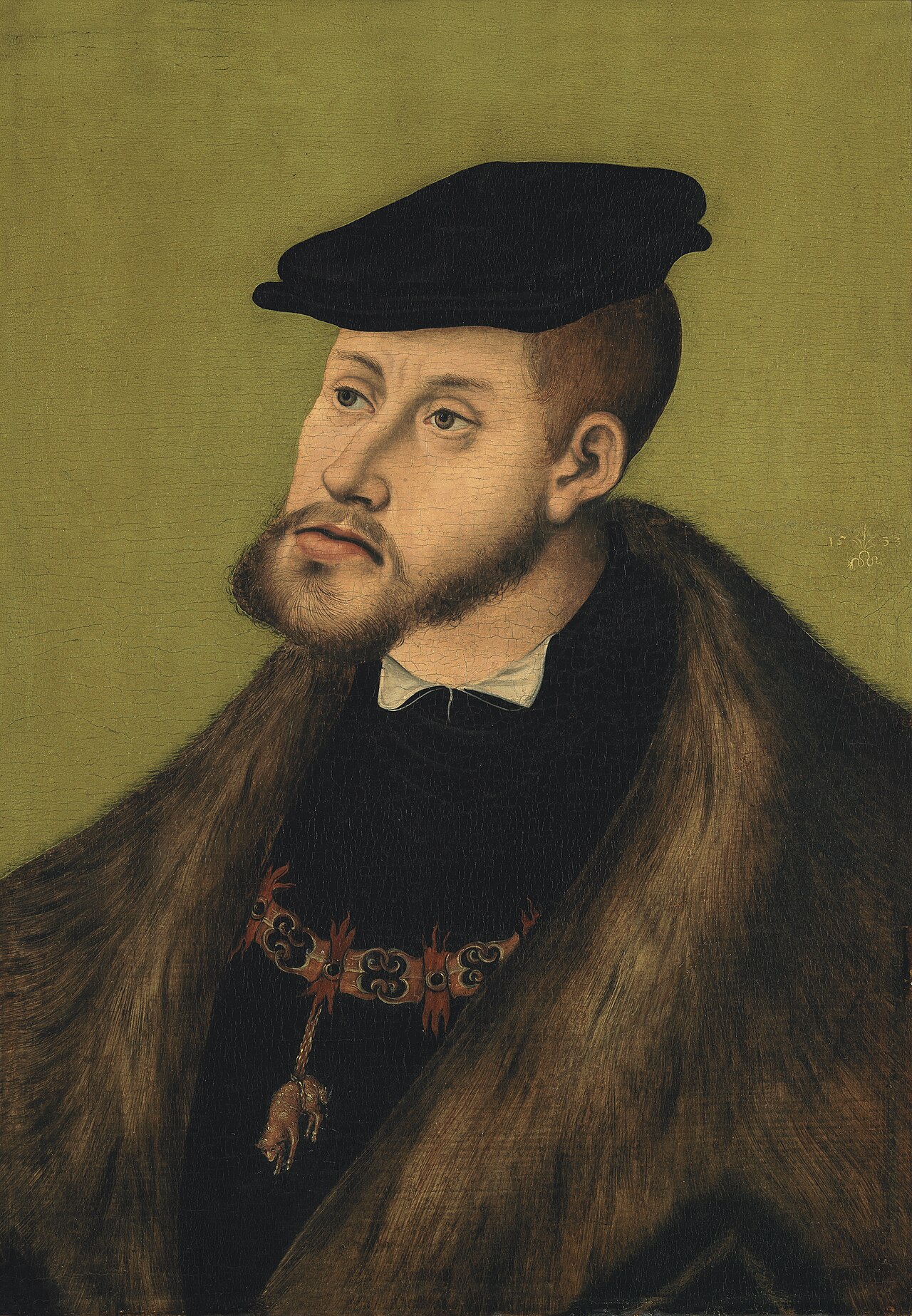
Portrait of the Emperor Charles V
Lucas Cranach the Elder · 1533
A 1533 portrait of Emperor Charles V attributed to Lucas Cranach the Elder, painter to the Lutheran Saxon court.
This portrait depicts Charles as emperor, showing how he was portrayed even in Protestant German lands.
About this source
What it is
This bust-length portrait of Charles V was painted in 1533, attributed to Lucas Cranach the Elder, court painter at Wittenberg. It is held at the Thyssen-Bornemisza Museum.
Why it matters
Cranach painted several portraits of Charles across his life, having first depicted him as a child. This image shows the emperor realistically, without idealizing his distinctive jaw and lip, and includes the emblem of the Golden Fleece as the only sign of his royal status. Because Cranach worked for the Lutheran Saxon court, the portrait reveals how Charles — the Catholic emperor who opposed the Reformation — was depicted even within Protestant Germany.
Look closer
- Why might the painter have chosen not to idealize Charles's features?
- What does the small Golden Fleece emblem tell you about how rulers signaled status subtly?
- Why might a Protestant court have wanted a realistic portrait of a Catholic emperor?
This painting is part of the curated material that grounds the AI version of Charles V, Holy Roman Emperor on Humy.ai — when students ask about related events, the AI can quote it and cite it.
More Charles V, Holy Roman Emperor sources
Browse all 94 →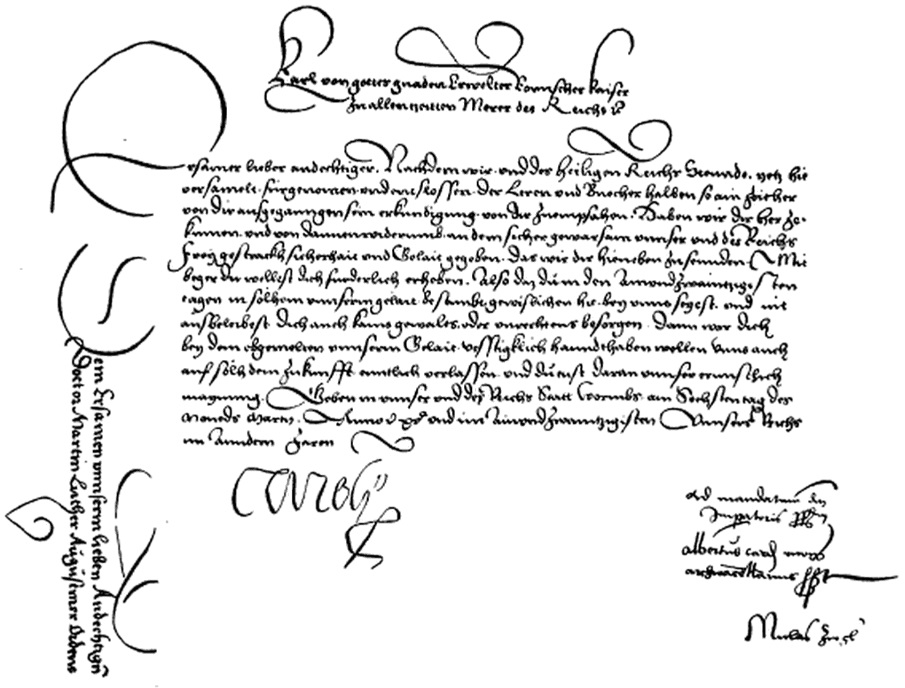 Document
Primary source
Summons for Luther to appear at the Diet of Worms
1521
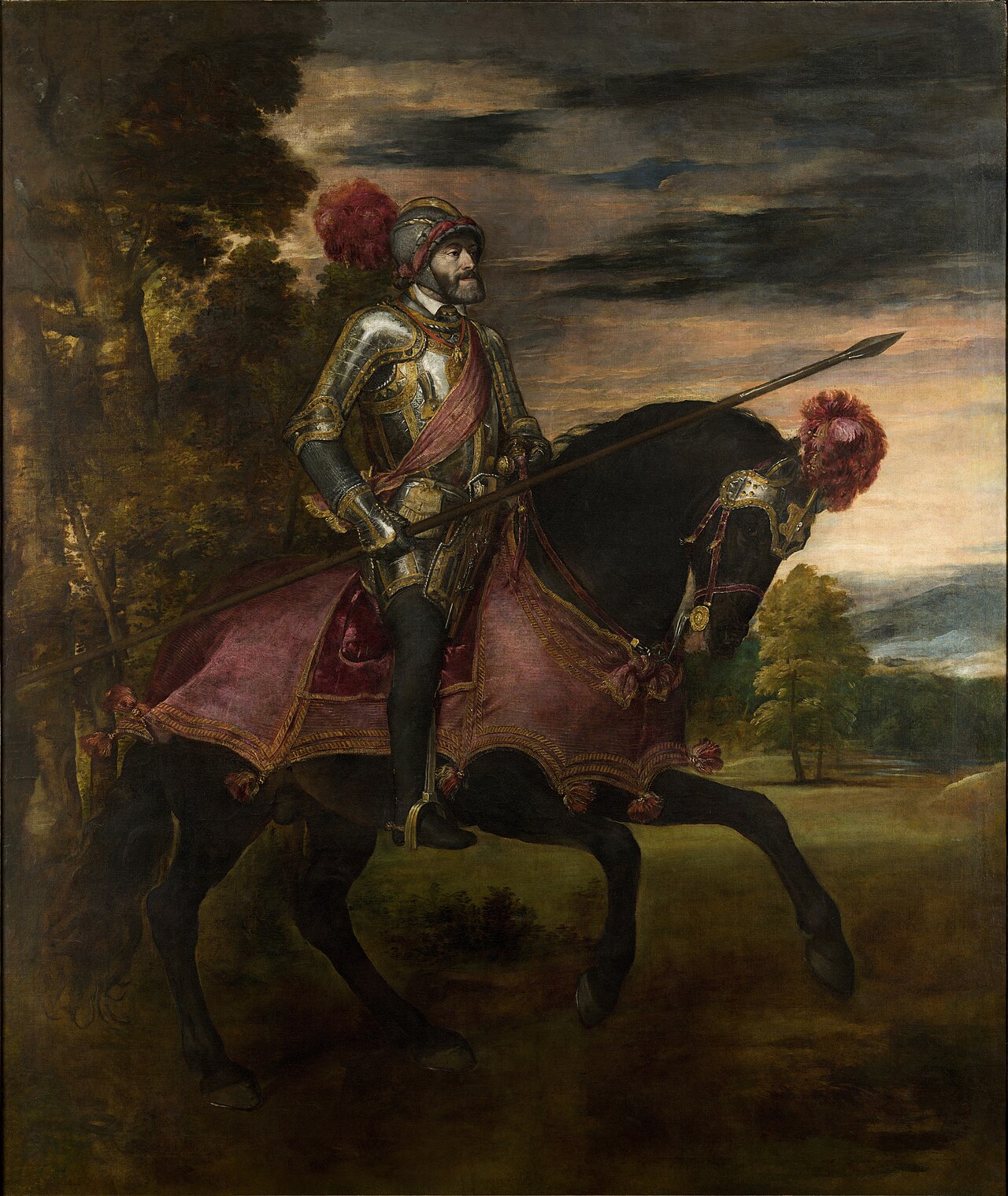 Painting
Primary source
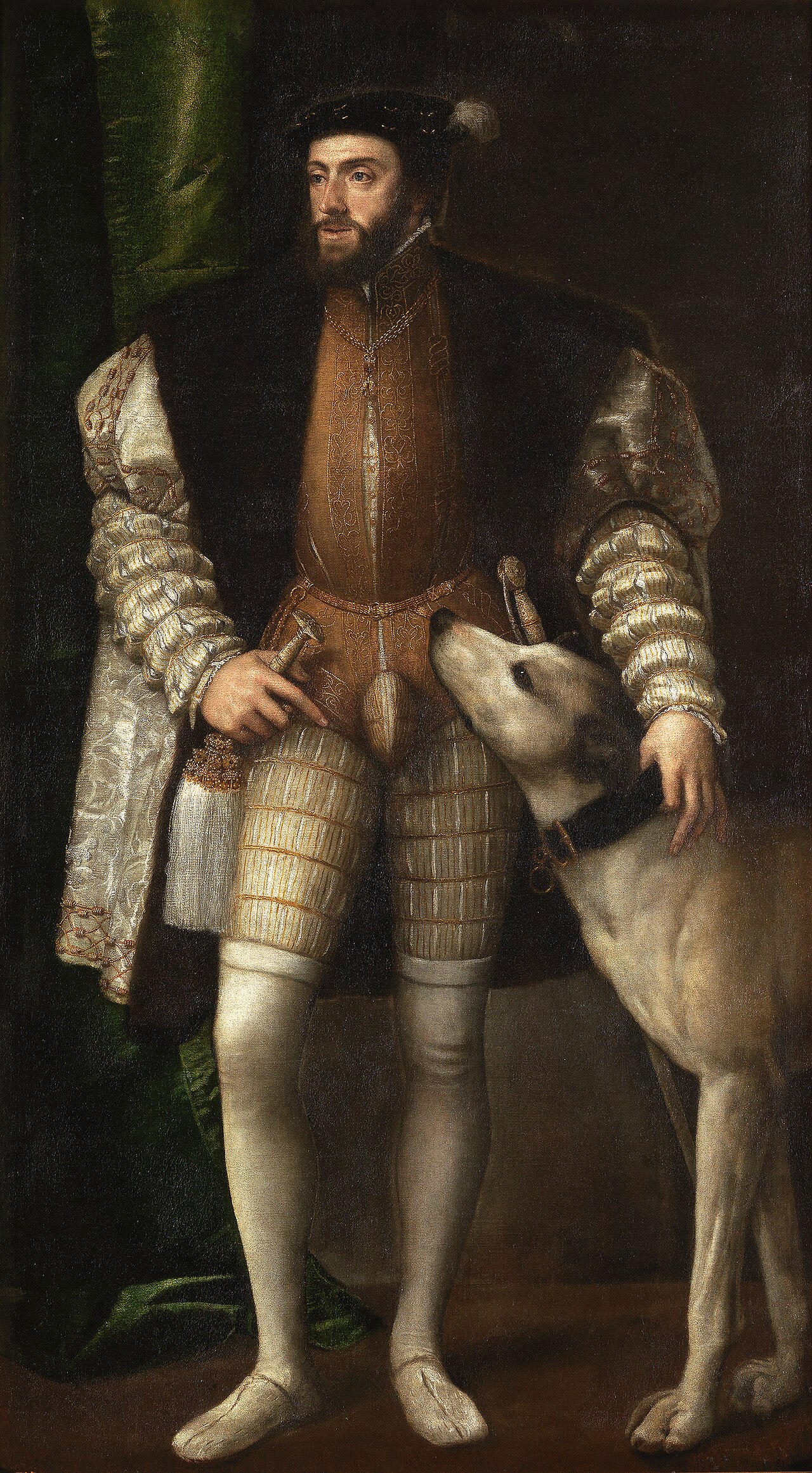
Equestrian Portrait of Charles V
Titian · 1548
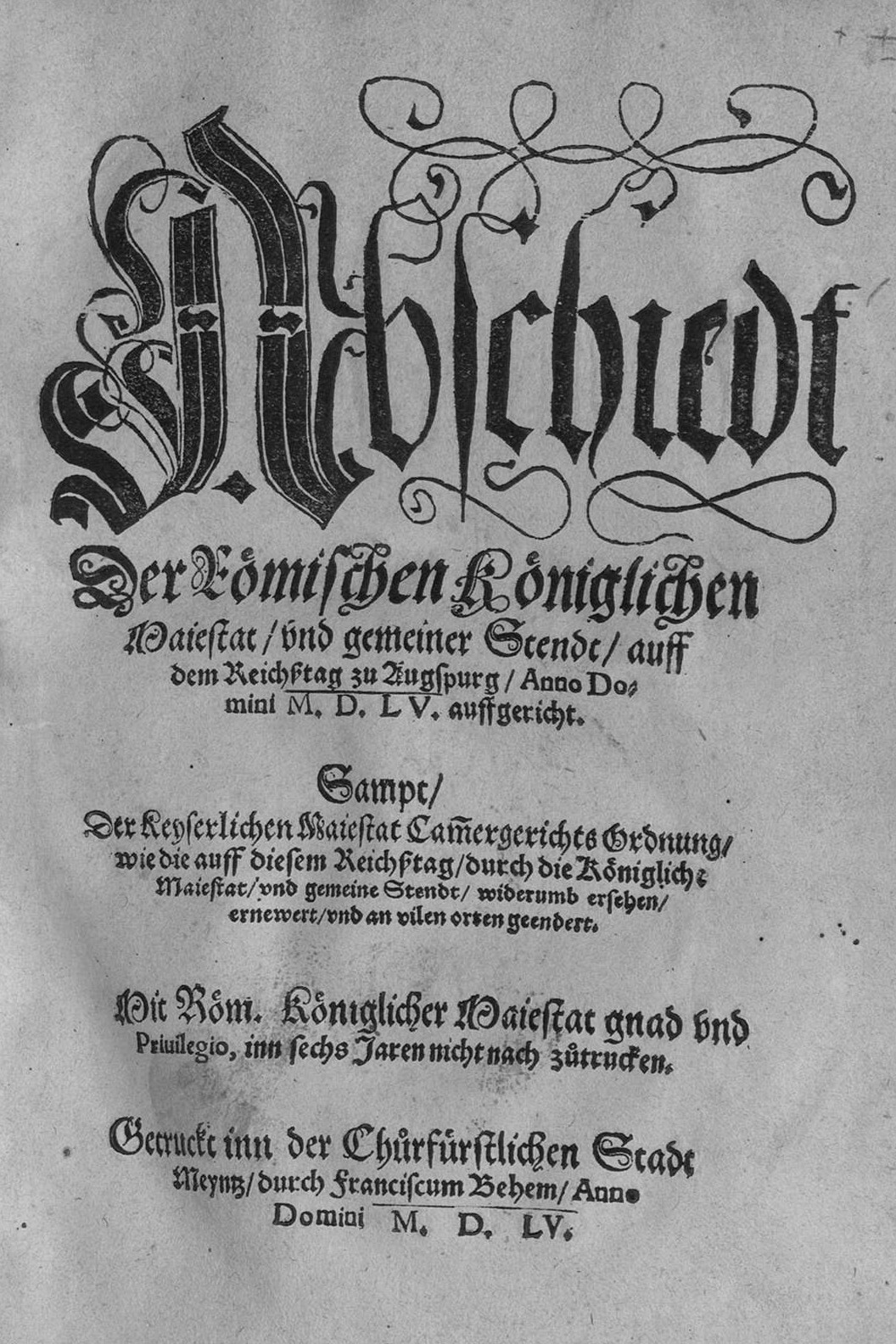 Document
Primary source
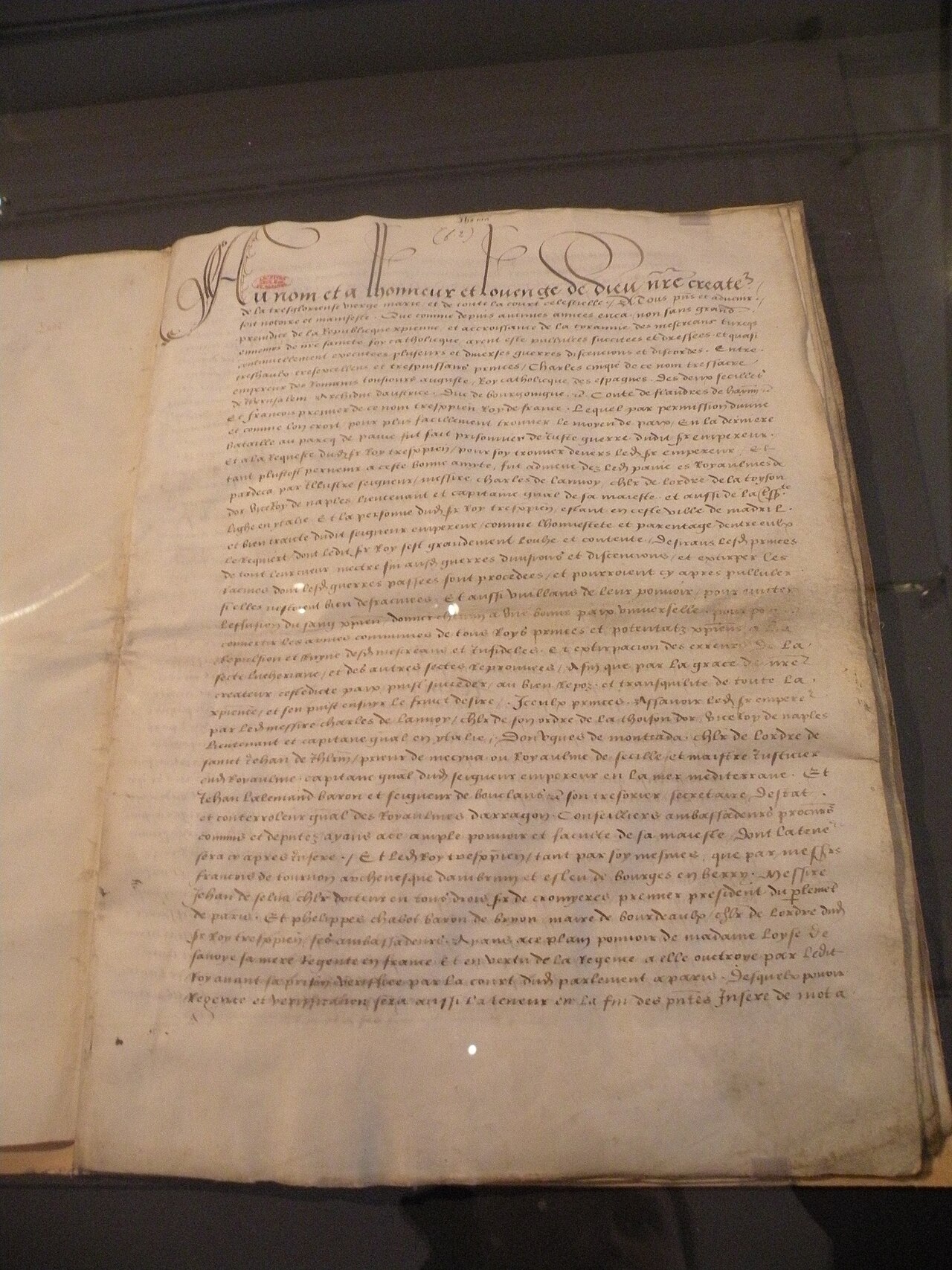
Peace of Augsburg
1555
 Letter
Primary source
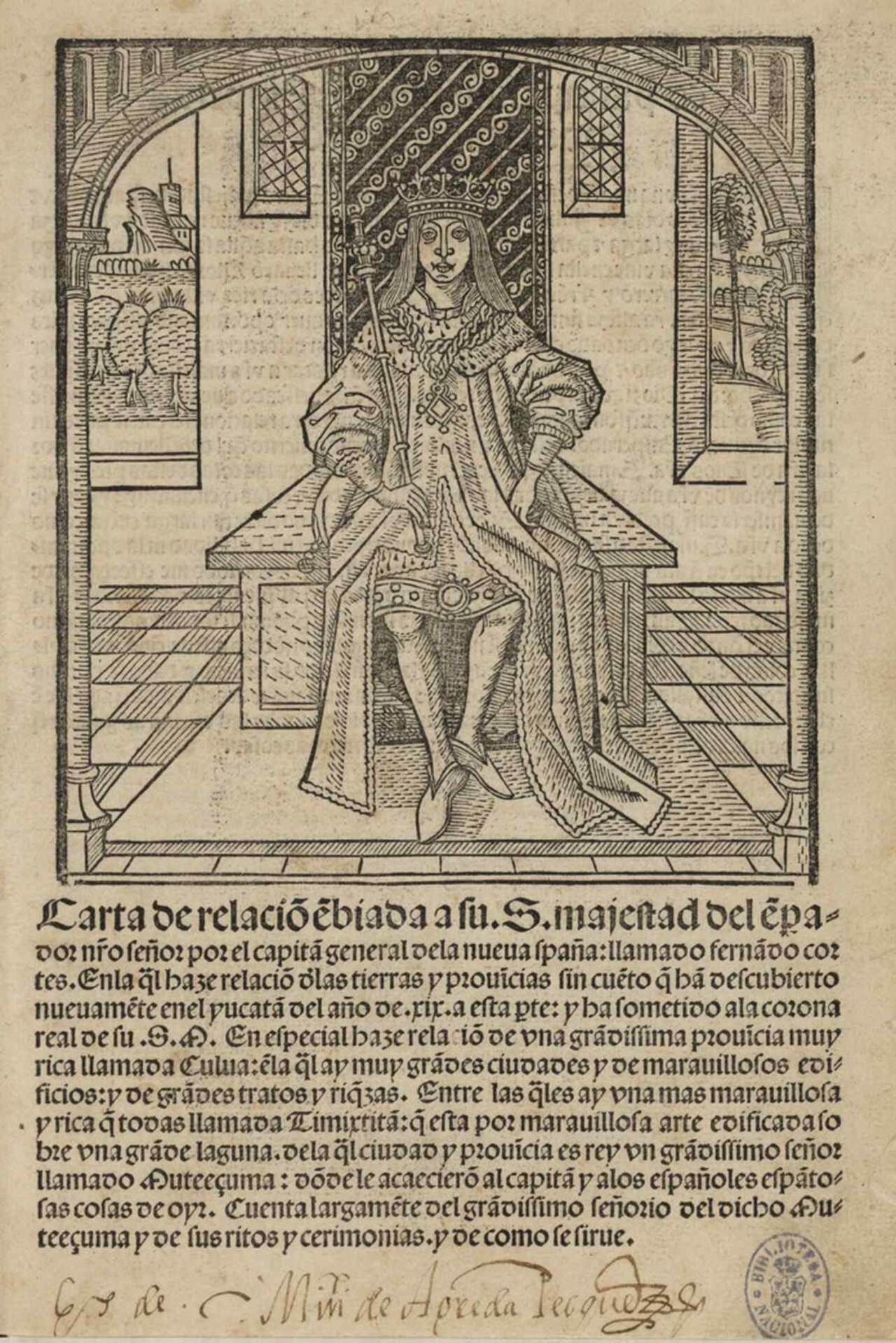
Second Letter to Charles V
Hernán Cortés · 1520 (printed 1522)
Free account
Read every Charles V, Holy Roman Emperor source
Sign up free →
Ready when you are
Start chatting with Charles V, Holy Roman Emperor now.
20 messages free · No credit card · Available in 50+ languages.