


Primary sourcePainting1826
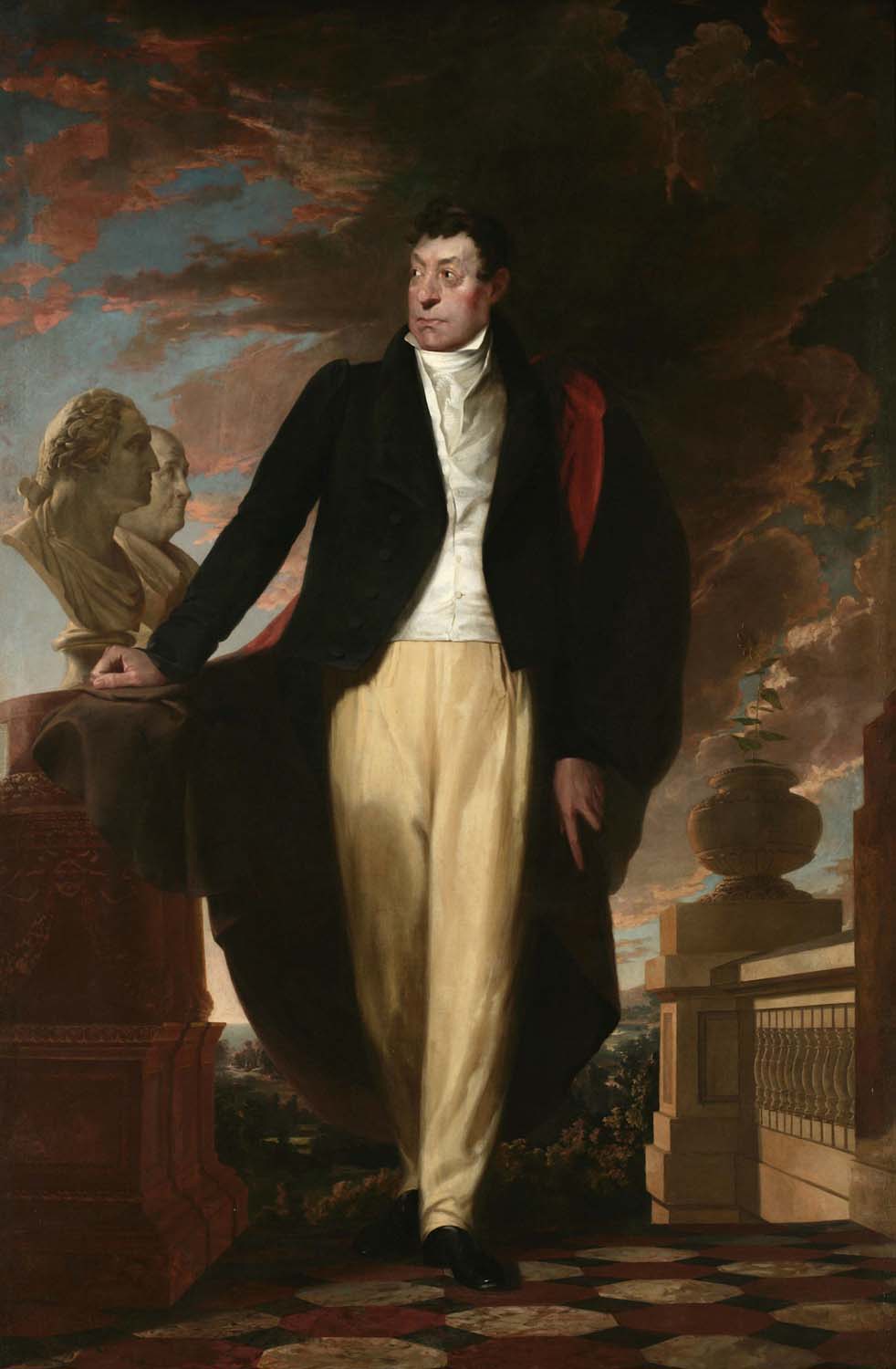
Portrait of the Marquis de Lafayette
Samuel Finley Breese Morse · 1826
A full-length oil portrait of Lafayette painted by Samuel Morse in 1826, showing him as an elder statesman.
A formal full-length portrait of Lafayette painted by Morse, who knew him personally during his American tour.
About this source
What it is
This full-length oil painting shows a standing man in a black tailcoat and red cloak, resting one hand near a pedestal with a bust, with a marble floor and stormy sky behind him. It was painted in 1826 by Samuel Finley Breese Morse, who had met Lafayette during his American visit.
Why it matters
This formal, full-length composition reflects how Americans wanted to remember and honor Lafayette as a hero of their Revolution, decades after the war itself. The grand setting and pose show the respect given to him in his old age.
Look closer
- What might the bust beside him represent, and why include it in the painting?
- How does the setting (columns, marble floor, stormy sky) shape the mood of the portrait?
- What is missing from this formal image about Lafayette's actual experiences?
This painting is part of the curated material that grounds the AI version of Marquis de Lafayette on Humy.ai — when students ask about related events, the AI can quote it and cite it.
More Marquis de Lafayette sources
Meet the AI Marquis de Lafayette →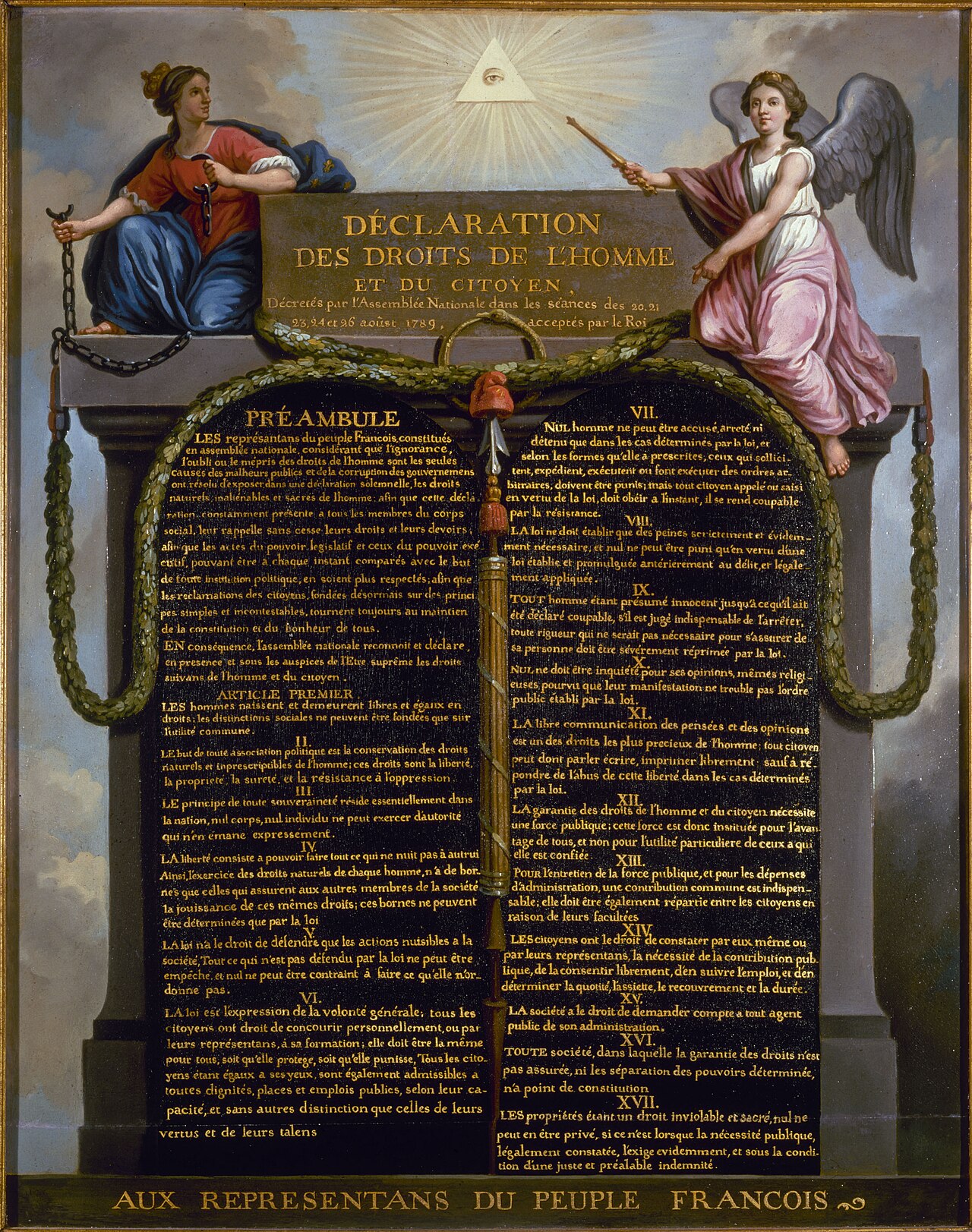 Document
Primary source
Declaration of the Rights of Man and of the Citizen
National Constituent Assembly · 1789
 Document
Primary source
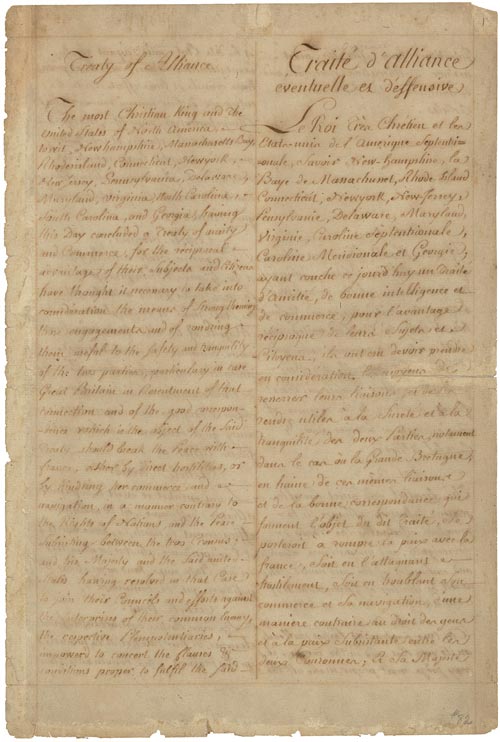
Treaty of Alliance with France
6 February 1778
 Document
Primary source
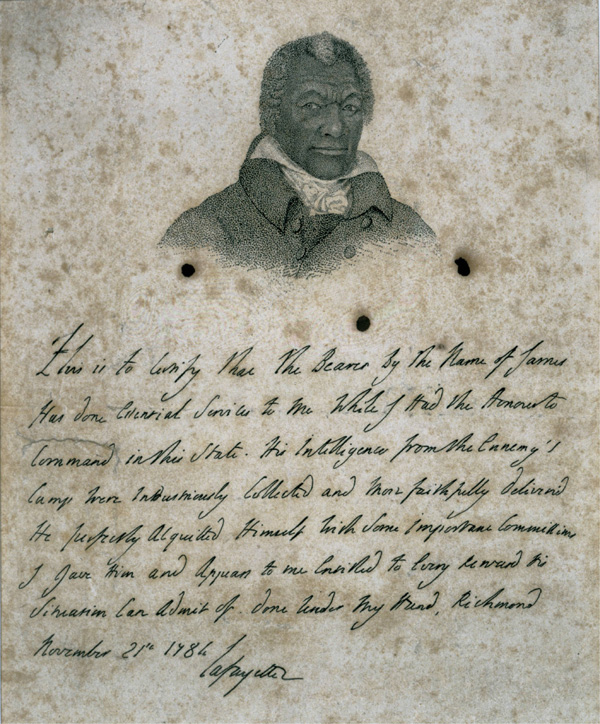
Certificate for James Armistead Lafayette
Marquis de Lafayette · 21 November 1784
Primary source
Lafayette's Oath of Allegiance
Gilbert du Motier, Marquis de Lafayette · 9 June 1778
 Letter
Primary source
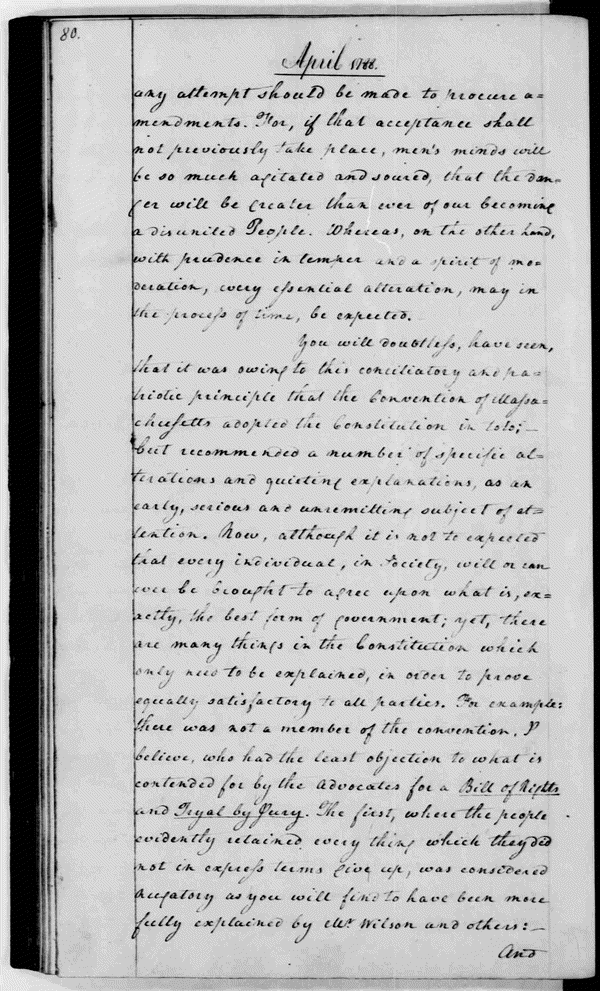
Letter from George Washington to Lafayette, 28 April 1788
George Washington · 28 April 1788
Ready when you are
Start chatting with Marquis de Lafayette now.
20 messages free · No credit card · Available in 50+ languages.