


Secondary sourcePaintingc. 1562-1564
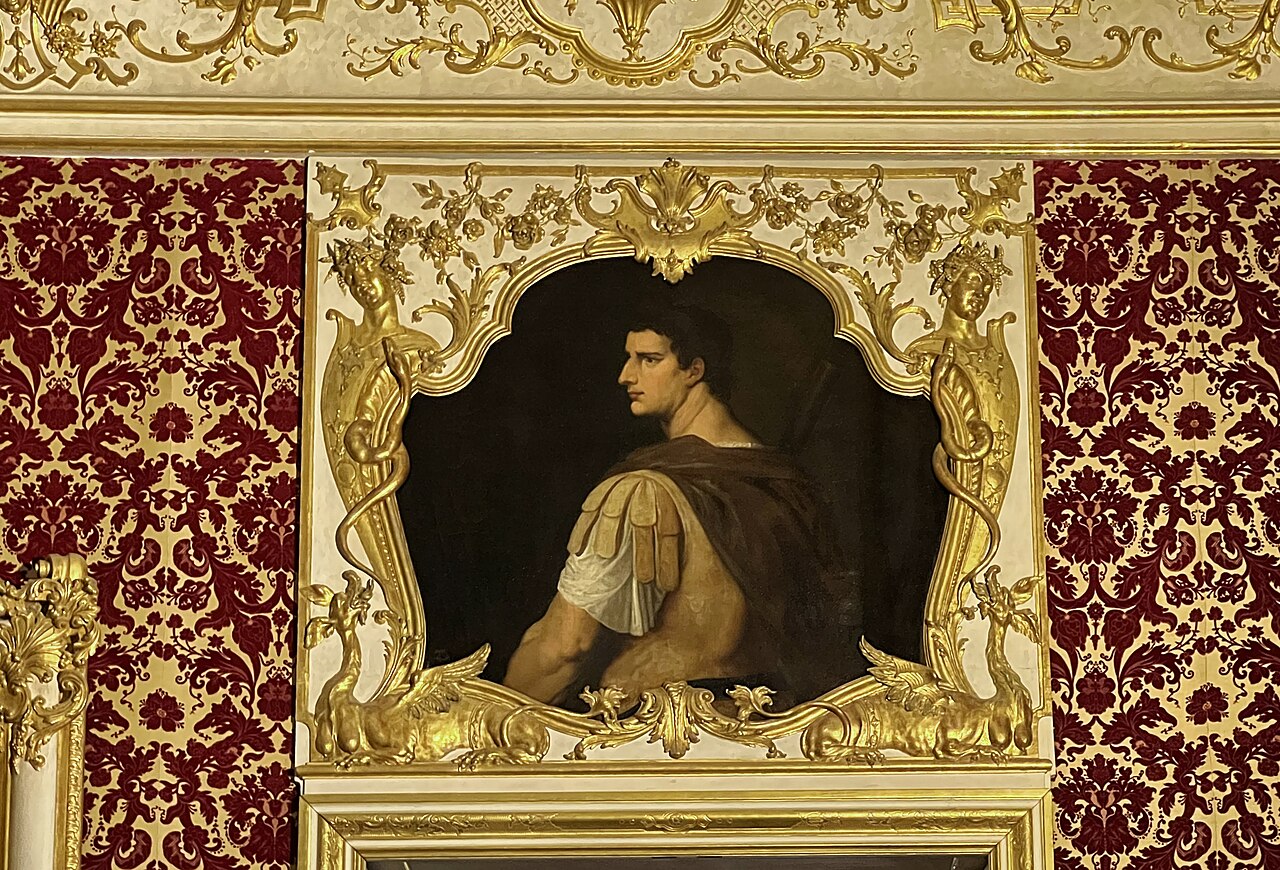
Portrait of Tiberius, Munich Residenz
Bernardino Campi (attributed) · c. 1562-1564
A 16th-century painted portrait of Tiberius, part of a cycle of Roman emperor portraits based on Titian's lost originals.
This Renaissance-era copy preserves an imagined likeness of Tiberius from a lost series of emperor portraits.
About this source
What it is
This painting is believed to be by Bernardino Campi, made around 1562-1564, as part of a series completing Titian's cycle of eleven portraits of early Roman emperors painted between 1536 and 1540. The originals were later destroyed by fire, so copies like this one, hanging in the Munich Residenz, are among the closest surviving impressions of Titian's lost works.
Why it matters
The portrait shows how Renaissance rulers and artists, including Titian and Campi, used ancient emperors like Tiberius as models for power and legitimacy. It reveals how imagined likenesses of Tiberius were created centuries after his death and passed down through copies and engravings.
Look closer
- Why might a Renaissance court want paintings of ancient Roman emperors in its rooms?
- What might be lost or changed when a painting is known only through later copies?
- How does the frame and setting suggest the importance given to this image?
This painting is part of the curated material that grounds the AI version of Tiberius on Humy.ai — when students ask about related events, the AI can quote it and cite it.
More Tiberius sources
Browse all 87 →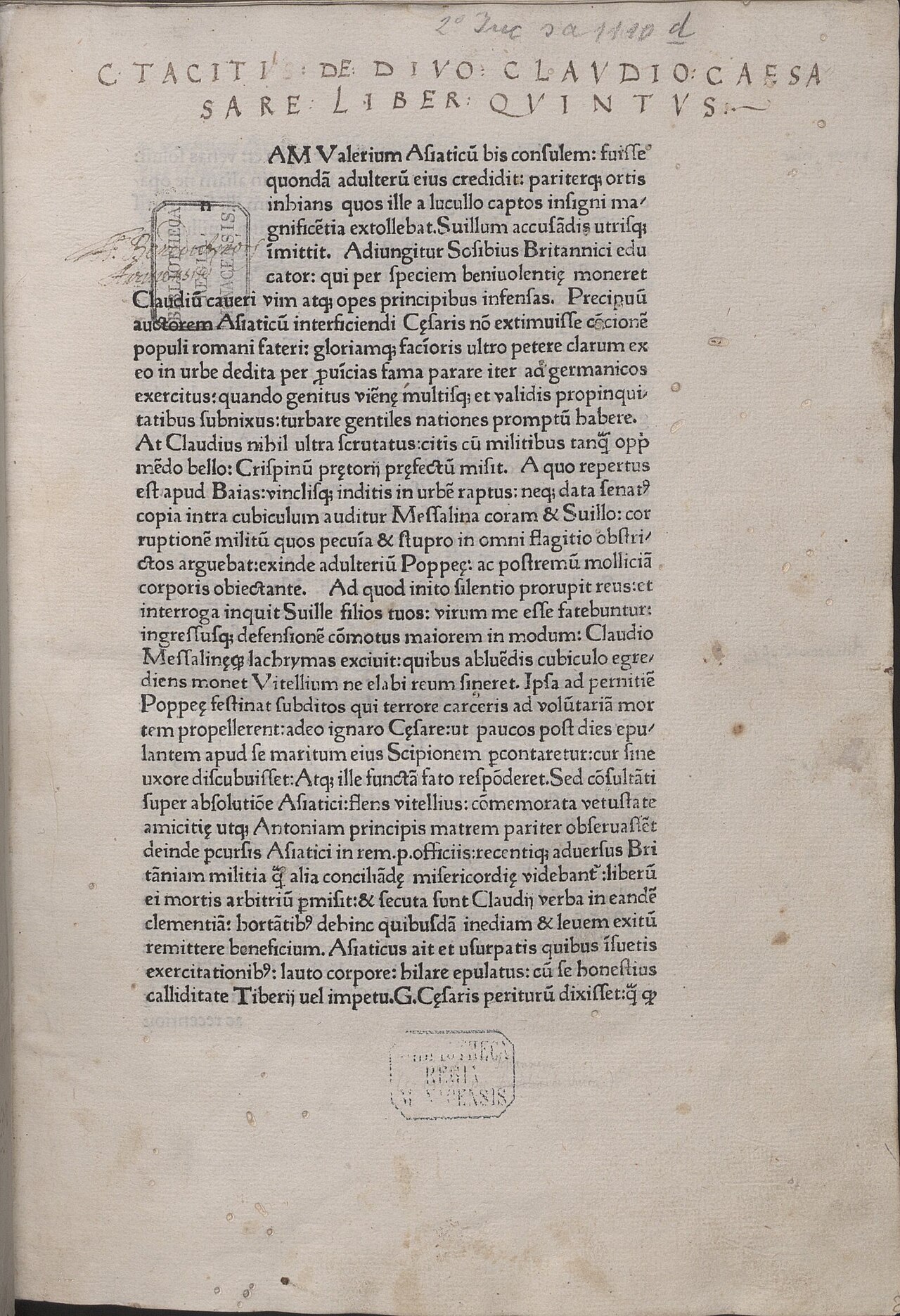
Ready when you are
Start chatting with Tiberius now.
20 messages free · No credit card · Available in 50+ languages.