


Primary sourceSculpture
Portrait of Vespasian
A marble head sculpted during Vespasian's lifetime, showing his strained, lined features in the realistic Roman veristic style.
This lifetime marble portrait depicts Vespasian in the realistic, veristic style of Roman imperial sculpture.
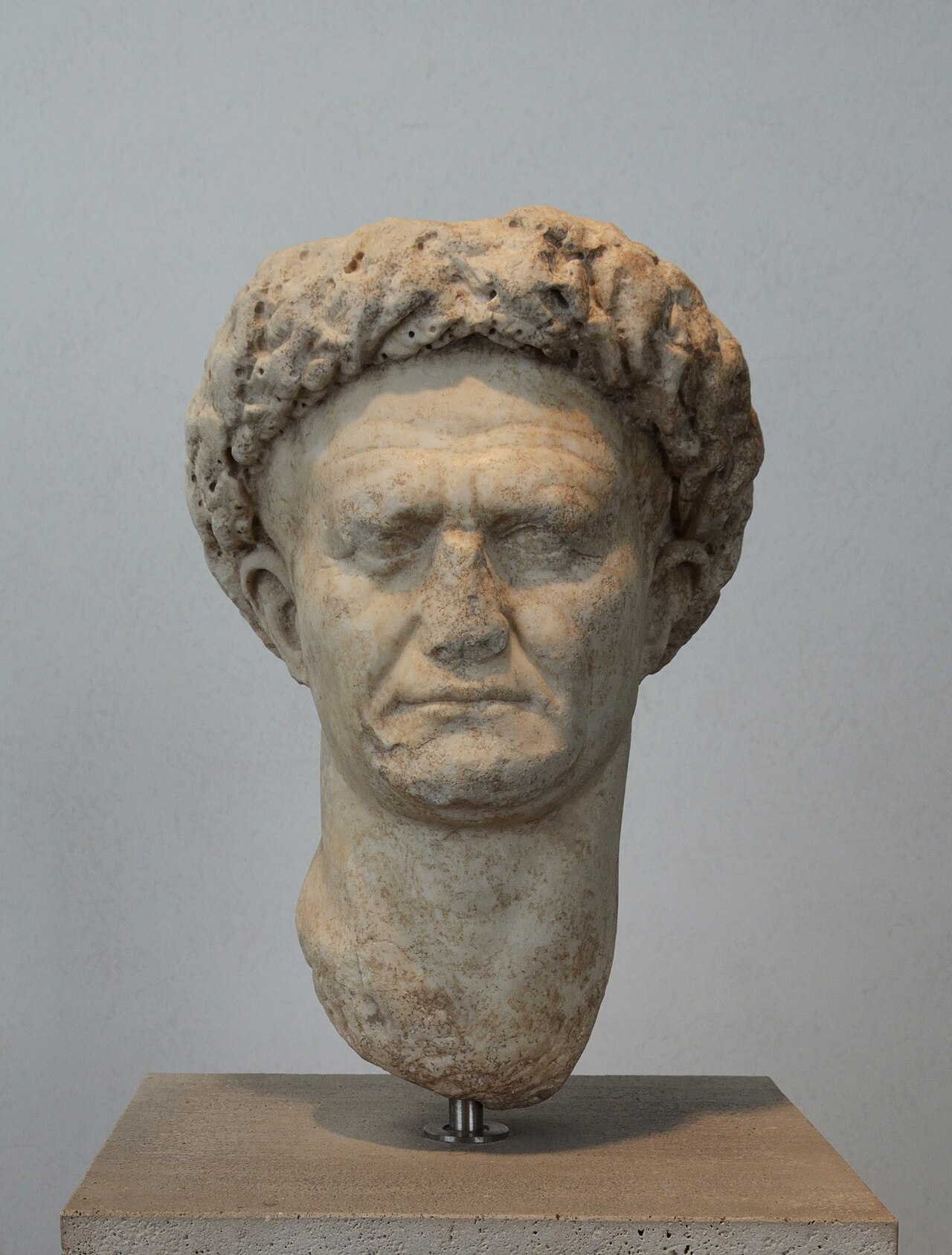
About this source
What it is
This marble head is a lifetime portrait of Emperor Vespasian, now held in the Palazzo Massimo in Rome. It shows the emperor's face carved in the veristic style typical of Roman portraiture, with deeply furrowed brow and heavy-lidded eyes.
Why it matters
Roman emperors used portrait sculpture to shape how they were seen by the public. Vespasian's veristic image, with its strained and aged features, presented him as a tough, experienced soldier-ruler rather than a youthful idealised figure, a style that suited his rise from military career to emperor after civil war.
Look closer
- What does the choice of a lined, aged face rather than a smooth youthful one tell us about how Vespasian wanted to be seen?
- Why might a sculptor working for an emperor choose realism over idealisation?
- What can and can't a portrait like this tell us about a person's character?
This sculpture is part of the curated material that grounds the AI version of Vespasian on Humy.ai — when students ask about related events, the AI can quote it and cite it.
More Vespasian sources
Browse all 95 →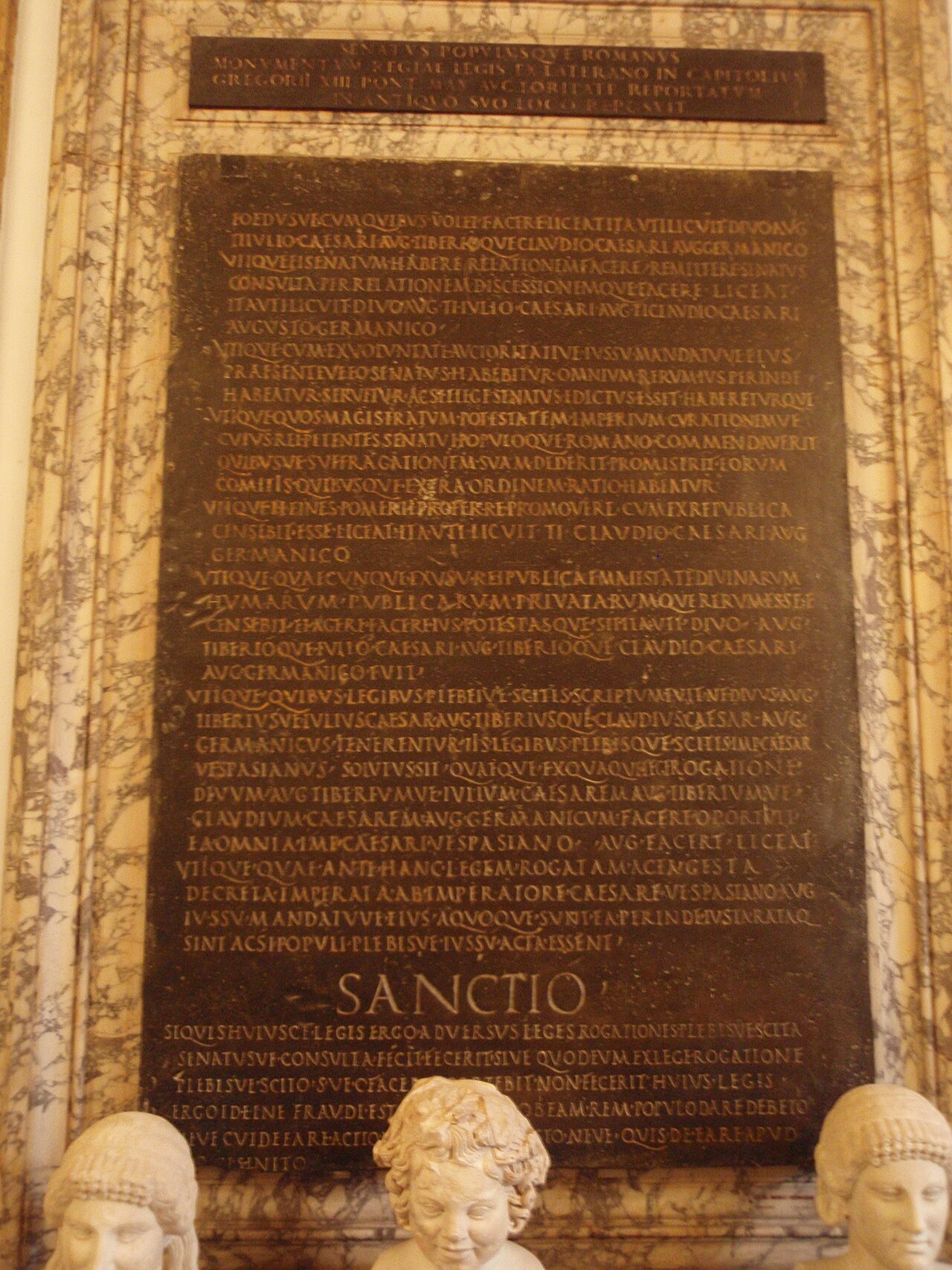 Document
Primary source
Lex de imperio Vespasiani
Roman Senate · AD 69–70
 Artifact
Primary source
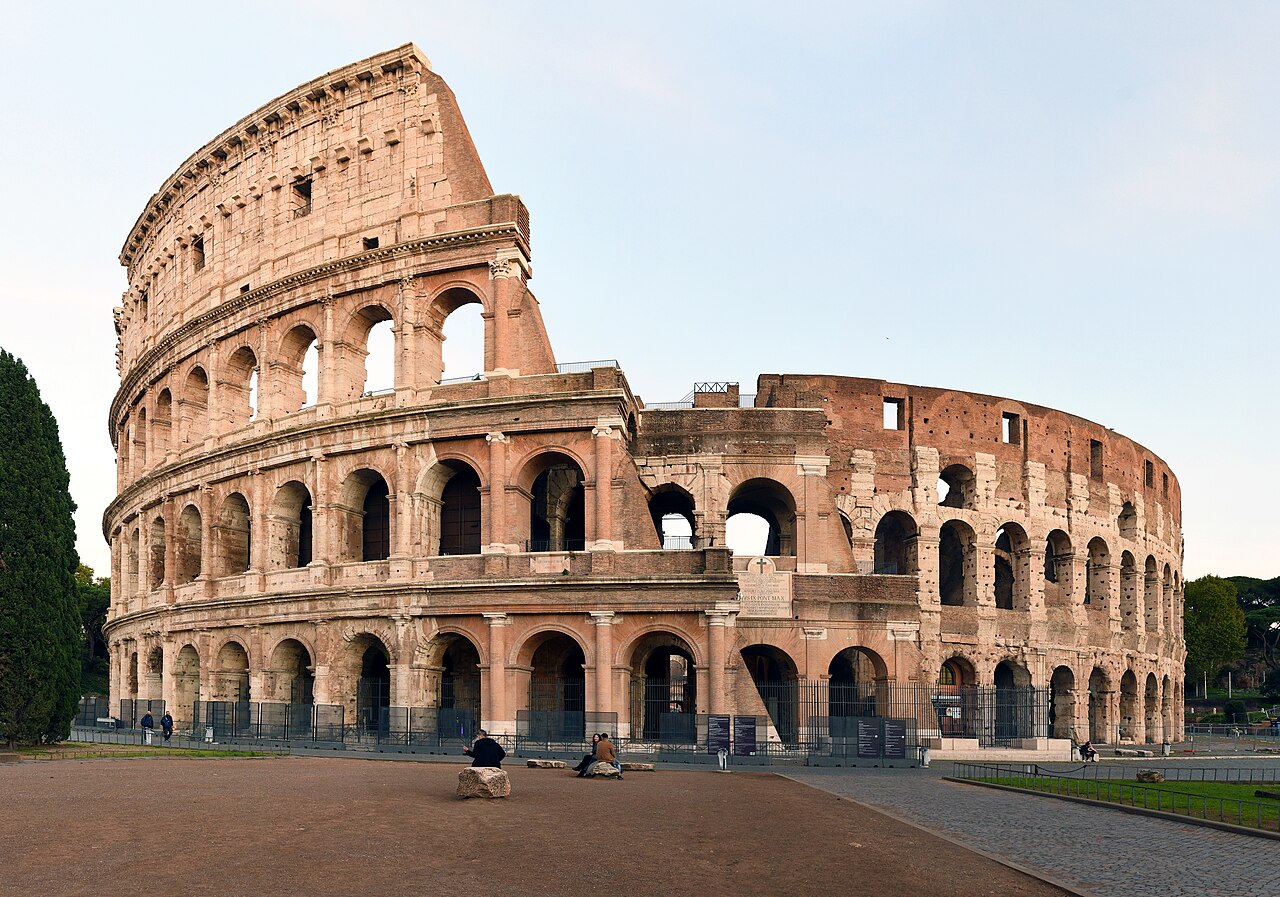
Colosseum
begun 72 AD, completed 80 AD
 Book
Secondary source
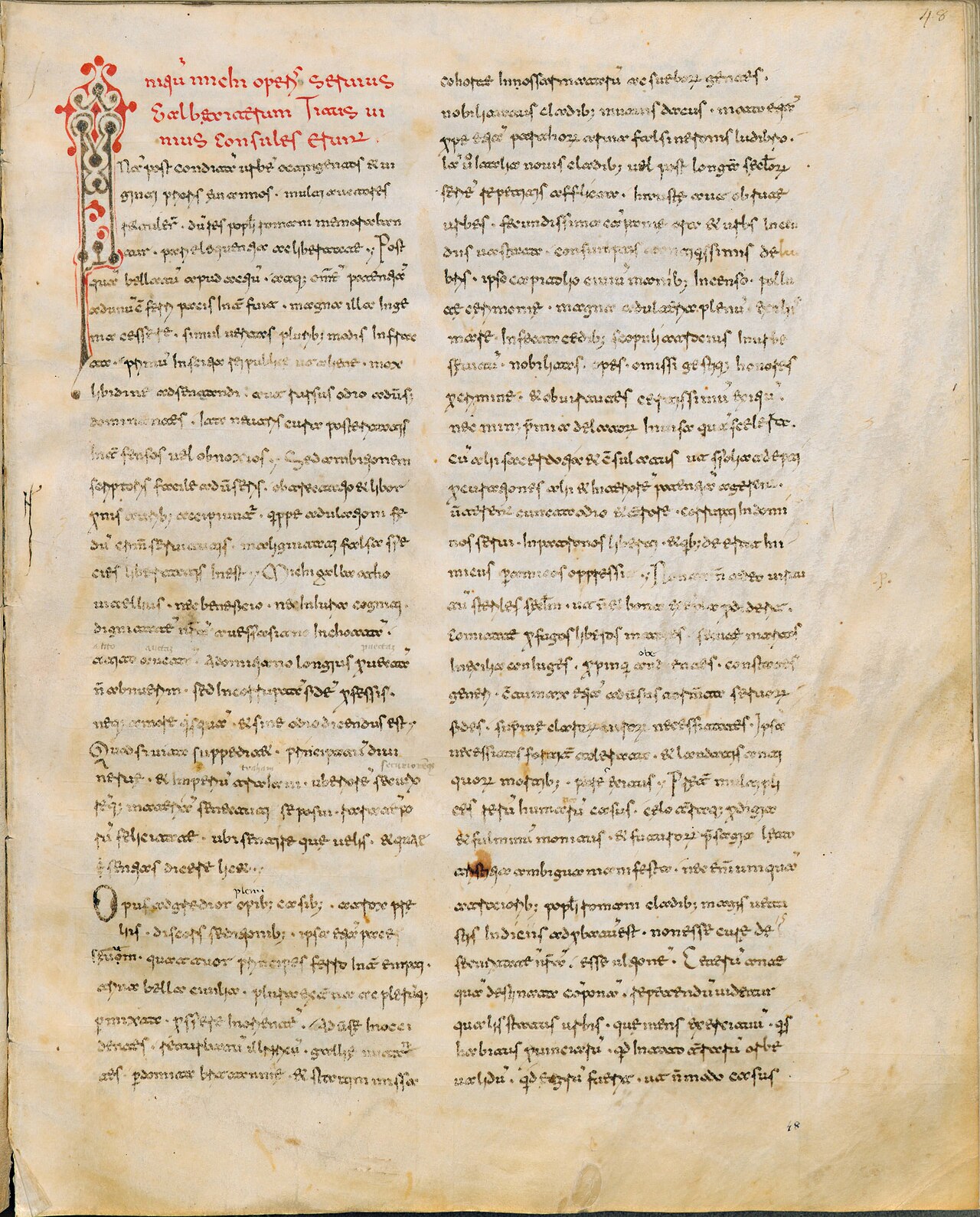
Histories
Tacitus · c. 100-110 AD
 Book
Secondary source
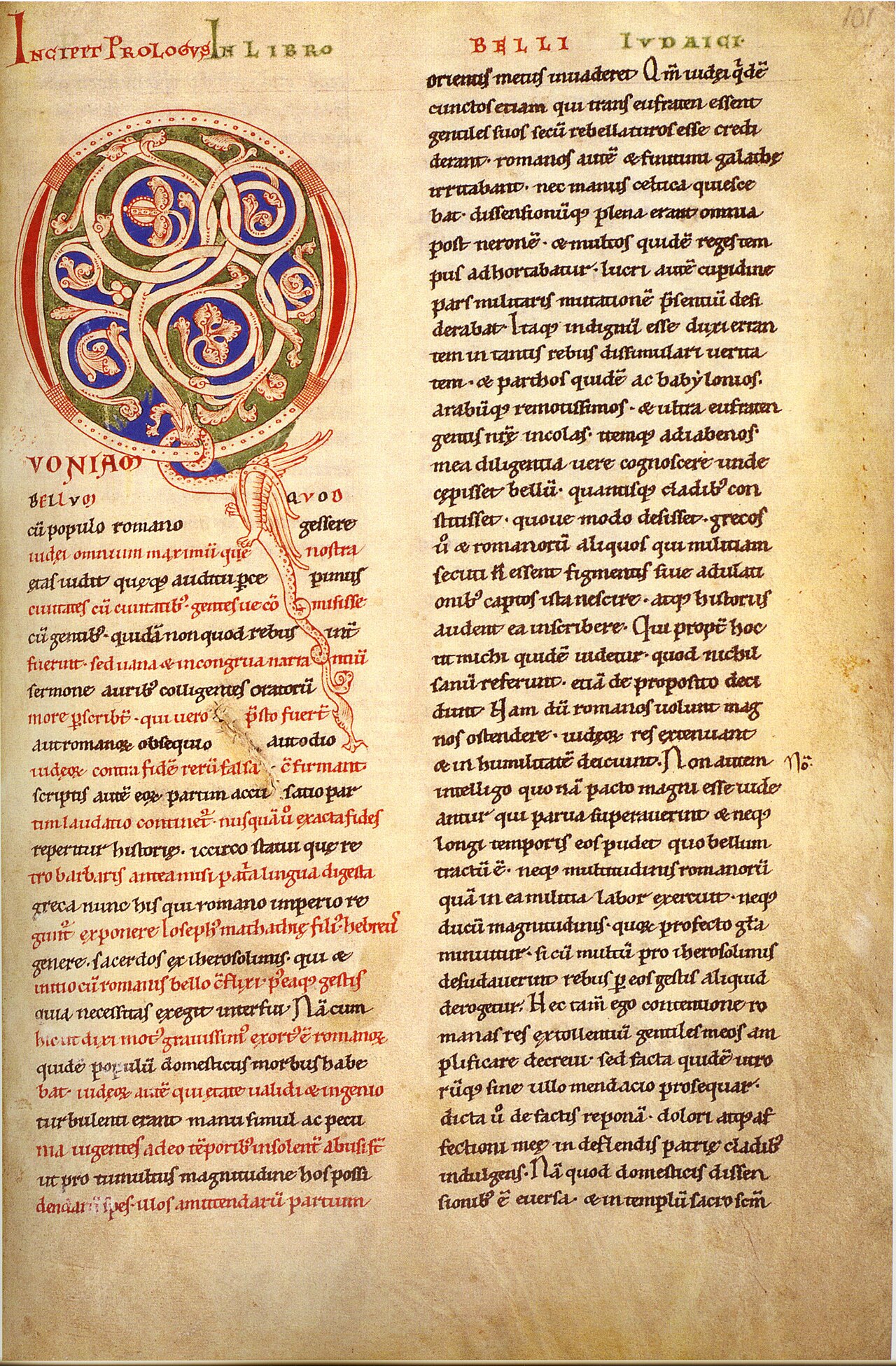
The Jewish War
Josephus · c. AD 75
Free account
Read every Vespasian source
Sign up free →
Ready when you are
Start chatting with Vespasian now.
20 messages free · No credit card · Available in 50+ languages.