


Secondary sourcePainting16th century (copy of lost original)
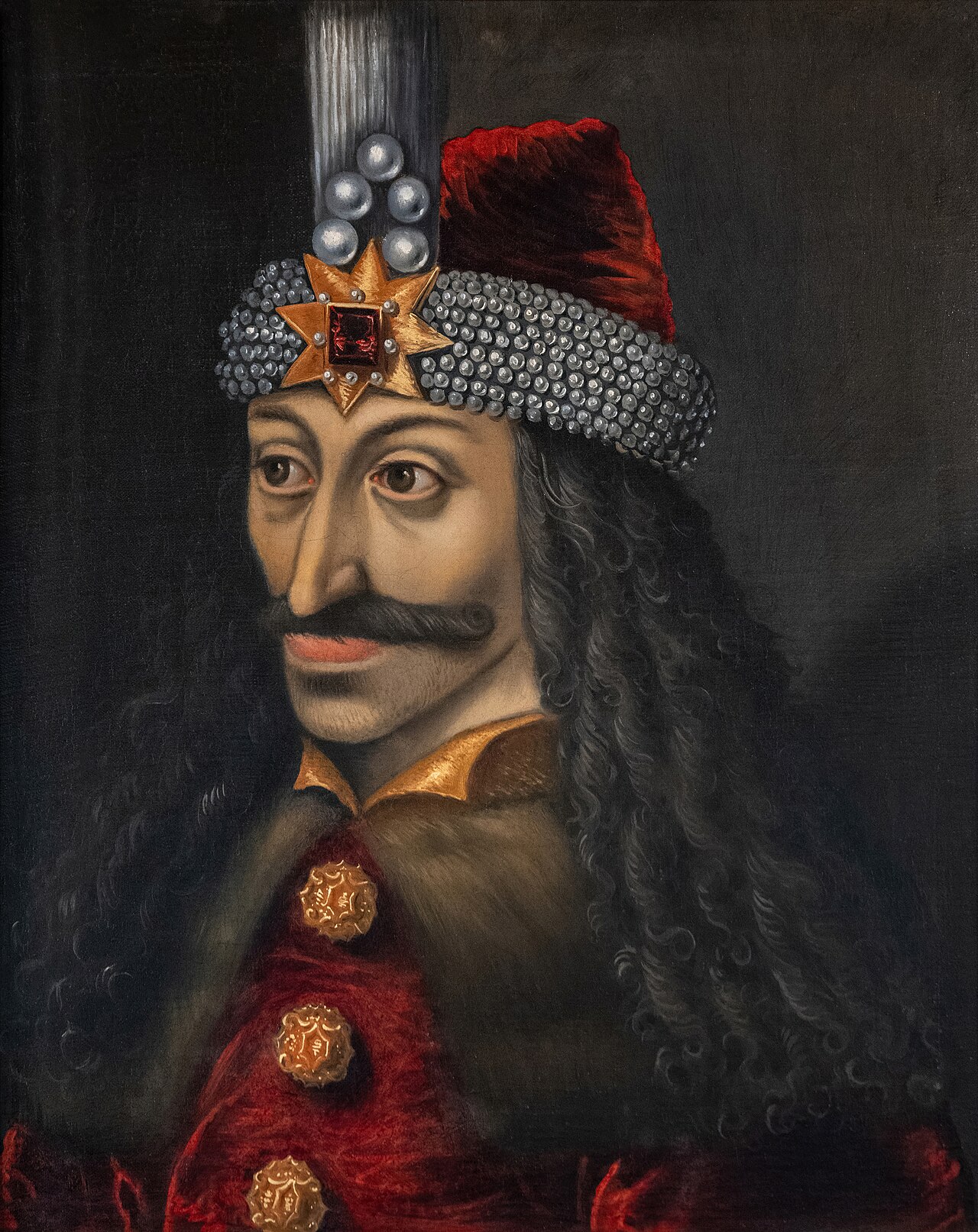
Portrait of Vlad the Impaler, Prince of Wallachia
Unknown · 16th century (copy of lost original)
A 16th-century oil portrait believed to copy a lost likeness of Vlad the Impaler, showing his distinctive moustache and fur hat.
This is the standard portrait used to represent Vlad the Impaler's face in historical and popular memory.
About this source
What it is
This oil painting portrays Vlad Țepeș, the Impaler, Prince of Wallachia. It is thought to copy a lost original likeness, possibly painted during his captivity in Hungary. The painting shows him with long dark curled hair, a large moustache, a red fur-trimmed garment, and a pearl-studded fur hat with a gold star ornament.
Why it matters
As with other surviving copies, this portrait became a key reference for how Vlad the Impaler is remembered visually. It reflects both the fashions of 15th-century Wallachian and Hungarian nobility and the way his image was preserved and circulated after his death.
Look closer
- What symbols of rank and wealth can you identify in his clothing and hat?
- Why do historians think this portrait copies an older, lost image rather than being an original?
- What questions can't a portrait answer about a ruler's actions or character?
This painting is part of the curated material that grounds the AI version of Vlad the Impaler on Humy.ai — when students ask about related events, the AI can quote it and cite it.
More Vlad the Impaler sources
Browse all 83 →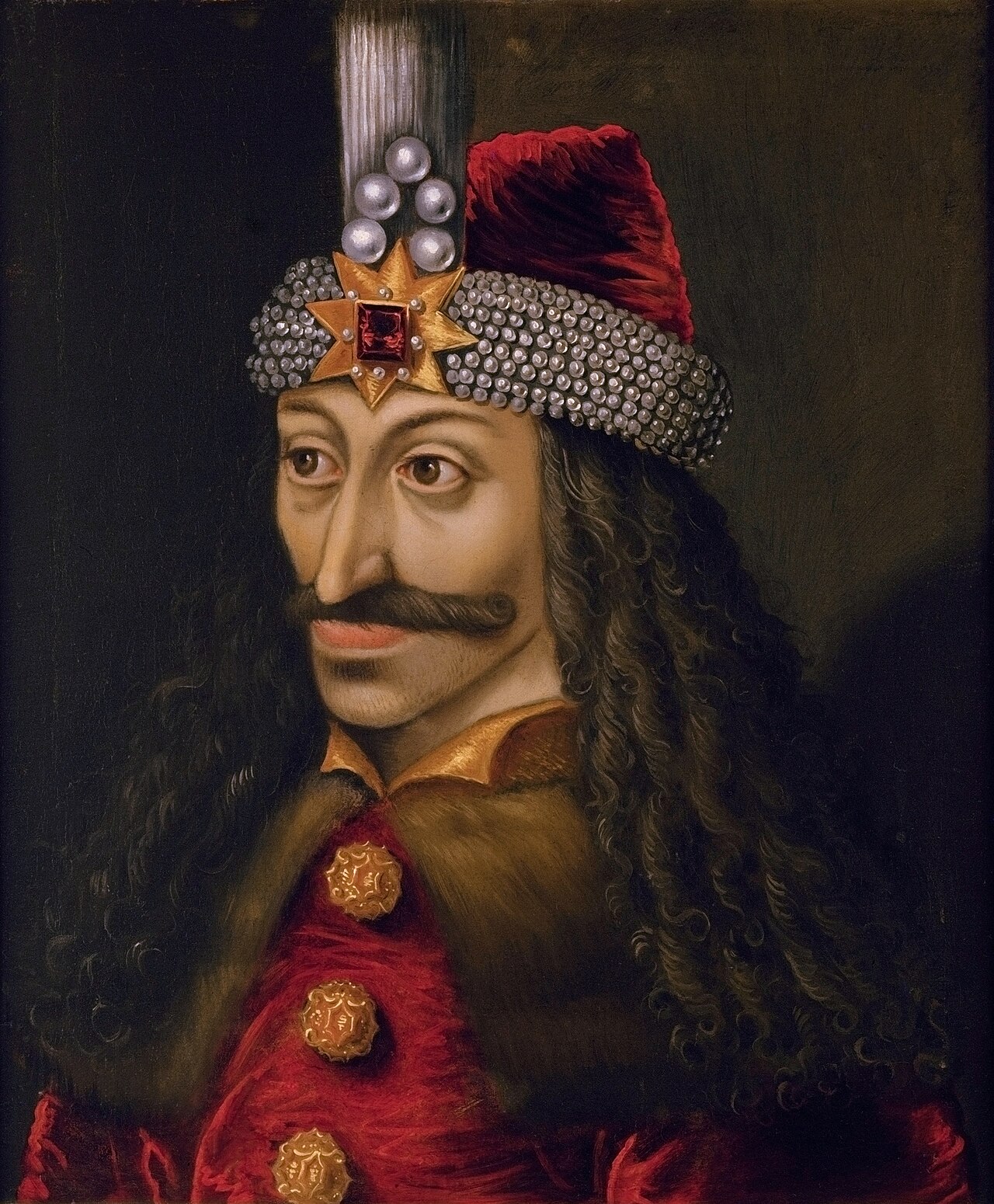 Painting
Secondary source
Portrait of Vlad Țepeș (Ambras Castle)
Unknown · c. 1560 (copy of lost original)
 Document
Primary source
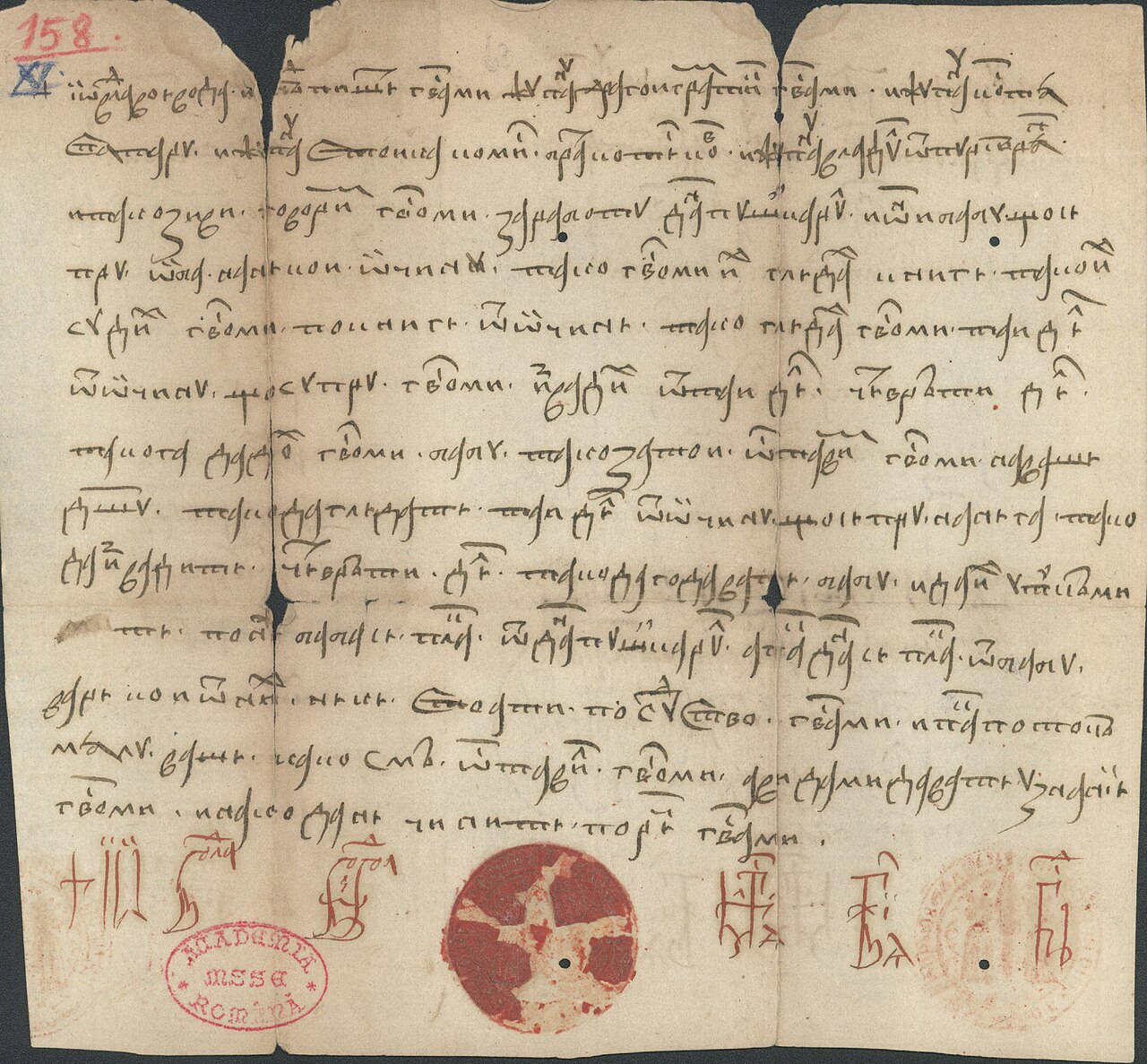
Hrisov of Vlad Țepeș to his Boyars (Baba Estate)
Vlad Țepeș · 15th century
 Letter
Primary source
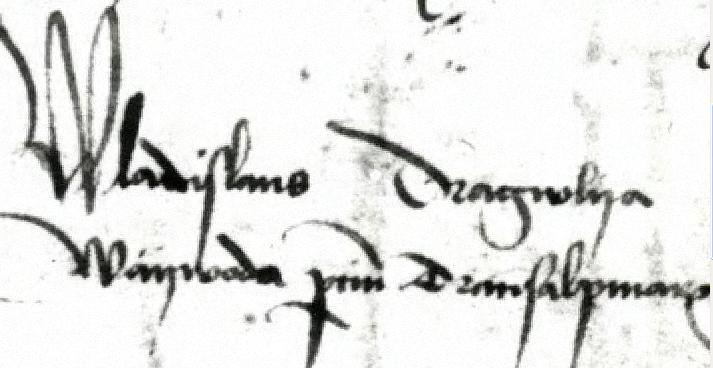
Letter Signed 'Wladislaus Dragwlya'
Vlad III of Wallachia · 15th century
 Document
Primary source
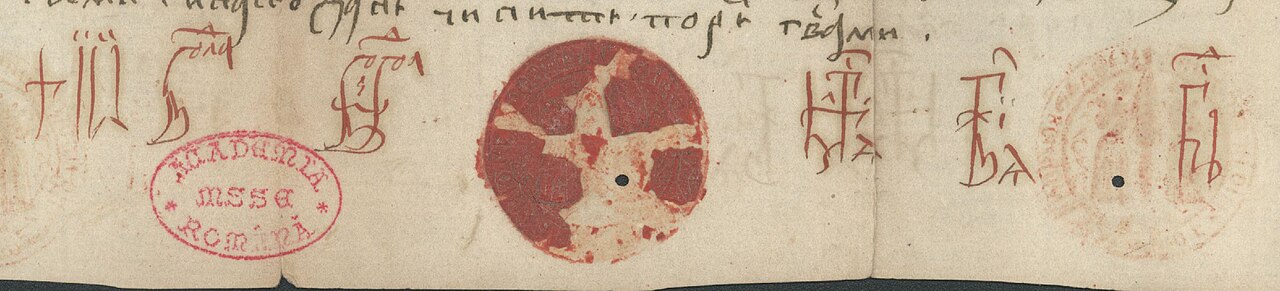
Hrisov of Vlad Țepeș (Signature Detail)
Vlad Țepeș · 15th century
Free account
Read every Vlad the Impaler source
Sign up free →
Ready when you are
Start chatting with Vlad the Impaler now.
20 messages free · No credit card · Available in 50+ languages.