


Secondary sourcePainting2011
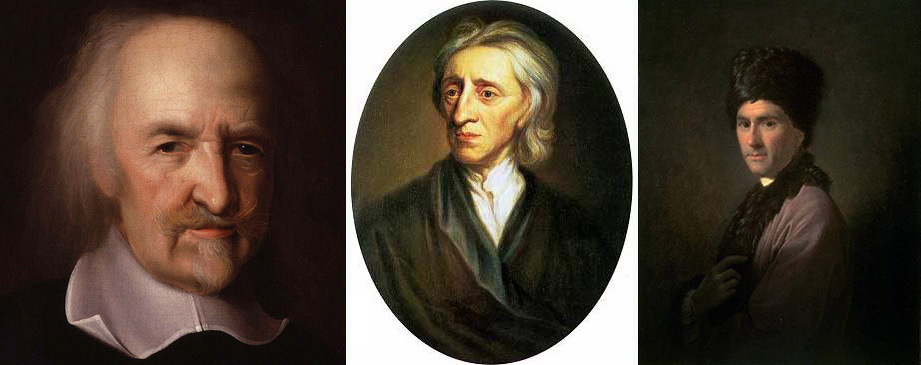
Portraits of Hobbes, Locke and Rousseau
John Michael Wright · 2011
A later composite image placing a portrait of Hobbes (after Wright or Kneller) alongside portraits of Locke and Rousseau.
The left portrait in this composite image depicts Hobbes, based on earlier paintings by Wright or Kneller.
About this source
What it is
This is a composite image combining three separate portraits of philosophers: Thomas Hobbes, John Locke, and Jean-Jacques Rousseau. The Hobbes portrait is based on paintings by John Michael Wright or Godfrey Kneller. The image was assembled later, in 2011, from existing artworks.
Why it matters
Grouping these three thinkers together reflects how later generations have connected them as key figures in the history of political philosophy, even though they lived in different centuries and never met. It shows how Hobbes is remembered alongside later thinkers who responded to his ideas.
Look closer
- Why might someone choose to display these three portraits together?
- What differences in clothing and setting can you see between the three figures?
- Does grouping portraits like this help or distort our understanding of each individual thinker?
This painting is part of the curated material that grounds the AI version of Thomas Hobbes on Humy.ai — when students ask about related events, the AI can quote it and cite it.
More Thomas Hobbes sources
Meet the AI Thomas Hobbes →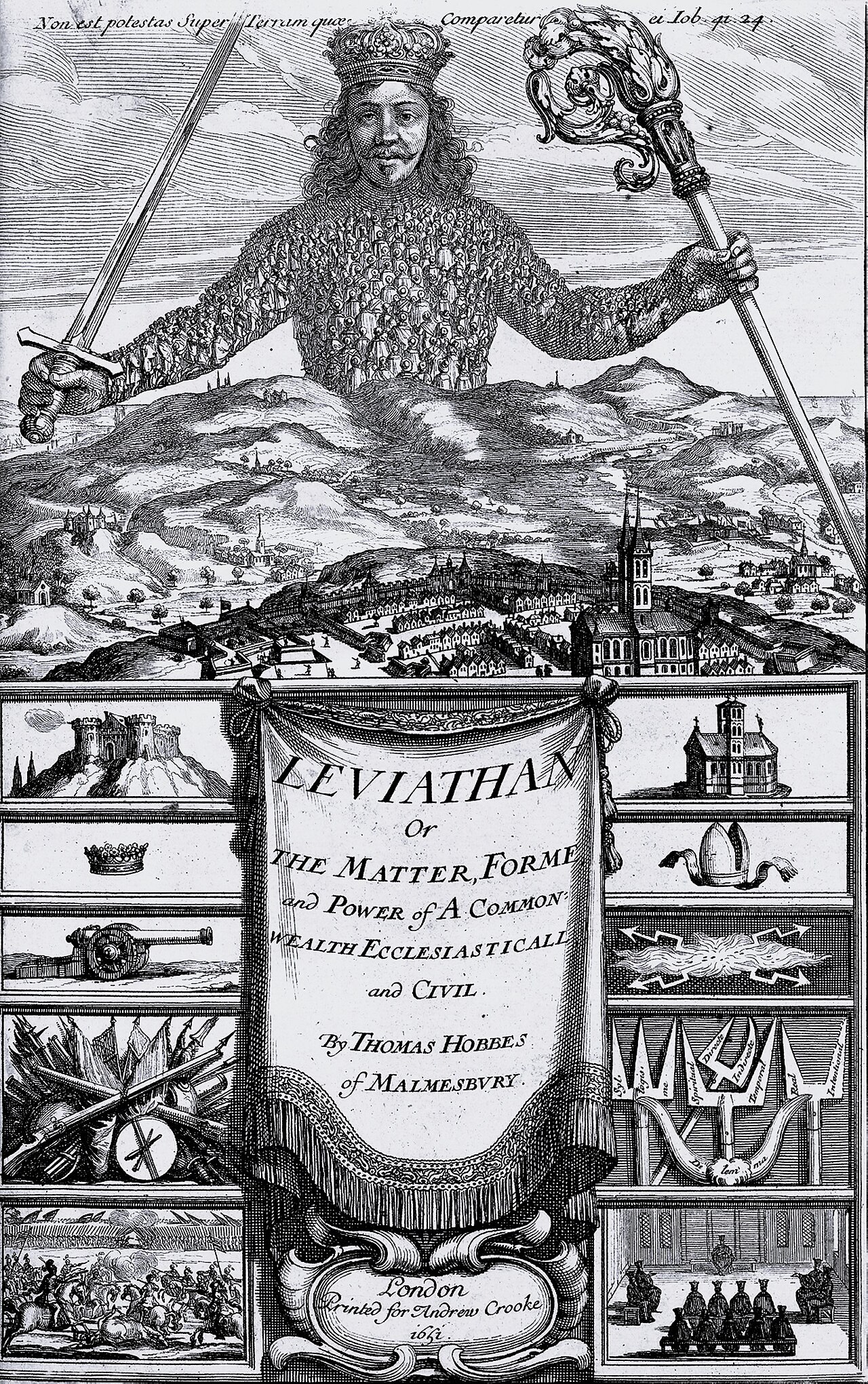 Book
Primary source
Leviathan
Thomas Hobbes · 1651
 Book
Primary source
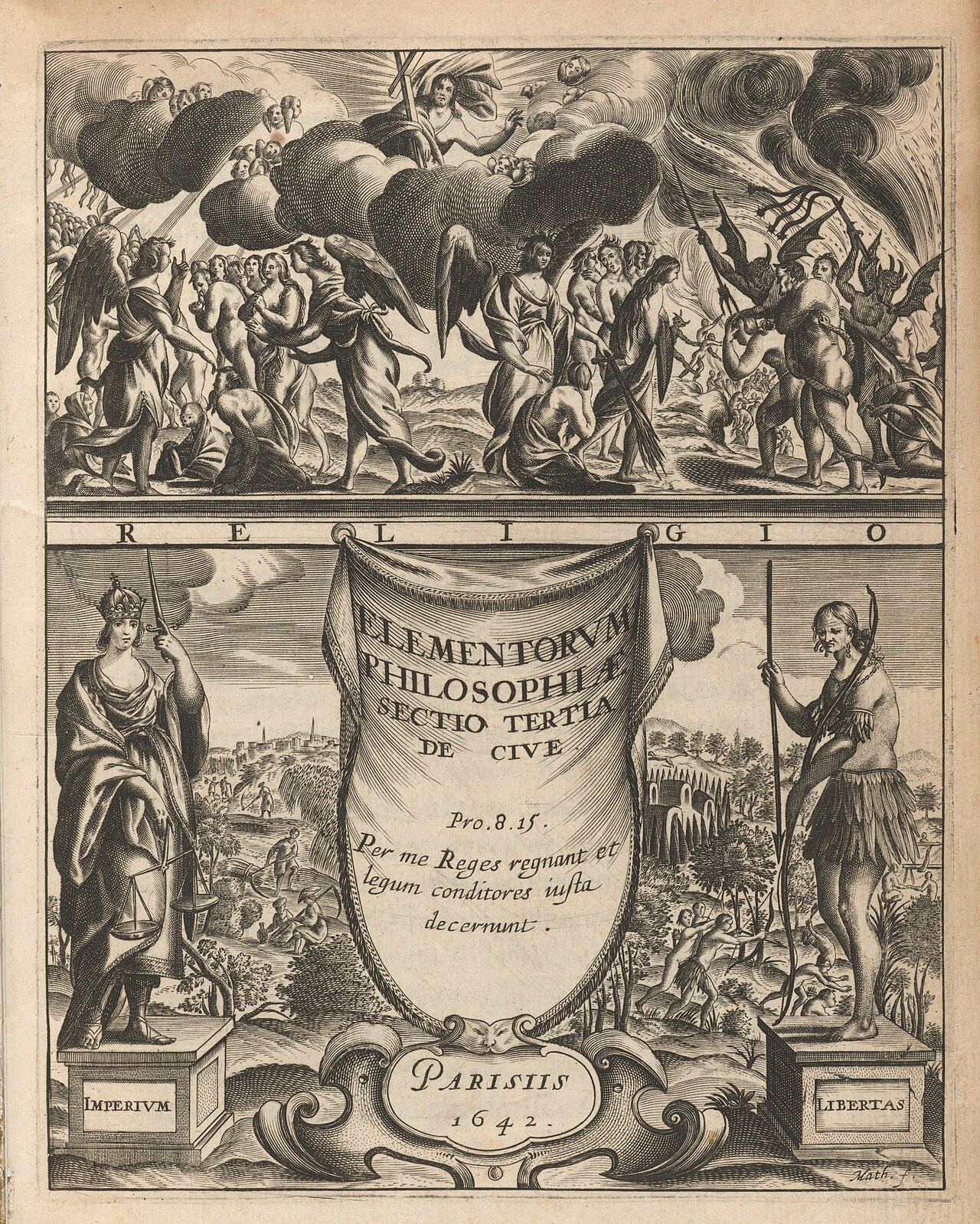
De Cive
Thomas Hobbes · 1642
 Painting
Secondary source
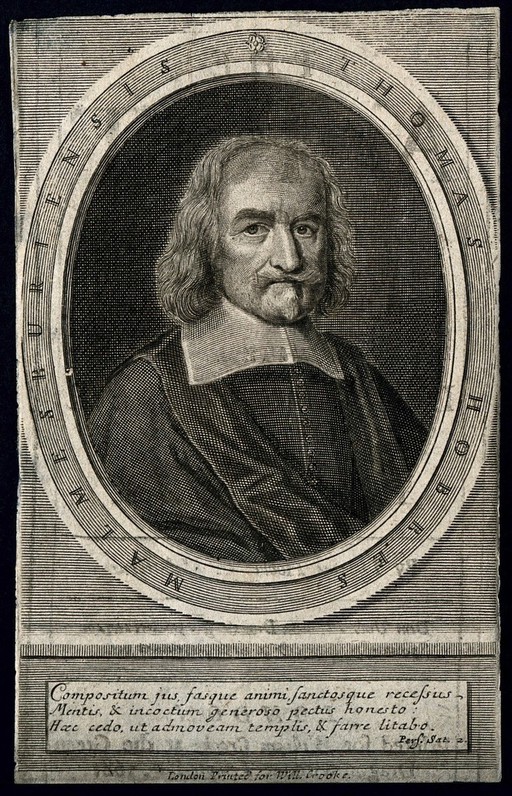
Portrait of Thomas Hobbes, Line Engraving
Primary source
The Elements of Law
Thomas Hobbes · 1640
 Artifact
Secondary source
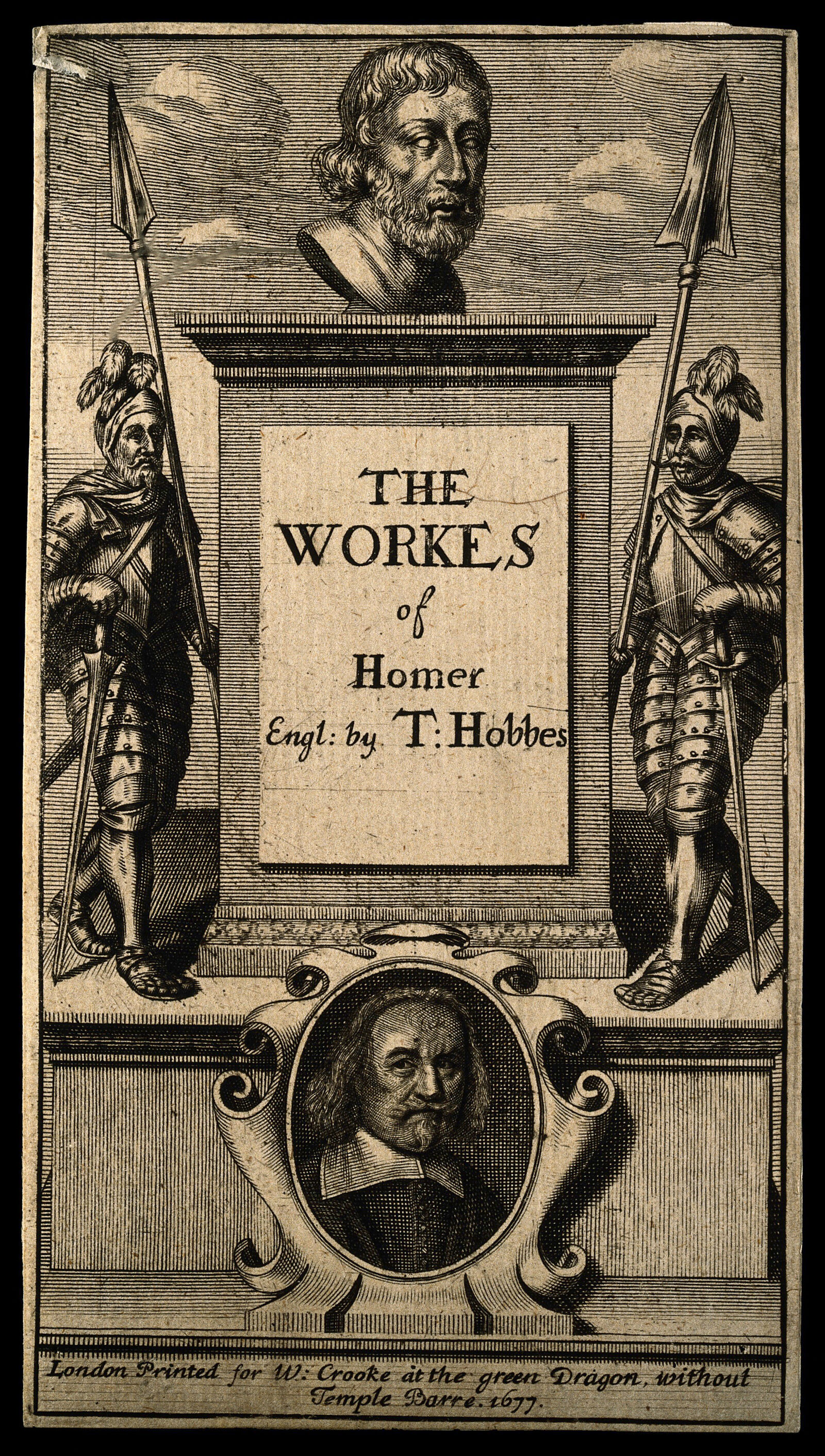
Title Page of The Workes of Homer, Translated by Thomas Hobbes
1677
Ready when you are
Start chatting with Thomas Hobbes now.
20 messages free · No credit card · Available in 50+ languages.