


Primary sourceArtifact1035-1036
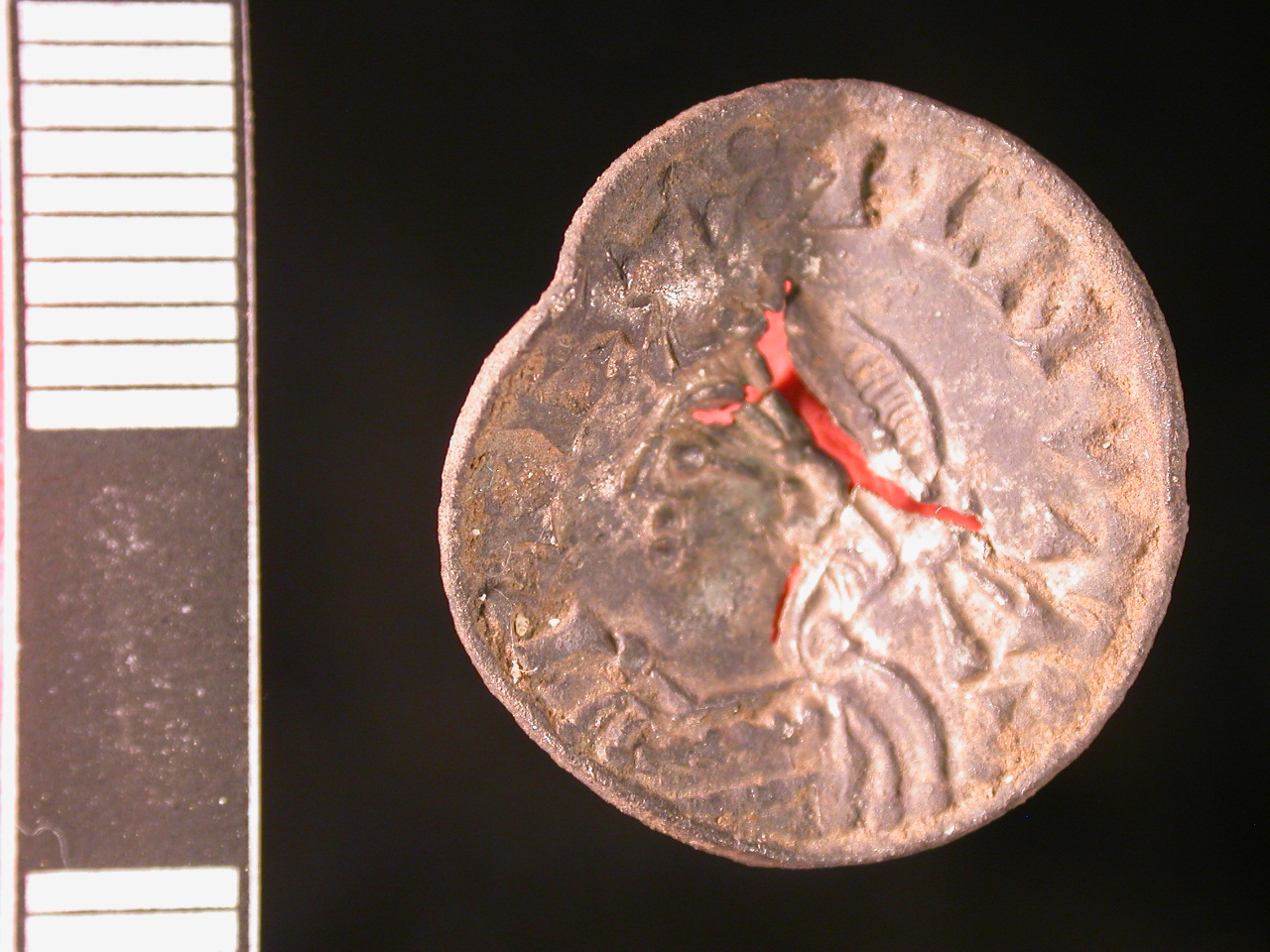
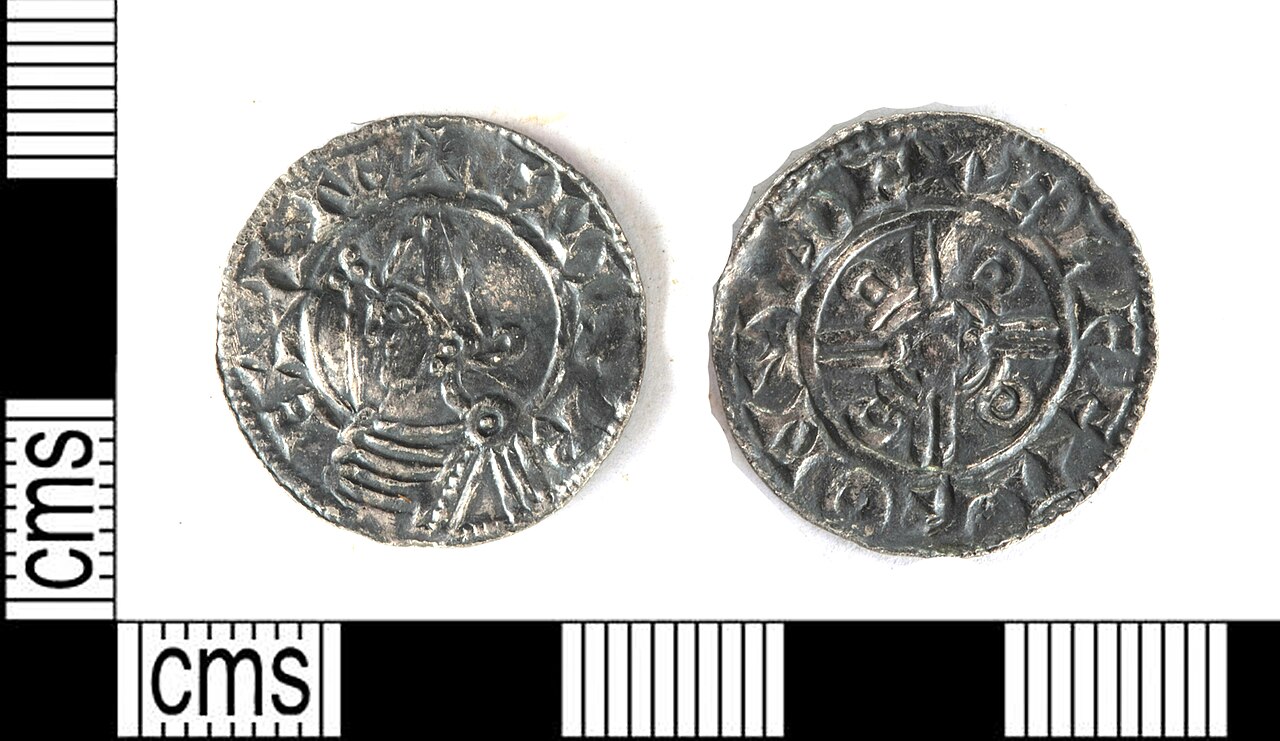
Posthumous Silver Penny of Cnut (Jewel Cross Type)
1035-1036
A silver penny struck in Cnut's name after his death, issued under the regency of his widow Queen Emma, showing how his coinage continued after he died.
This coin, struck in Cnut's name after his death, shows how his authority and image persisted under his widow's regency.
About this source
What it is
This worn silver coin is a 'posthumous' penny struck in Cnut's name between 1035 and 1036, shortly after his death. It was minted at Exeter by a moneyer named Wulfnoth, during the regency led by Queen Emma of Normandy, Cnut's widow, on behalf of her son Harthacnut.
Why it matters
The coin shows that Cnut's image and authority kept circulating even after he had died, because his widow and son needed his name to keep order and legitimacy in the kingdom. It is physical evidence of how royal power and money worked in eleventh-century England, and of Queen Emma's political role.
Look closer
- Why might a dead king's name and face still appear on money?
- What does this coin tell us about who actually held power after Cnut died?
- What clues on the coin help experts date and place where it was made?
This artifact is part of the curated material that grounds the AI version of Canute the Great and Harthacanute on Humy.ai — when students ask about related events, the AI can quote it and cite it.
More Canute the Great sources
Browse all 75 →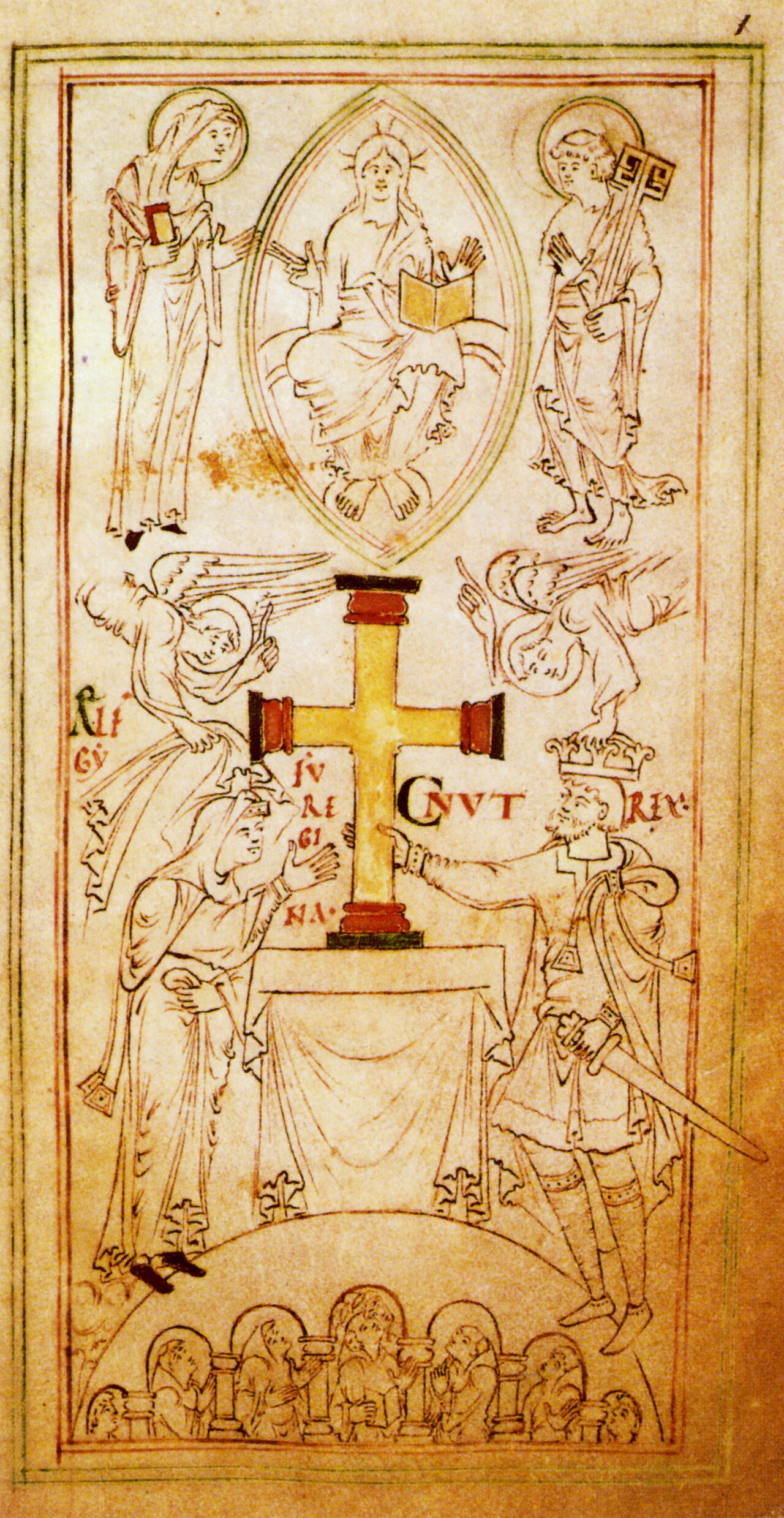 Painting
Primary source
Canute and Ælfgifu
c. 1031
 Document
Primary source
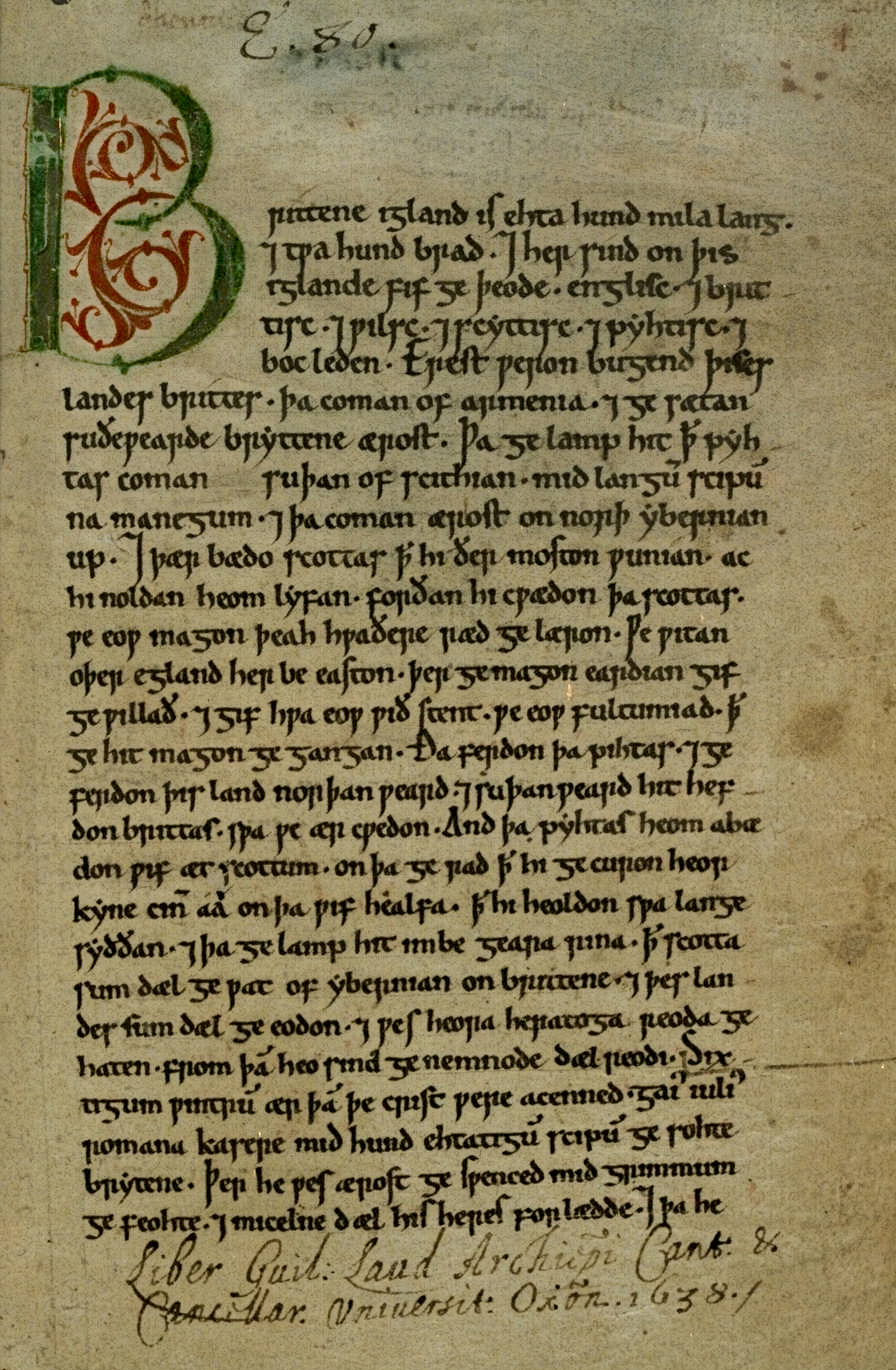
Anglo-Saxon Chronicle
c. 890 (Common Stock)
 Artifact
Primary source
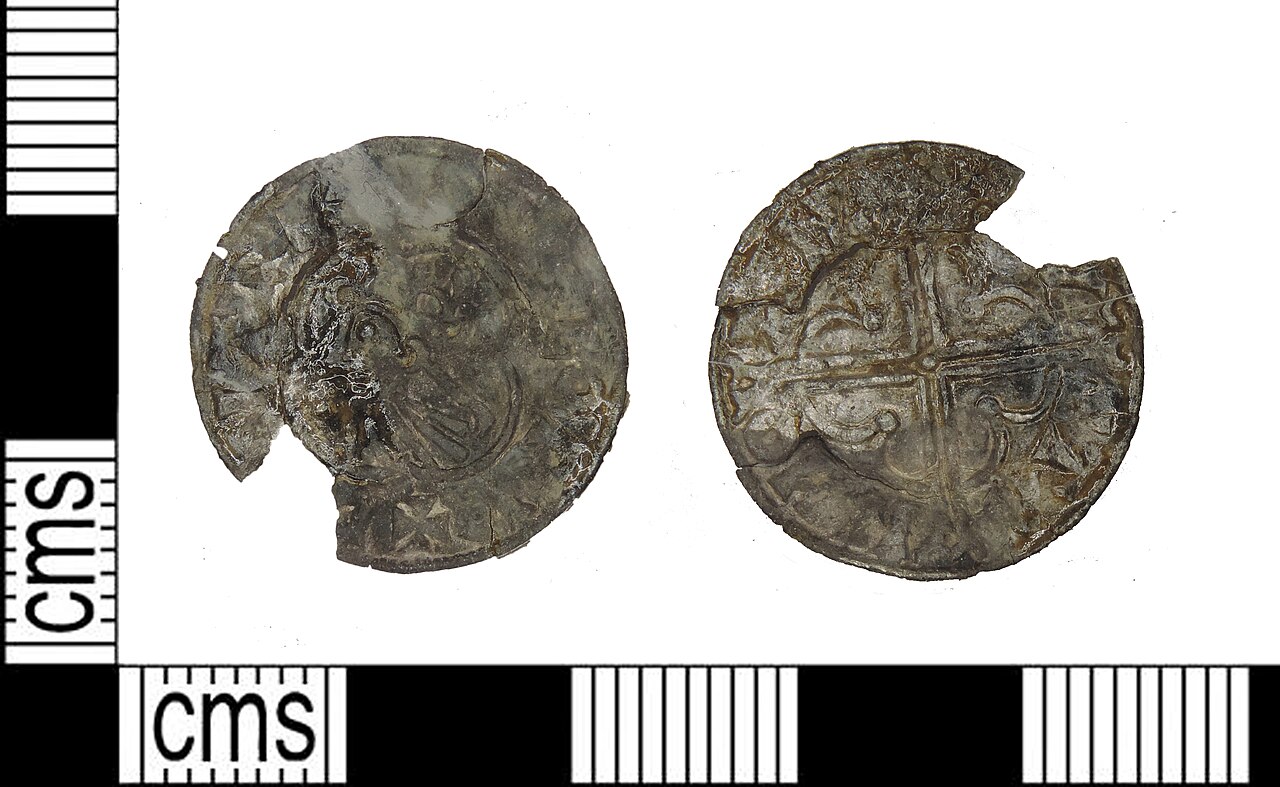
Silver Penny of Cnut (Quatrefoil Type)
English royal moneyers · c. 1017-1023
 Artifact
Primary source
Lenborough Hoard
1020s (found 2014)

Free account
Read every Canute the Great source
Sign up free →
Ready when you are
Start chatting with Canute the Great now.
20 messages free · No credit card · Available in 50+ languages.