


Primary sourceDocument1915
Pour l'Egyptienne
Claude Debussy · 1915
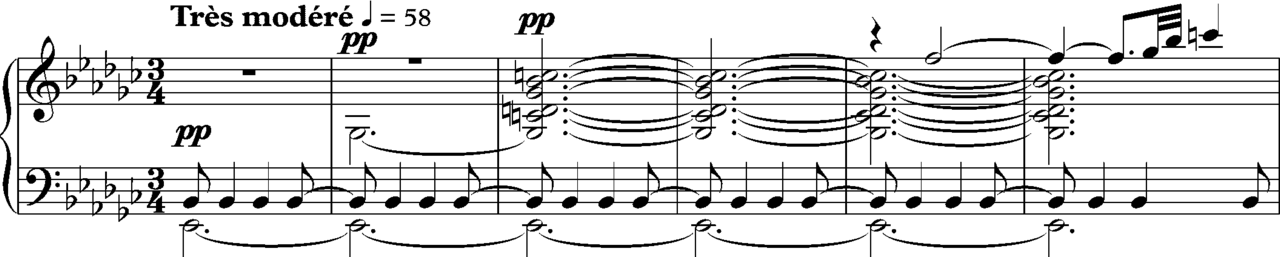
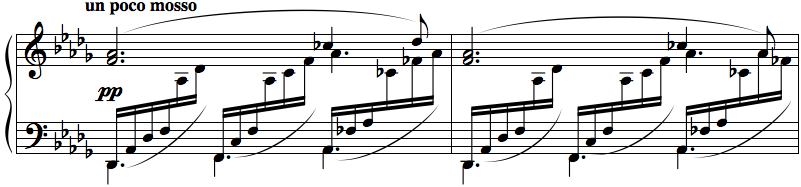
A piano score excerpt of Pour l'Egyptienne, one of the Six épigraphes antiques, in the solo piano version Debussy wrote in 1915. It shows his own notation for the piece.
Shows Debussy as the composer, writing his own piano score of a piece from his Six épigraphes antiques during the war.
About this source
What it is
This is a page of musical score for solo piano from Pour l'Egyptienne, one of the six pieces of the Six épigraphes antiques. The archive lists Claude Debussy as creator and gives the date 1915. The curator describes it as Debussy's wartime piano score of this work.
The score is marked Très modéré, with a quarter note equal to 58, in 3/4 time and with flats in the key signature. The treble staff has rests and chords marked pp (very soft). The bass staff has repeating eighth-note figures with sustained low notes.
Why it matters
Debussy wrote this piano version during the First World War, when many French artists kept working under hard conditions. A score like this shows how a composer turned an idea into exact instructions for a performer: tempo, dynamics and rhythm. Because it is a written score, it can be studied directly, without relying on a later performance.
Look closer
- Which markings tell a pianist to play softly, and how might those choices change the mood?
- How do the repeating bass figures and the sustained low notes work together?
- What does a score leave out that a recording would reveal?
This document is part of the curated material that grounds the AI version of Claude Debussy on Humy.ai — when students ask about related events, the AI can quote it and cite it.
More Claude Debussy sources
Browse all 98 →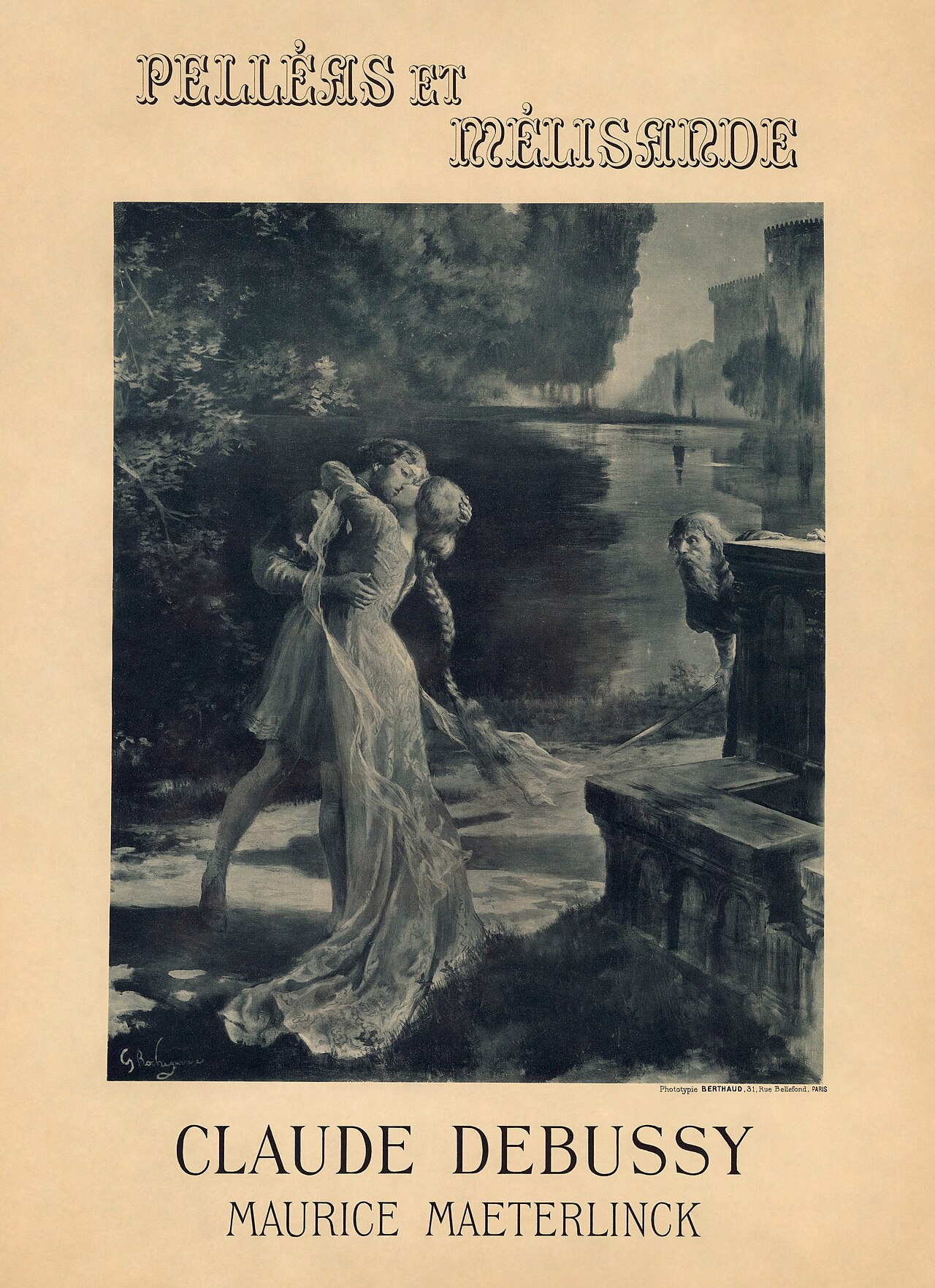 Document
Primary source
Pelléas et Mélisande
Claude Debussy · 1902
 Document
Primary source
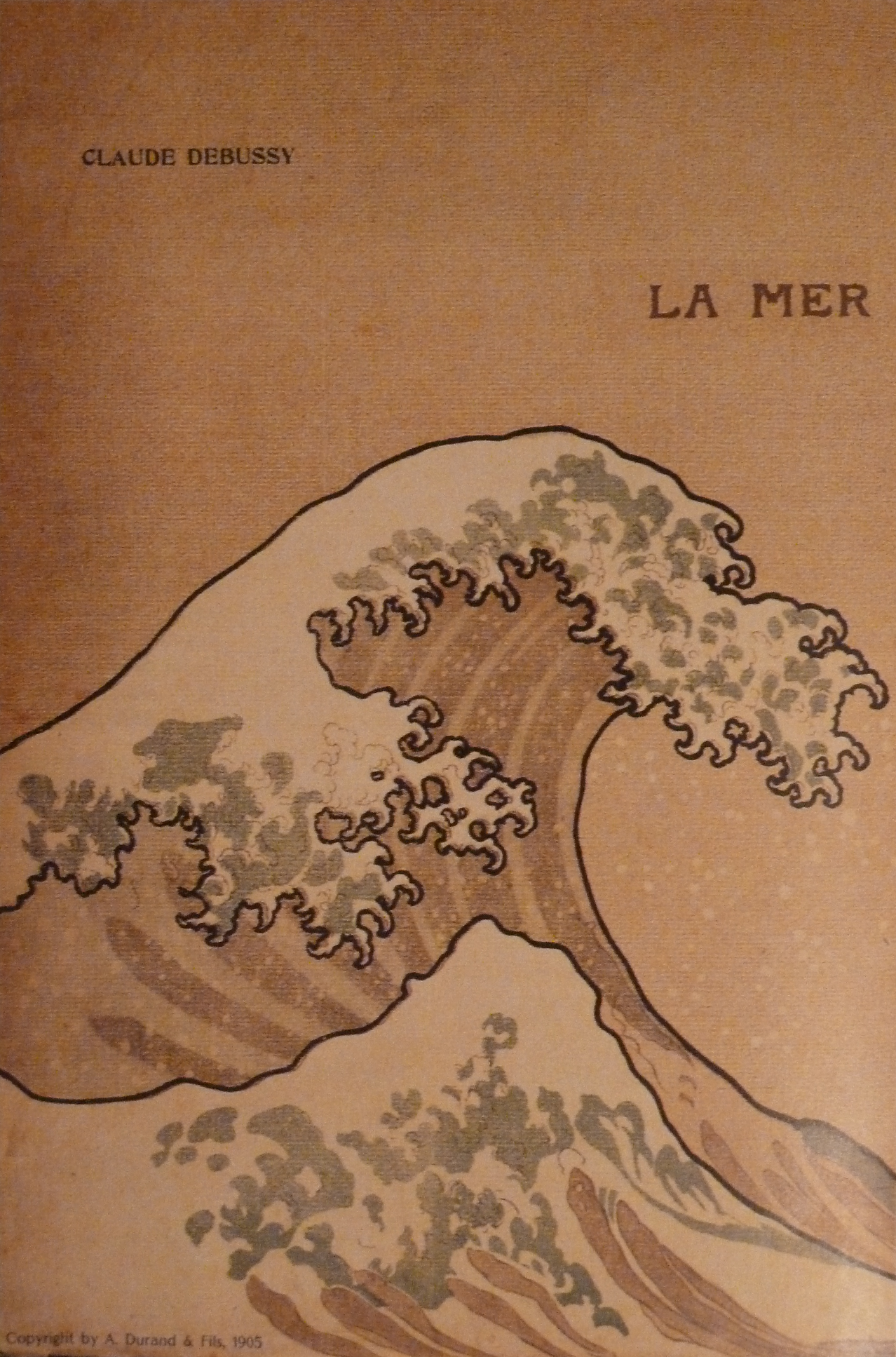
La mer
Claude Debussy · 1905
 Document
Primary source
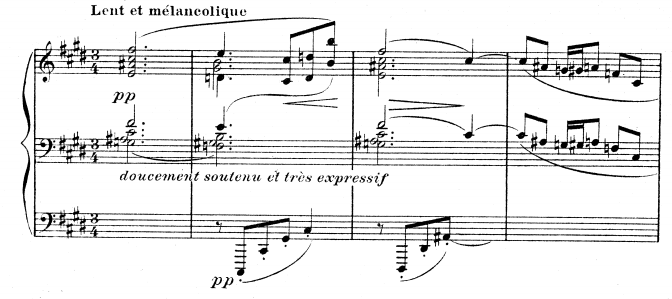
Préludes
Claude Debussy · 1909-1913
 Document
Primary source
Clair de lune
Claude Debussy · c. 1890, revised 1905
Free account
Read every Claude Debussy source
Sign up free →
Ready when you are
Start chatting with Claude Debussy now.
20 messages free · No credit card · Available in 50+ languages.