


Primary sourcePainting1851
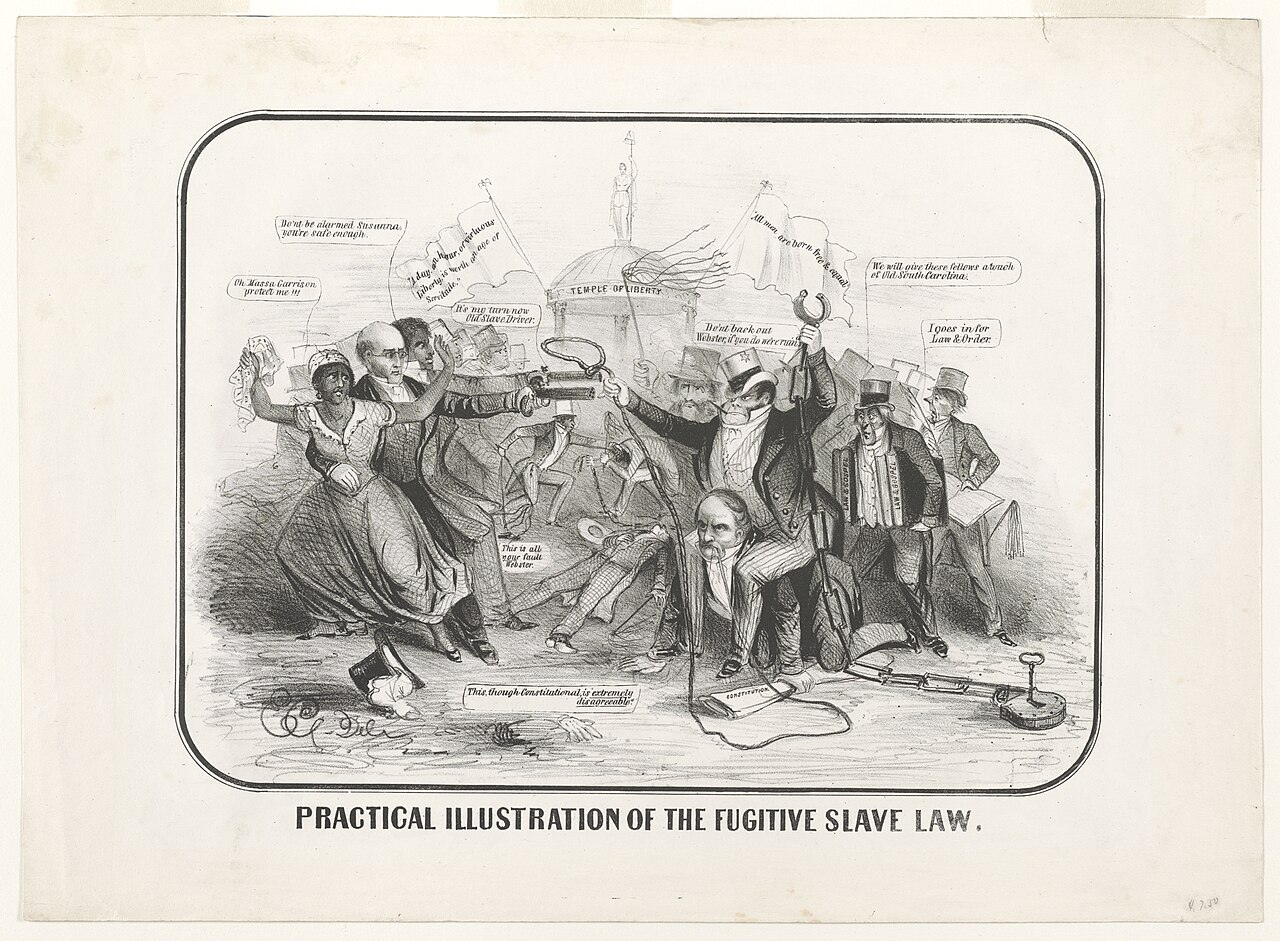
Practical Illustration of the Fugitive Slave Law
Unknown (lithograph) · 1851
An 1851 lithograph cartoon attacking the enforcement of the Fugitive Slave Law under Fillmore's administration.
This cartoon criticizes the enforcement of the Fugitive Slave Law, signed by Fillmore, during his presidency.
About this source
What it is
This 1851 lithograph, held by the Library of Congress, is a political cartoon criticizing the enforcement of the Fugitive Slave Law under President Millard Fillmore's administration. It depicts a chaotic scene involving violence against a Black woman, attacking the government's role in capturing people fleeing slavery, and implicates Fillmore's Secretary of State, Daniel Webster.
Why it matters
Fillmore signed the Fugitive Slave Law as part of the Compromise of 1850, requiring the return of escaped enslaved people even from free states. This cartoon shows the anger of abolitionists toward the law and the administration that enforced it, revealing the deep moral and political conflict over slavery during Fillmore's presidency.
Look closer
- What is the cartoonist trying to make the viewer feel about the law and the people enforcing it?
- Why do you think the artist chose to depict the scene this way?
- What does this print tell us about how ordinary people responded to presidential decisions on slavery?
This painting is part of the curated material that grounds the AI version of Millard Fillmore on Humy.ai — when students ask about related events, the AI can quote it and cite it.
More Millard Fillmore sources
Meet the AI Millard Fillmore →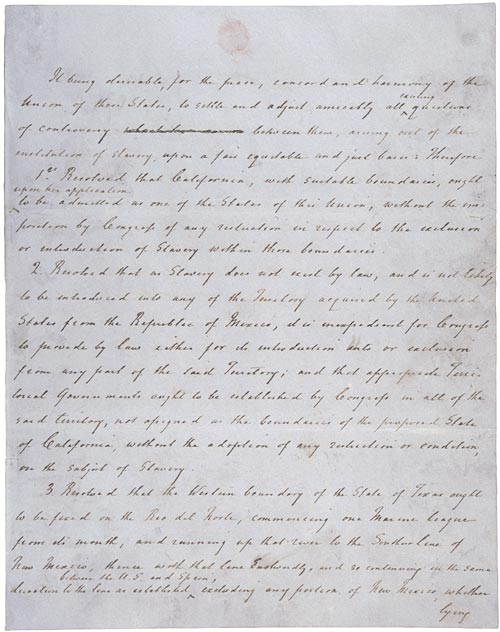 Document
Primary source
Compromise of 1850
Henry Clay · 29 January 1850 (resolutions); statutes enacted September 1850
Primary source
Fugitive Slave Act of 1850
United States Congress · 1850
 Photograph
Primary source
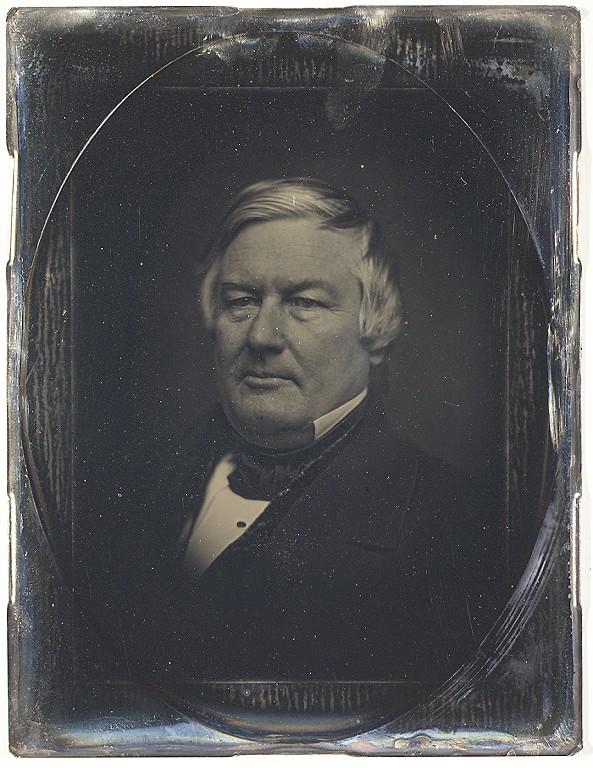
Millard Fillmore
Southworth and Hawes · 1850
Primary source
Millard Fillmore's First Annual Message to Congress
Millard Fillmore · December 2, 1850
Primary source
Millard Fillmore's Second State of the Union Address
Millard Fillmore · December 2, 1851
Ready when you are
Start chatting with Millard Fillmore now.
20 messages free · No credit card · Available in 50+ languages.