


Primary sourceBook1892
Pray You, Sir, Whose Daughter?
Helen H. Gardener · 1892
A novel by Helen H. Gardener with a dedication and introduction reflecting Elizabeth Cady Stanton's views on women's roles.
Stanton wrote the introduction, linking her reform ideas to this work of popular fiction about women's freedom.
About this source
What it is
This is a work of fiction published in 1892 by Helen H. Gardener, with an introduction attributed to Elizabeth Cady Stanton. The surviving text begins with a dedication and an epigraph about love and freedom.
Why it matters
The book connects Stanton's reform ideas to popular fiction of her time, showing how women writers used storytelling to argue for women's rights and freedom from "sex domination." It reveals how Stanton's influence reached beyond speeches and conventions into literature.
Look closer
- Why might Stanton have chosen to write an introduction for someone else's novel?
- What does the dedication to the author's husband suggest about marriage and support in reform circles?
- How does the opening quote about "Love" and "Freedom" set up the novel's themes?
This book is part of the curated material that grounds the AI version of Elizabeth Cady Stanton on Humy.ai — when students ask about related events, the AI can quote it and cite it.
More Elizabeth Cady Stanton sources
Meet the AI Elizabeth Cady Stanton →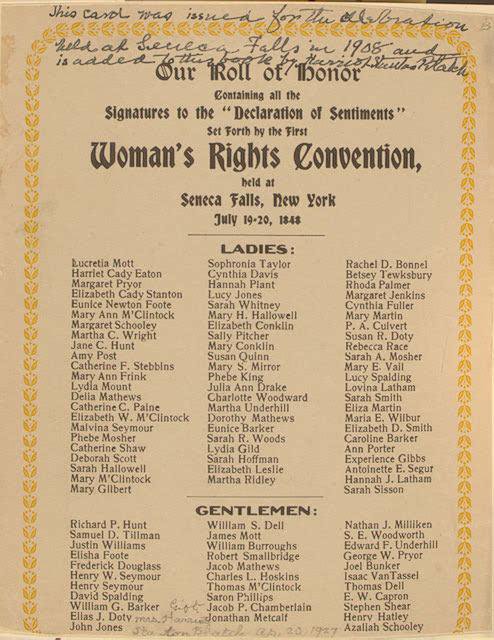 Document
Primary source
Declaration of Sentiments
Elizabeth Cady Stanton · 1848
Primary source
Solitude of Self
Elizabeth Cady Stanton · 1892
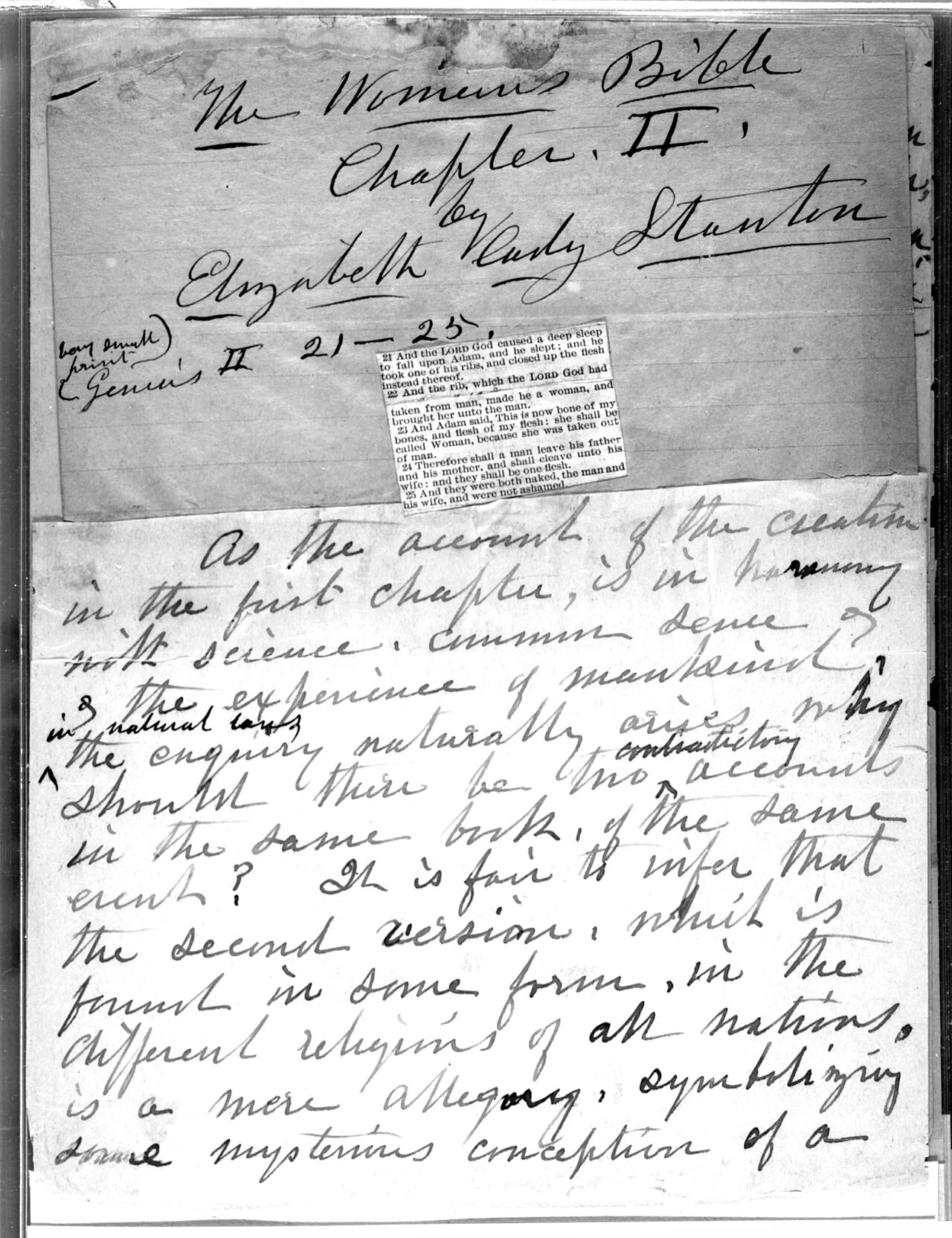 Book
Primary source
The Woman's Bible
Elizabeth Cady Stanton · 1895–1898
 Book
Secondary source
History of Woman Suffrage
Elizabeth Cady Stanton · 1881-1922
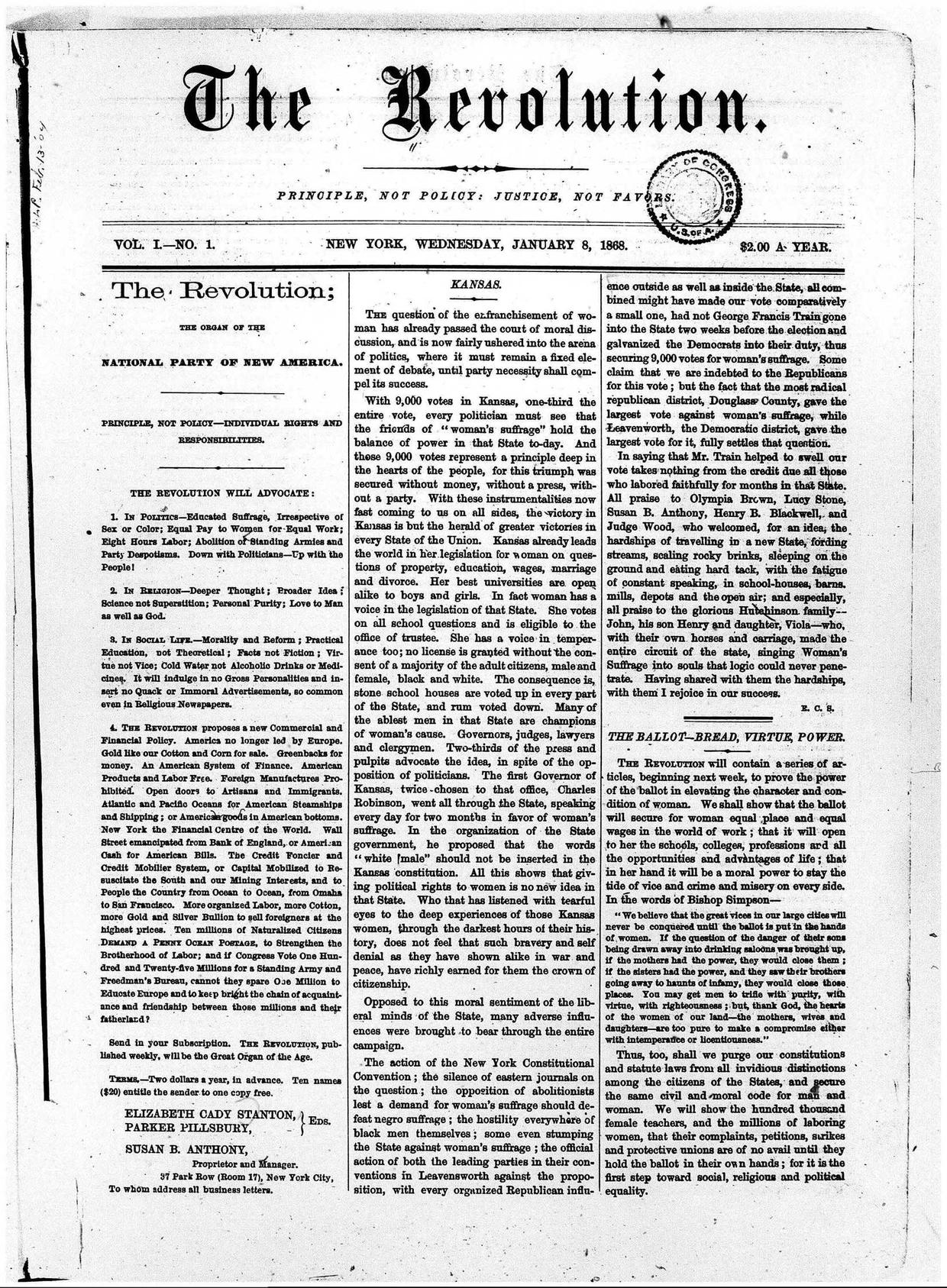 Newspaper article
Primary source
The Revolution
Elizabeth Cady Stanton · 1868
Ready when you are
Start chatting with Elizabeth Cady Stanton now.
20 messages free · No credit card · Available in 50+ languages.