


Primary sourcePainting1911
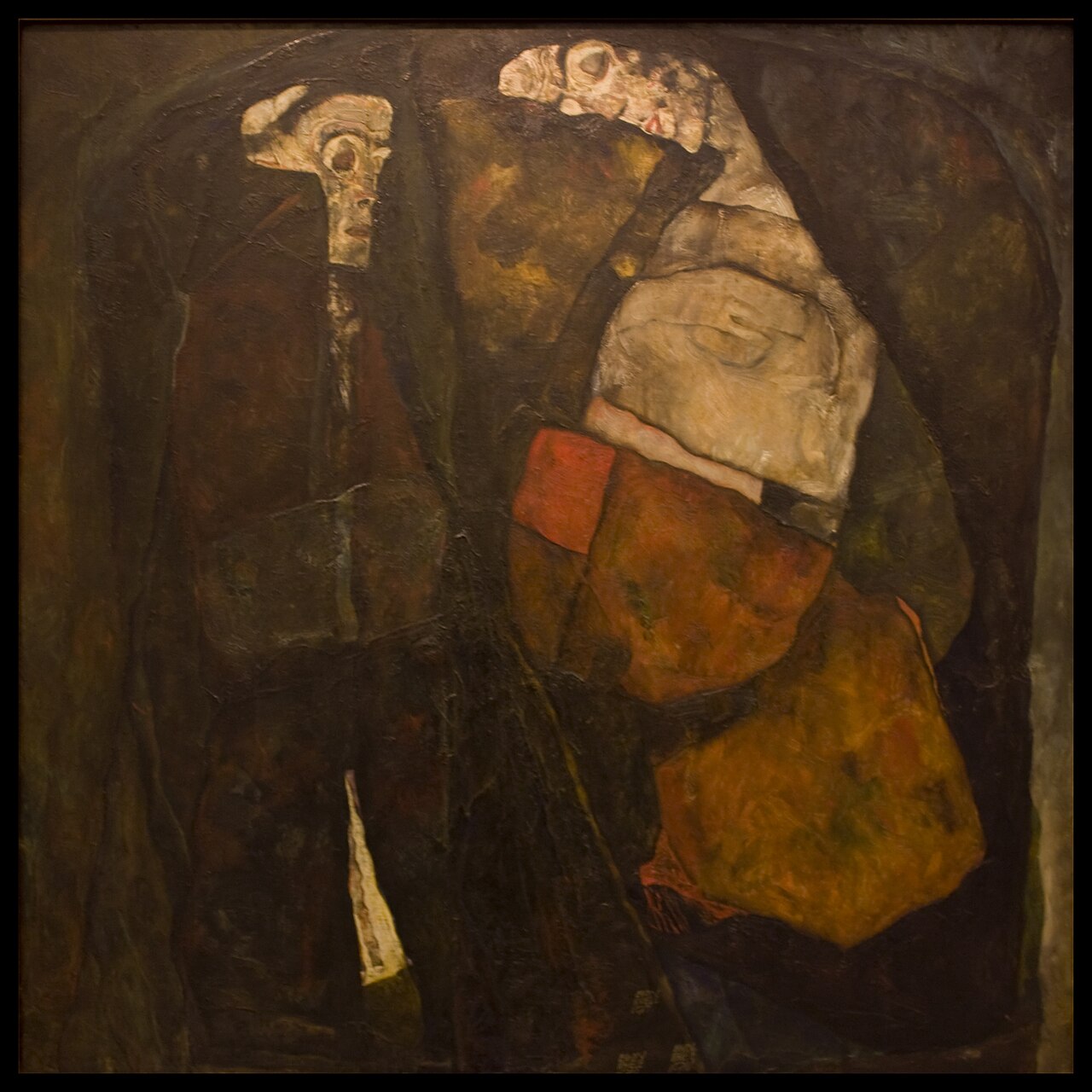
Pregnant Woman and Death (Mother and Death)
Egon Schiele · 1911
A 1911 painting by Egon Schiele contrasting a pregnant woman with a skeletal figure of death.
Painted by Schiele, this allegory shows his recurring fusion of birth and death themes in 1911.
About this source
What it is
This 1911 painting by Egon Schiele is held by the National Gallery Prague, at the Trade Fair Palace. It shows a pale, skeletal figure of death on one side and a pregnant woman bending toward it on the other.
Why it matters
The painting is typical of Schiele's 1911 work, which often fused the themes of birth and death in a single image. By placing these opposing figures side by side, Schiele explored the fragility of life, a recurring preoccupation in his art during this period.
Look closer
- What feelings are created by placing these two figures so close together?
- What colours and shapes has Schiele used to separate or connect the two figures?
- Why might an artist choose allegory, rather than a realistic scene, to explore themes of birth and death?
This painting is part of the curated material that grounds the AI version of Egon Schiele on Humy.ai — when students ask about related events, the AI can quote it and cite it.
More Egon Schiele sources
Browse all 92 →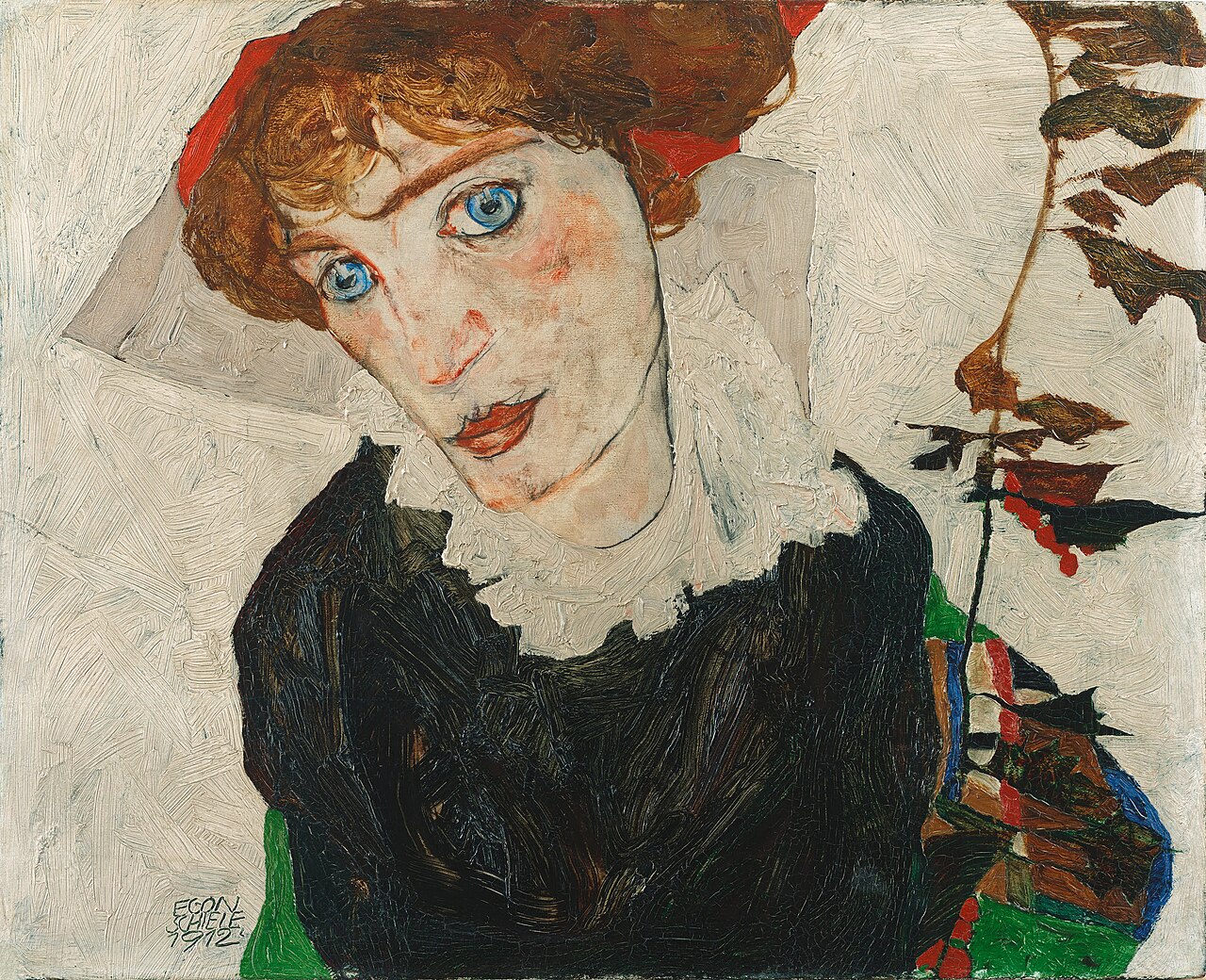 Painting
Primary source
Portrait of Wally
Egon Schiele · 1912
 Painting
Primary source
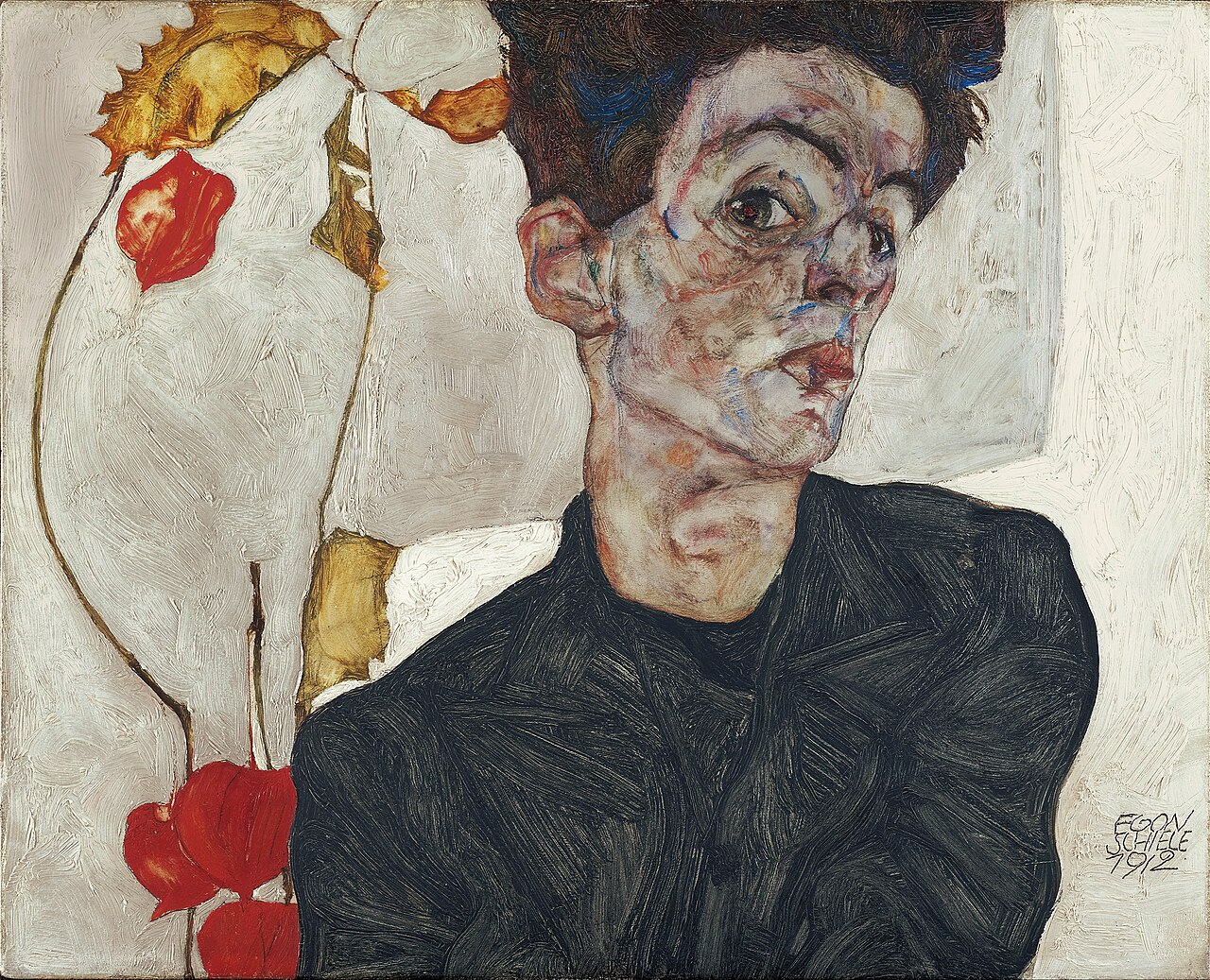
Self-Portrait with Physalis
Egon Schiele · 1912
 Painting
Primary source
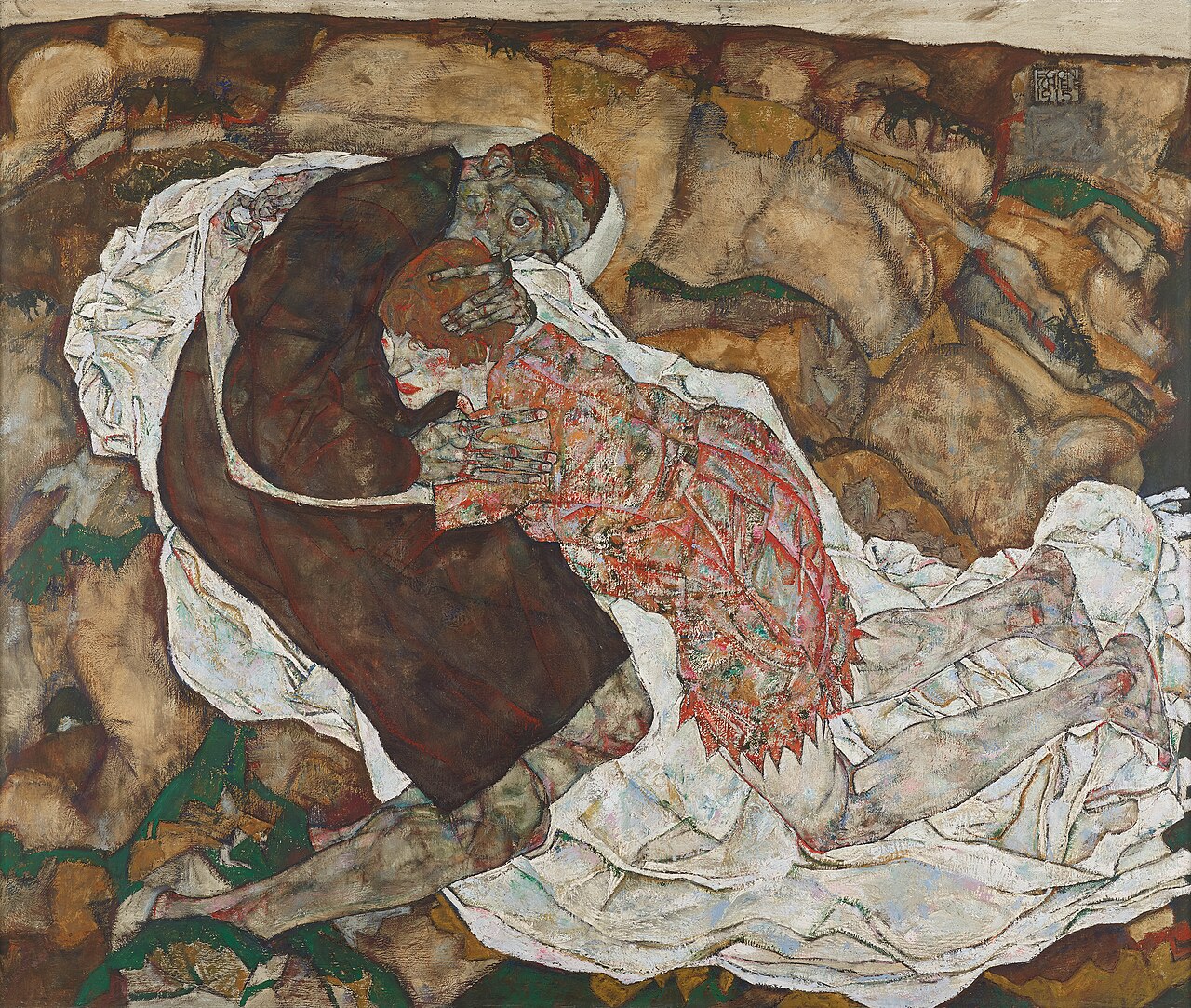
Death and the Maiden
Egon Schiele · 1915
 Painting
Primary source
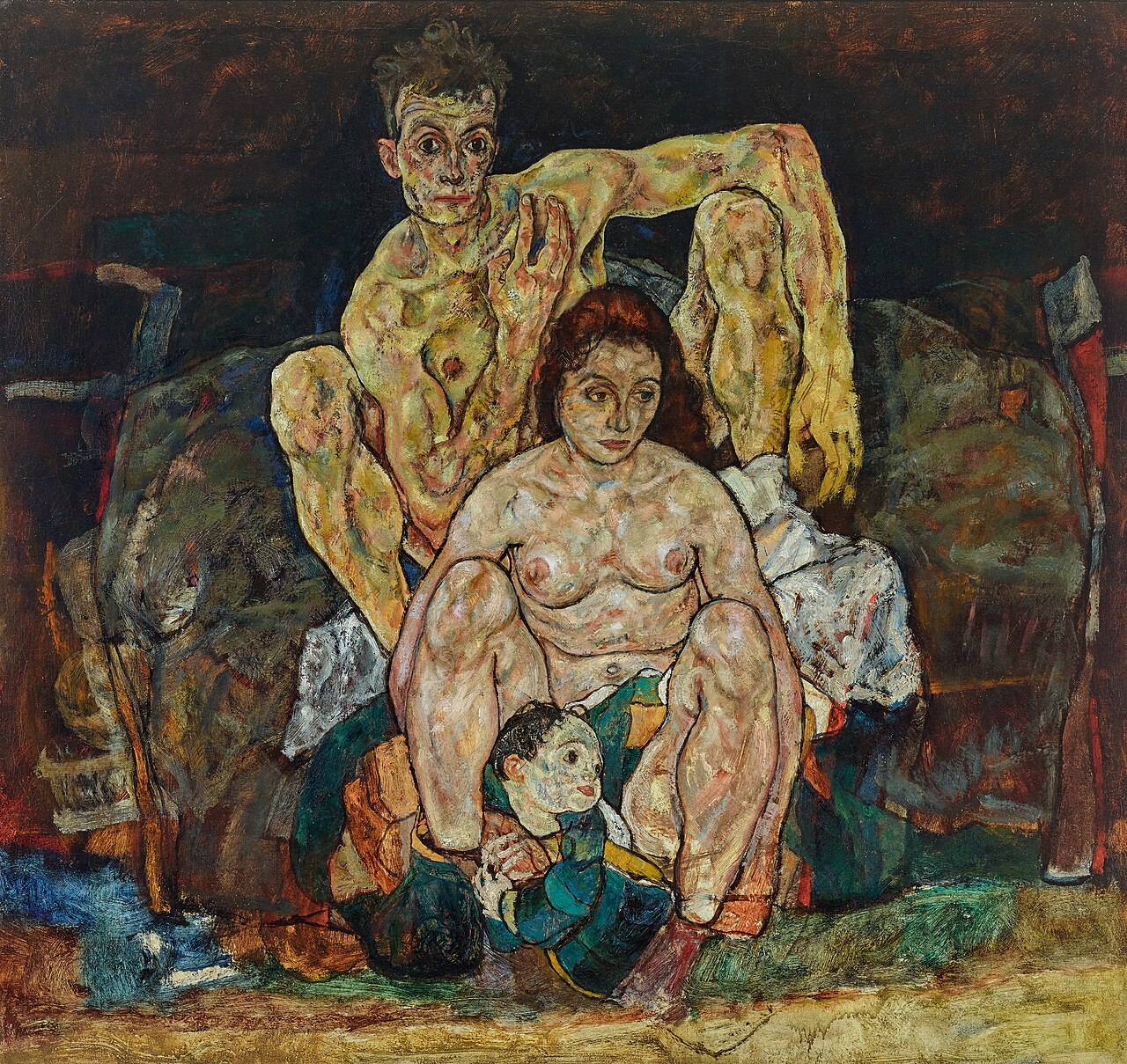
The Family
Egon Schiele · 1918
Free account
Read every Egon Schiele source
Sign up free →
Ready when you are
Start chatting with Egon Schiele now.
20 messages free · No credit card · Available in 50+ languages.