


Primary sourceBook1909
Press Cuttings
George Bernard Shaw · 1909
A satirical play by George Bernard Shaw, dated 1909, set at the War Office on 1 April 1911 and opening with a suffragette protest.
Shaw wrote this satire of the military and politics, which shows his sharp view of the official response to suffrage protest.
Free Humy account · No credit card · 118,535 sources to read
About this source
What it is
This is a satirical play by George Bernard Shaw, dated 1909. Its opening stage directions set the action on the forenoon of 1 April 1911 in the War Office, where General Mitchener is opening letters at his writing table. A voice outside shouts Votes for Women, and the general reaches for a revolver in alarm. An orderly then reports that another woman has chained herself. The text is a transcription held on Wikisource, so it is a modern copy of the printed play, not the author's manuscript.
Why it matters
The curator's note describes the play as satire of British politics and the military. Shaw sets the play in a government office and uses the women's suffrage campaign as the cause of the disturbance. The general's fear and the orderly's dismissive tone show how officials could respond to protest, and the play invites readers to question that response.
Look closer
- How does the general react to the first voice outside, and what does his reaction suggest about him?
- How does the orderly describe the protesters, and what might his words reveal about attitudes in the office?
- Whose side is the play encouraging the audience to take, and what viewpoints does it leave out?
This book is part of the curated material that grounds the AI version of George Bernard Shaw on Humy.ai — when students ask about related events, the AI can quote it and cite it.
More George Bernard Shaw sources
Browse all 94 →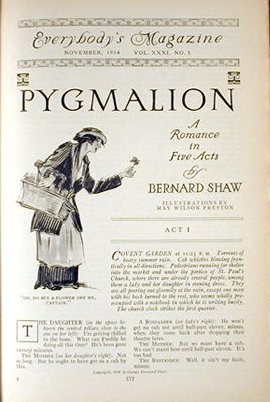 Book
Primary source
Pygmalion
George Bernard Shaw · 1912
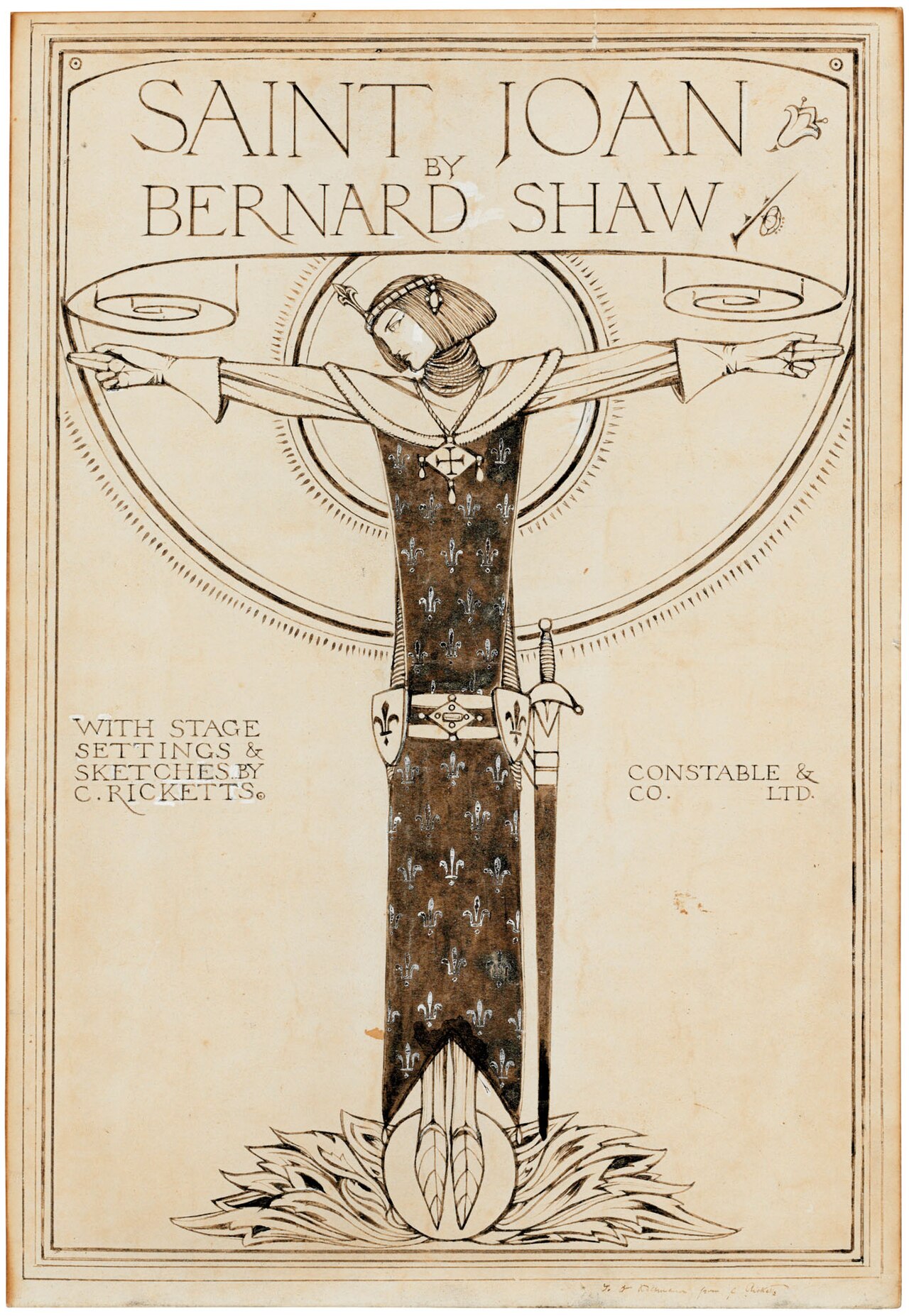 Book
Secondary source
Saint Joan
George Bernard Shaw · 1923
Primary source
Man and Superman
George Bernard Shaw · 1903
Primary source
Major Barbara
George Bernard Shaw · 1905
Free account
Read every George Bernard Shaw source
Sign up free →
Ready when you are
Start chatting with George Bernard Shaw now.
20 messages free · No credit card · Available in 50+ languages.