


Secondary sourcePainting17th century
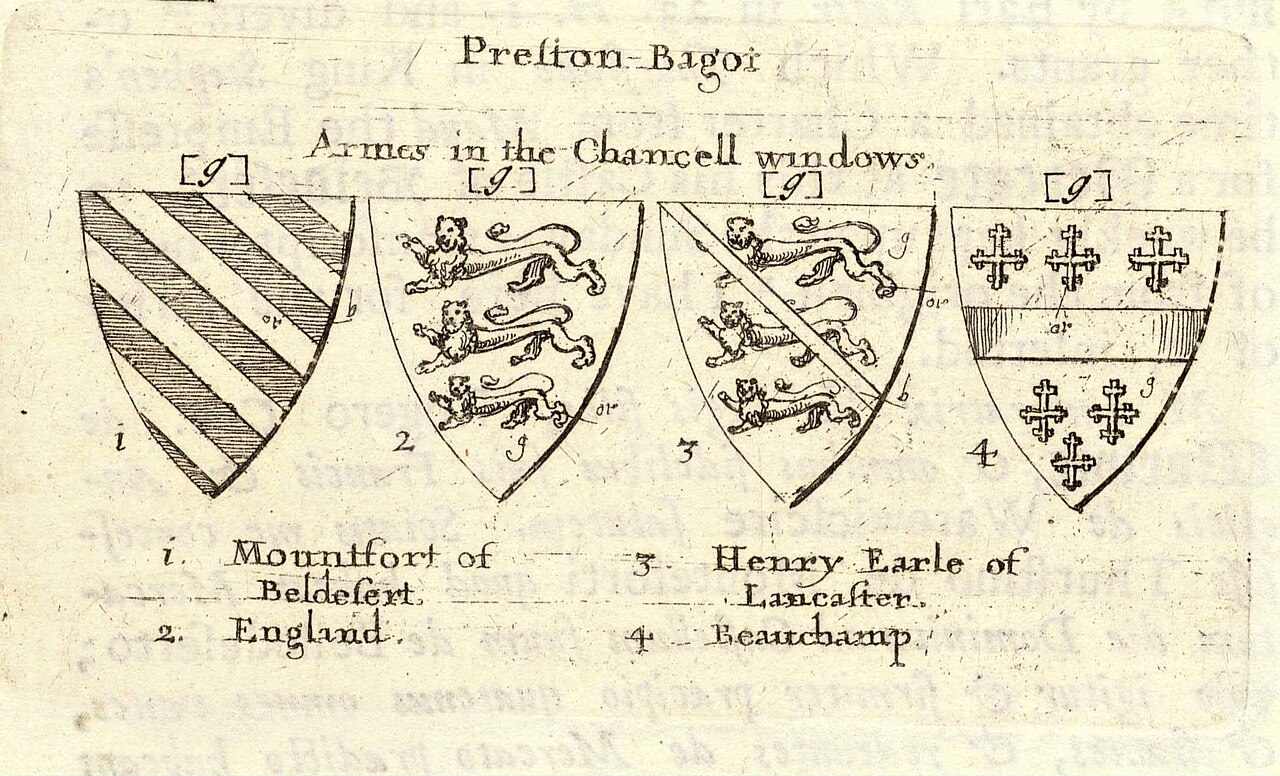
Preston Bagot heraldic glass drawing by Wenceslas Hollar
Wenceslas Hollar · 17th century
An engraved plate by Wenceslas Hollar showing four coats of arms from 13th-century stained glass once in a Warwickshire church. The royal arms shown are those borne by Henry III.
Shows the royal arms that Henry III bore, as they were displayed in 13th-century church glass recorded by a later artist.
About this source
What it is
This is an engraved plate titled Preston Bagot, made by Wenceslas Hollar (1607-1677) in the 17th century. It records heraldic stained glass from the 13th century that was formerly in the chancel of All Saints' Church, Preston Bagot, Warwickshire. The four shields are numbered: 1 Mountfort of Beaudesert, 2 England with three lions passant, 3 Henry Earl of Lancaster, and 4 Beauchamp.
Why it matters
Stained glass with coats of arms showed which families held power and gave to churches. The first shield belongs to Peter de Montfort, a soldier and diplomat of Henry III's reign who is recorded as presiding over Parliament as a prolocutor, an early form of the Speaker. The royal arms beside his were borne by Henry III and by his successors Edward I and Edward II. Hollar drew the glass long after it was made, so the plate is a record of an older window, not a view of the glass itself.
Look closer
- Why might the royal arms appear in a window next to the arms of local nobles?
- Hollar drew this in the 17th century, long after the glass was made. What might he have changed, missed or simplified?
- Which families are not shown here, and what does that suggest about who was chosen to be recorded?
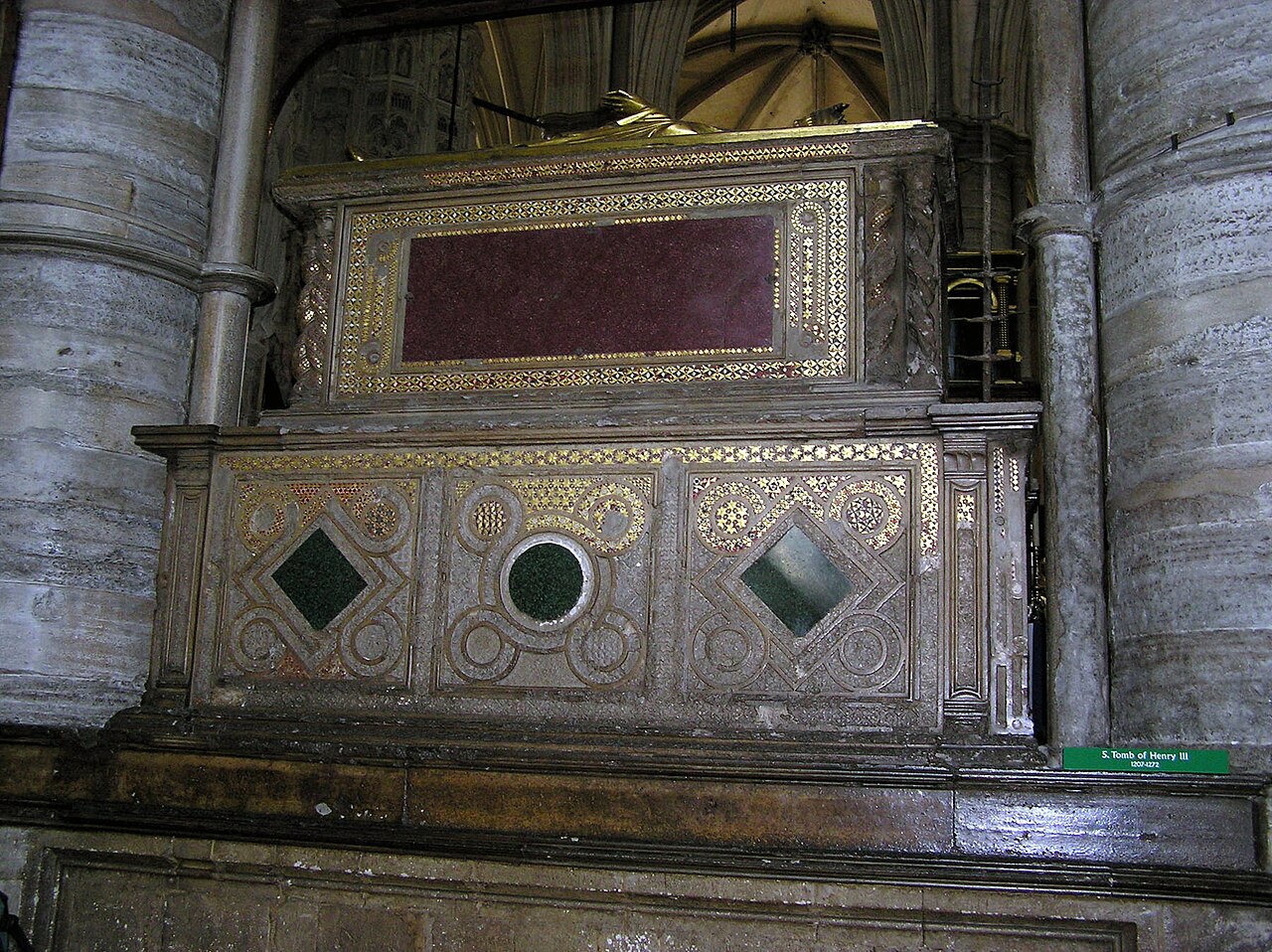
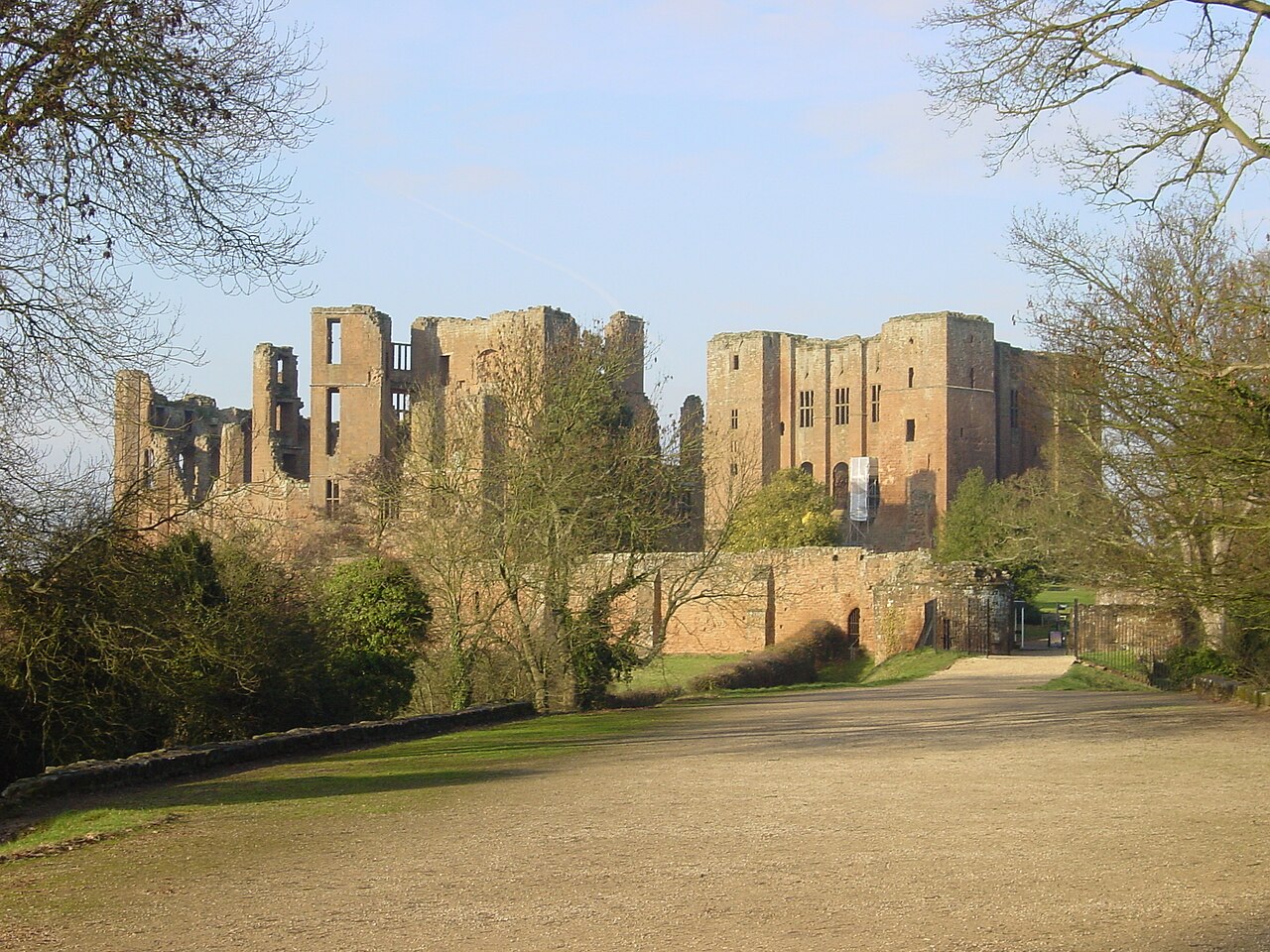
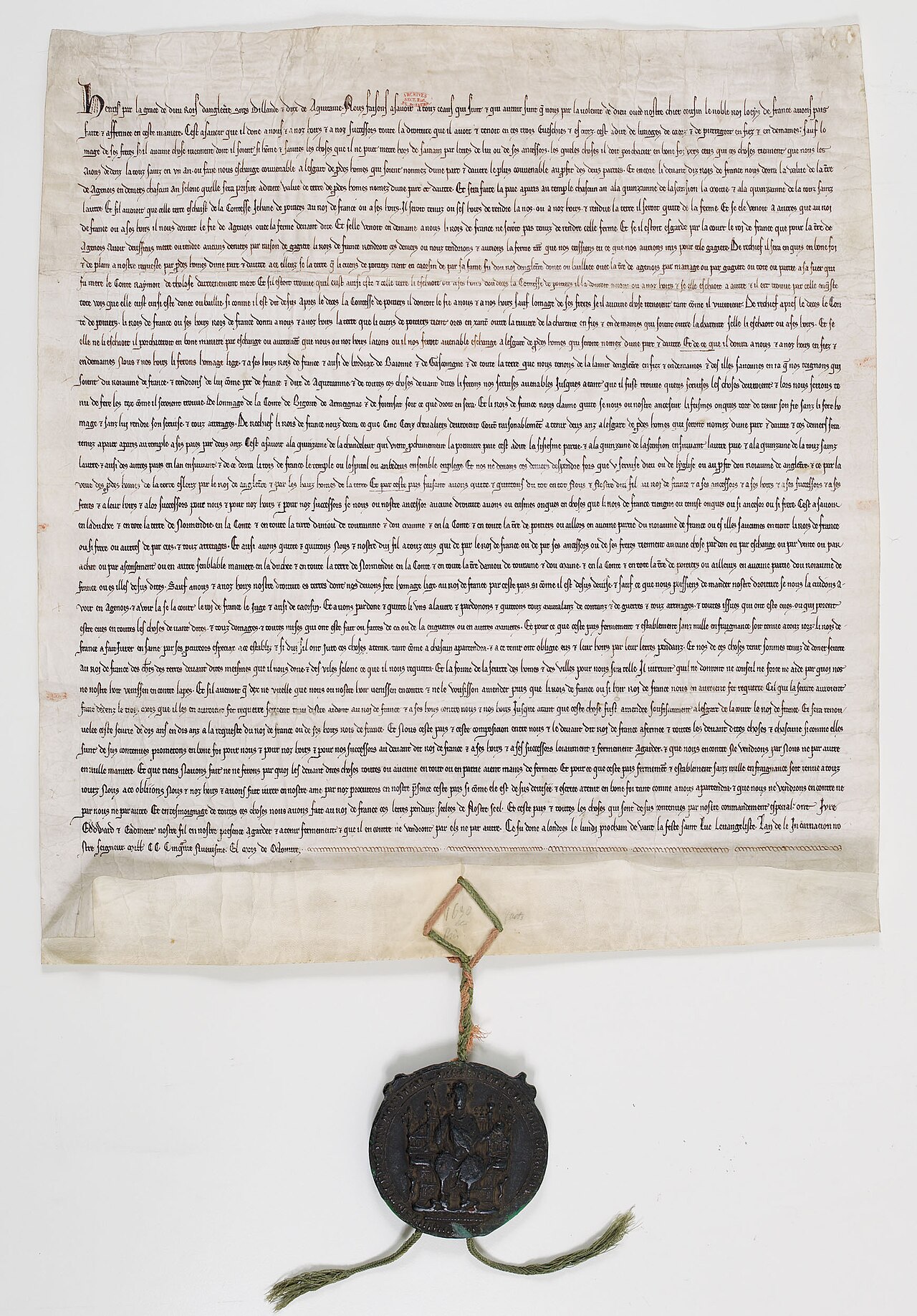
This painting is part of the curated material that grounds the AI version of Henry III on Humy.ai — when students ask about related events, the AI can quote it and cite it.
More Henry III sources
Browse all 96 →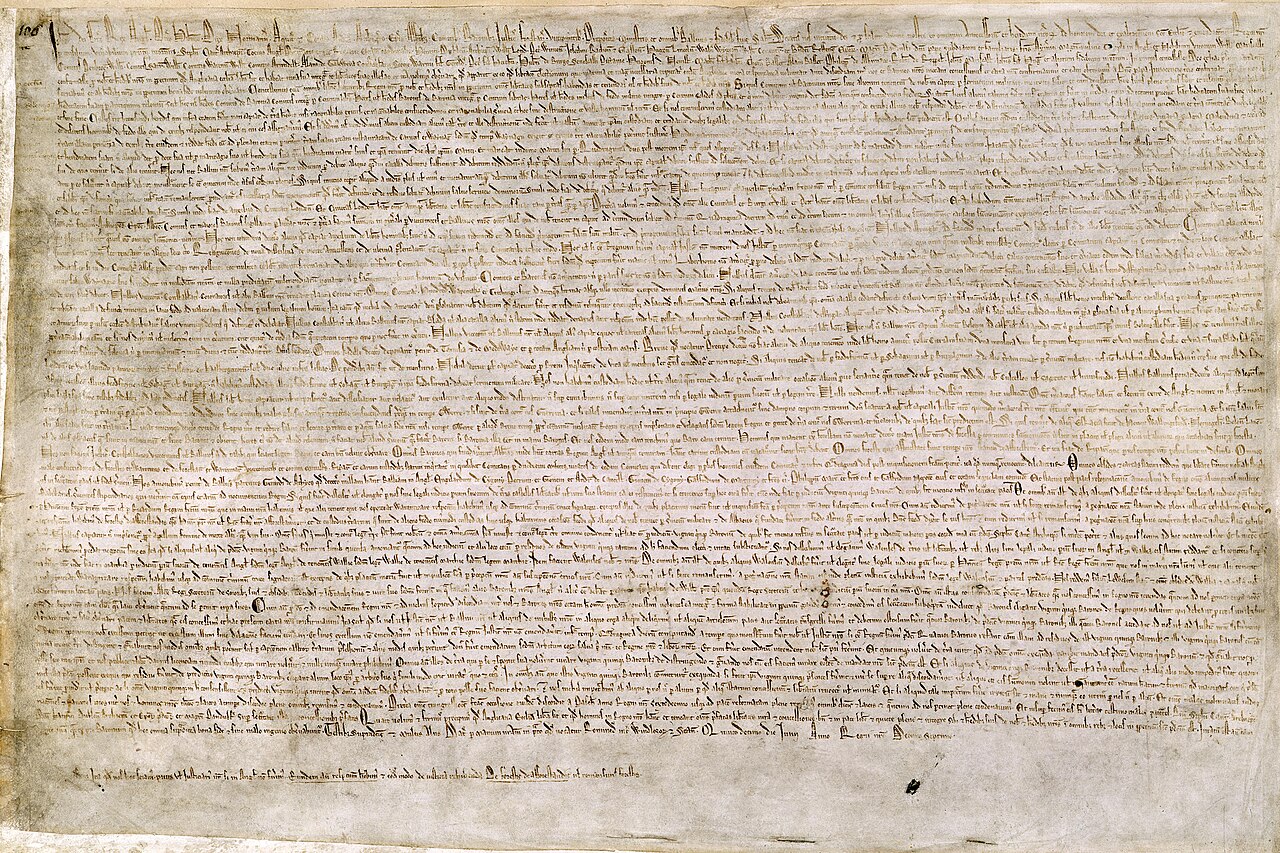 Document
Primary source
Magna Carta
1215; reissued 1216 and 1225
 Document
Primary source
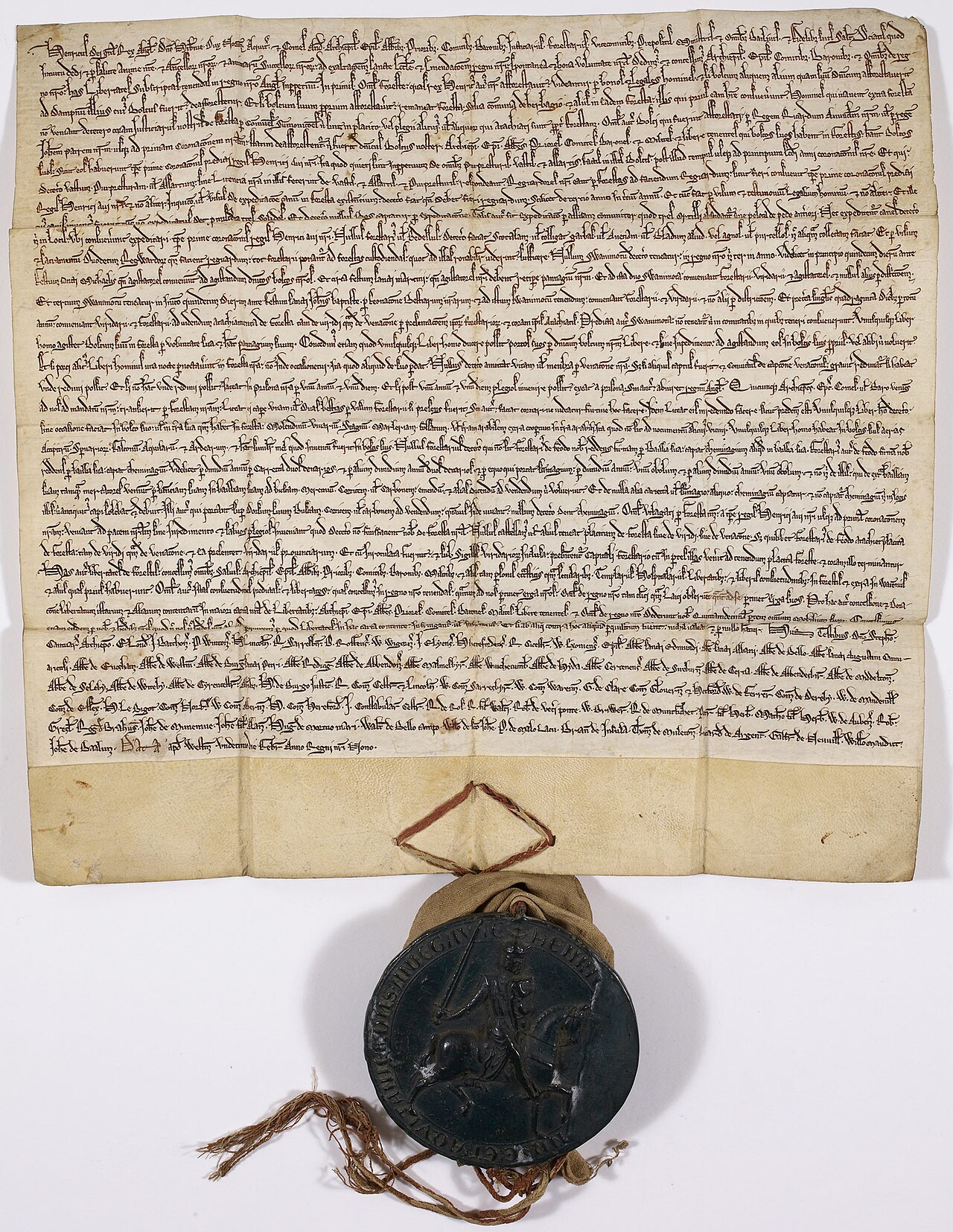
Charter of the Forest
1217
 Book
Primary source
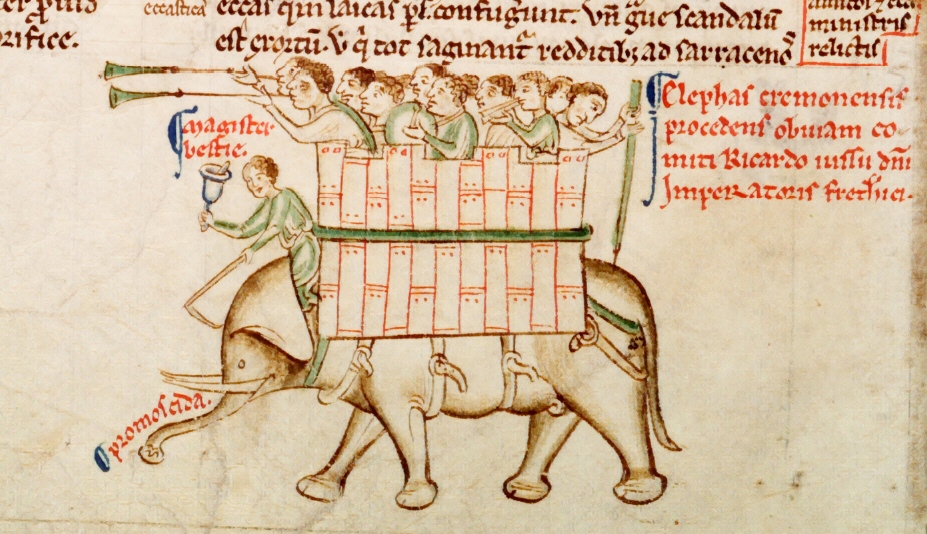
Chronica Majora
Matthew Paris · 13th century, to 1259
 Artifact
Primary source
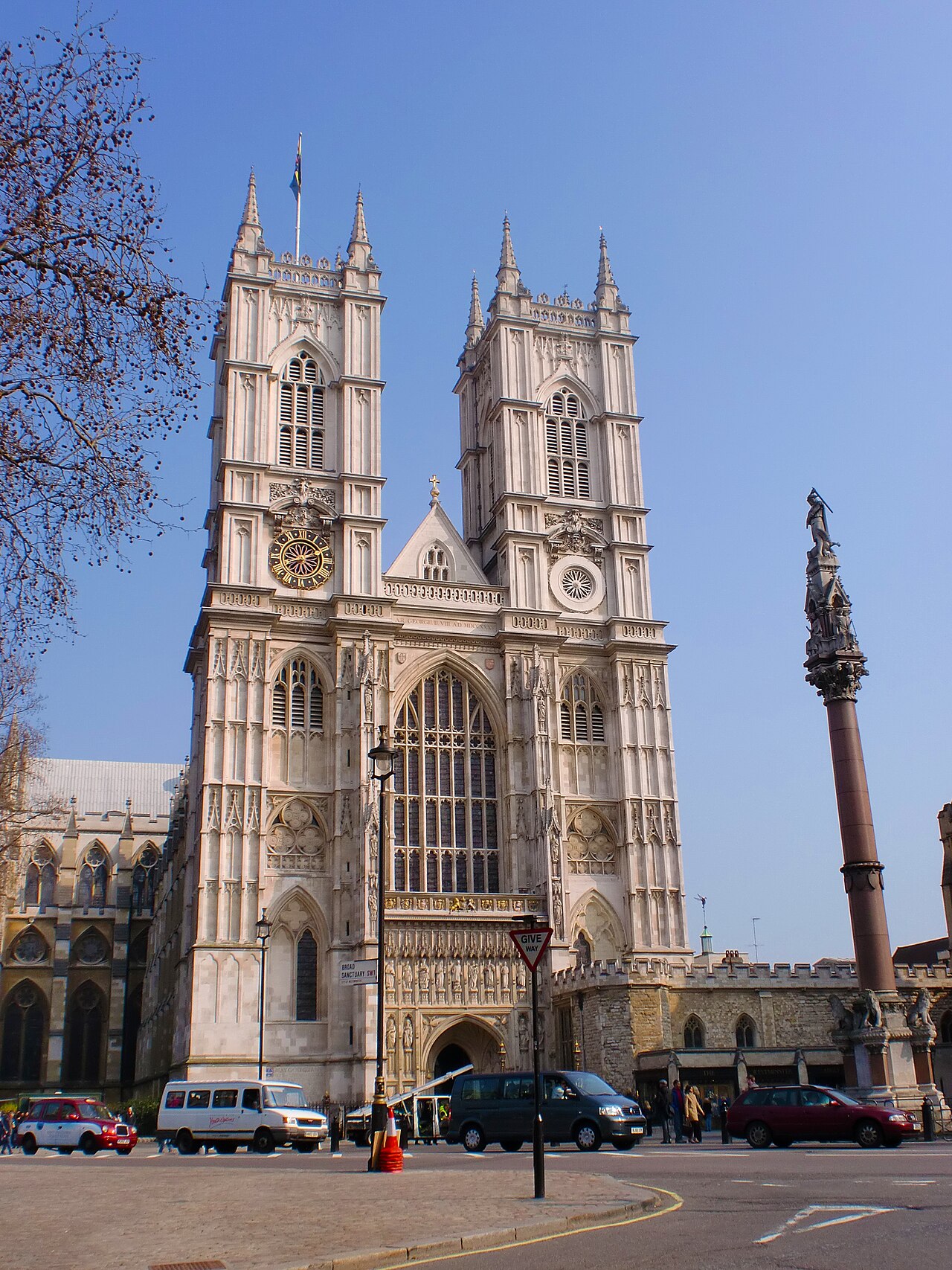
Westminster Abbey
rebuilding begun 1245
Free account
Read every Henry III source
Sign up free →
Ready when you are
Start chatting with Henry III now.
20 messages free · No credit card · Available in 50+ languages.