


Primary sourceDocumentc. 330 BC
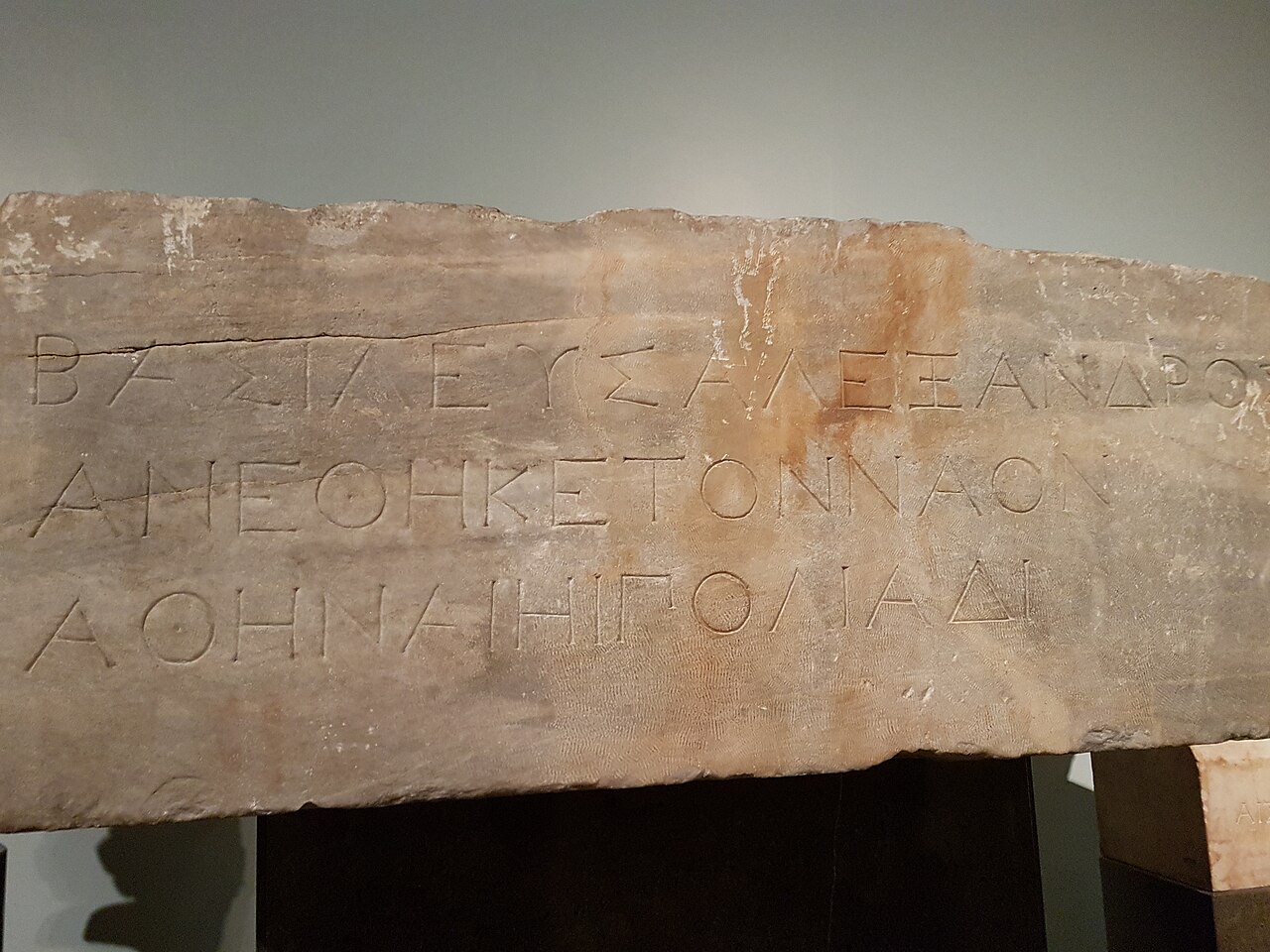
Priene Inscription
Alexander the Great · c. 330 BC
A marble wall block recording Alexander's own dedication of a temple to Athena Polias in the city of Priene.
This inscription records Alexander's own dedication of a temple, showing his patronage of Greek sanctuaries he conquered.
About this source
What it is
This marble wall block, inscribed in ancient Greek on both sides, records that King Alexander dedicated the temple of Athena Polias at Priene, in modern Turkey. It dates to around 330 BC and was found at the temple site in the 1860s by the architect Richard Pullan. It is now held in the British Museum.
Why it matters
After crossing into Asia and defeating the Persians at the Granicus, Alexander toured the Ionian coast, expelling Persian garrisons and supporting Greek cities. This inscription shows him acting not just as a conqueror but as a patron of Greek religious life, funding the completion of a major temple and resolving local land disputes.
Look closer
- Why would Alexander want his name permanently carved onto a temple wall?
- What does this tell us about how he tried to win support from Greek cities in Asia?
- What is missing from this short inscription about the wider context of his campaign?
This document is part of the curated material that grounds the AI version of Alexander the Great on Humy.ai — when students ask about related events, the AI can quote it and cite it.
More Alexander the Great sources
Meet the AI Alexander the Great →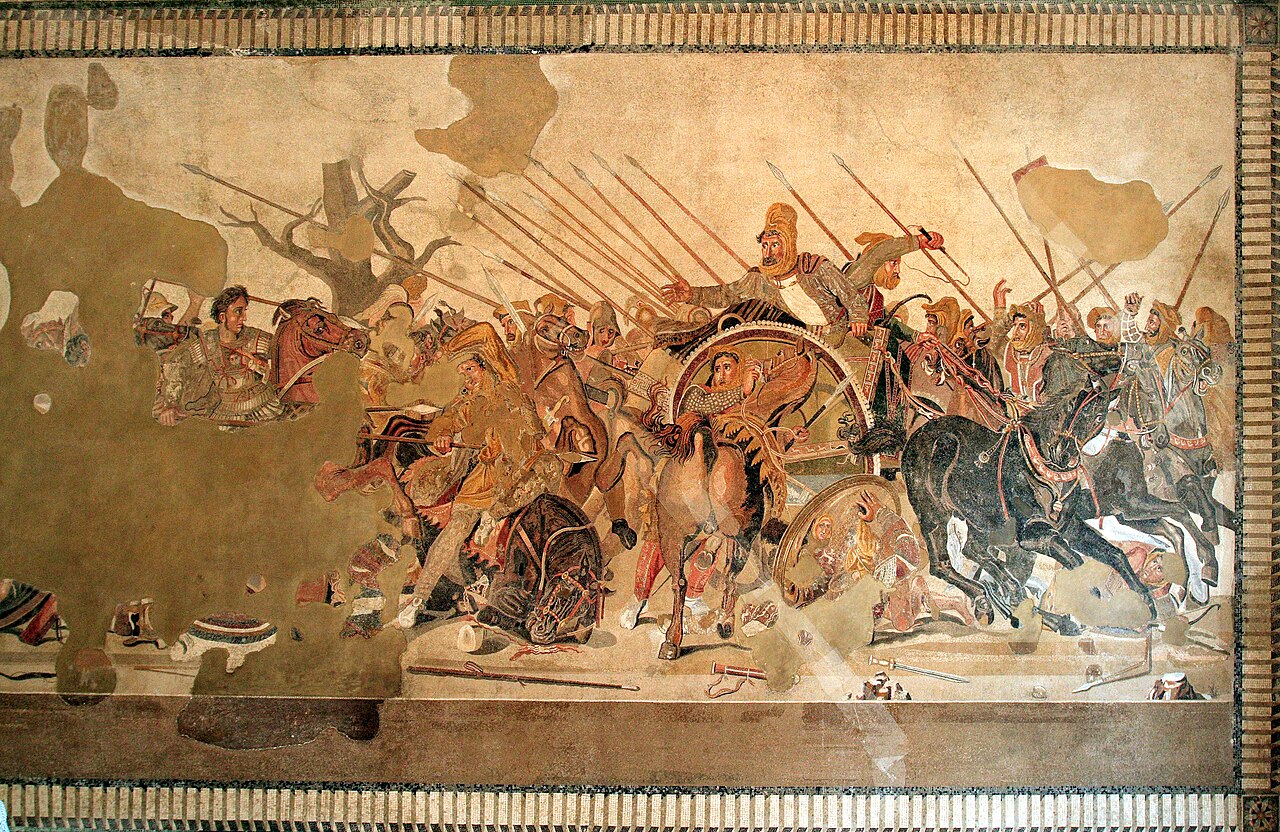 Artifact
Secondary source
Alexander Mosaic
Philoxenus of Eretria · c. 120-100 BCE (copy of an earlier Hellenistic painting)
 Painting
Secondary source
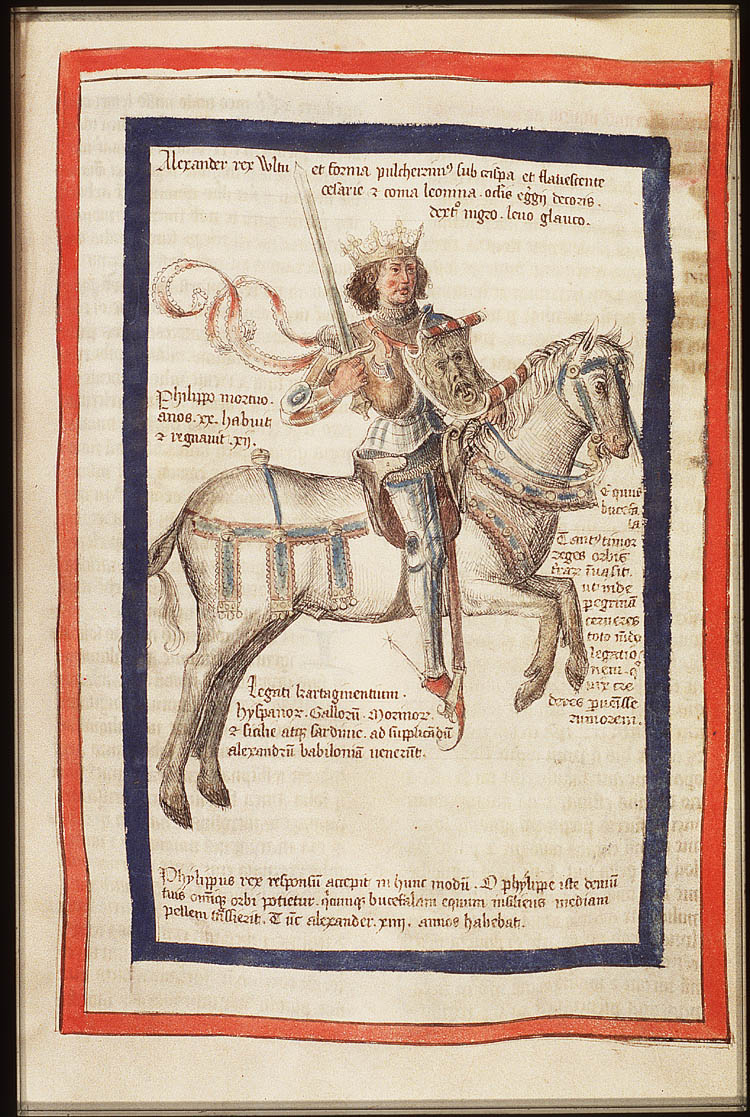
Alexander the Great riding Bucephalus
1460
 Artifact
Primary source
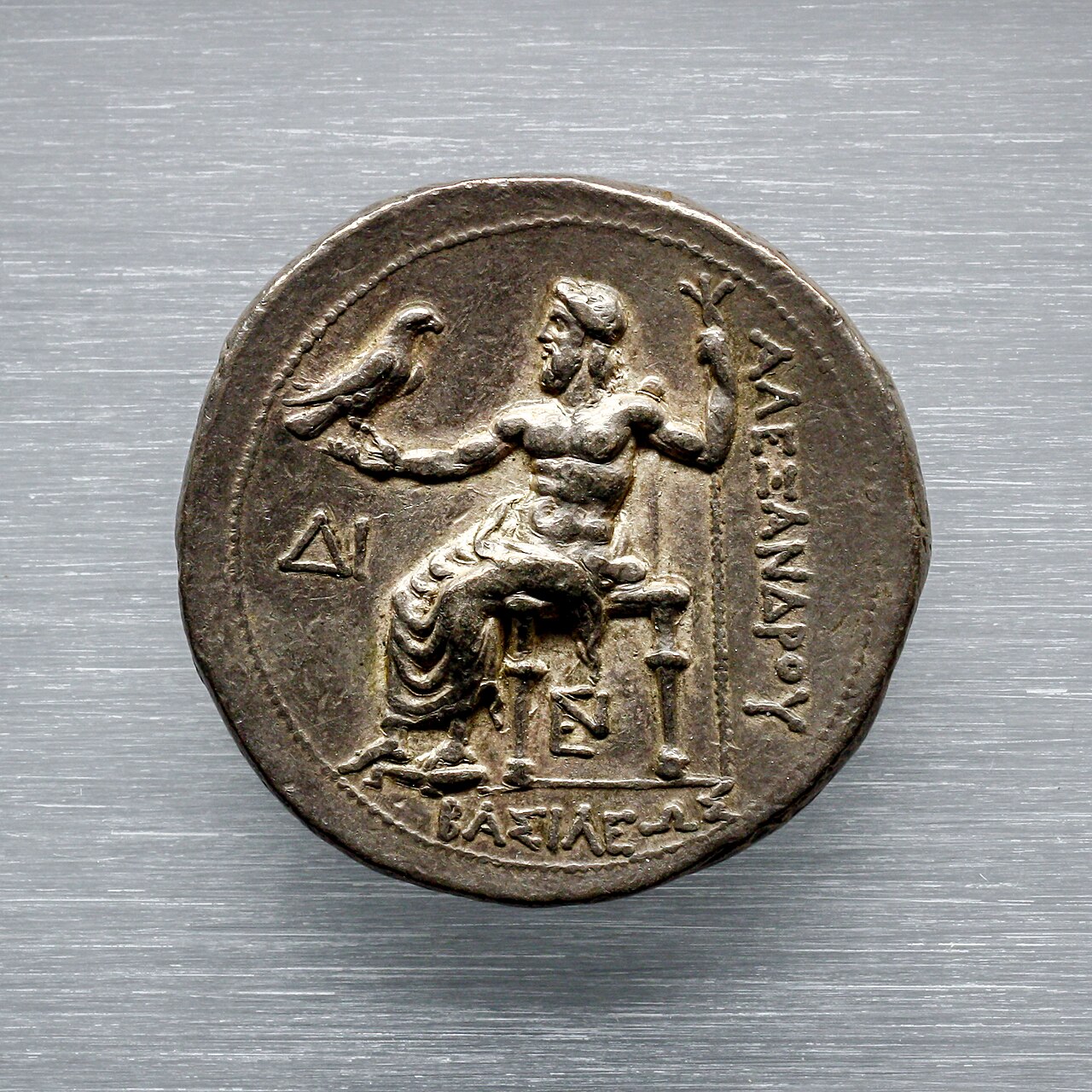
Silver Tetradrachm of Alexander the Great
Royal mints of Alexander III · c. 336-323 BCE
 Painting
Secondary source
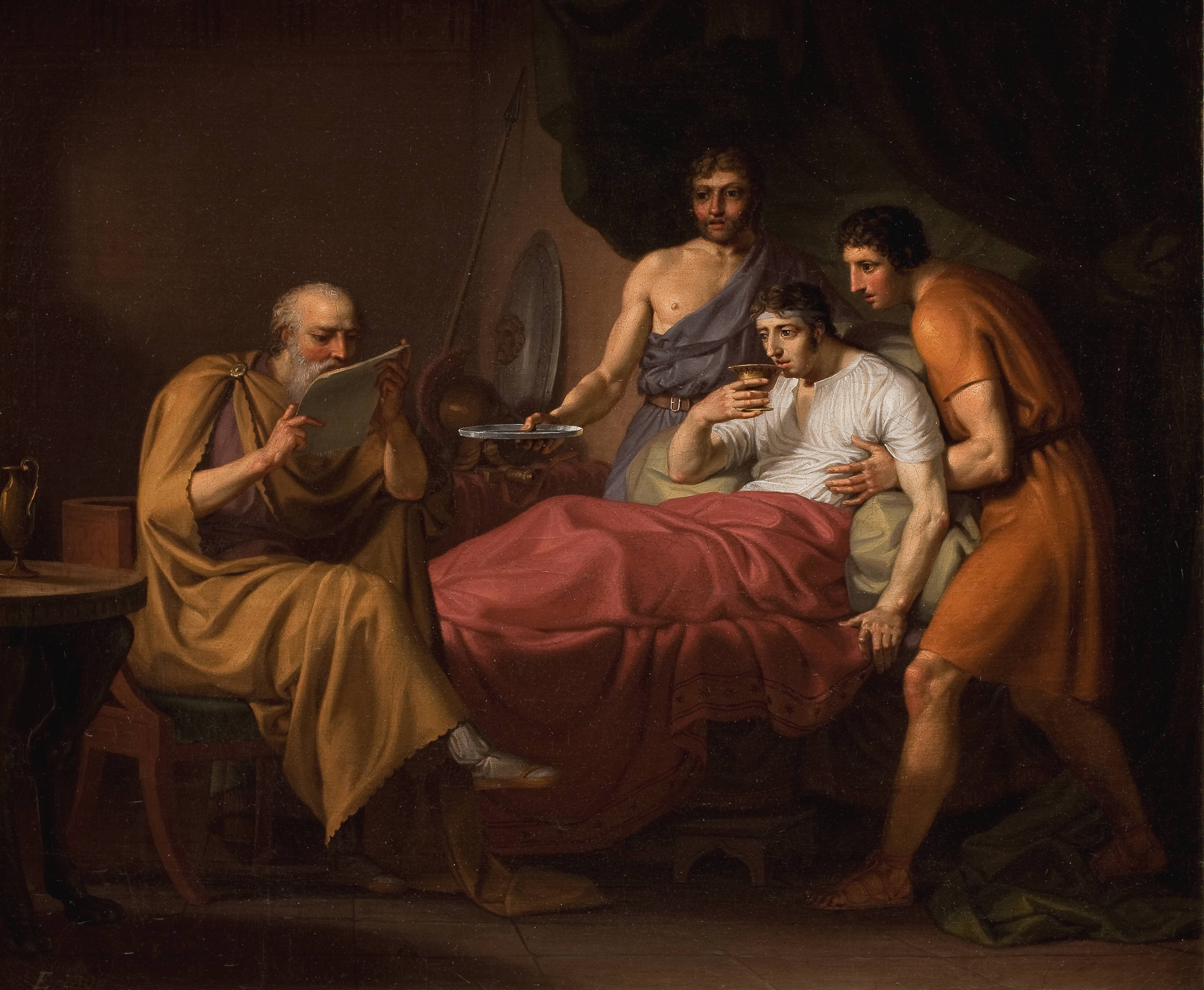
Alexander the Great on his Sickbed
1806
 Book
Secondary source
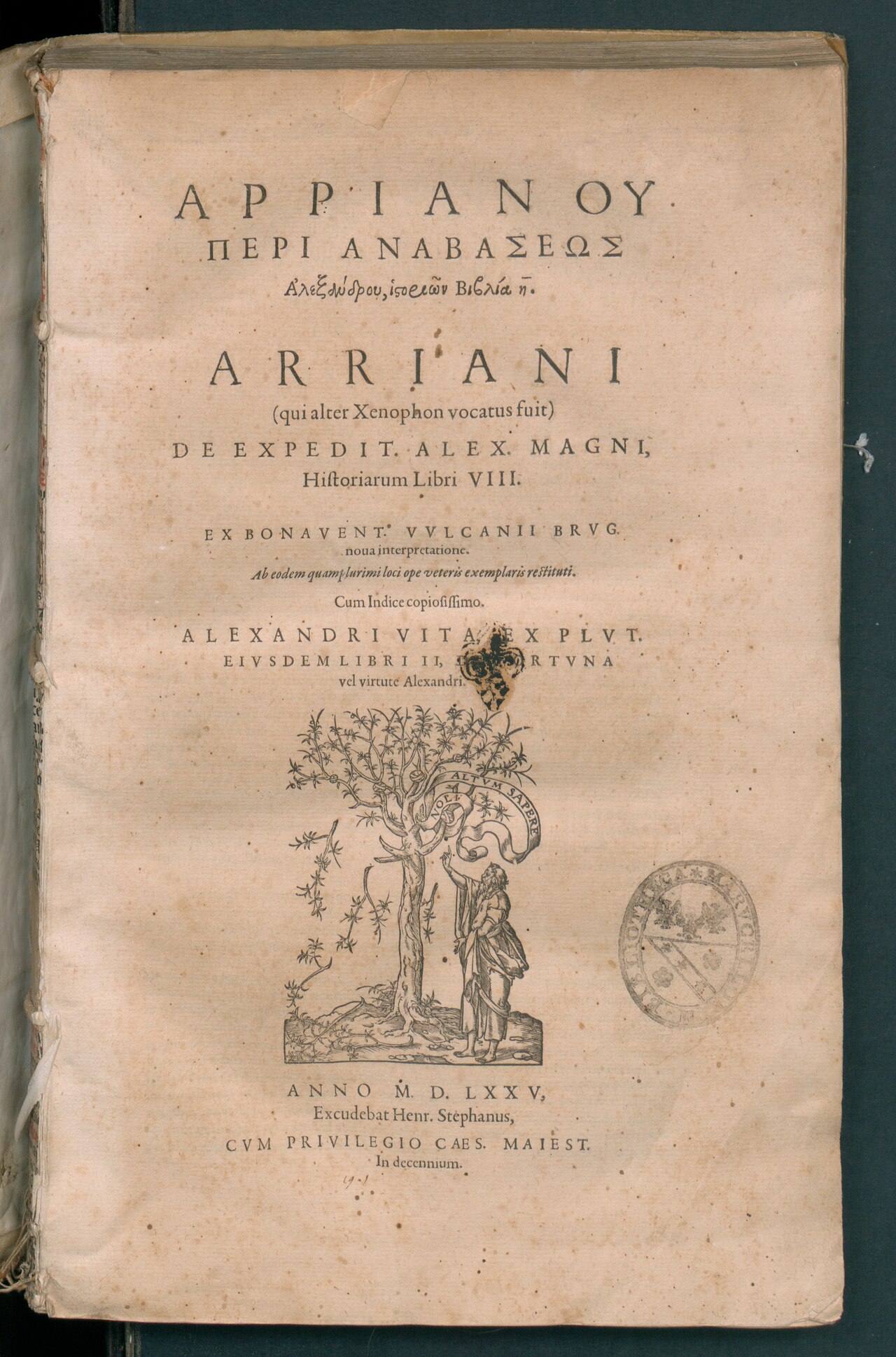
Anabasis of Alexander
Arrian · c. 150 AD
Ready when you are
Start chatting with Alexander the Great now.
20 messages free · No credit card · Available in 50+ languages.