


Primary sourceArtifact15th century (building); residence 1572–1584
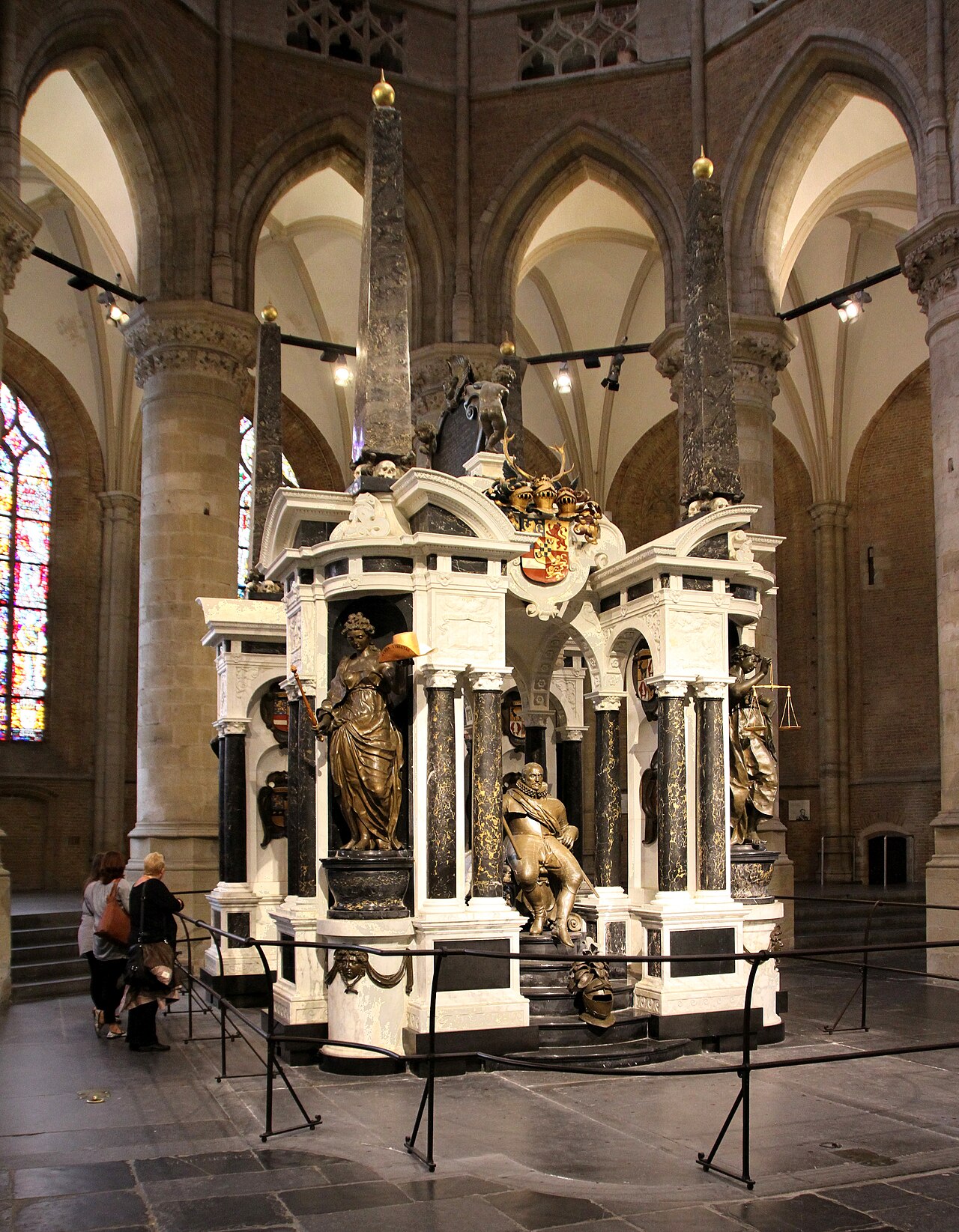
Prinsenhof, Delft
15th century (building); residence 1572–1584
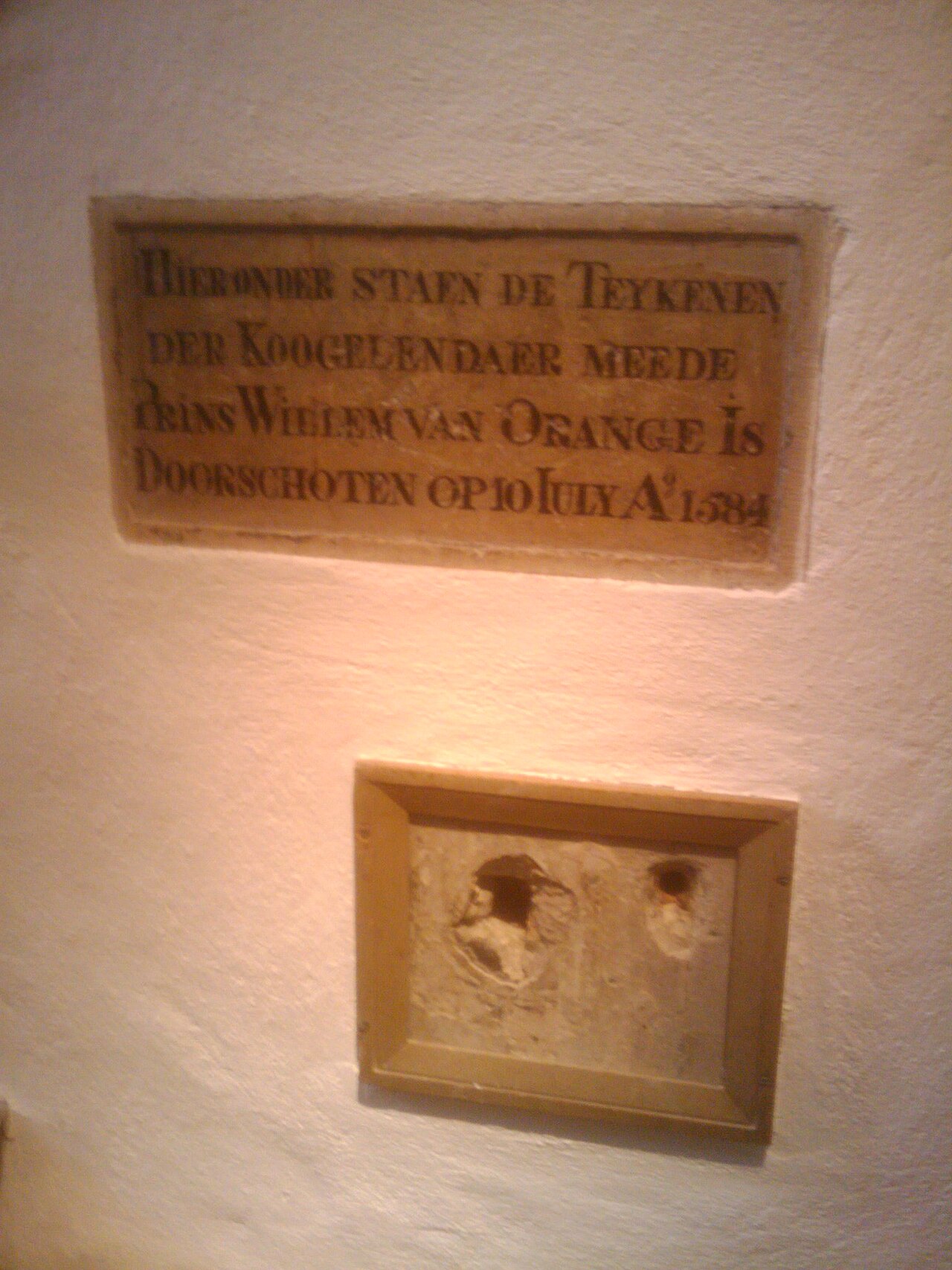
The former convent where William the Silent lived and was assassinated in 1584; bullet holes from the killing are still visible on its staircase.
William lived here from 1572 and was assassinated on its staircase in 1584; the bullet holes remain as evidence.
About this source
What it is
Built in the Middle Ages as a monastery, the Prinsenhof in Delft later became the residence of William the Silent. In 1584 he was shot and killed here by Balthasar Gérard on the main staircase. The building later passed to Delft City Council and is now Museum Prinsenhof Delft.
Why it matters
The bullet holes still visible in the wall are physical evidence of William's assassination, a major turning point in the Dutch Revolt. As the leader of the rebellion against Spanish rule, his murder removed the figurehead of the Dutch cause and turned him into a martyr and symbol of the fight for independence.
Look closer
- Why might a building and physical bullet holes feel different as evidence compared to reading about the event in a book?
- What does the preservation and display of this site tell us about how later generations wanted to remember William?
- What questions can't this site answer about why the assassination happened?
This artifact is part of the curated material that grounds the AI version of William the Silent on Humy.ai — when students ask about related events, the AI can quote it and cite it.
More William the Silent sources
Browse all 93 →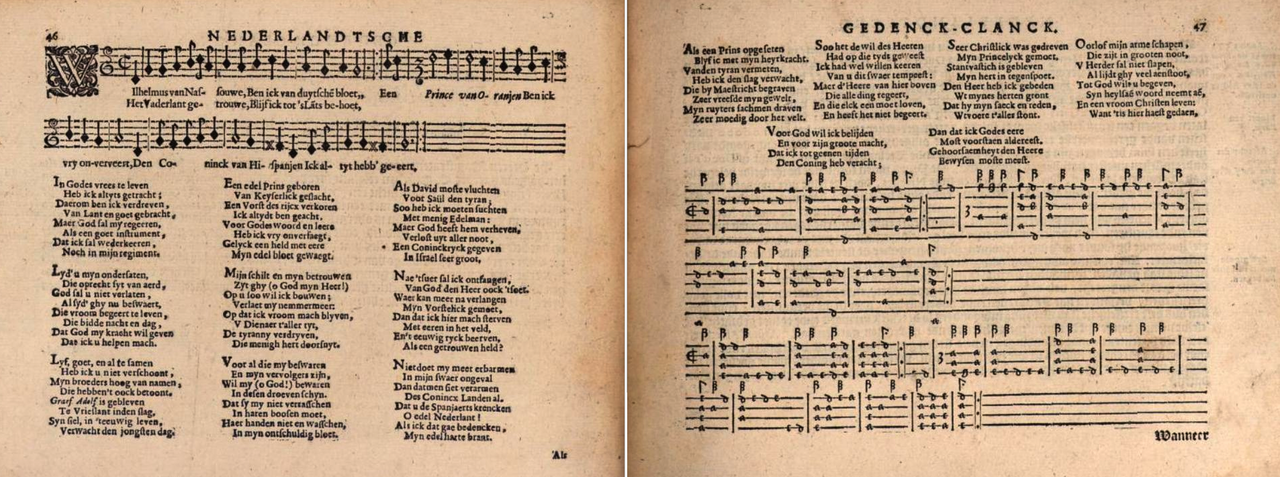 Document
Secondary source
Wilhelmus
Adrianus Valerius · 1572 (text); printed with music 1626
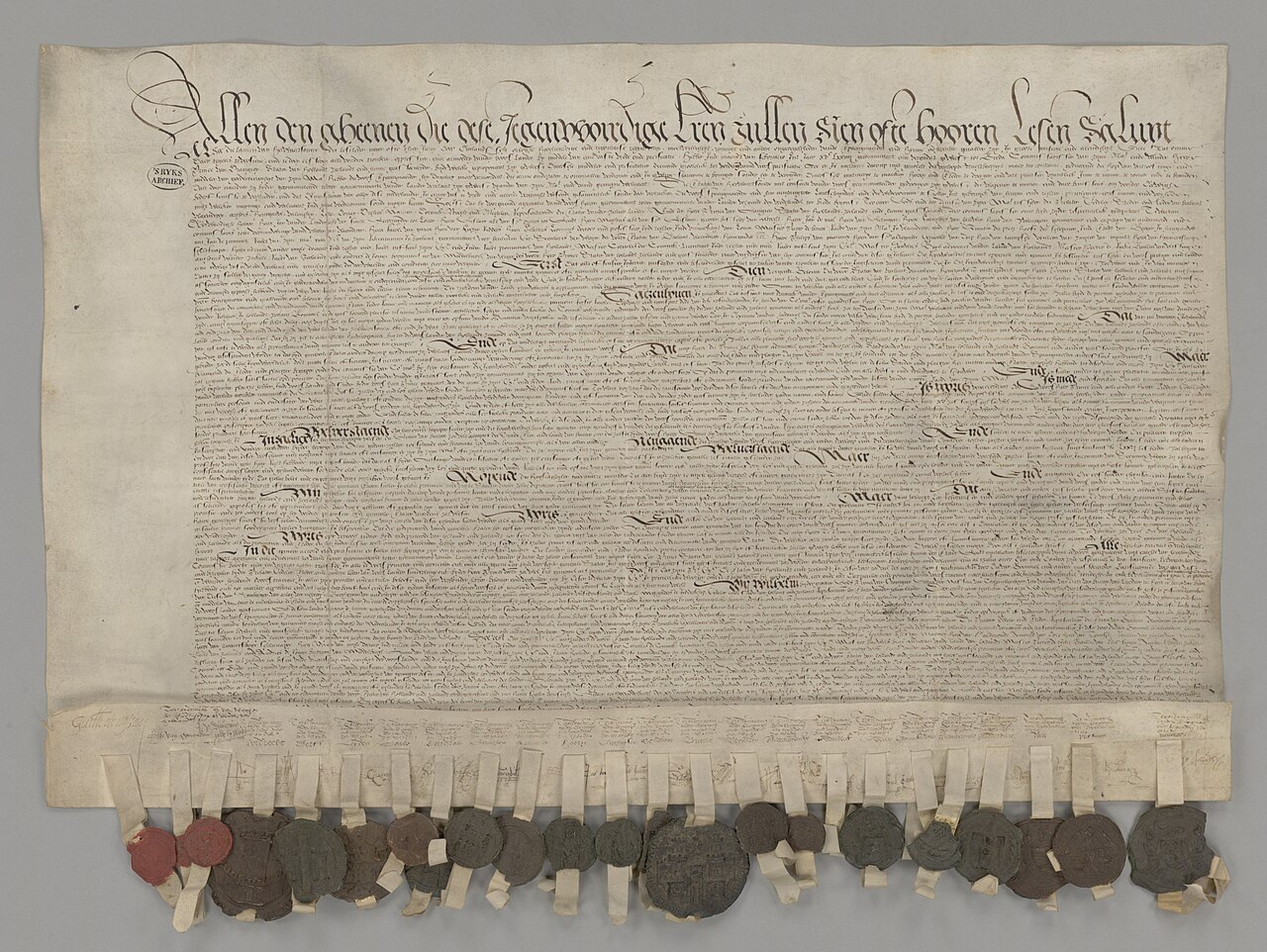
 Document
Primary source
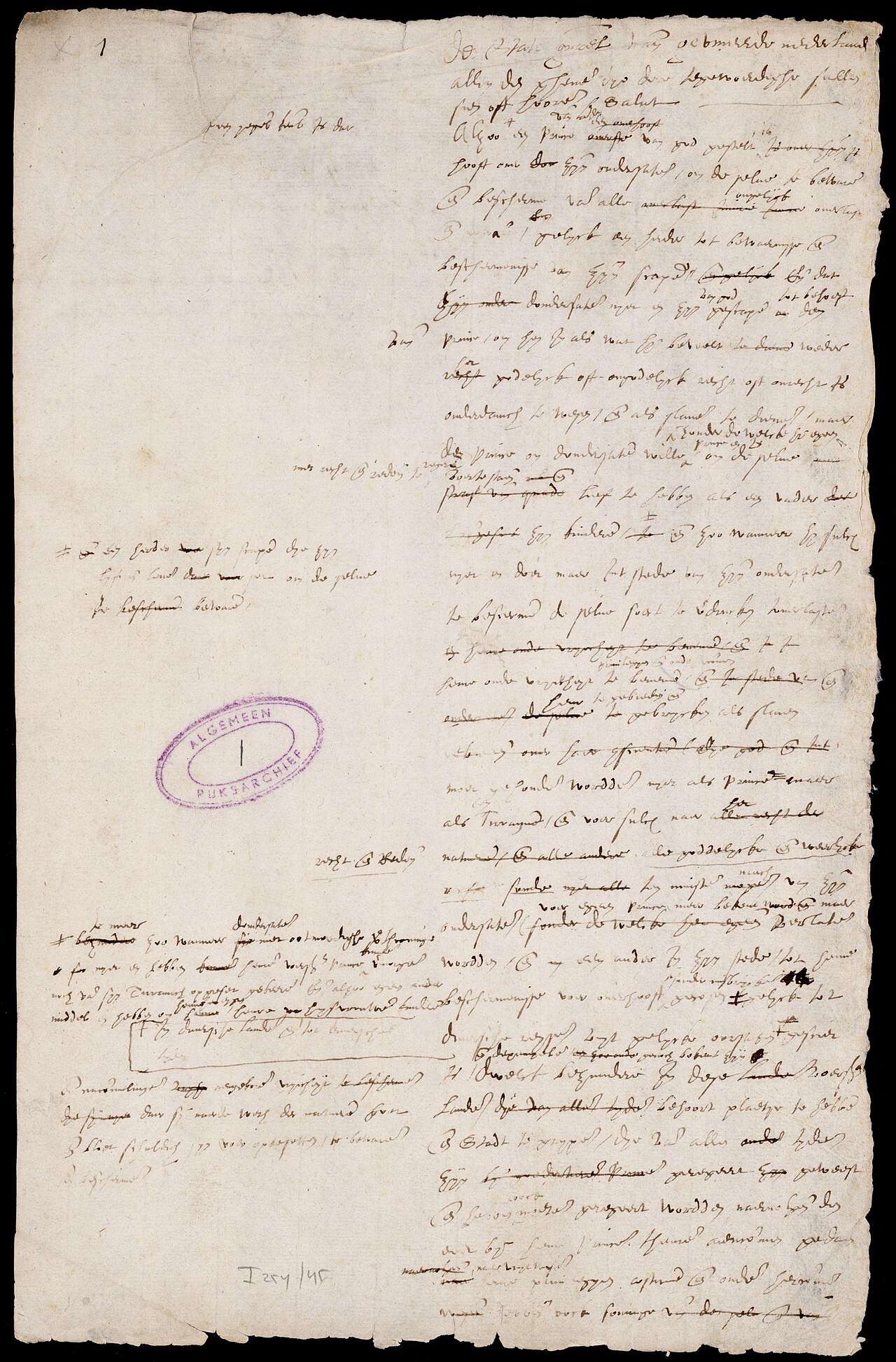
Act of Abjuration
Jan van Asseliers · 26 July 1581
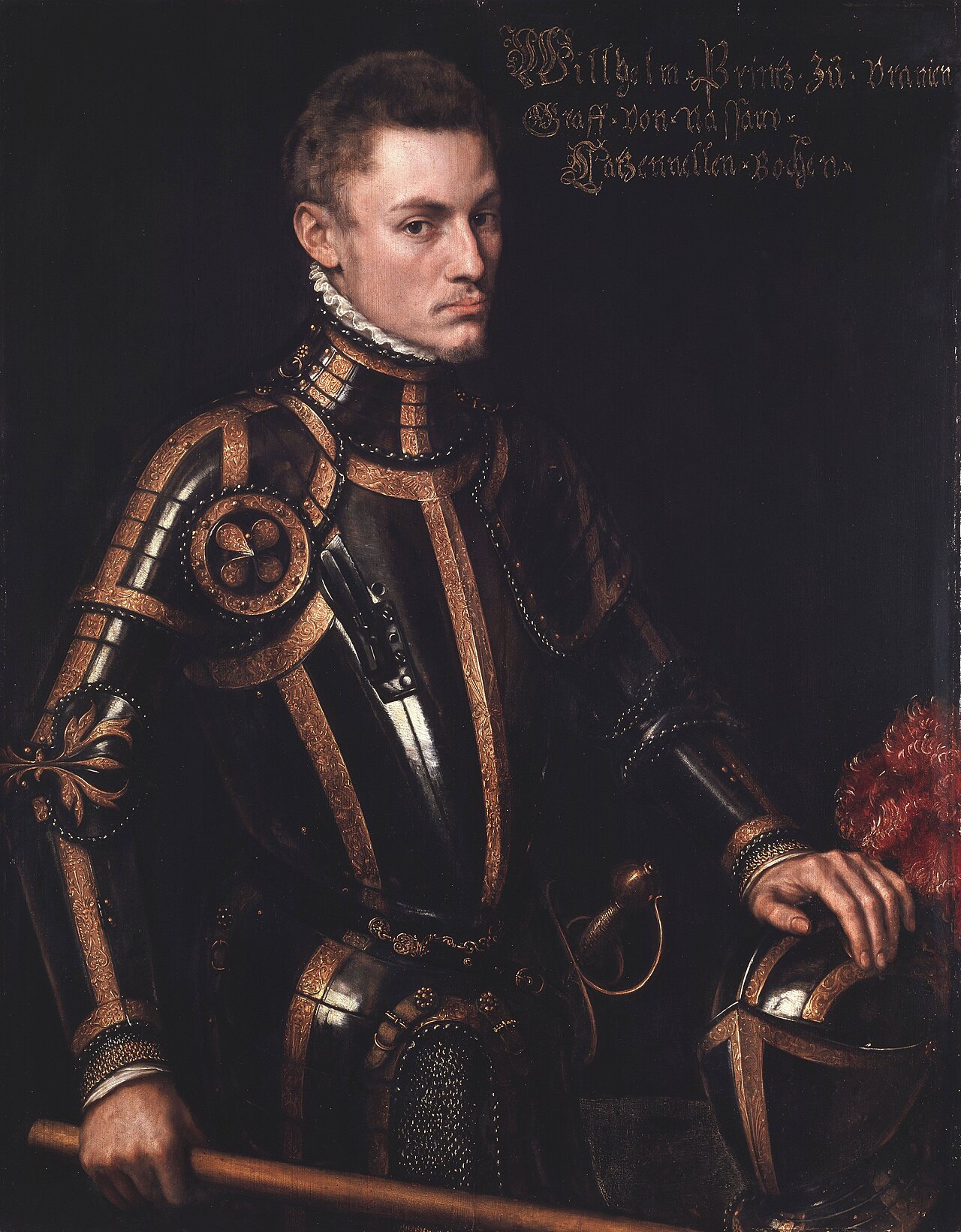
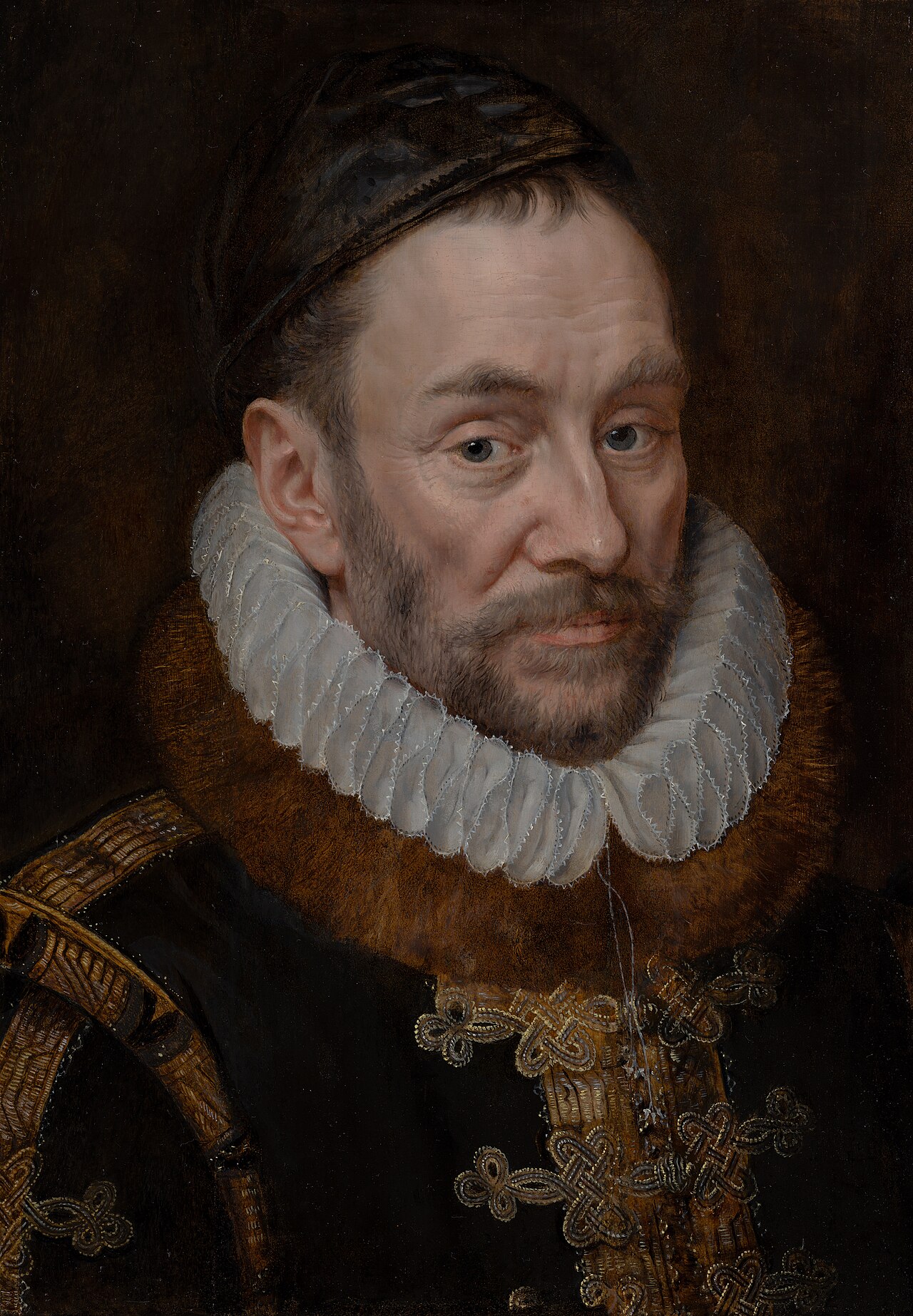
 Painting
Primary source
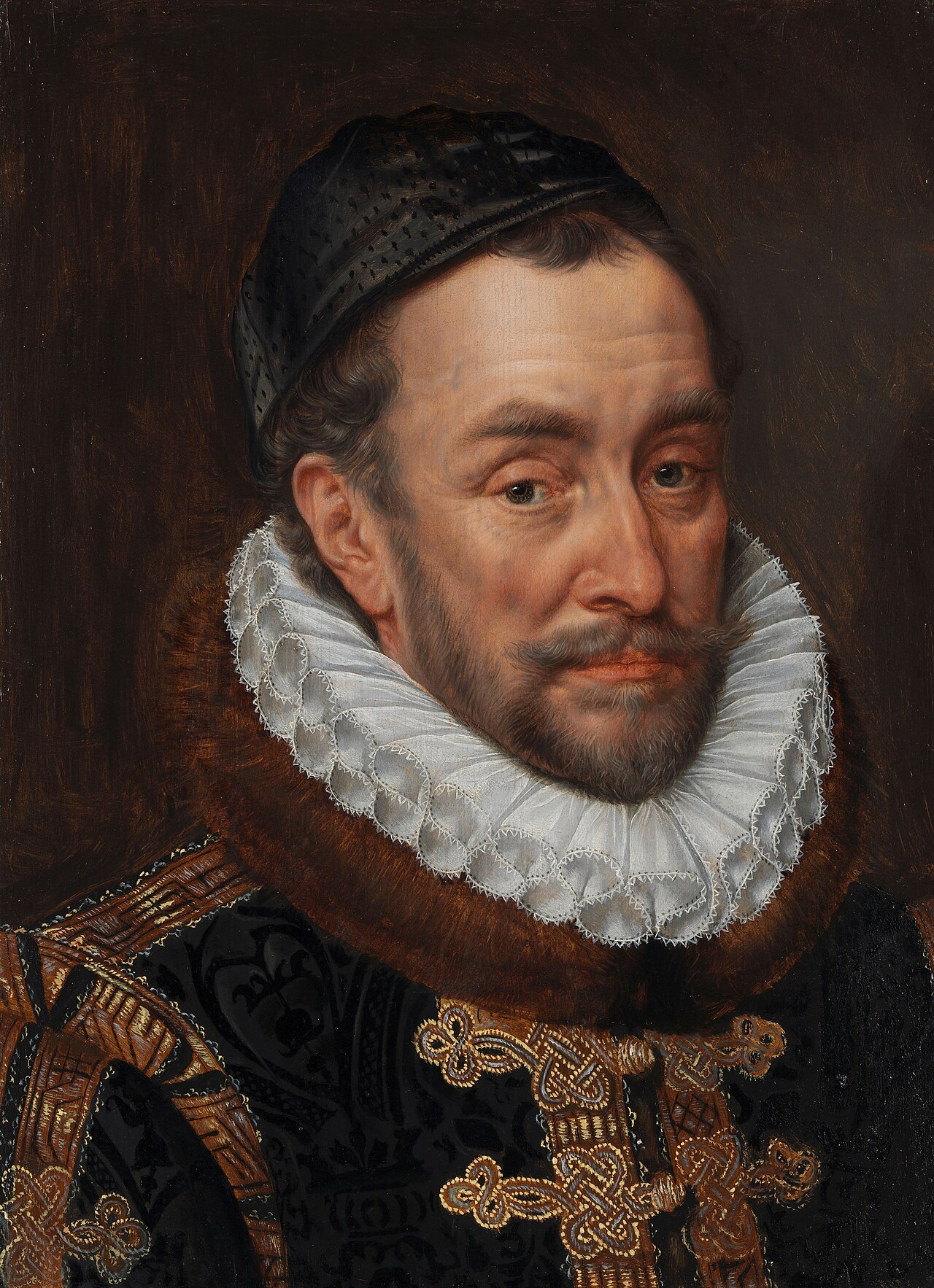
William I, Prince of Orange
Adriaen Thomasz. Key · 1579
 Painting
Primary source
Portrait of William I of Nassau
Antonis Mor · 1555
Free account
Read every William the Silent source
Sign up free →
Ready when you are
Start chatting with William the Silent now.
20 messages free · No credit card · Available in 50+ languages.