


Secondary sourceDocument1572 (text); printed with music 1626
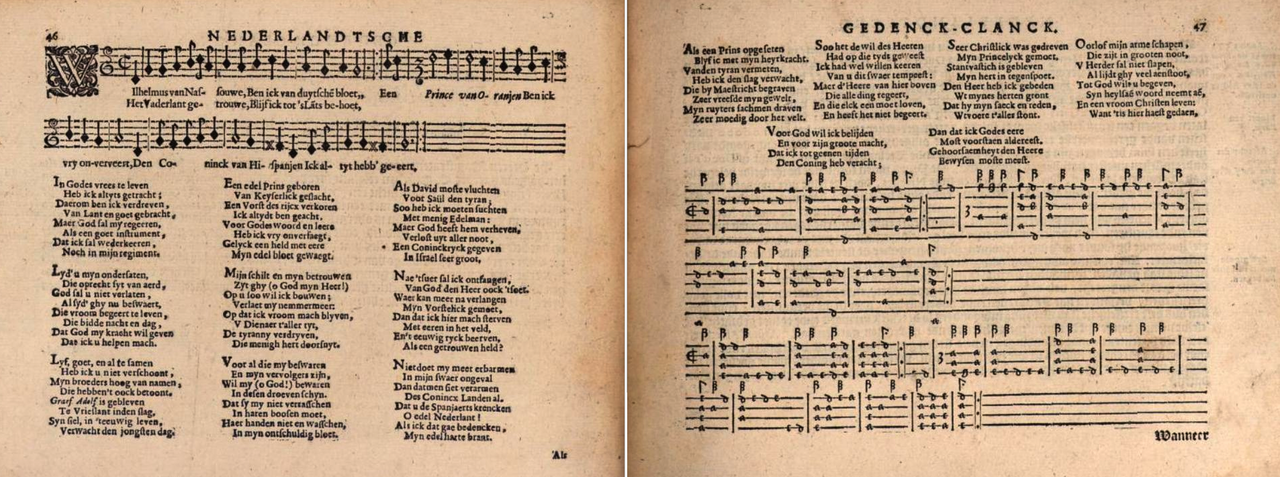
Wilhelmus
Adrianus Valerius · 1572 (text); printed with music 1626
A propaganda song from the Dutch Revolt, written as if spoken by William the Silent himself; it is now the Dutch national anthem.
Written as if spoken by William himself, this song shaped his image as a loyal yet defiant leader of the revolt.
Free Humy account · No credit card · 120,912 sources to read
About this source
What it is
The "Wilhelmus" is a song that began circulating during the Dutch Revolt against Spain, with surviving texts from the 1570s. Its melody borrowed from an earlier French tune, and the oldest printed version of the music appears in a 1626 songbook by Adrianus Valerius. Its true author is unknown, though Philips of Marnix, Dirck Coornhert and Pieter Datheen have all been suggested.
Why it matters
Unlike most anthems, the "Wilhelmus" is written as a first-person speech by William the Silent, presenting him as a loyal nobleman torn between obedience to the Spanish king and his conscience before God and his people. It shows how William's supporters used music to build sympathy for the revolt and to shape his public image as leader and "father of the nation." It later became the national anthem of the Netherlands.
Look closer
- Why might writing the song in William's own voice have been more persuasive than writing about him?
- What does it tell us that nobody is certain who wrote the lyrics?
- How might this song have helped unite people during the revolt?
This document is part of the curated material that grounds the AI version of William the Silent on Humy.ai — when students ask about related events, the AI can quote it and cite it.
More William the Silent sources
Browse all 93 →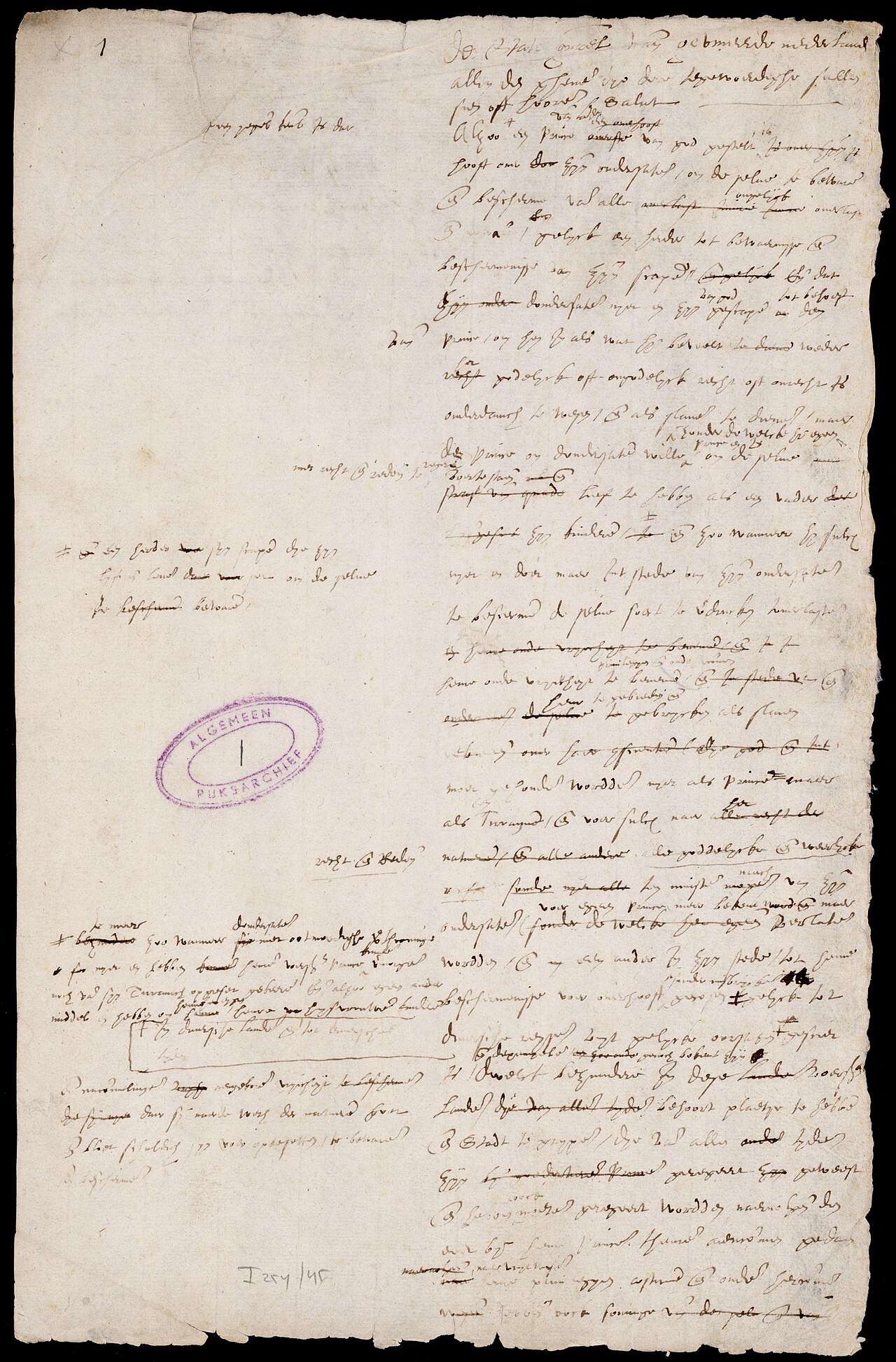 Document
Primary source
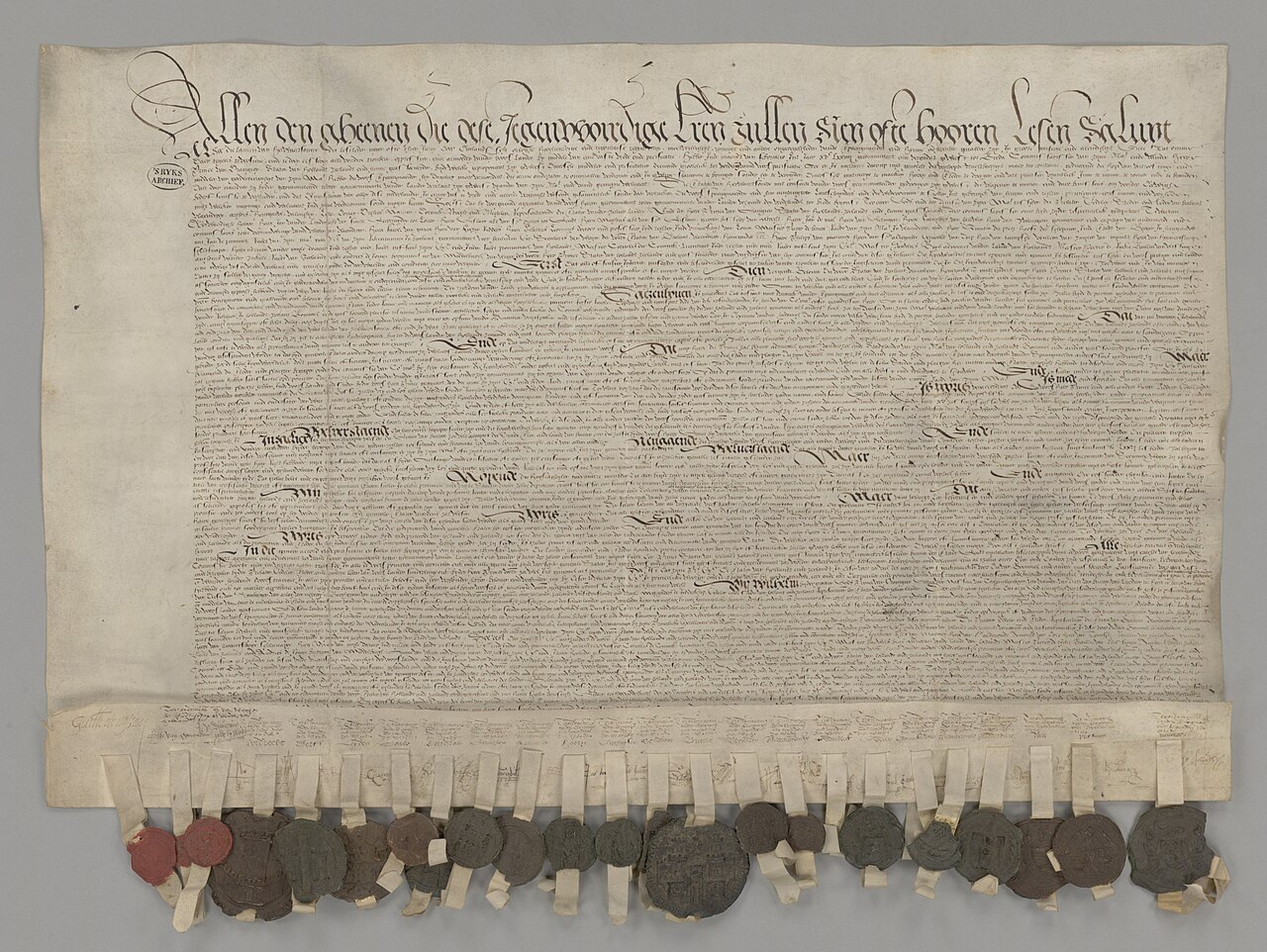
Act of Abjuration
Jan van Asseliers · 26 July 1581
 Artifact
Primary source
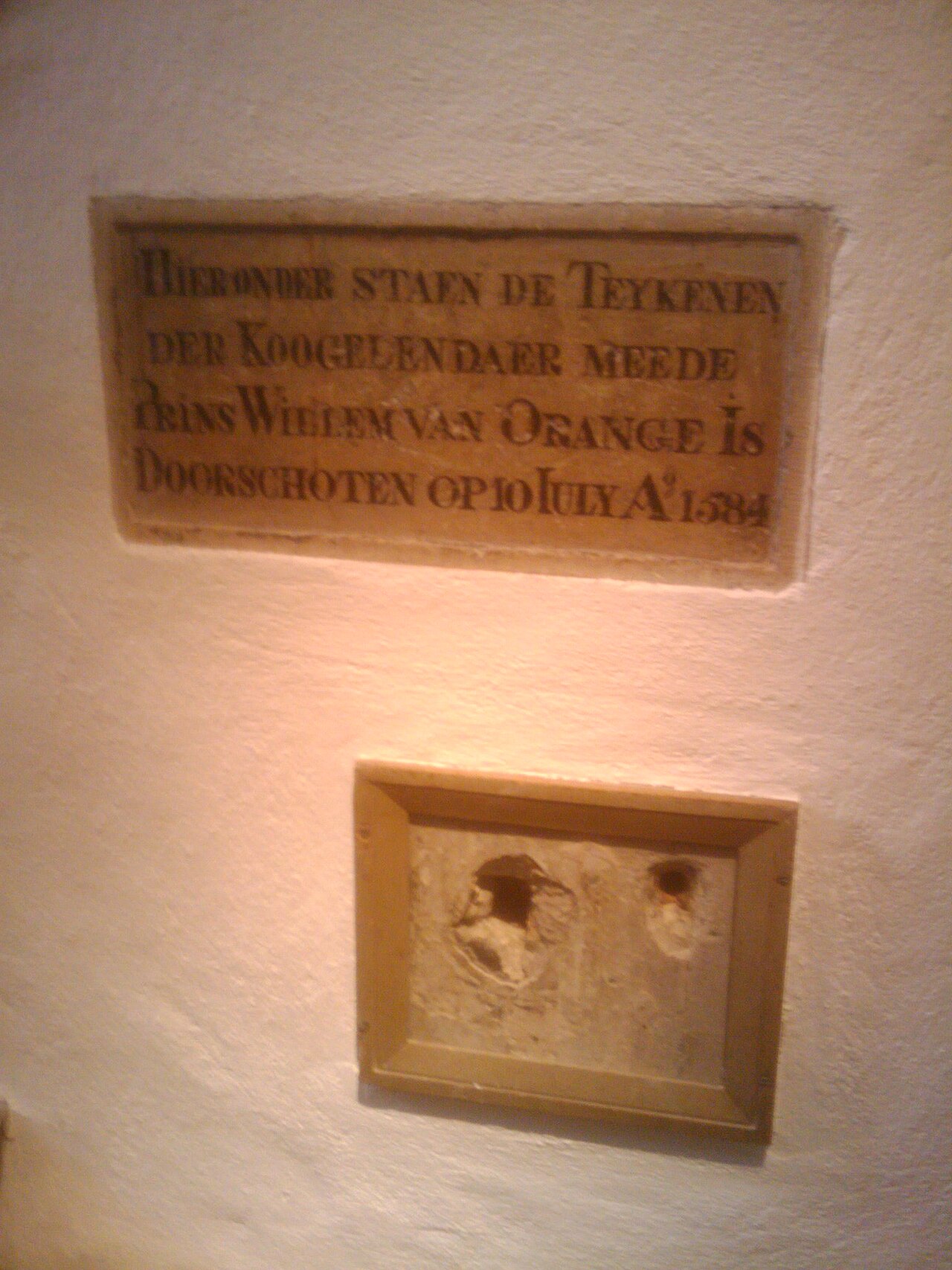
Prinsenhof, Delft
15th century (building); residence 1572–1584
 Painting
Primary source
William I, Prince of Orange
Adriaen Thomasz. Key · 1579
 Painting
Primary source
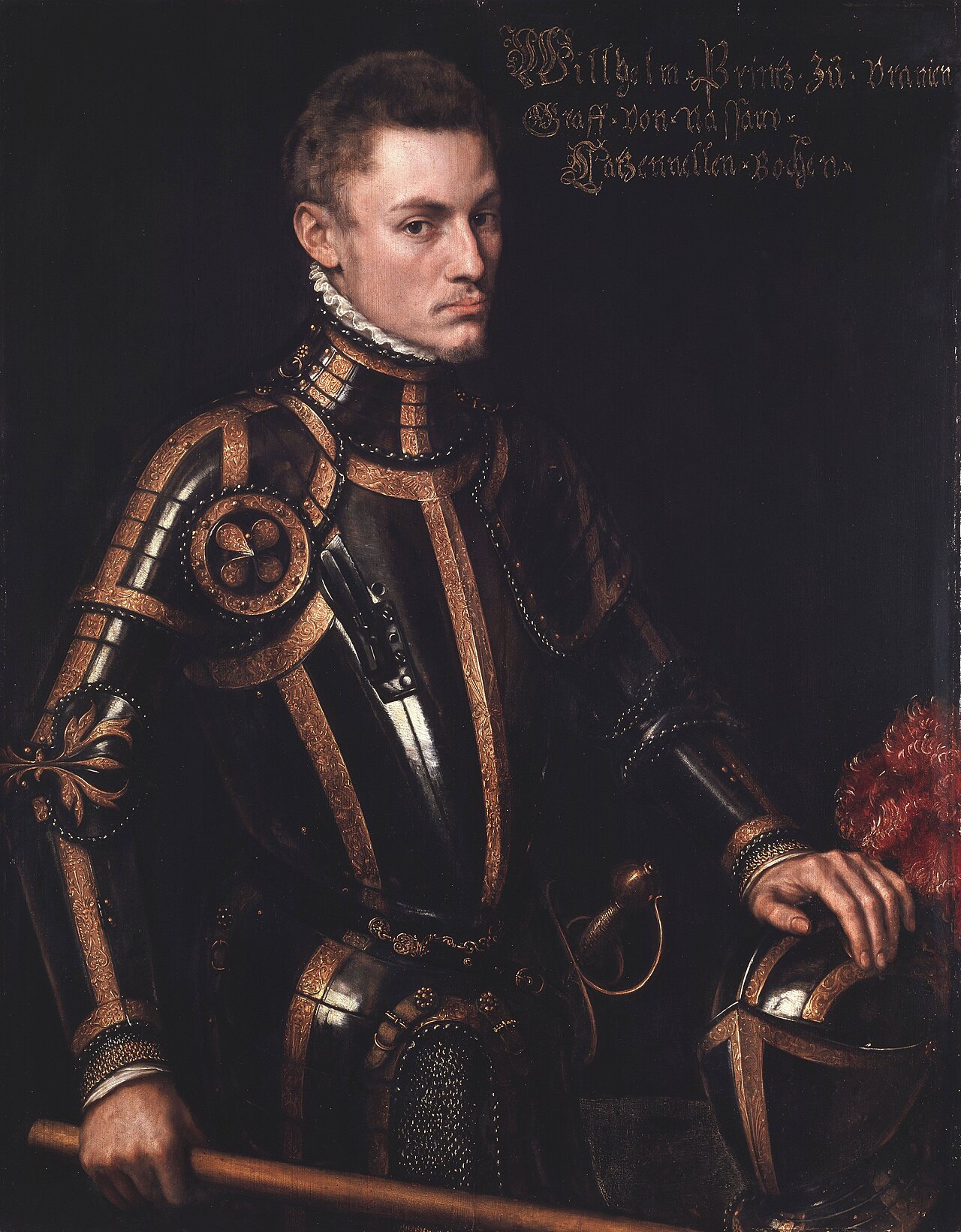
Portrait of William I of Nassau
Antonis Mor · 1555

Free account
Read every William the Silent source
Sign up free →
Ready when you are
Start chatting with William the Silent now.
20 messages free · No credit card · Available in 50+ languages.