


Primary sourcePainting1794
Print of the execution of Robespierre and Saint-Just
1794
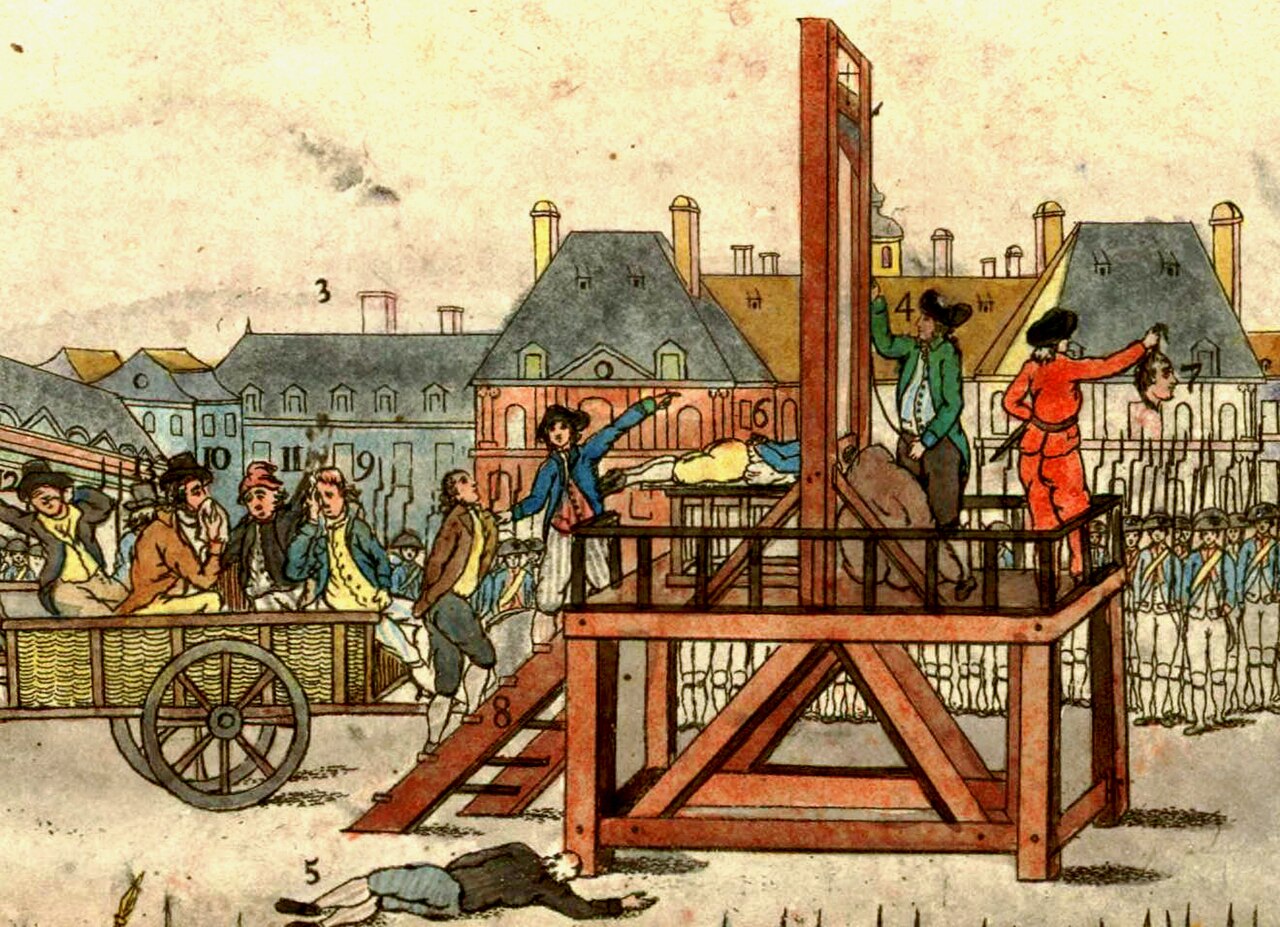
A hand-colored 1794 print of the execution cart and guillotine on 28 July 1794. The caption notes that the beheaded man shown is Couthon, not Robespierre.
Shows the 28 July 1794 execution of Robespierre and his supporters, including Robespierre himself seated on the cart.
About this source
What it is
This is a hand-colored print of a guillotine execution in a town square. A wooden guillotine stands at the right, and an executioner in a red coat holds up a severed head. Soldiers in blue uniforms and crowds watch. A cart with seated men is at the left. The Commons record says the figures are numbered and identifies the scene as the execution of Robespierre and his supporters on 28 July 1794. The record also notes that the beheaded man marked (6) is Couthon, not Robespierre. Robespierre is shown sitting on the cart, dressed in brown, wearing a hat, and holding a handkerchief to his mouth. The print is dated 1794. The author is not known.
Why it matters
The print shows how the fall of Robespierre was pictured soon after it happened. Its numbered figures let viewers identify the people who died with him, including his younger brother Augustin, who is being led up the steps to the scaffold. It reminds students that the Revolution's leaders were executed in the same terror they had helped direct.
Look closer
- Who is shown on the cart, and how is each person placed in the scene?
- Why might the maker have included numbers, and what would a viewer need to know to read them?
- The record says one beheaded man is not Robespierre. What does that tell you about how images of events can be arranged or mistaken?
This painting is part of the curated material that grounds the AI version of Maximilien Robespierre on Humy.ai — when students ask about related events, the AI can quote it and cite it.
More Maximilien Robespierre sources
Meet the AI Maximilien Robespierre →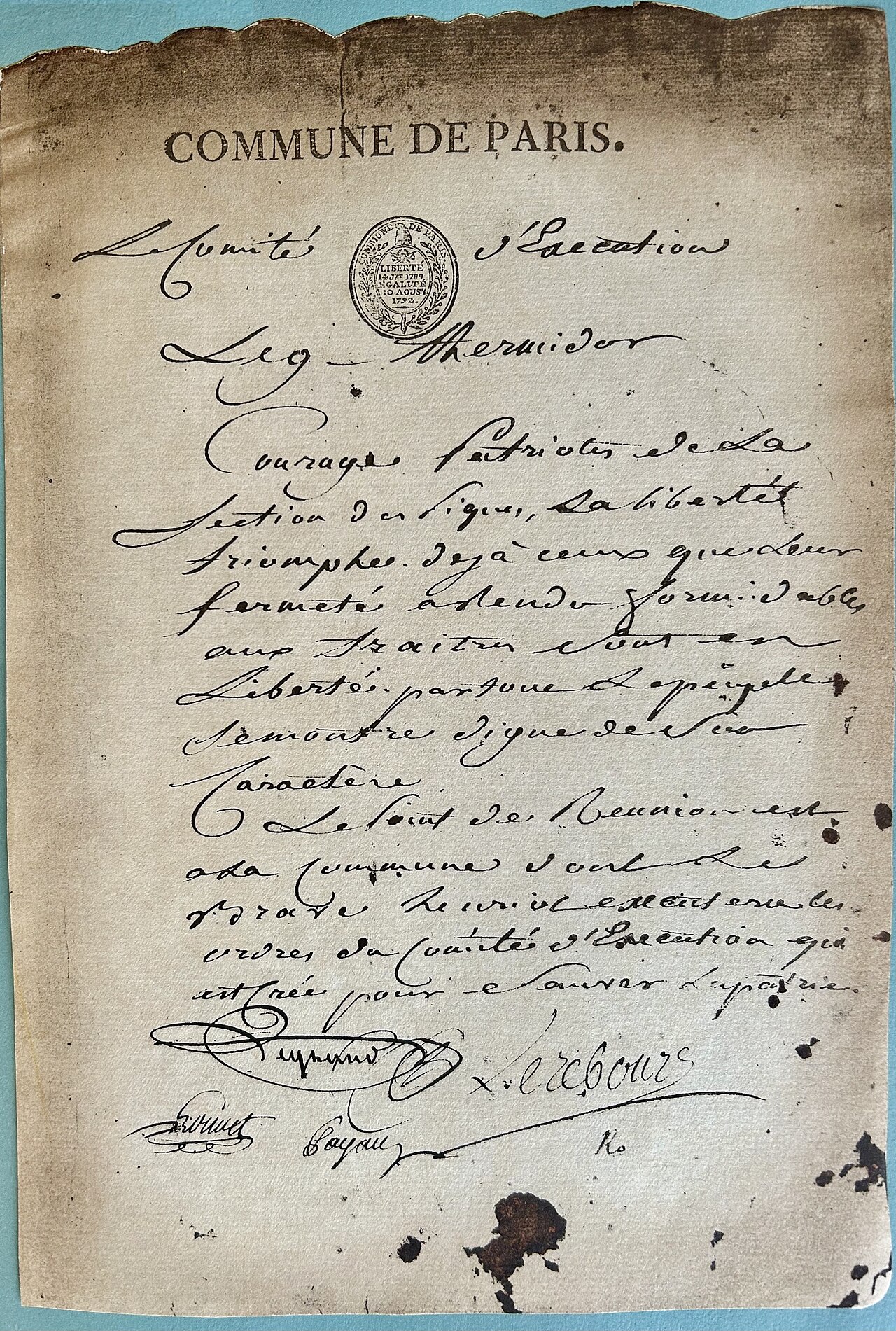 Document
Primary source
Appeal of the Commune to the Section des Piques, 9 Thermidor
Louvet, Payan, Lerebourgs, Legrand, Robespierre · 27 July 1794 (9 Thermidor Year II)
Primary source
Speech on the Trial of the King
Maximilien Robespierre · 3 December 1792
 Painting
Primary source
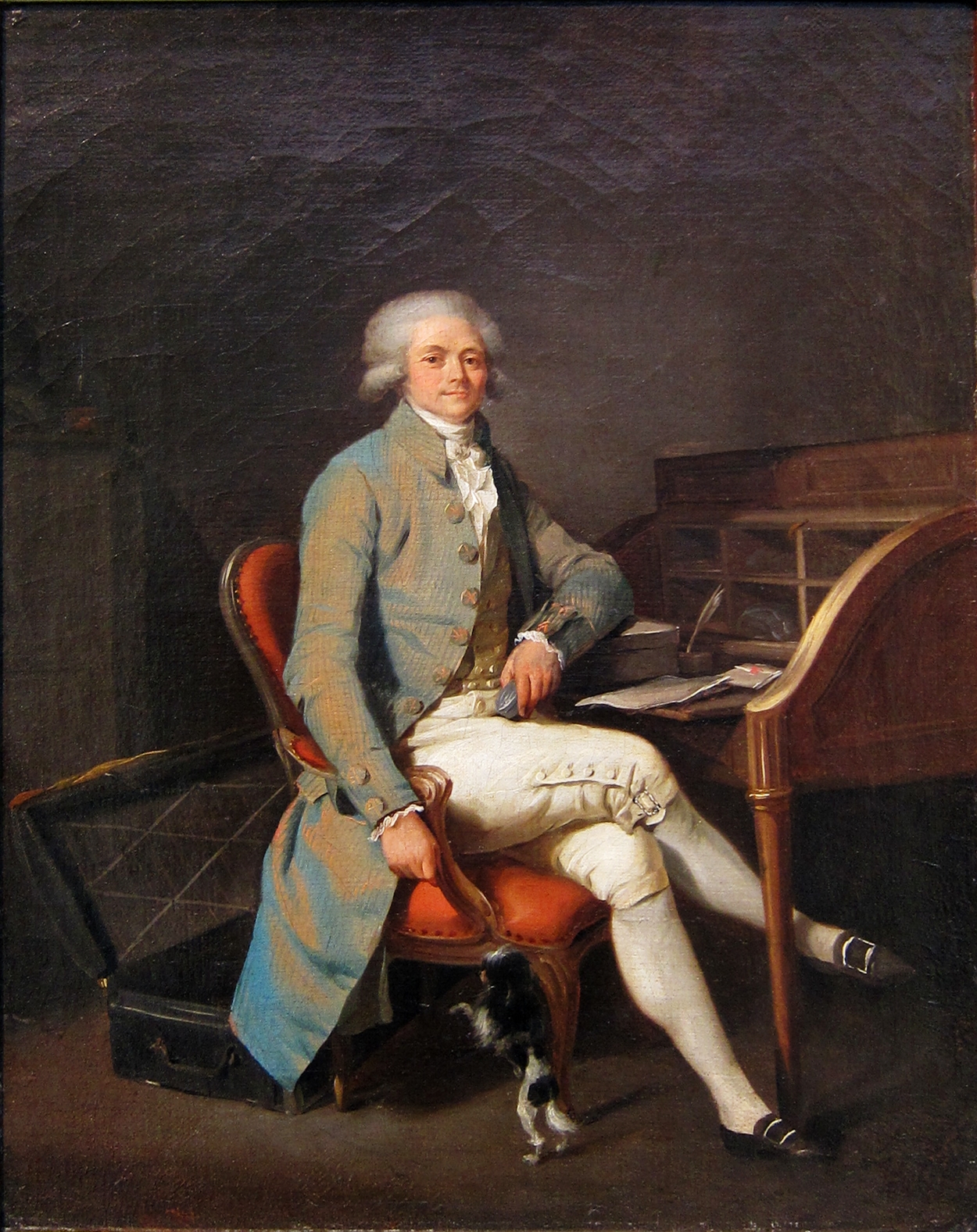
Portrait of Maximilien de Robespierre
Louis-Léopold Boilly · 1791
 Sculpture
Primary source
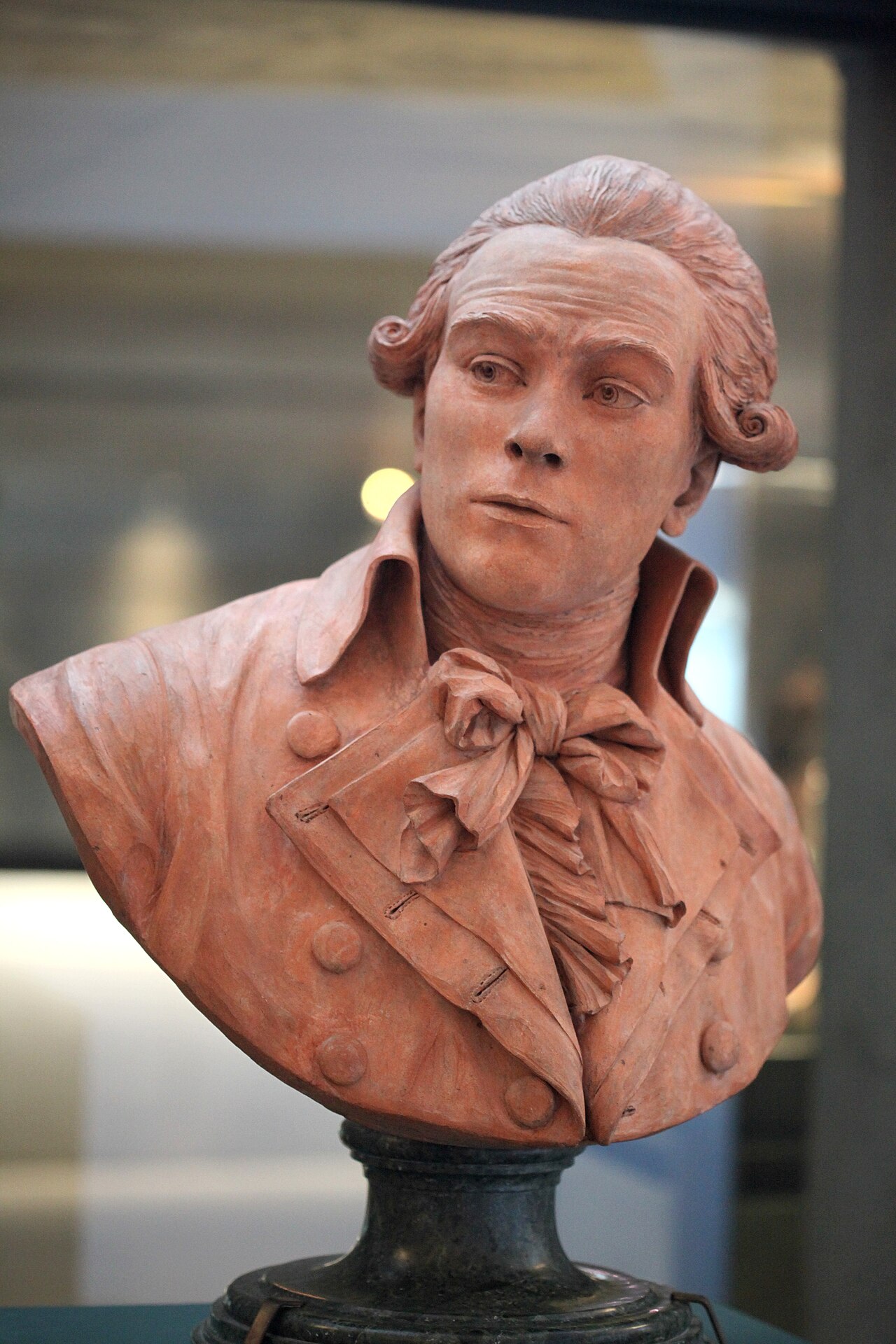
Bust of Robespierre
Claude-André Deseine · 1791
Primary source
Report on Religious and Moral Ideas and National Festivals (18 Floréal)
Maximilien Robespierre · 7 May 1794 (18 Floréal Year II)
Ready when you are
Start chatting with Maximilien Robespierre now.
20 messages free · No credit card · Available in 50+ languages.