


Primary sourceSculpturec. 2300 BCE
Prisoner Leaving a Cage on an Akkadian Victory Stele
c. 2300 BCE
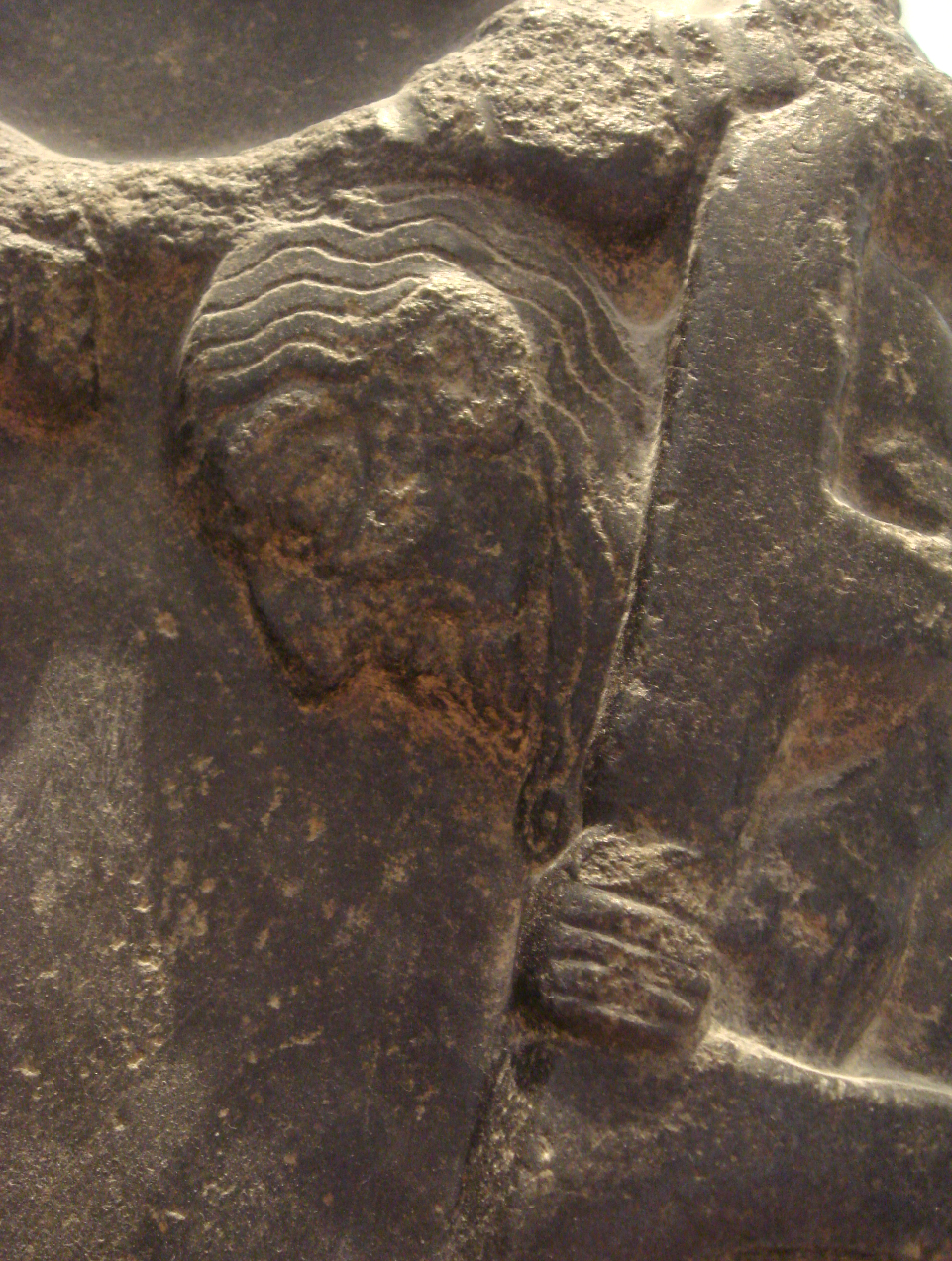
A close-up photograph of a carved relief showing a captive on a victory stele from the Akkadian Empire, held in the Louvre.
This stele detail of a captive reflects the kind of royal victory monuments made under Akkadian kings like Sargon.
About this source
What it is
This is a photograph of a detail from an Akkadian Empire victory stele, carved around 2300 BCE. It shows a prisoner being released from a cage, and is now held in the Louvre Museum.
Why it matters
Victory steles like this were made to celebrate the military triumphs of Akkadian kings. This detail reveals how Akkadian rulers used art to record and display power over defeated enemies, offering a glimpse into the violence and conquest that shaped Sargon's empire and its successors.
Look closer
- What does the carving of a caged prisoner suggest about how the Akkadians treated people they conquered?
- Why might a king want this scene carved in stone for others to see?
- What does this stele leave out about the experience of the people it depicts?
This sculpture is part of the curated material that grounds the AI version of Sargon of Akkad on Humy.ai — when students ask about related events, the AI can quote it and cite it.
More Sargon of Akkad sources
Browse all 41 →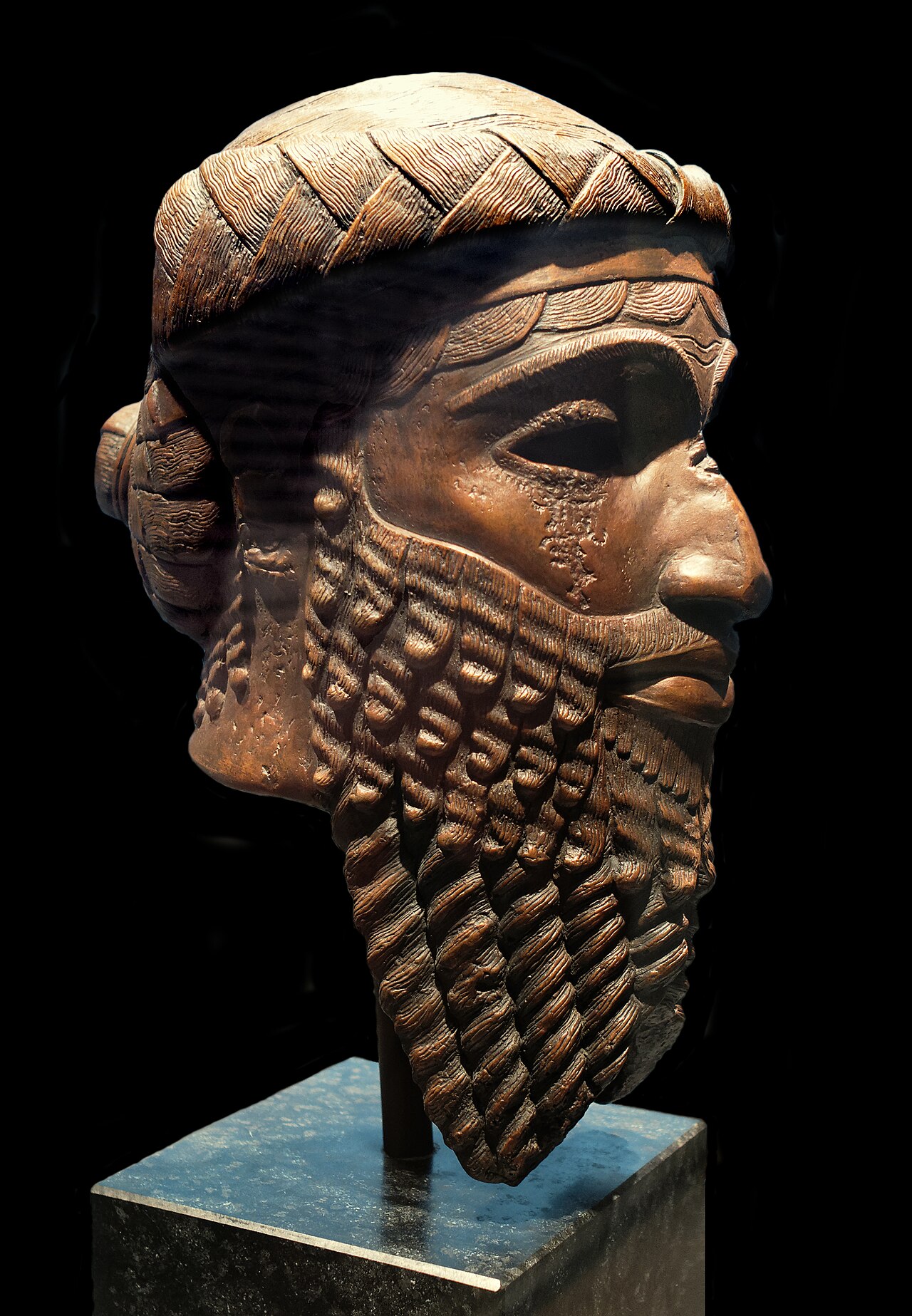 Sculpture
Primary source
Head of an Akkadian Ruler
c. 2300 BCE
 Sculpture
Primary source
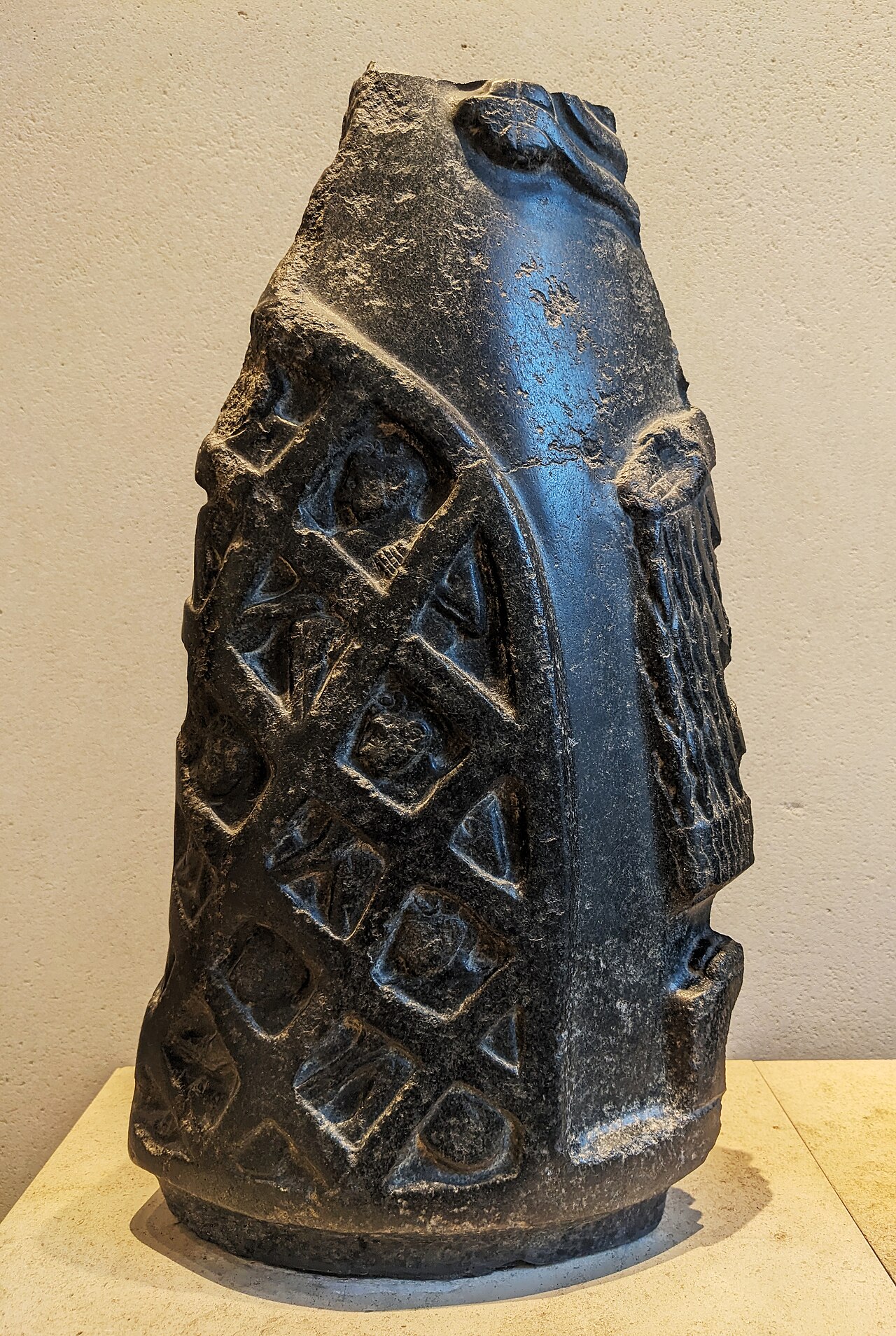
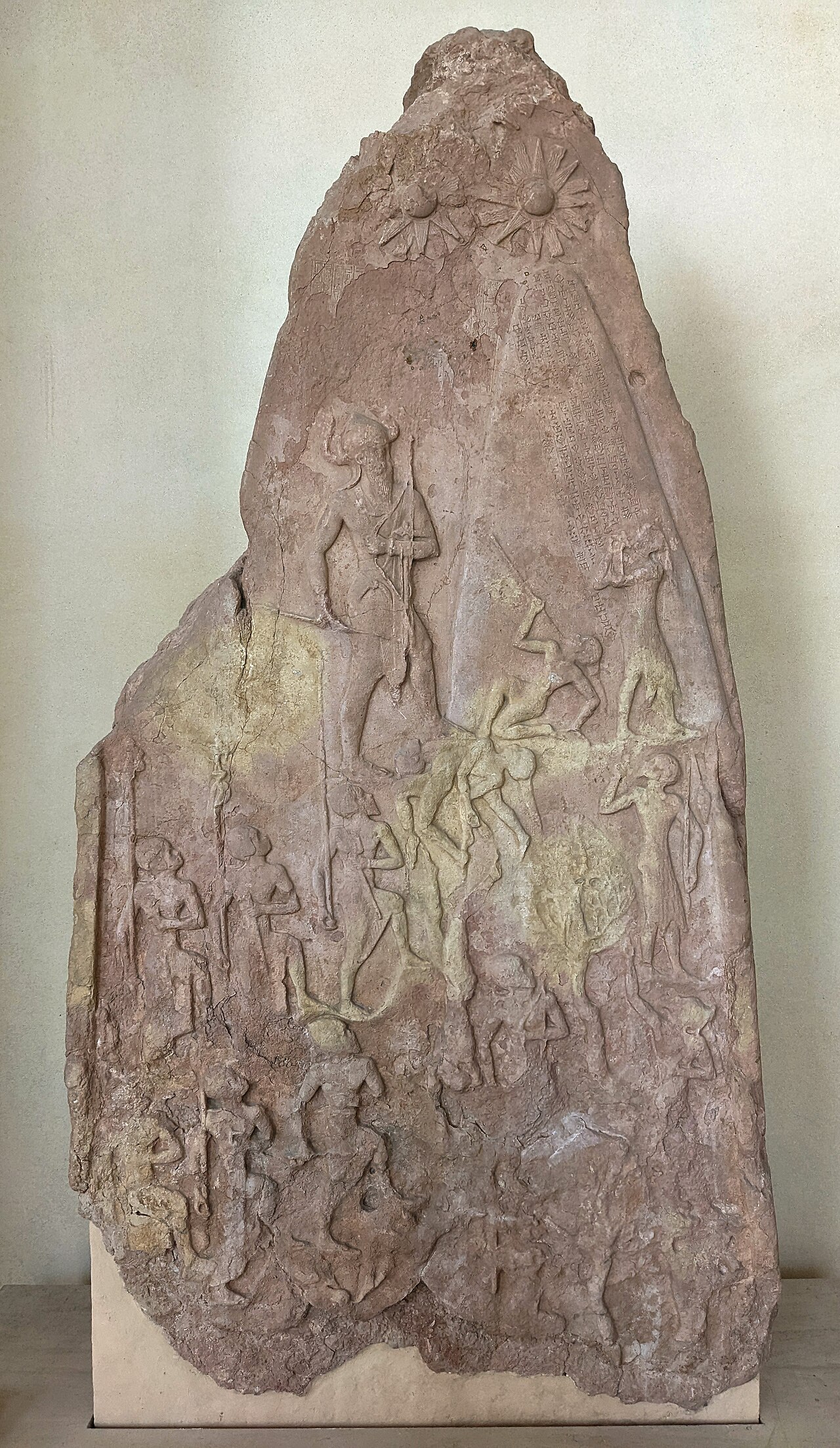
Victory Stele of Sargon
Akkadian royal workshop · c. 2300 BCE
 Document
Secondary source
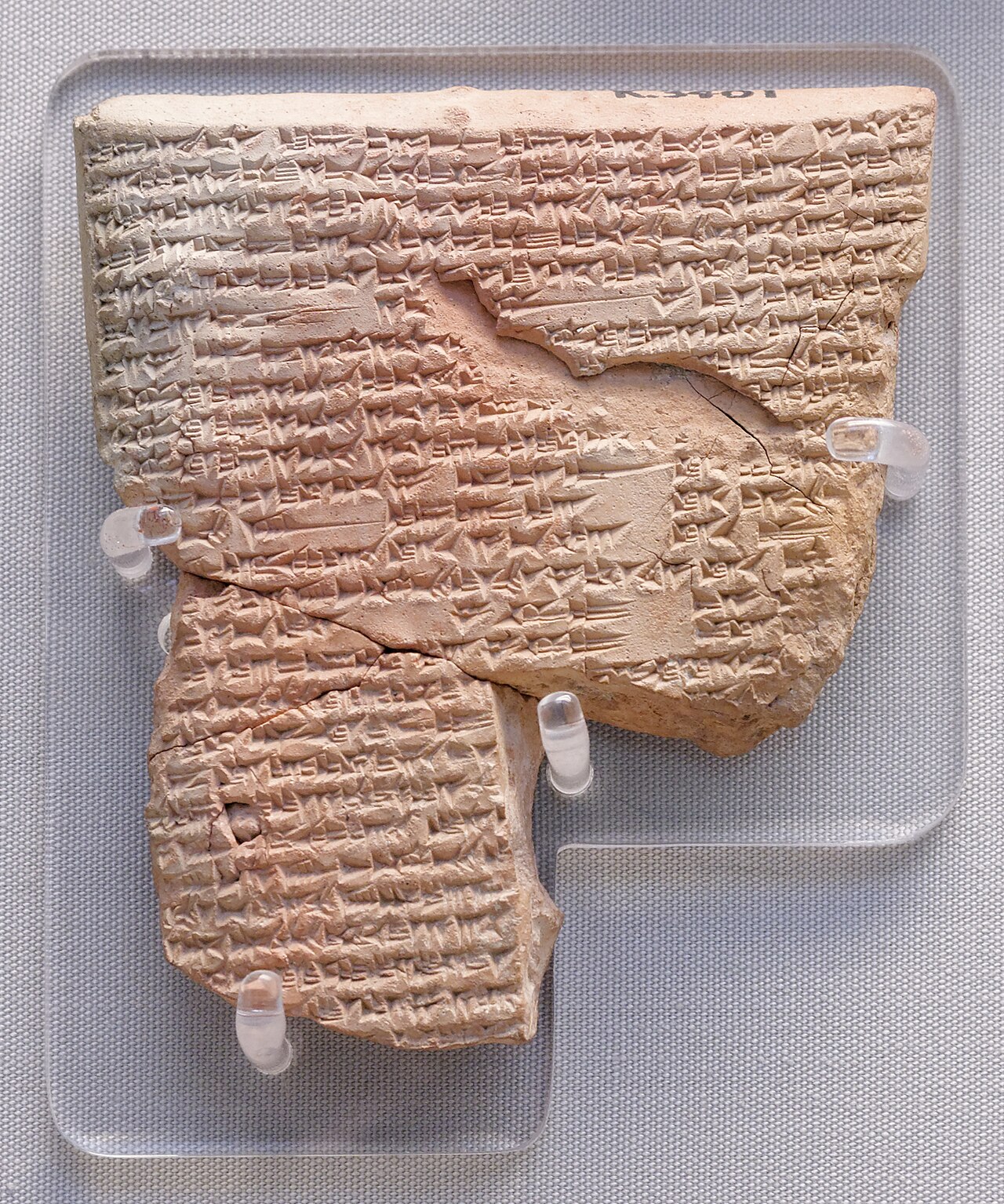
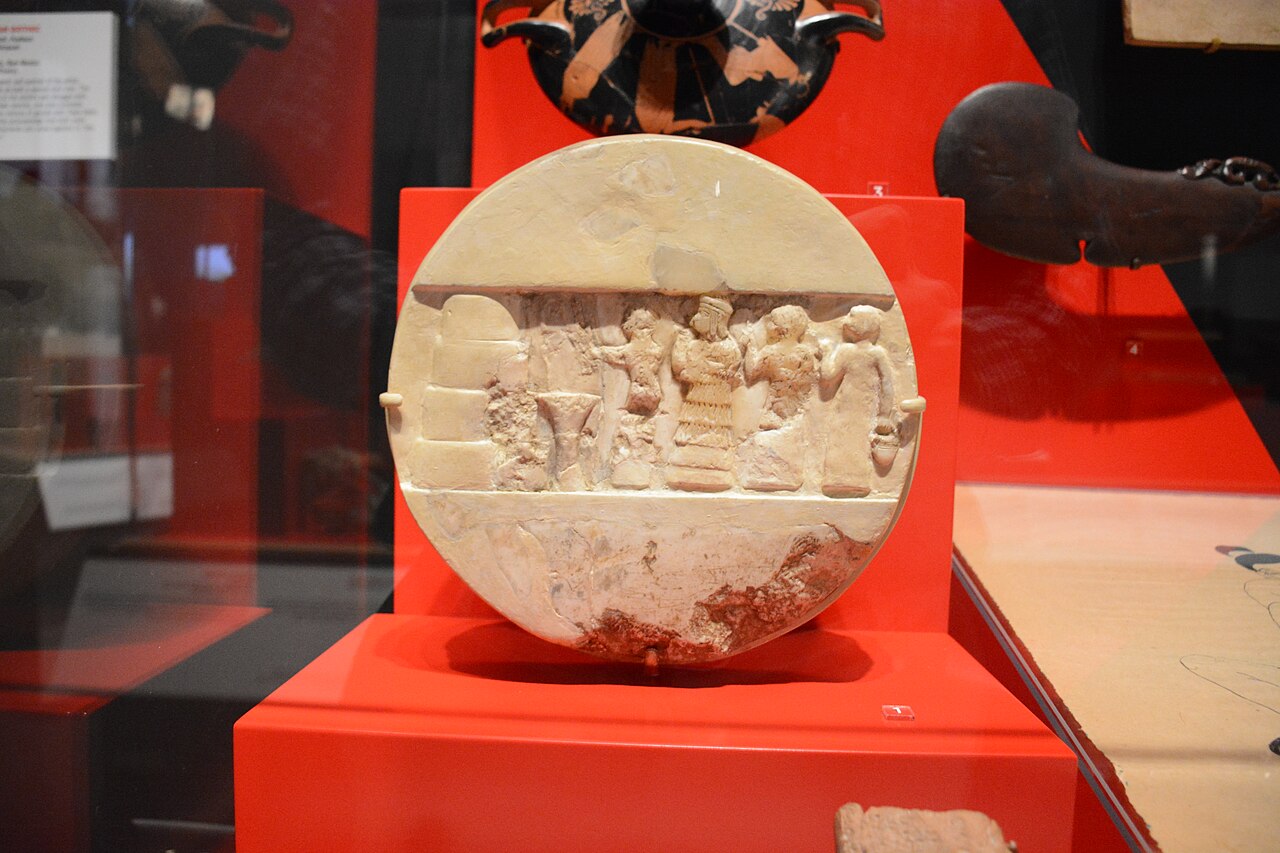
Birth of Sargon (Sargon Birth Legend Tablet)
Neo-Assyrian period
 Document
Secondary source
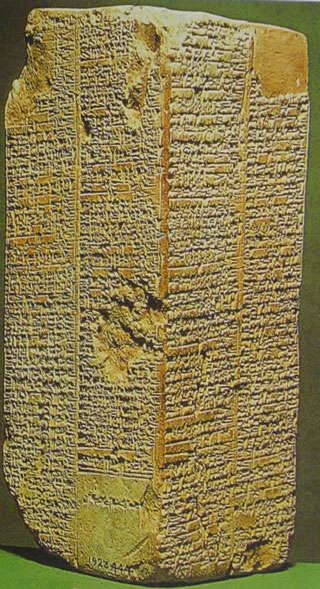
Weld-Blundell Prism
c. 1820 BCE
Free account
Read every Sargon of Akkad source
Sign up free →
Ready when you are
Start chatting with Sargon of Akkad now.
20 messages free · No credit card · Available in 50+ languages.