


Primary sourceSculpturec. 2300 BCE
Prisoners on an Akkadian Victory Stele
c. 2300 BCE
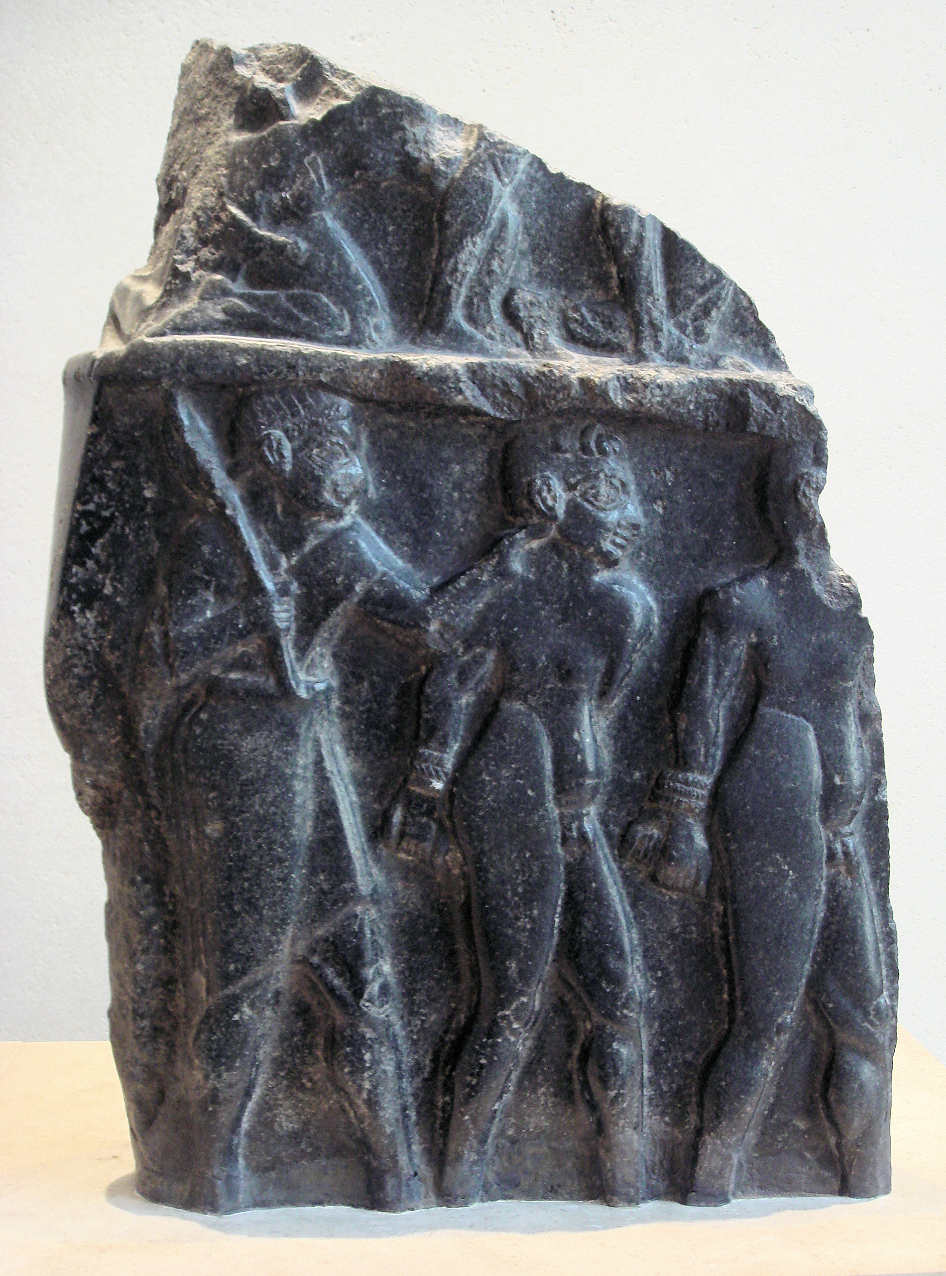
A photograph of carved captives on a victory stele from the Sargonic period of the Akkadian Empire, held in the Louvre.
This stele fragment of captives reflects the conquests associated with the Akkadian dynasty founded by Sargon.
About this source
What it is
This photograph shows a relief detail of three captive figures carved on a victory stele from an Akkadian king of the Sargonic period, dated around 2300 BCE. The stele is housed in the Louvre Museum.
Why it matters
Such steles were created to commemorate military victories and display royal power. This detail of bound or captured figures illustrates the kind of imagery Akkadian rulers, including those of Sargon's dynasty, used to assert dominance and record their conquests.
Look closer
- What might the raised arms and clasped hands of the figures suggest about their situation?
- Why do you think the sculptor chose to show prisoners this way?
- What is missing from this image that might help us understand the full story of these people?
This sculpture is part of the curated material that grounds the AI version of Sargon of Akkad on Humy.ai — when students ask about related events, the AI can quote it and cite it.
More Sargon of Akkad sources
Browse all 41 →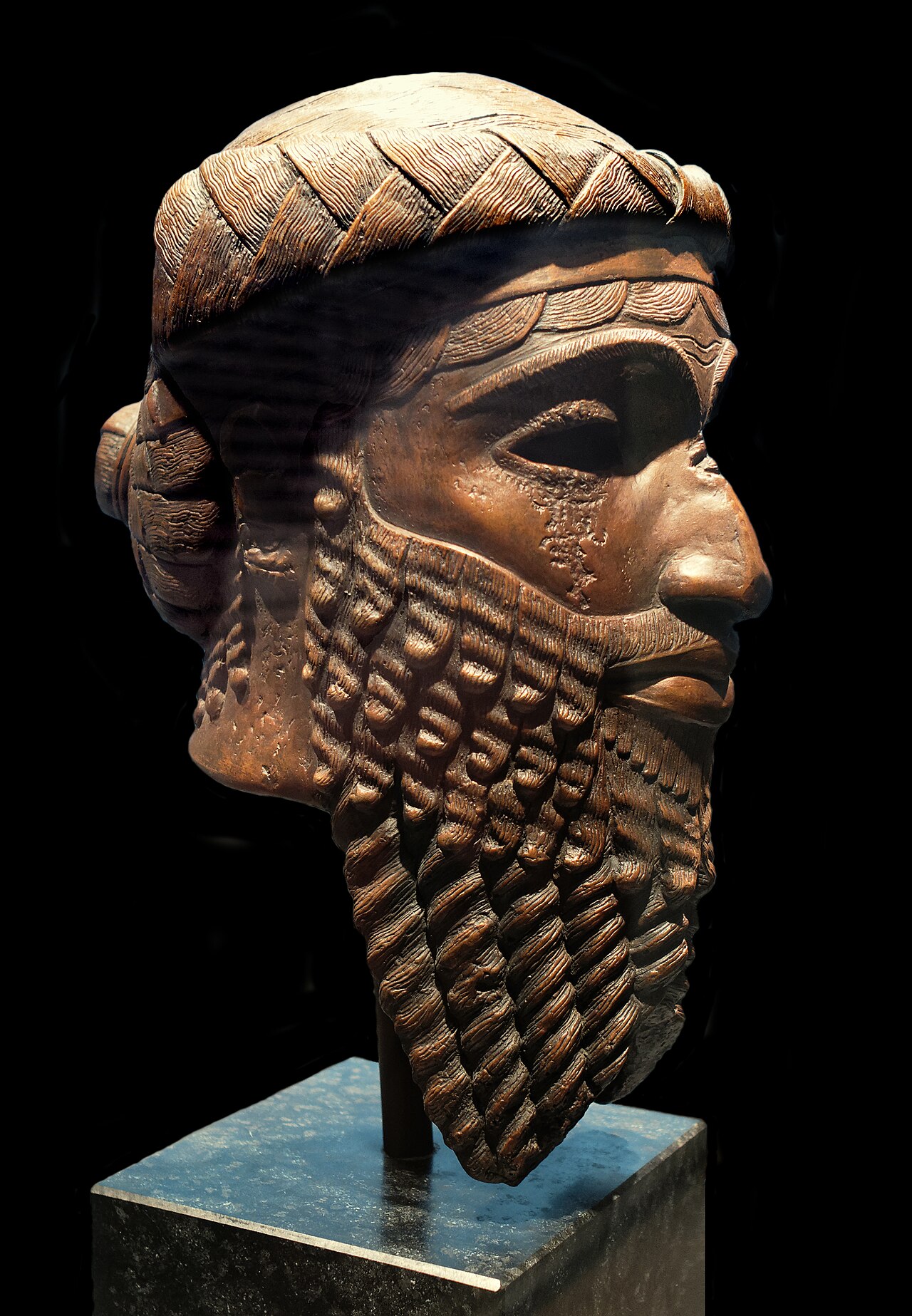 Sculpture
Primary source
Head of an Akkadian Ruler
c. 2300 BCE
 Sculpture
Primary source
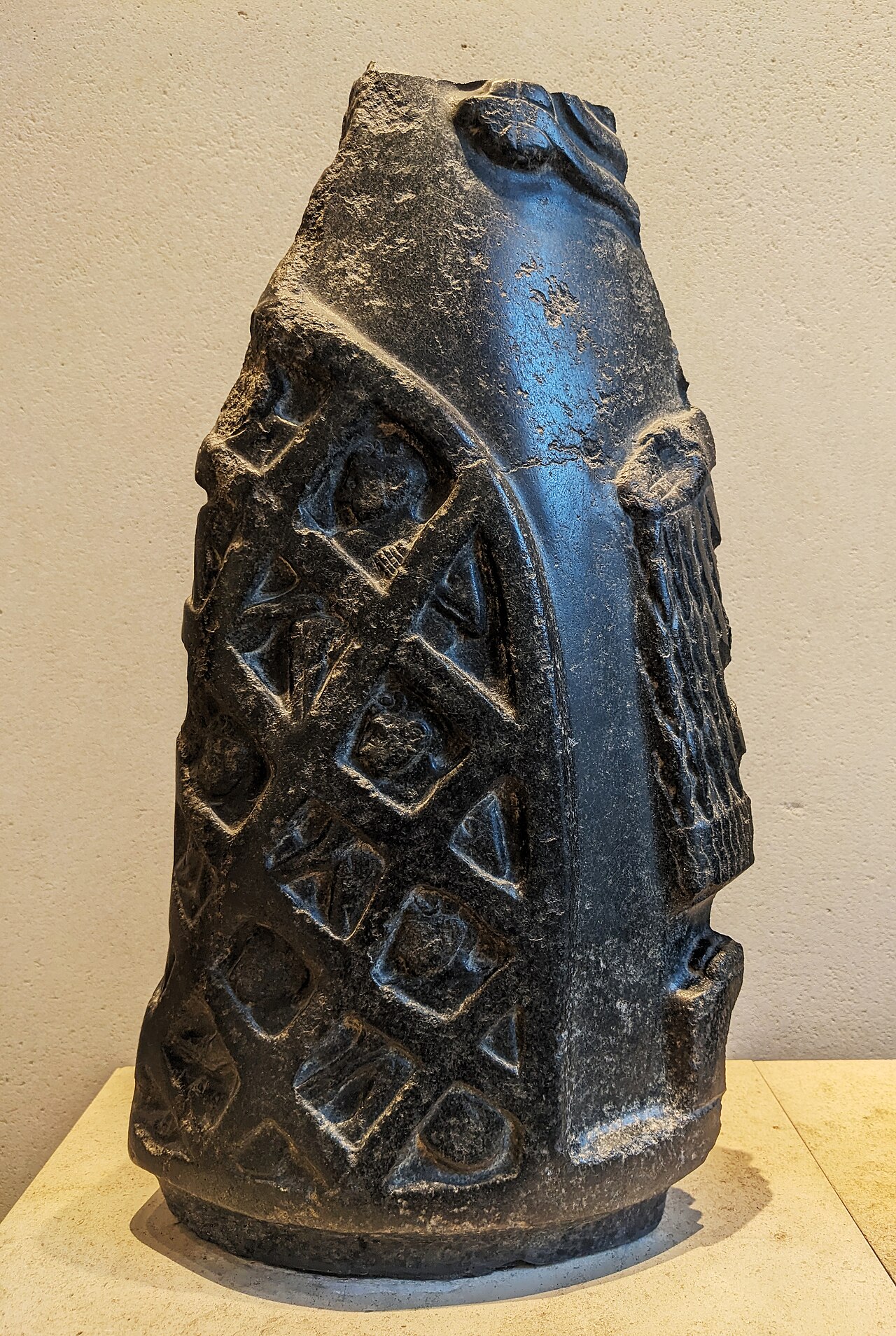
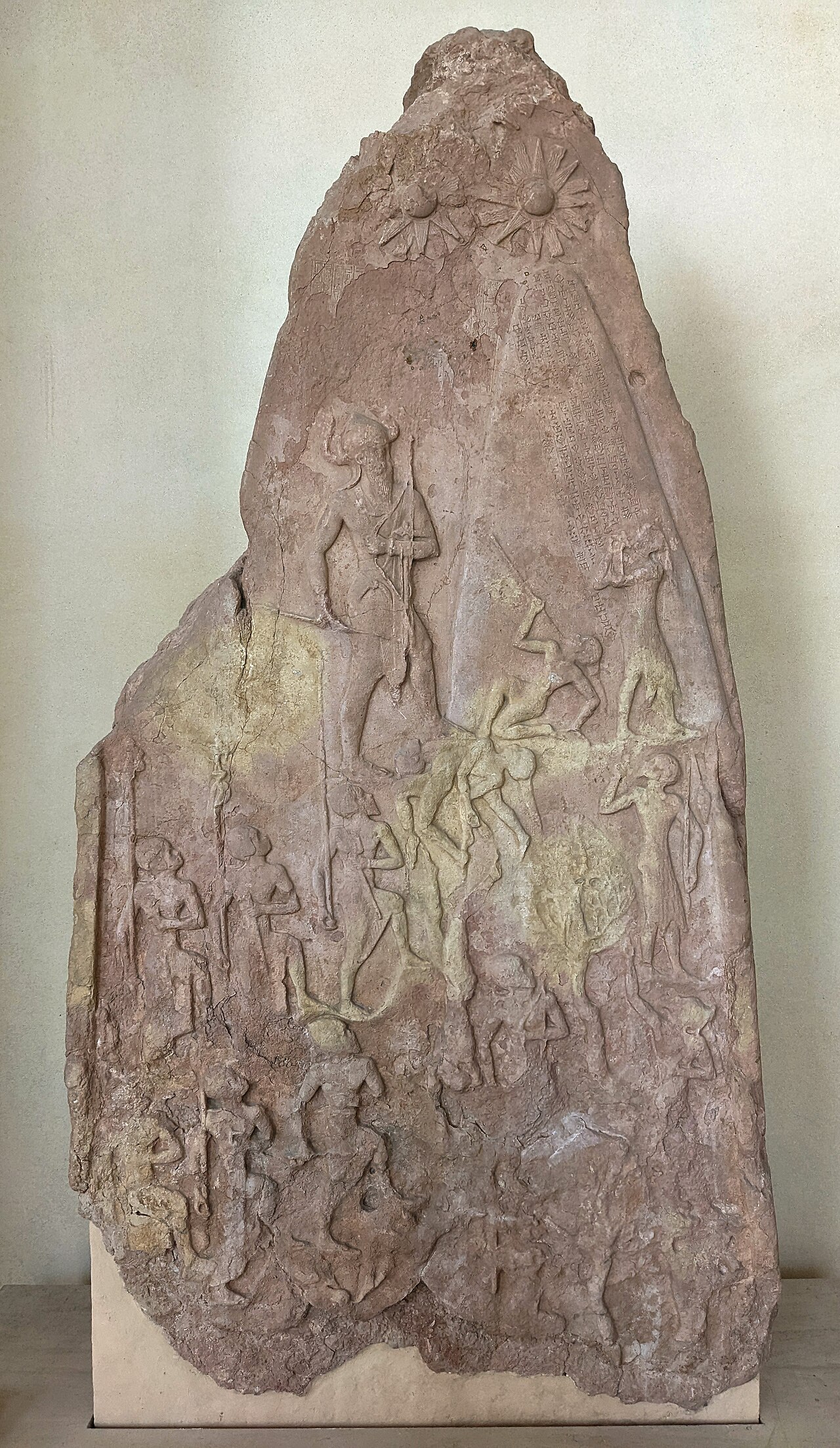
Victory Stele of Sargon
Akkadian royal workshop · c. 2300 BCE
 Document
Secondary source
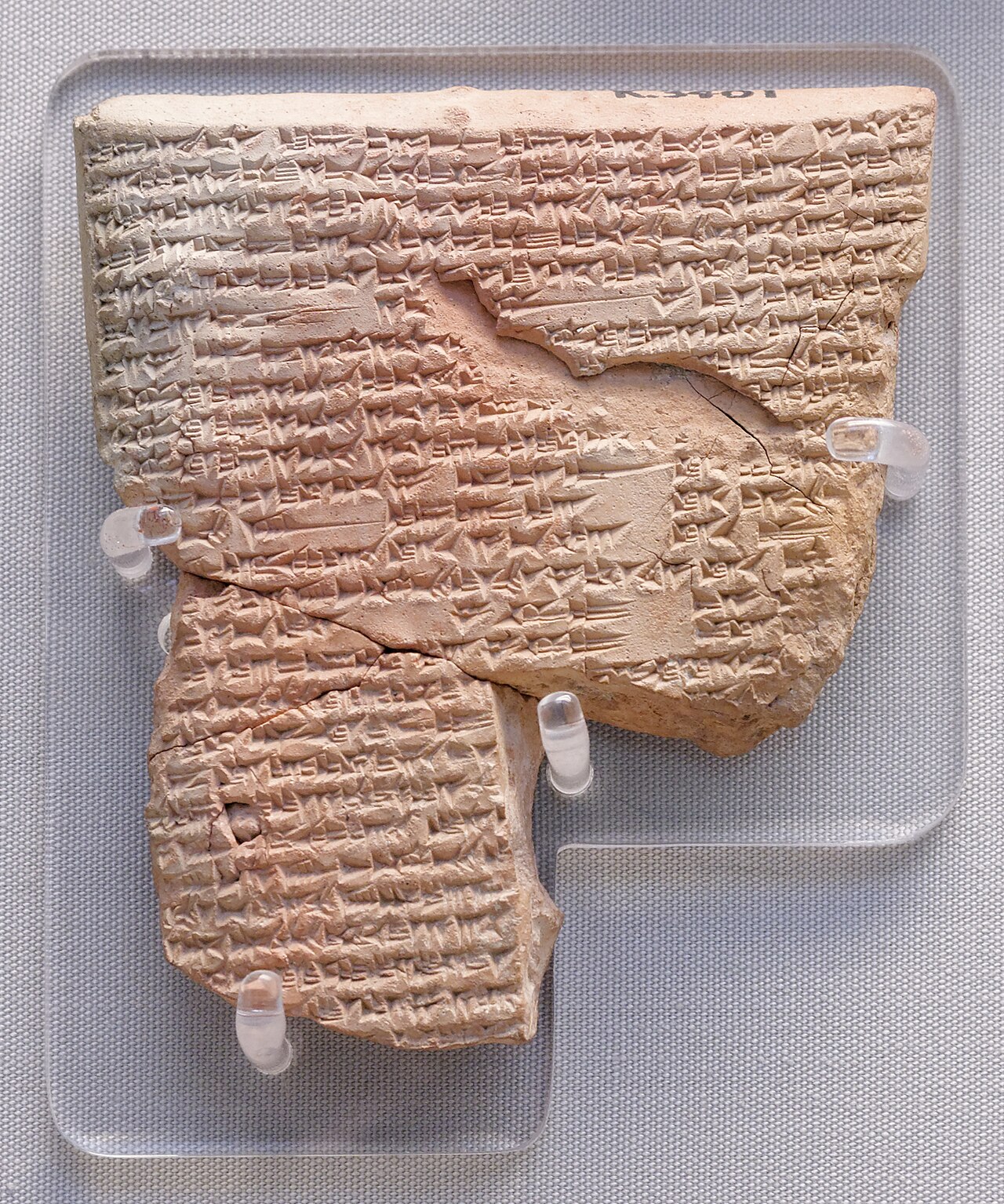
Birth of Sargon (Sargon Birth Legend Tablet)
Neo-Assyrian period
 Document
Secondary source
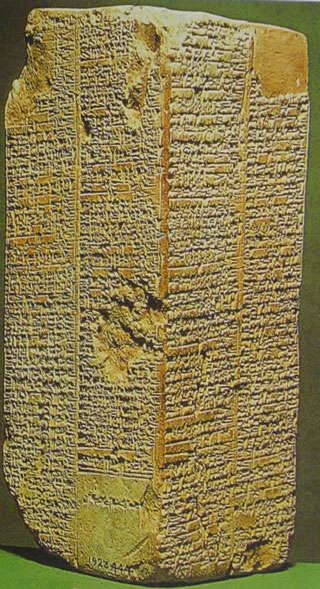
Weld-Blundell Prism
c. 1820 BCE
Free account
Read every Sargon of Akkad source
Sign up free →
Ready when you are
Start chatting with Sargon of Akkad now.
20 messages free · No credit card · Available in 50+ languages.