


Primary sourceDocument15 November 1889
Proclamation of the Republic
15 November 1889
The 1889 decree and coup that abolished the monarchy and ended Pedro II's reign as Emperor of Brazil.
This decree legally ended Pedro II's reign, deposing him as Emperor of Brazil.
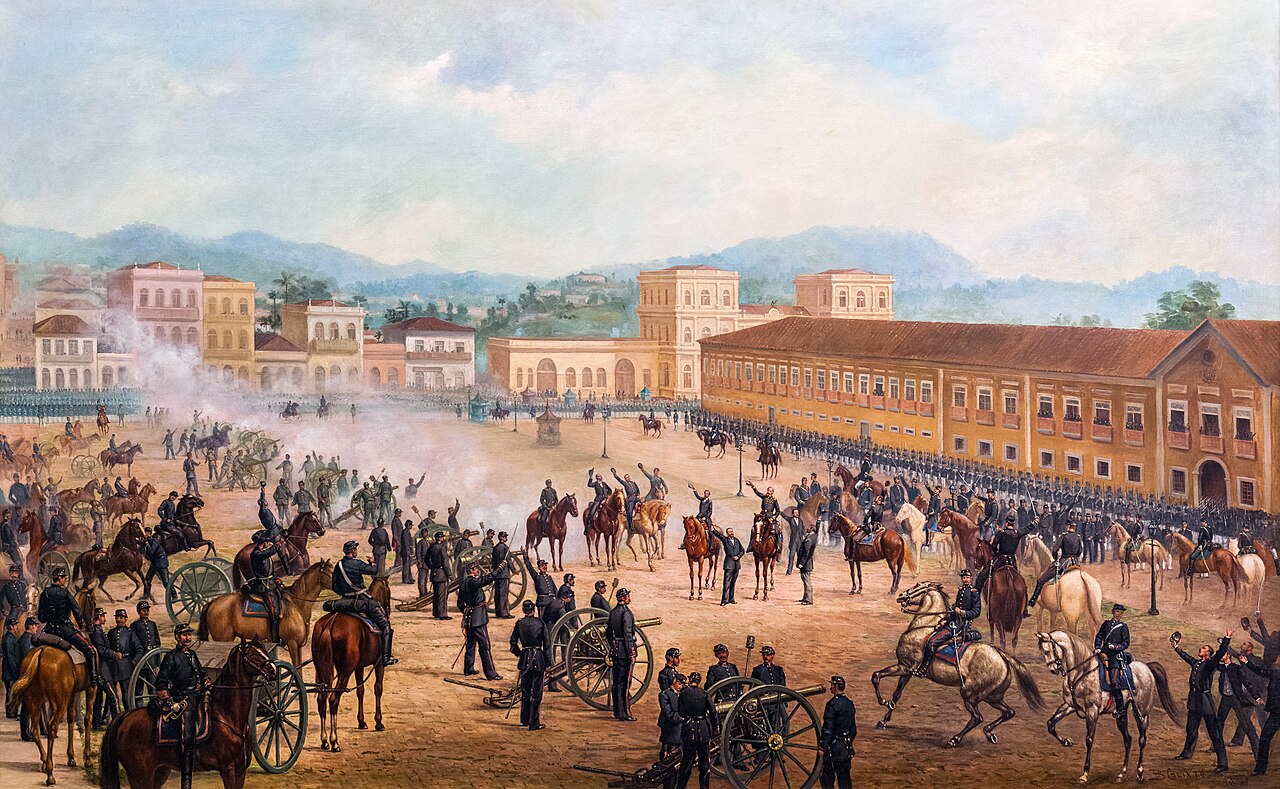
About this source
What it is
On 15 November 1889, military officers led by Marshal Deodoro da Fonseca staged a coup in Rio de Janeiro, the imperial capital, deposing Emperor Pedro II and his prime minister, the Viscount of Ouro Preto. A provisional republican government was declared the same day, with Deodoro da Fonseca as president.
Why it matters
This event ended nearly six decades of monarchy. Resentment had grown among slaveholding elites after the abolition of slavery in 1888 without compensation, among progressives over the Empire's slow reforms and limited voting rights, and among the army, influenced by republican ideas. Many worried about succession to Pedro II's daughter Isabel and her French husband. Though many respected Pedro II personally, support for the imperial system itself had collapsed.
Look closer
- What does the painting show about who took part in this event, and who is missing from the scene?
- Why might a coup be described as happening
This document is part of the curated material that grounds the AI version of Pedro II of Brazil on Humy.ai — when students ask about related events, the AI can quote it and cite it.
More Pedro II of Brazil sources
Browse all 91 →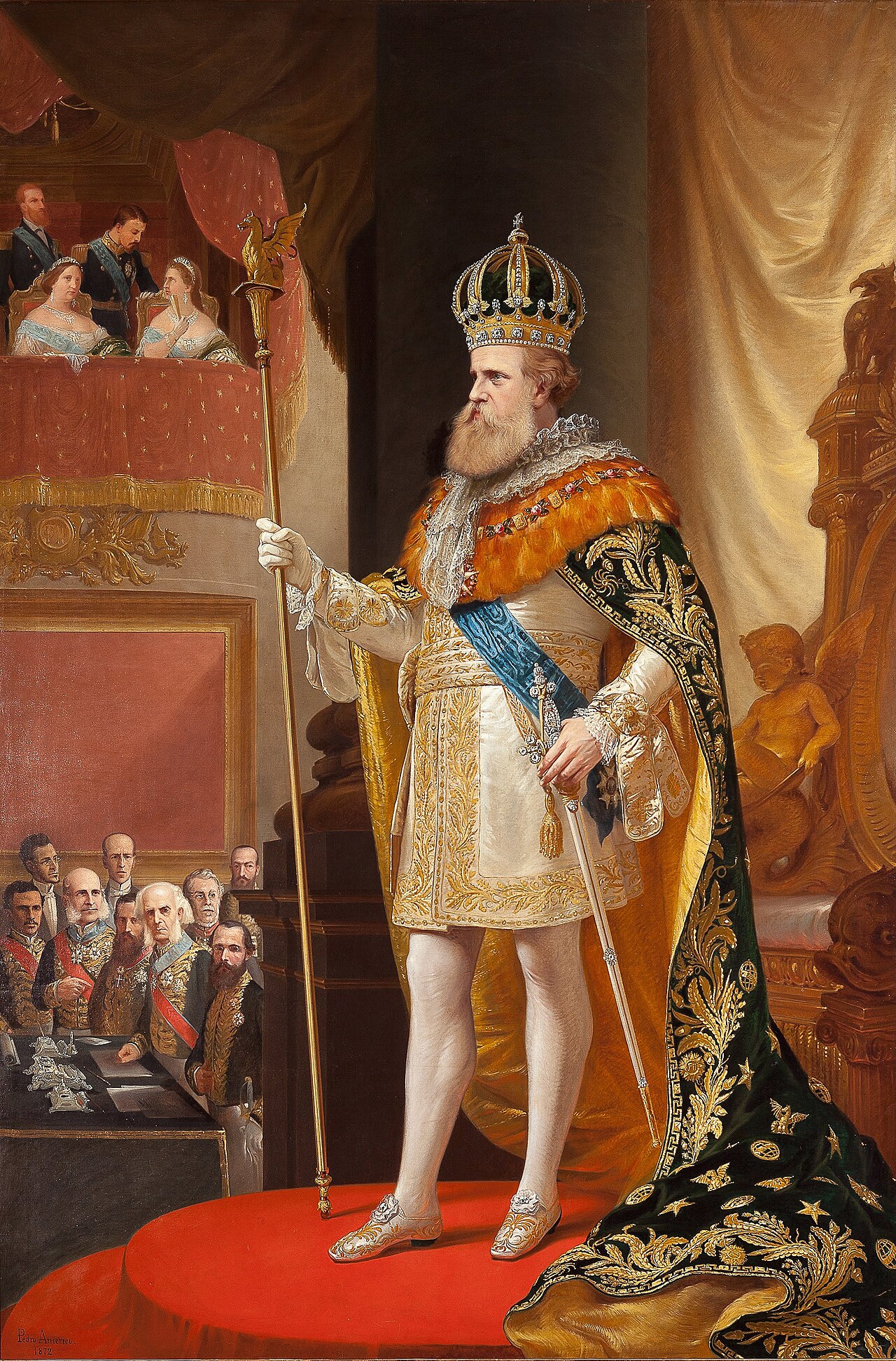 Painting
Secondary source
The Emperor's Speech from the Throne
Pedro Américo · 1872
 Painting
Secondary source
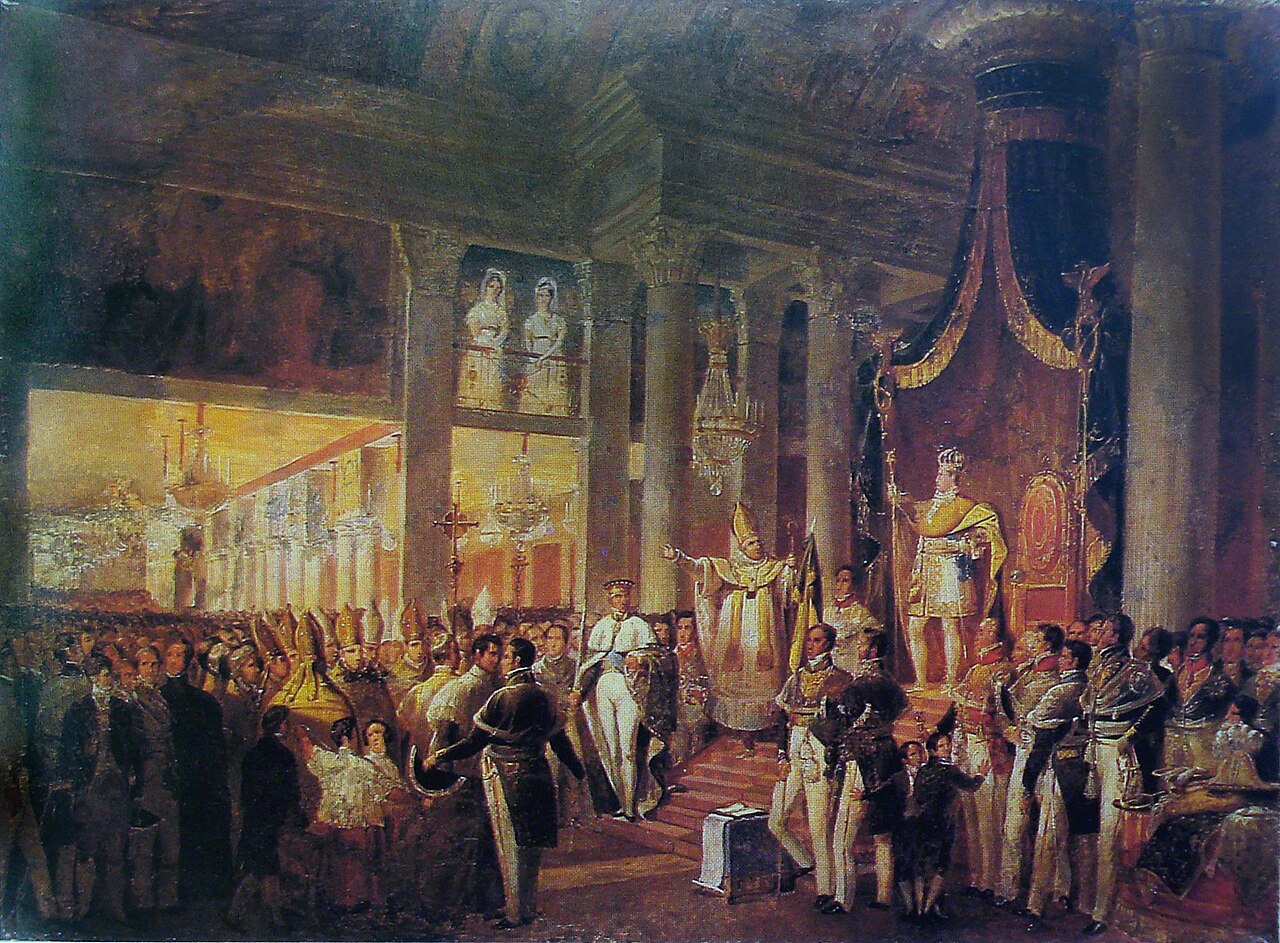
Coronation of Pedro II
Manuel de Araújo Porto-Alegre · 1845
 Photograph
Primary source
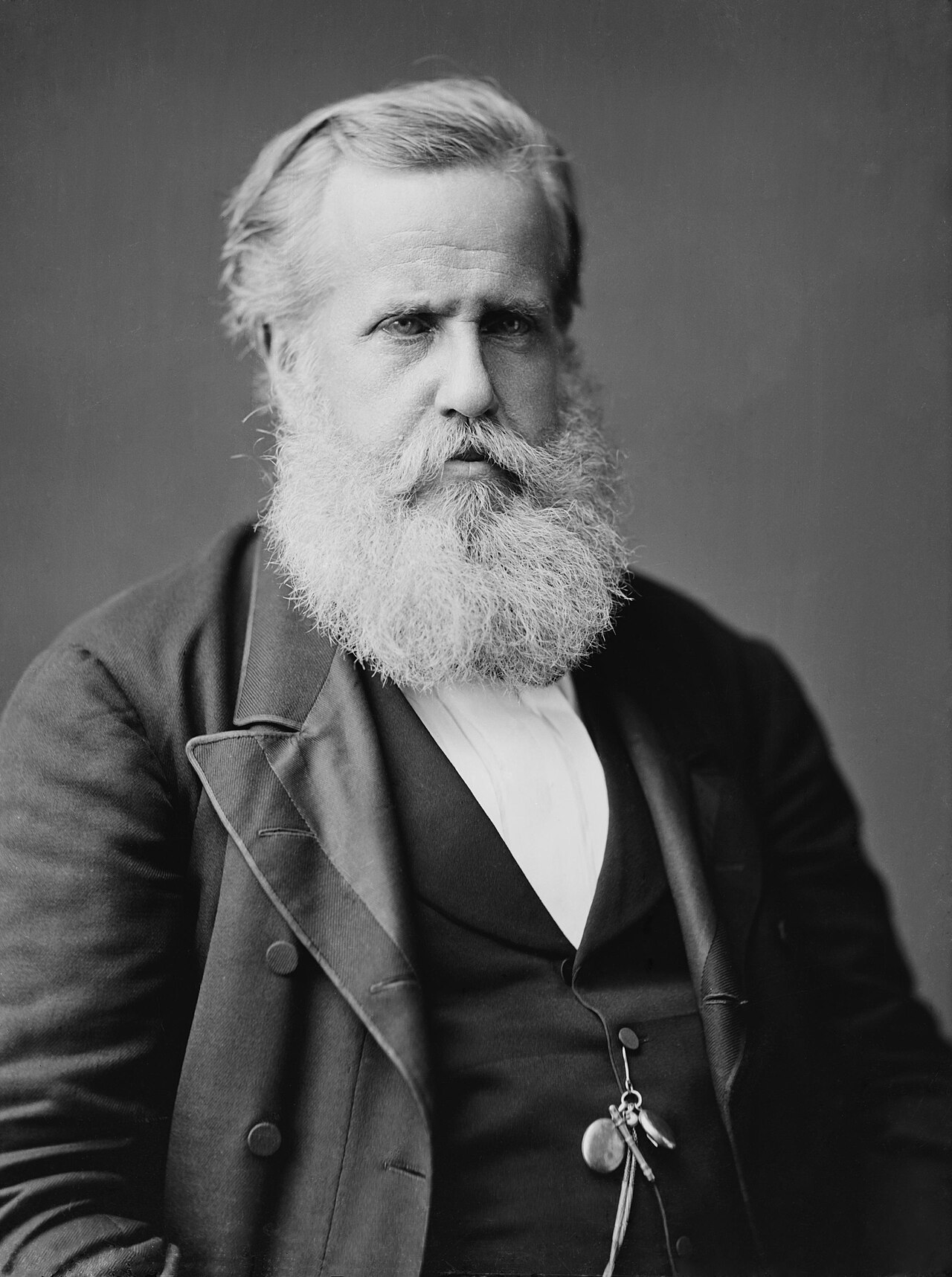
Pedro II of Brazil, Brady-Handy Portrait
Mathew Benjamin Brady / Levin Corbin Handy · 1876
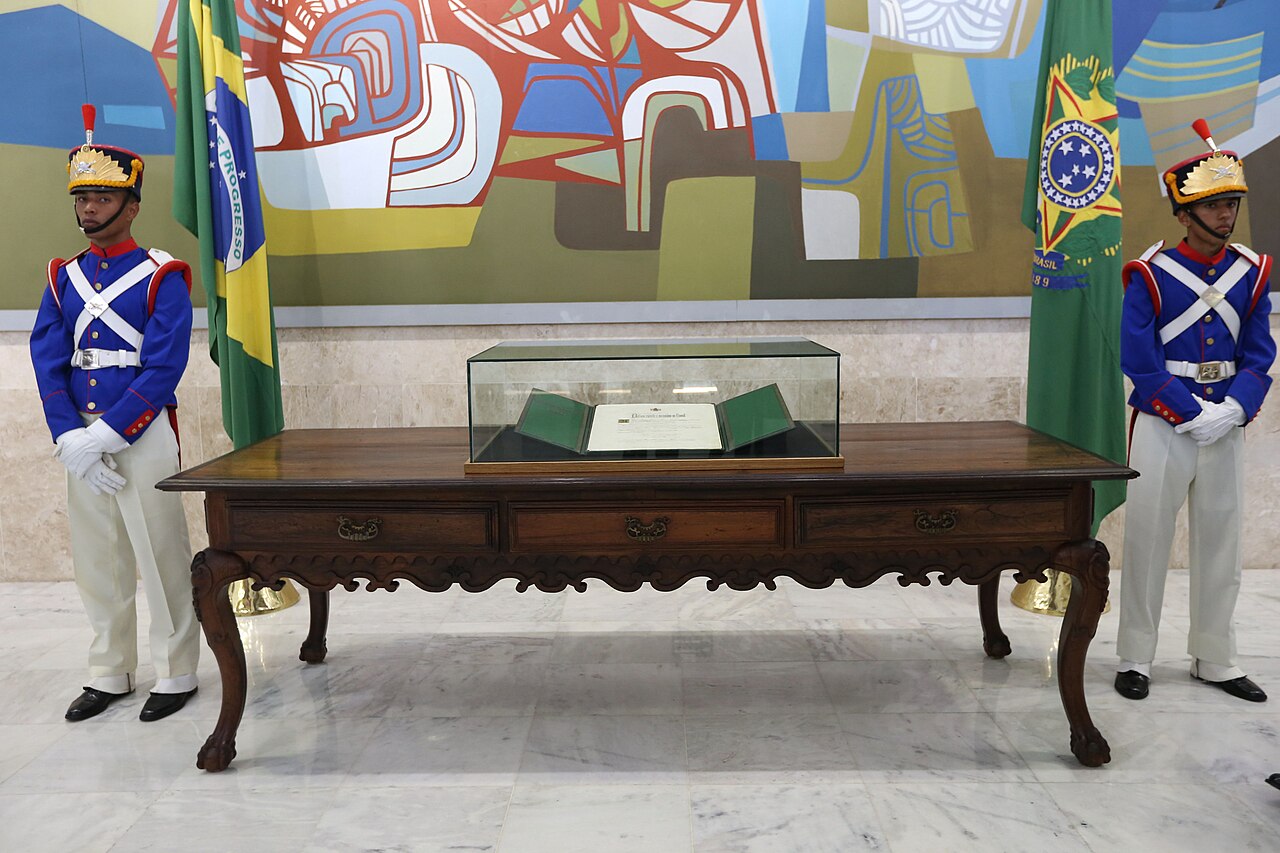 Document
Primary source
Lei Áurea (Golden Law)
Rodrigo Augusto da Silva · 13 May 1888
Free account
Read every Pedro II of Brazil source
Sign up free →
Ready when you are
Start chatting with Pedro II of Brazil now.
20 messages free · No credit card · Available in 50+ languages.