


Primary sourceDocument26 June 1724
Proclamation on the Poll Tax and Other Levies
Peter I · 26 June 1724
A 1724 printed proclamation issued in Peter the Great's name setting out the poll tax used to fund Russia's army.
Issued in Peter's own name, this proclamation documents his direct role in reforming Russia's tax system.
Free Humy account · No credit card · 120,912 sources to read
About this source
What it is
This is a printed poster proclamation from 1724, issued under the name of Peter I, emperor and autocrat of all Russia. It explains how the new poll tax would be collected to pay for army and garrison regiments, and gives instructions for local officials (land commissars) chosen by landowners to carry out the collection.
Why it matters
This document shows one of Peter's major fiscal reforms: replacing older taxes with a tax counted per male person, used to fund his modernized military. It reveals how the state tried to reach deep into ordinary people's lives, and how officials were warned not to abuse their power or demand extra money.
Look closer
- Why might the government have needed to explain the rules so publicly, in a printed poster?
- What does the warning against officials taking bribes tell you about problems in tax collection?
- Who decided who became a 'land commissar,' and what does that reveal about power in the countryside?
This document is part of the curated material that grounds the AI version of Peter the Great on Humy.ai — when students ask about related events, the AI can quote it and cite it.
More Peter the Great sources
Browse all 89 →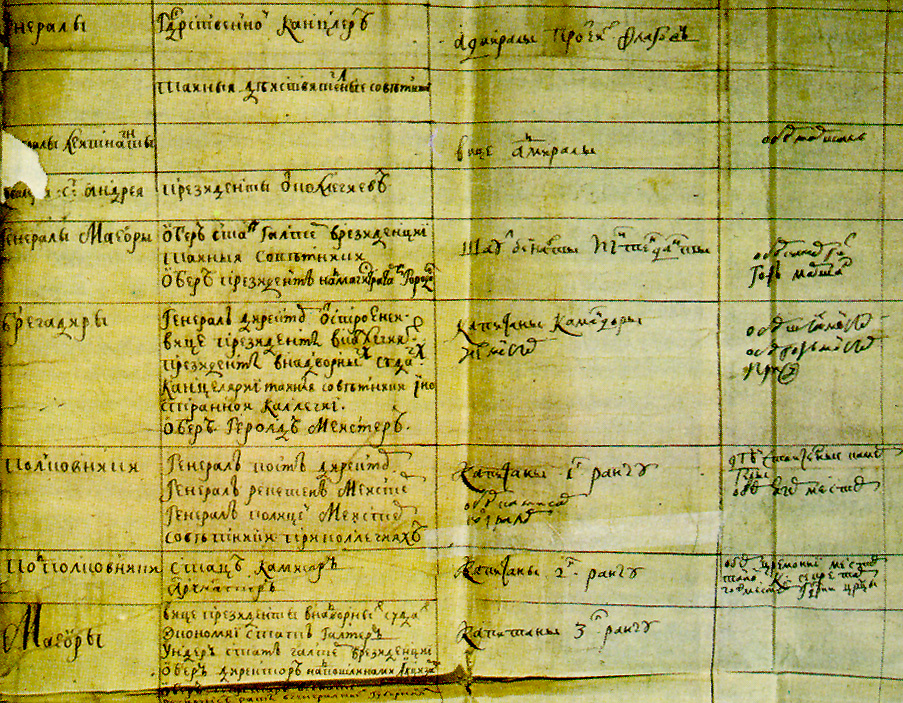 Document
Primary source
Table of Ranks
Peter the Great · 1722
 Document
Primary source
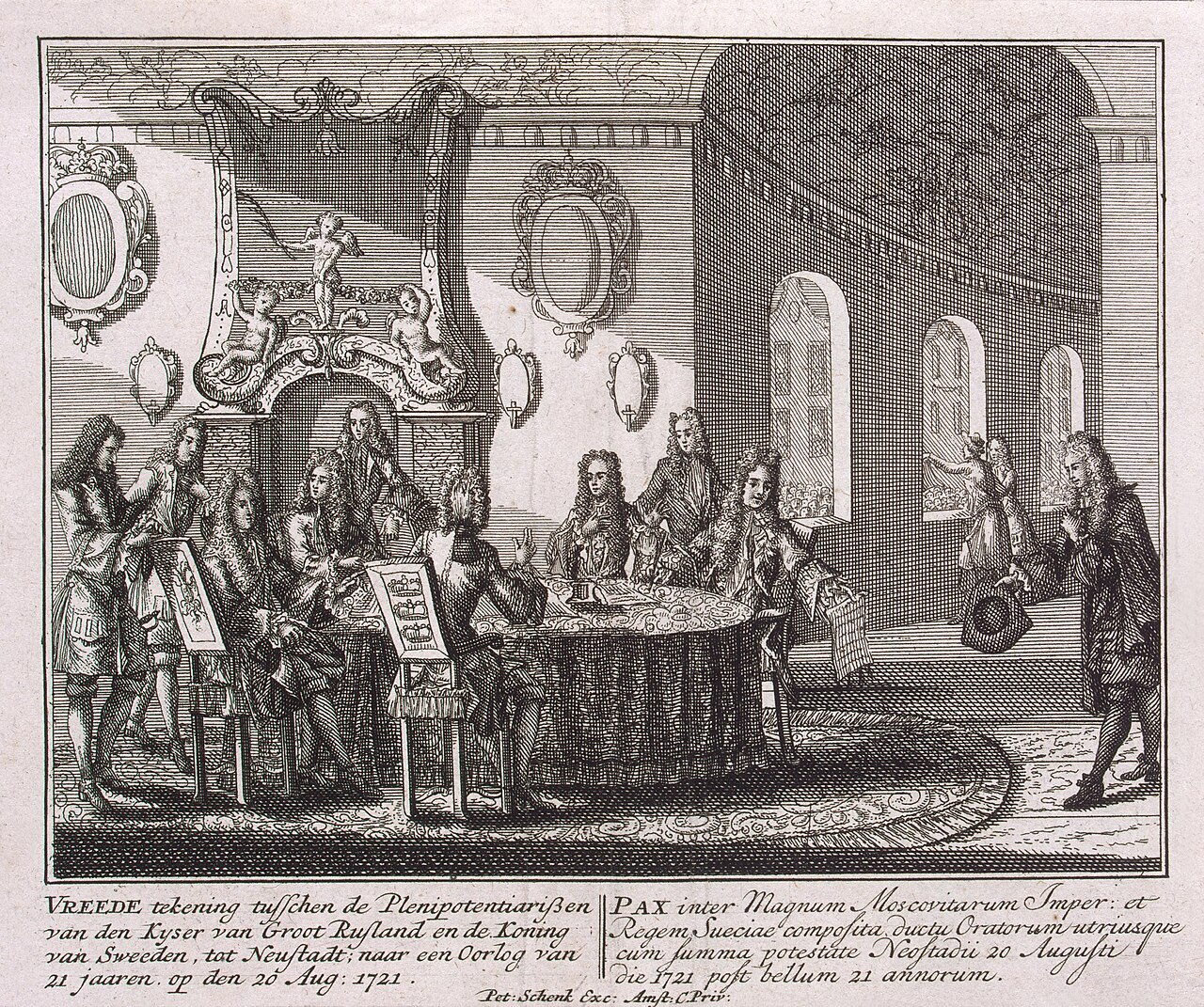
Treaty of Nystad
1721
 Painting
Primary source
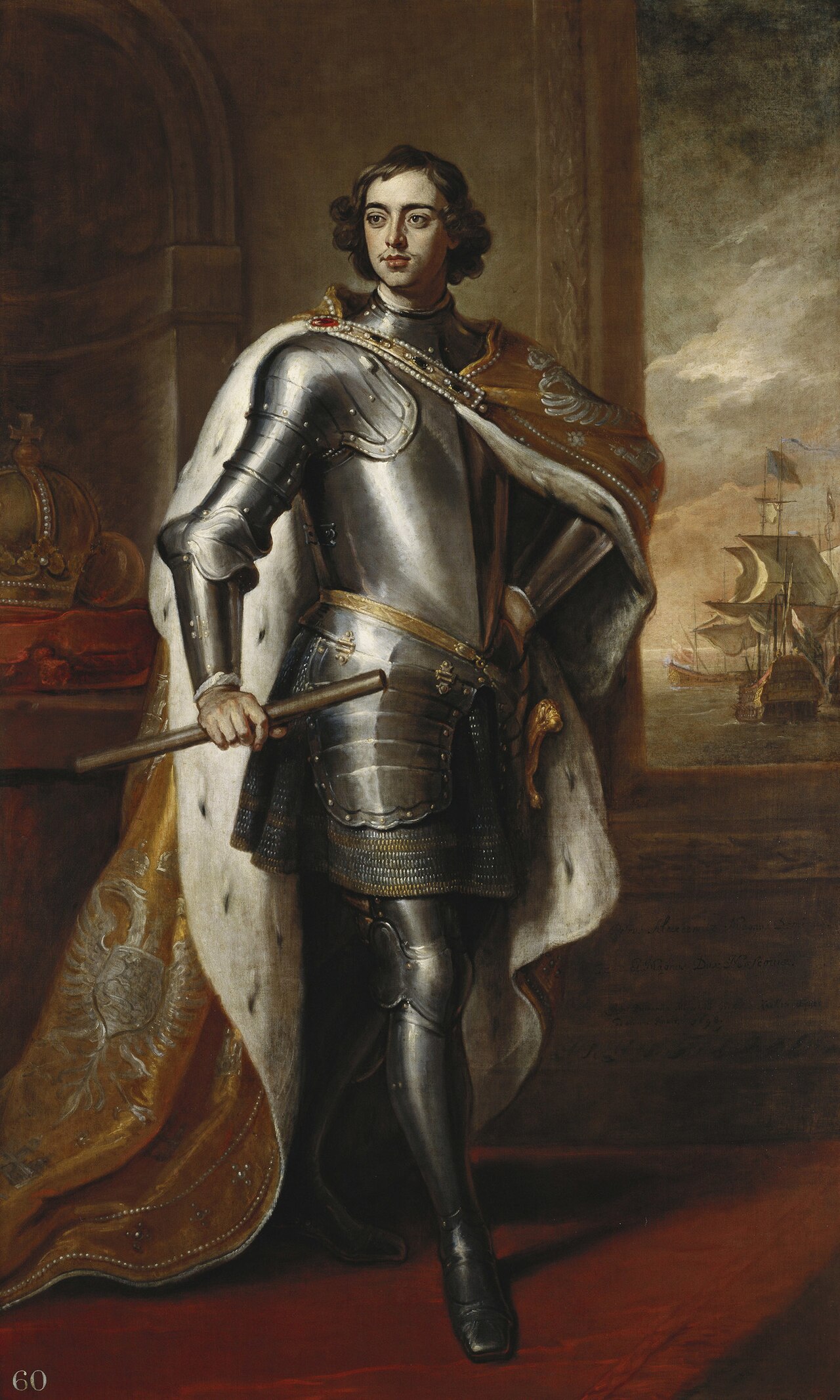
Peter the Great, Tsar of Russia (1672-1725)
Godfrey Kneller · 1698
 Diary entry
Primary source
Diary of an Austrian Secretary of Legation
Johann Georg Korb · 1700

Free account
Read every Peter the Great source
Sign up free →
Ready when you are
Start chatting with Peter the Great now.
20 messages free · No credit card · Available in 50+ languages.