


Primary sourceArtifact622 CE, expanded later
Prophet's Mosque
622 CE, expanded later
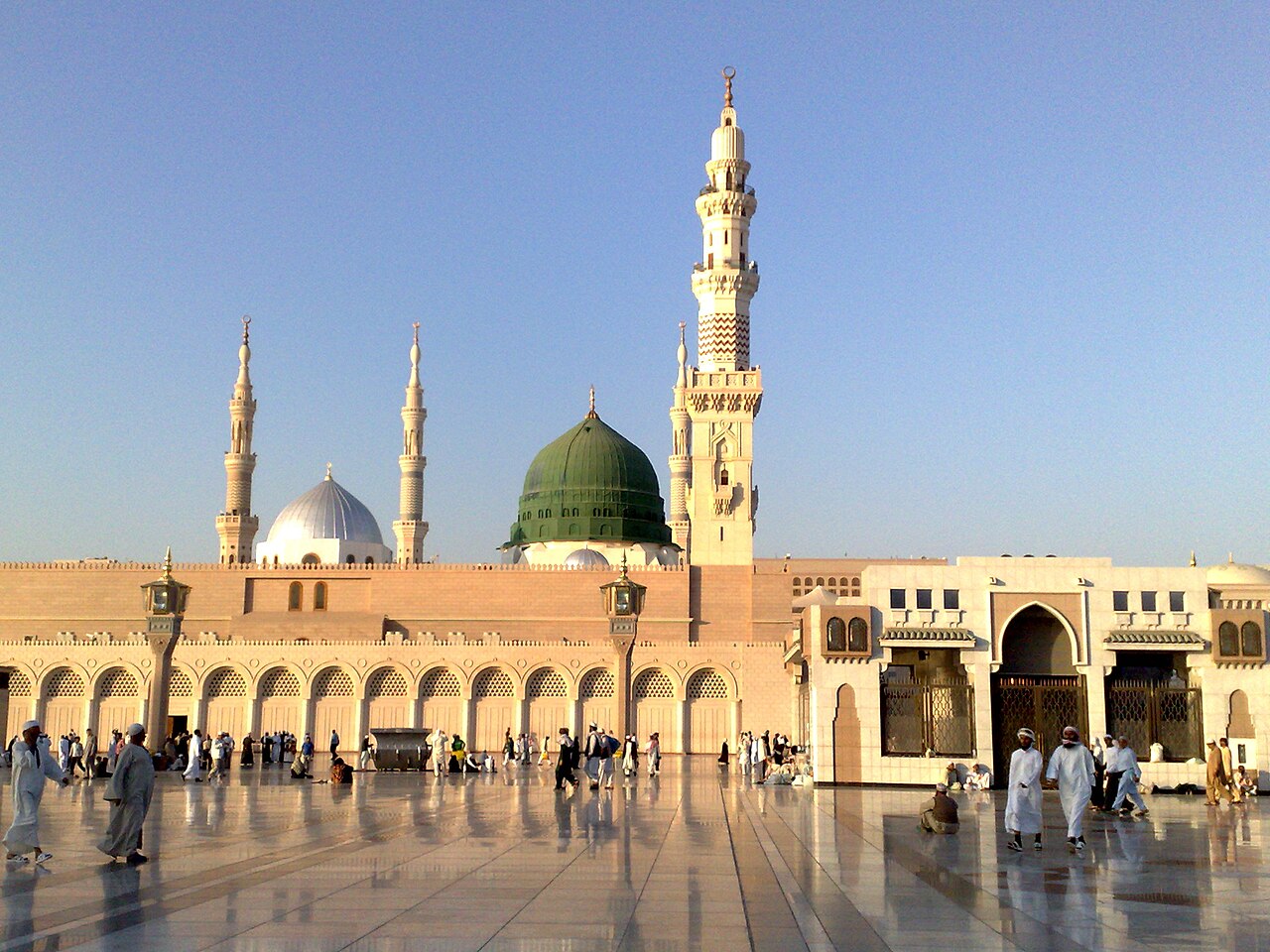
A mosque in Medina founded by Muhammad in 622 beside his house, later expanded to enclose his tomb.
Muhammad founded this mosque beside his house in Medina, and it later became his burial place.
Free Humy account · No credit card · 120,288 sources to read
About this source
What it is
The Prophet's Mosque was built in Medina in 622 after Muhammad's arrival there. He bought the land from two orphans, Sahl and Suhayl, with the price paid by Abu Ayyub al-Ansari, and the mosque was completed in about seven months. It began as a simple structure with a palm-trunk roof and served as a place of prayer, a court, and a school. Later rulers, including the caliphs and the Umayyad caliph al-Walid I, greatly expanded and decorated it, and it now contains the tombs of Muhammad, Abu Bakr and Umar beneath the Green Dome, built over the former house of Aisha.
Why it matters
The mosque was the center of Muhammad's community in Medina, combining worship, government and daily life. Its growth under later caliphs shows how Muhammad's legacy shaped the architecture and politics of the growing Islamic world. It remains one of the holiest sites in Islam and a major pilgrimage destination.
Look closer
- What does the mosque's many expansions tell you about the growth of the Muslim community?
- Why might later rulers have wanted to add their names to the mosque's walls and gates?
- What does the burial of Muhammad within the mosque suggest about its importance?
This artifact is part of the curated material that grounds the AI version of Muhammad, Fahd of Saudi Arabia, Caliph Umar ibn al-Khattab and Hasan ibn Ali on Humy.ai — when students ask about related events, the AI can quote it and cite it.
More Muhammad sources
Browse all 71 →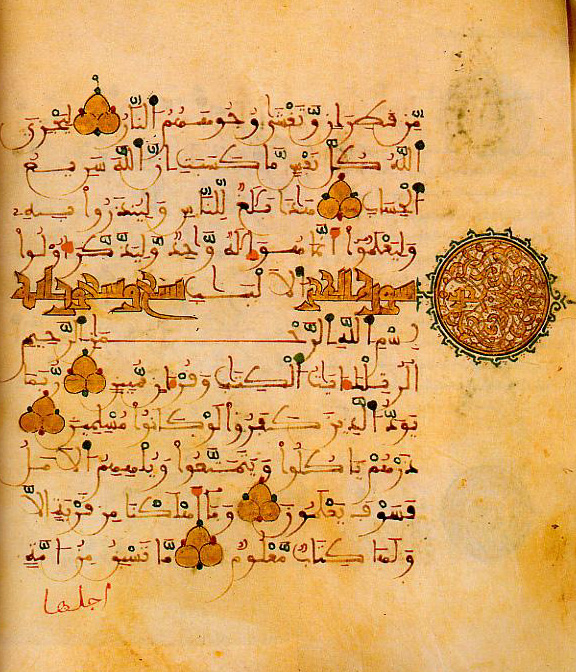 Book
Primary source
Qur'an
compiled 632-656 (this manuscript 12th century)
 Document
Primary source
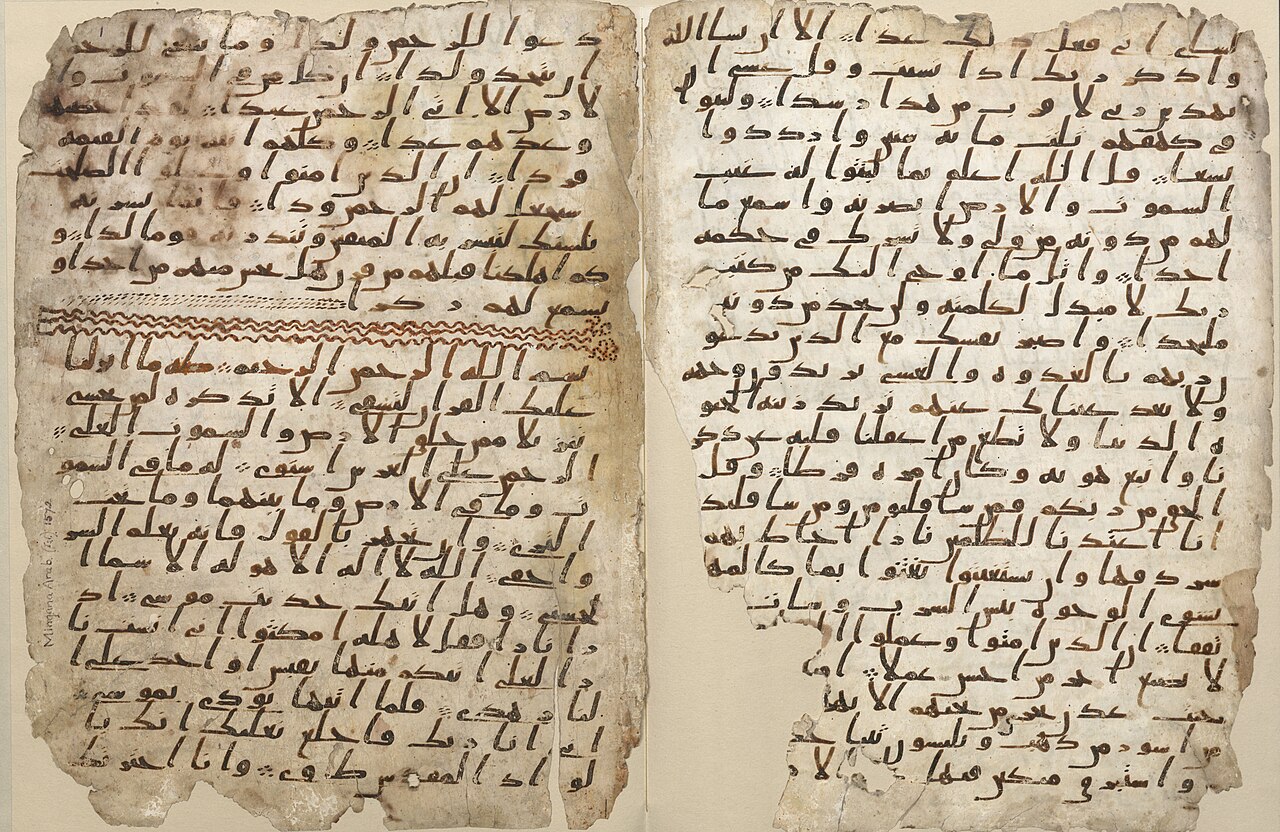
Birmingham Quran Manuscript
568–645 CE
 Book
Primary source
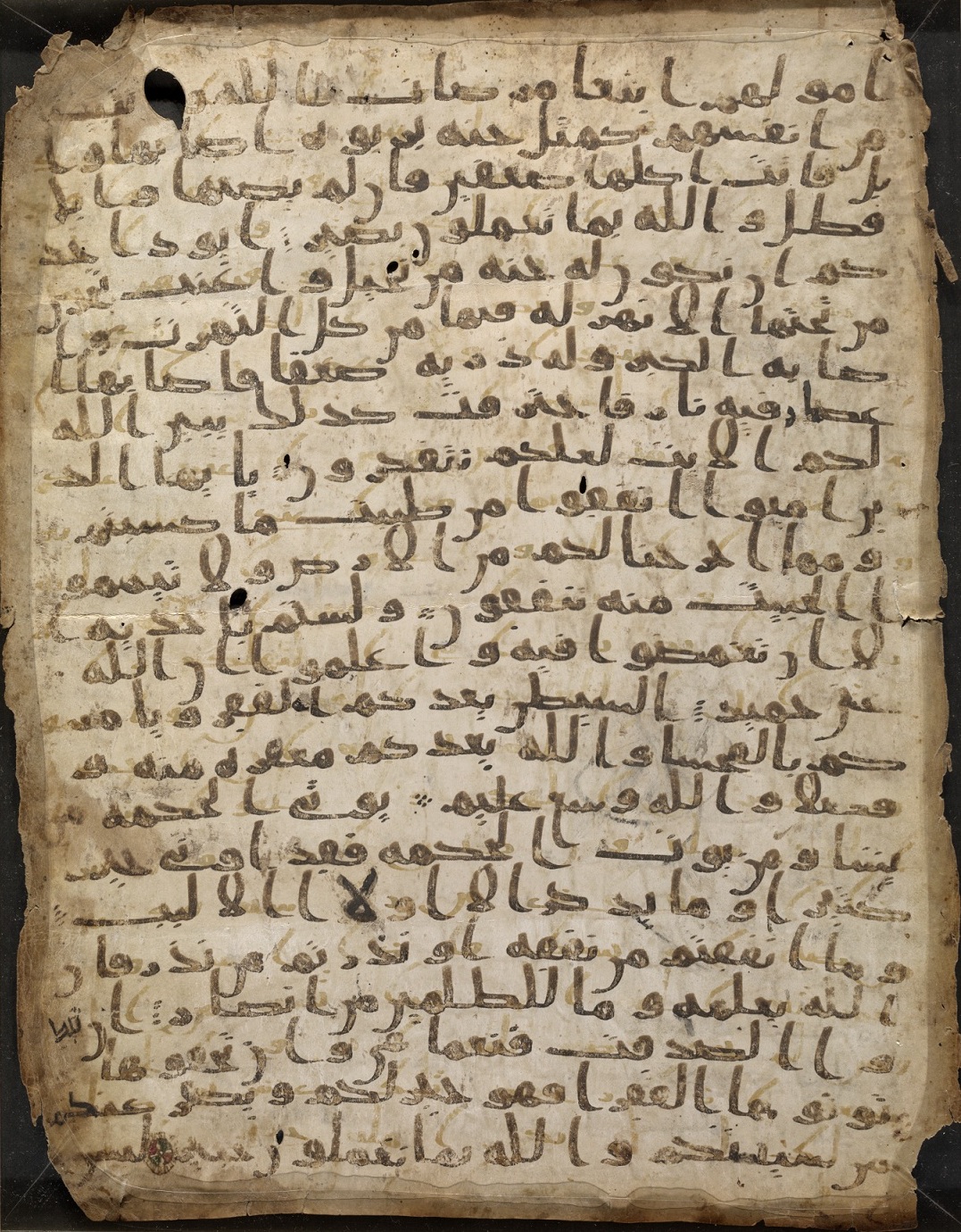
Sana'a Manuscript
c. 650 CE
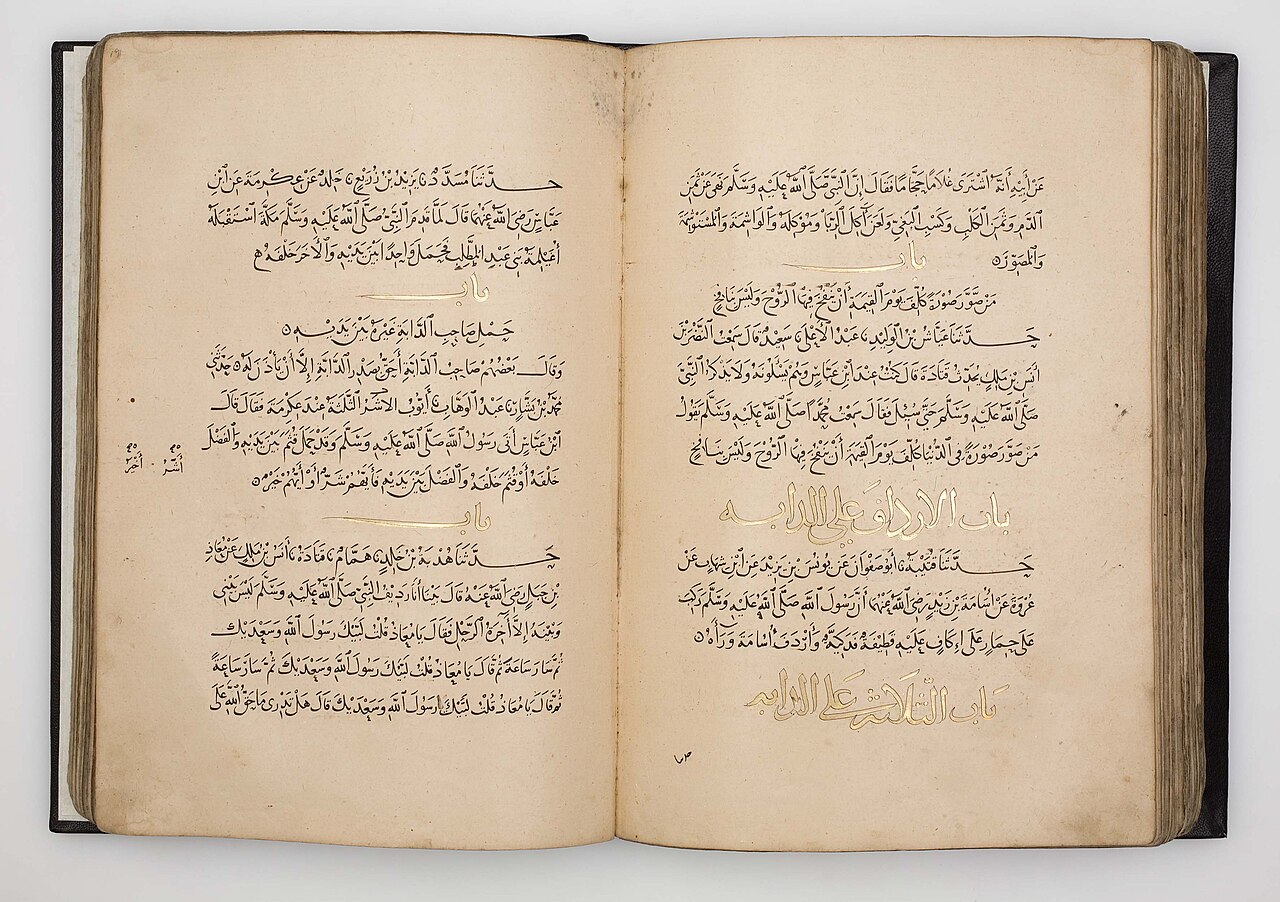 Book
Secondary source
Sahih al-Bukhari
Muhammad ibn Isma'il al-Bukhari · c. 846 CE
Free account
Read every Muhammad source
Sign up free →
Ready when you are
Start chatting with Muhammad now.
20 messages free · No credit card · Available in 50+ languages.