


Secondary sourceSculpturec. 1475
Publius Cornelius Scipio Africanus
Workshop of Verrocchio · c. 1475
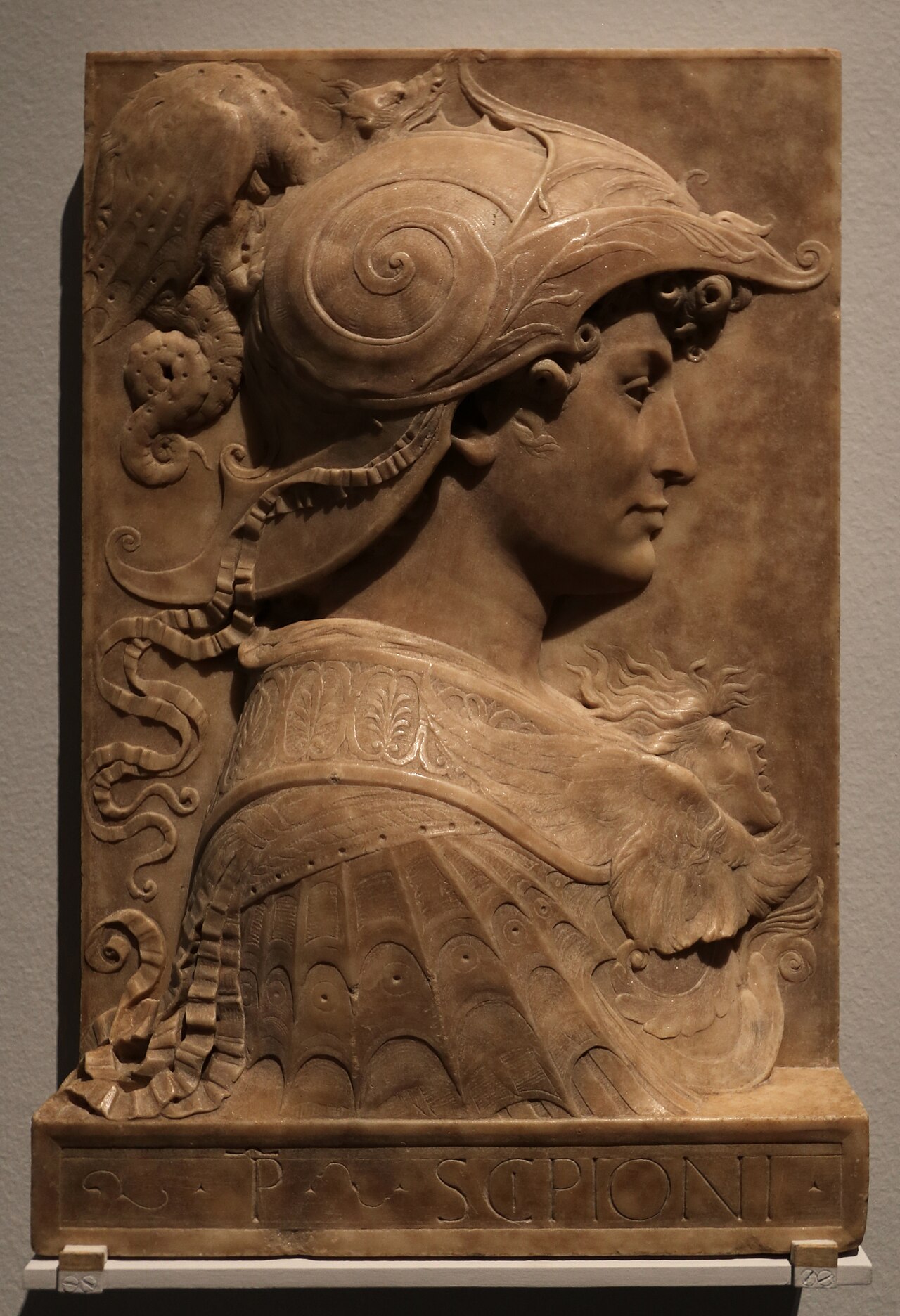
A Florentine marble relief of about 1475 imagining Scipio Africanus as an idealized armored hero, linked to Verrocchio's workshop.
An imagined idealized portrait bust created centuries after his life to honor him as a heroic figure.
About this source
What it is
This marble relief, made around 1475 and associated with the workshop of the sculptor Verrocchio, shows an imagined profile portrait of Scipio Africanus wearing elaborate armor and a crested helmet. It is held by the Department of Sculptures of the Louvre.
Why it matters
Since no accurate ancient likeness of Scipio survived, Renaissance artists invented idealized portraits like this one to celebrate him as a legendary military hero. The relief reflects how 15th-century Florentine patrons admired ancient Roman virtue and wanted to surround themselves with imagined images of classical greatness.
Look closer
- Since no real portrait of Scipio existed, what choices did the sculptor make to show him as heroic?
- Why might the helmet be decorated with a snake and a bird?
- What does this relief tell us about how the Renaissance imagined ancient Rome, rather than how Rome actually looked?
This sculpture is part of the curated material that grounds the AI version of Scipio Africanus on Humy.ai — when students ask about related events, the AI can quote it and cite it.
More Scipio Africanus sources
Browse all 94 →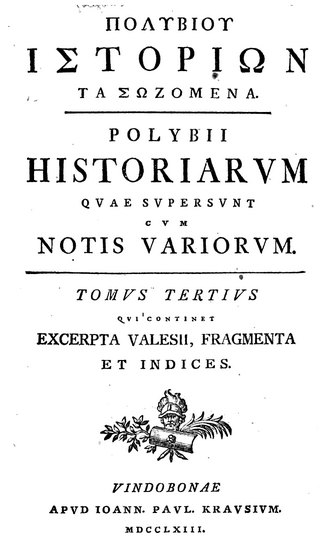 Book
Secondary source
The Histories
Polybius · c. 150 BCE
 Book
Primary source
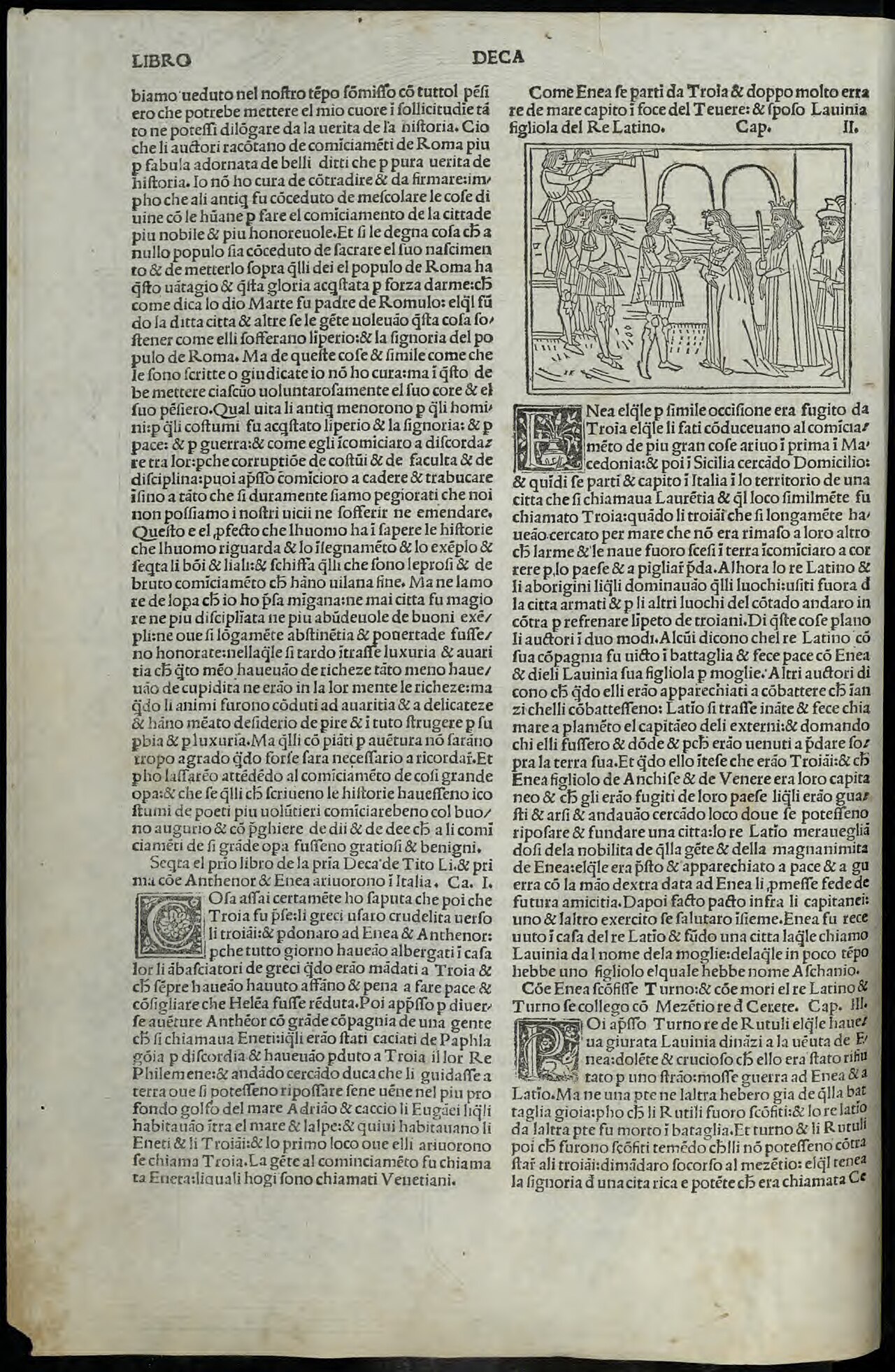
History of Rome
Titus Livius · 27-9 BC
 Book
Secondary source
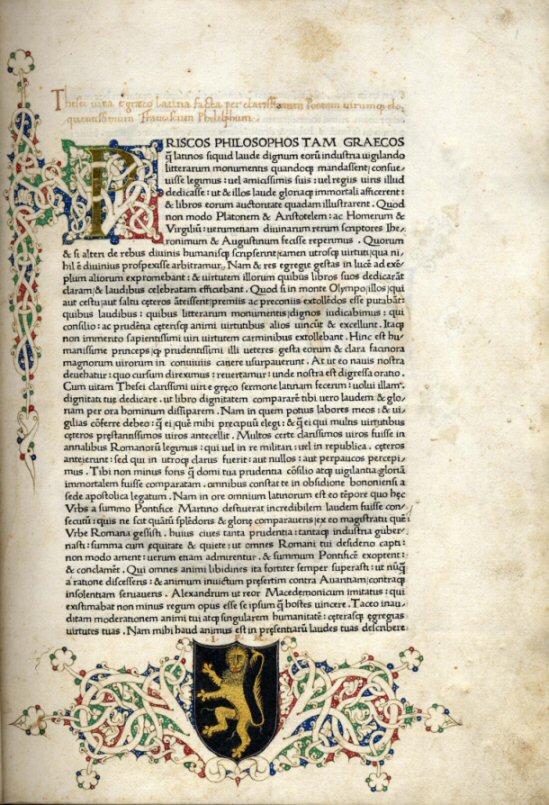
Parallel Lives
Plutarch · c. 100-120 AD
 Letter
Primary source
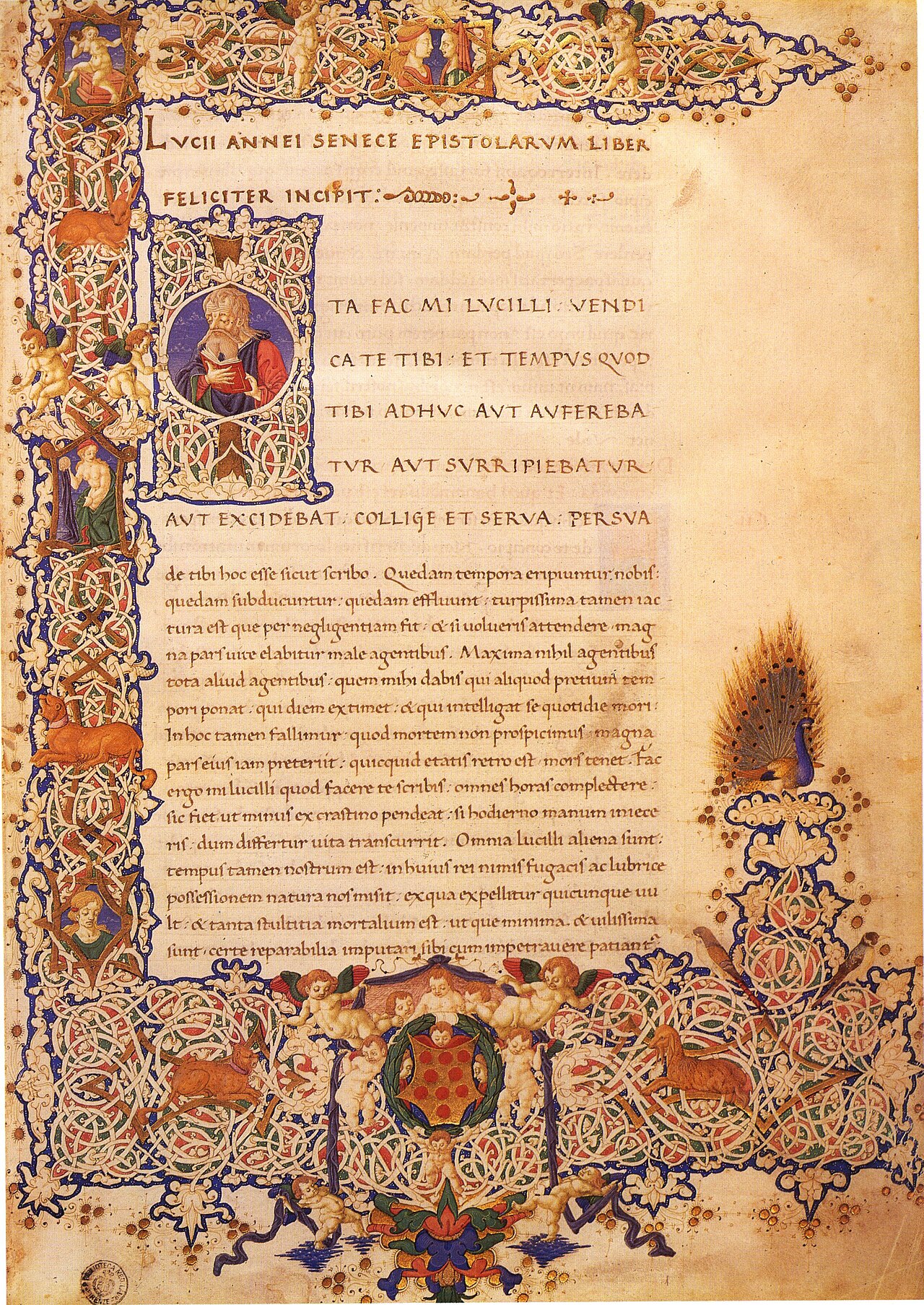
Epistulae Morales ad Lucilium
Seneca · c. 62-65 CE
Free account
Read every Scipio Africanus source
Sign up free →
Ready when you are
Start chatting with Scipio Africanus now.
20 messages free · No credit card · Available in 50+ languages.