


Primary sourceLetterc. 62-65 CE
Epistulae Morales ad Lucilium
Seneca · c. 62-65 CE
A collection of 124 personal letters written by Seneca near the end of his life, setting out his Stoic philosophy on time, death, friendship and daily Roman life.
Seneca's own collection of letters, his most personal philosophical work, written in his final years.
About this source
What it is
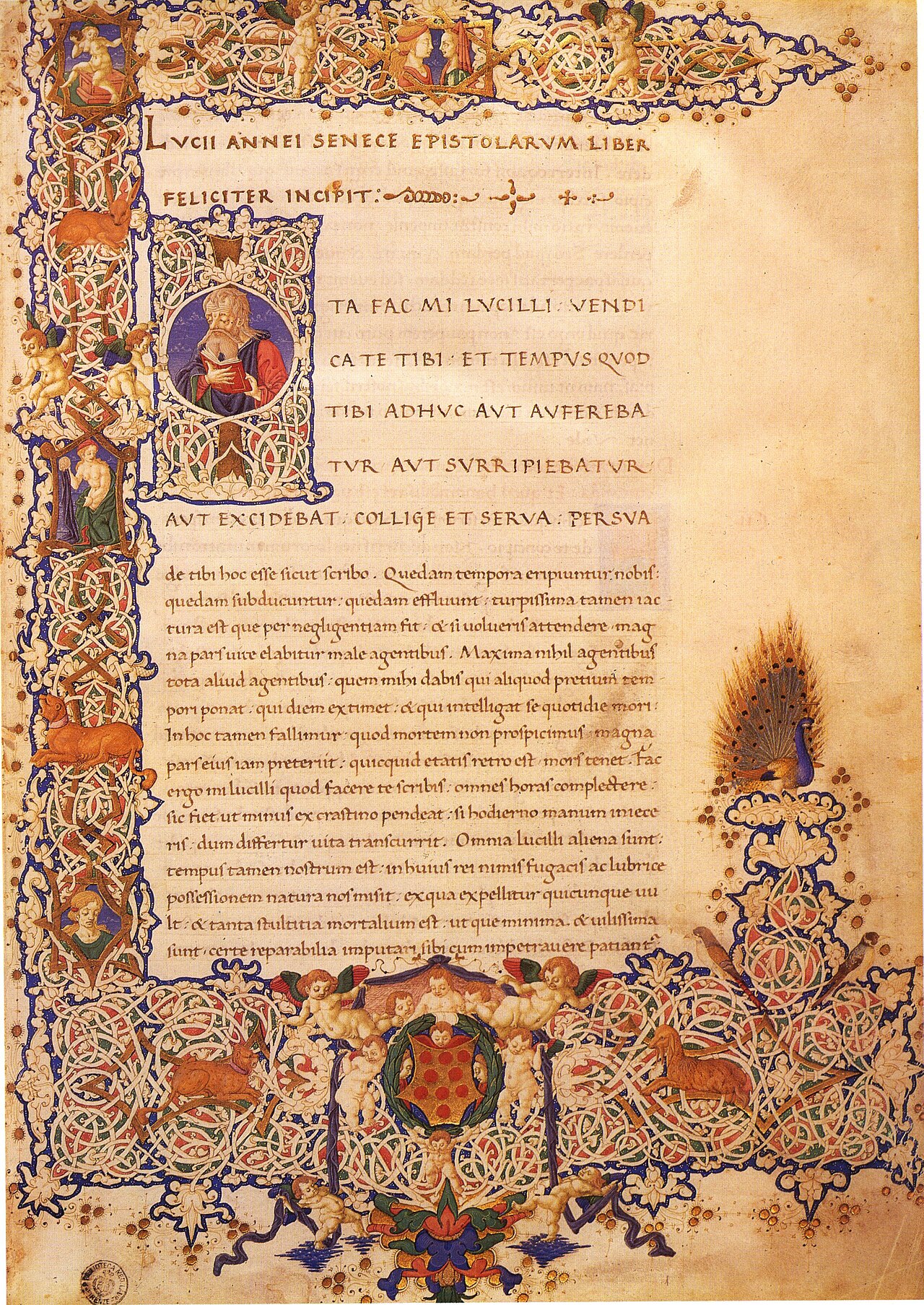
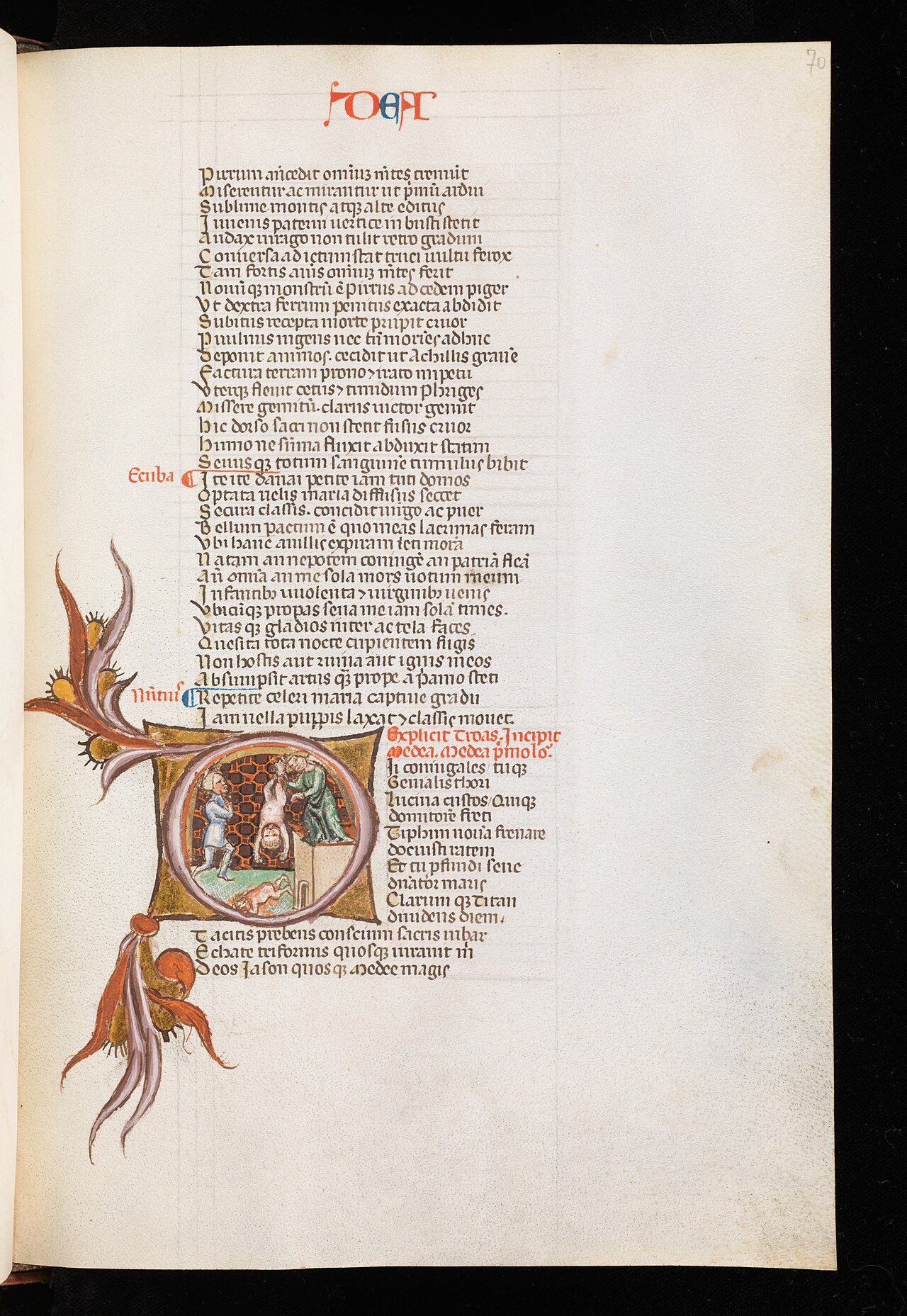
This is a collection of 124 letters written by Seneca to his friend Lucilius during his retirement from public life, probably in the last two or three years before his death in 65 CE. They survive in many later manuscripts, including richly illuminated medieval copies.
Why it matters
The letters are Seneca's longest and most personal work, mixing everyday observations with Stoic reflections on virtue, death and how to live well. They also offer glimpses of Roman daily life, including Seneca's views on the treatment of slaves, making them valuable both as philosophy and as a window into the first century.
Look closer
- Why might Seneca have written open letters meant for a wider audience rather than just Lucilius?
- What do the topics he chooses tell you about what mattered to a Roman Stoic philosopher?
- How might retirement and the approach of death have shaped what Seneca chose to write about?
This letter is part of the curated material that grounds the AI version of Seneca on Humy.ai — when students ask about related events, the AI can quote it and cite it.
More Seneca sources
Meet the AI Seneca →

Ready when you are
Start chatting with Seneca now.
20 messages free · No credit card · Available in 50+ languages.