


Primary sourceBook55-56 CE
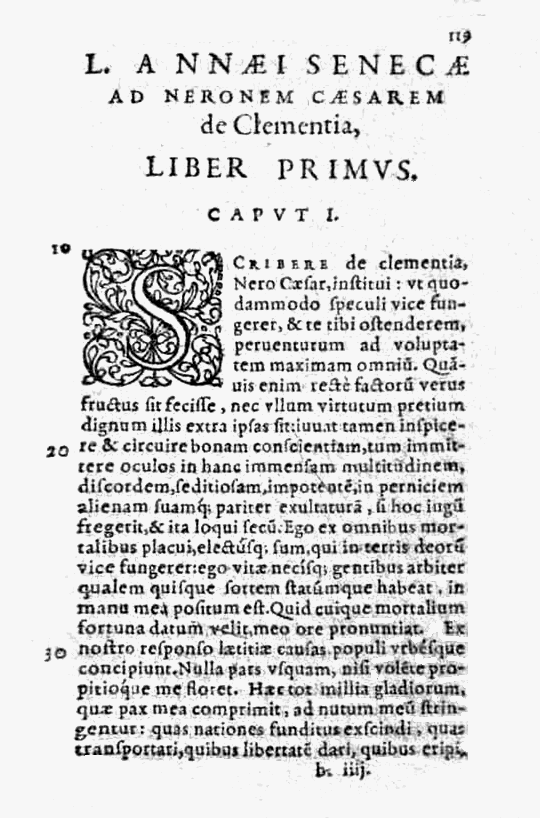
De Clementia
Seneca · 55-56 CE
A political essay Seneca addressed to the young emperor Nero, urging mercy as the mark of a good ruler.
Seneca's own treatise advising the young emperor Nero, showing his role as imperial adviser.
About this source
What it is
This two-volume essay (now surviving incomplete) was written by Seneca around 55–56 CE and addressed to the emperor Nero in the early years of his reign. It survives through later manuscripts, including the 8th-century Codex Nazarianus, and was later studied closely by the Renaissance scholar John Calvin.
Why it matters
De Clementia contrasts good rulers with tyrants and argues that mercy, not fear, secures a ruler's power. Written soon after the murder of Nero's rival Britannicus, it shows Seneca acting as a political adviser trying to guide a young emperor toward restraint, revealing the uneasy position of a philosopher serving an autocrat.
Look closer
- Why might Seneca have chosen historical examples, like Augustus, rather than directly criticizing Nero?
- What does the essay suggest about the risks of advising a powerful young ruler?
- How might Seneca's own safety have depended on how carefully he worded this advice?
This book is part of the curated material that grounds the AI version of Seneca on Humy.ai — when students ask about related events, the AI can quote it and cite it.
More Seneca sources
Meet the AI Seneca →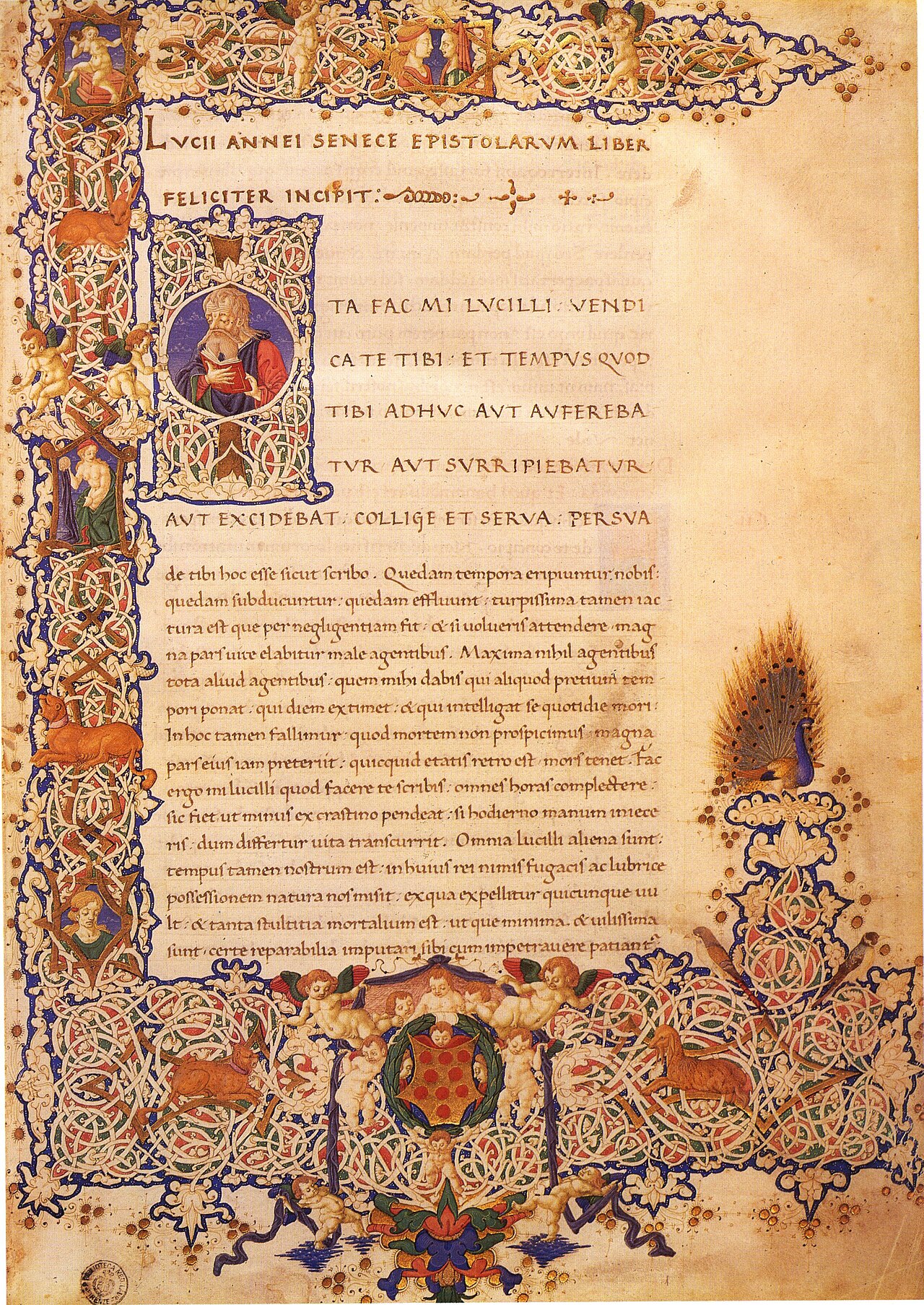 Letter
Primary source
Epistulae Morales ad Lucilium
Seneca · c. 62-65 CE
 Book
Primary source
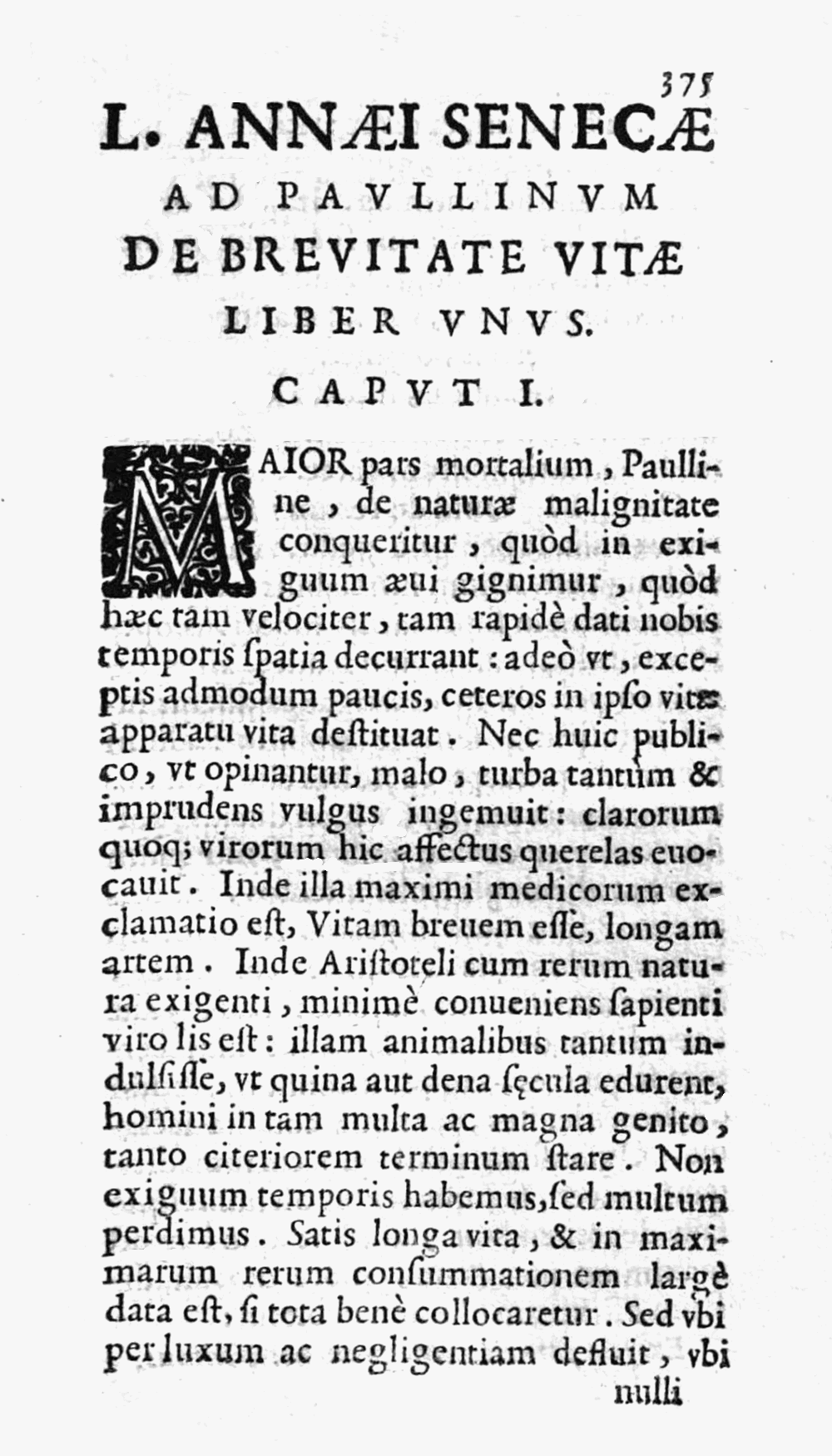
De Brevitate Vitae
Seneca · c. 49 CE
 Book
Secondary source
Annals
Tacitus · c. AD 116 or later
 Sculpture
Secondary source
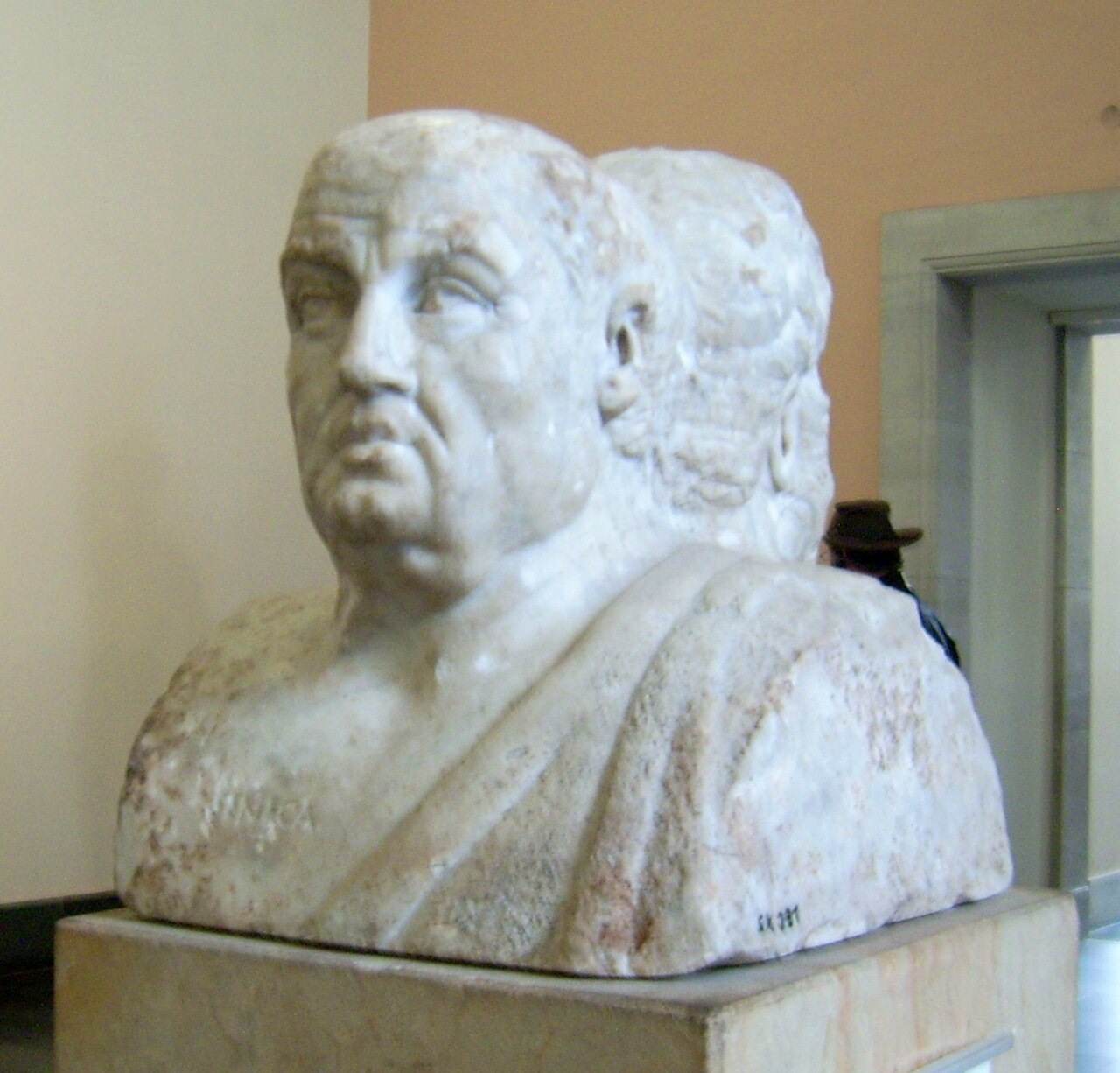
Double Herm of Socrates and Seneca
first half of the 3rd century AD
 Book
Primary source
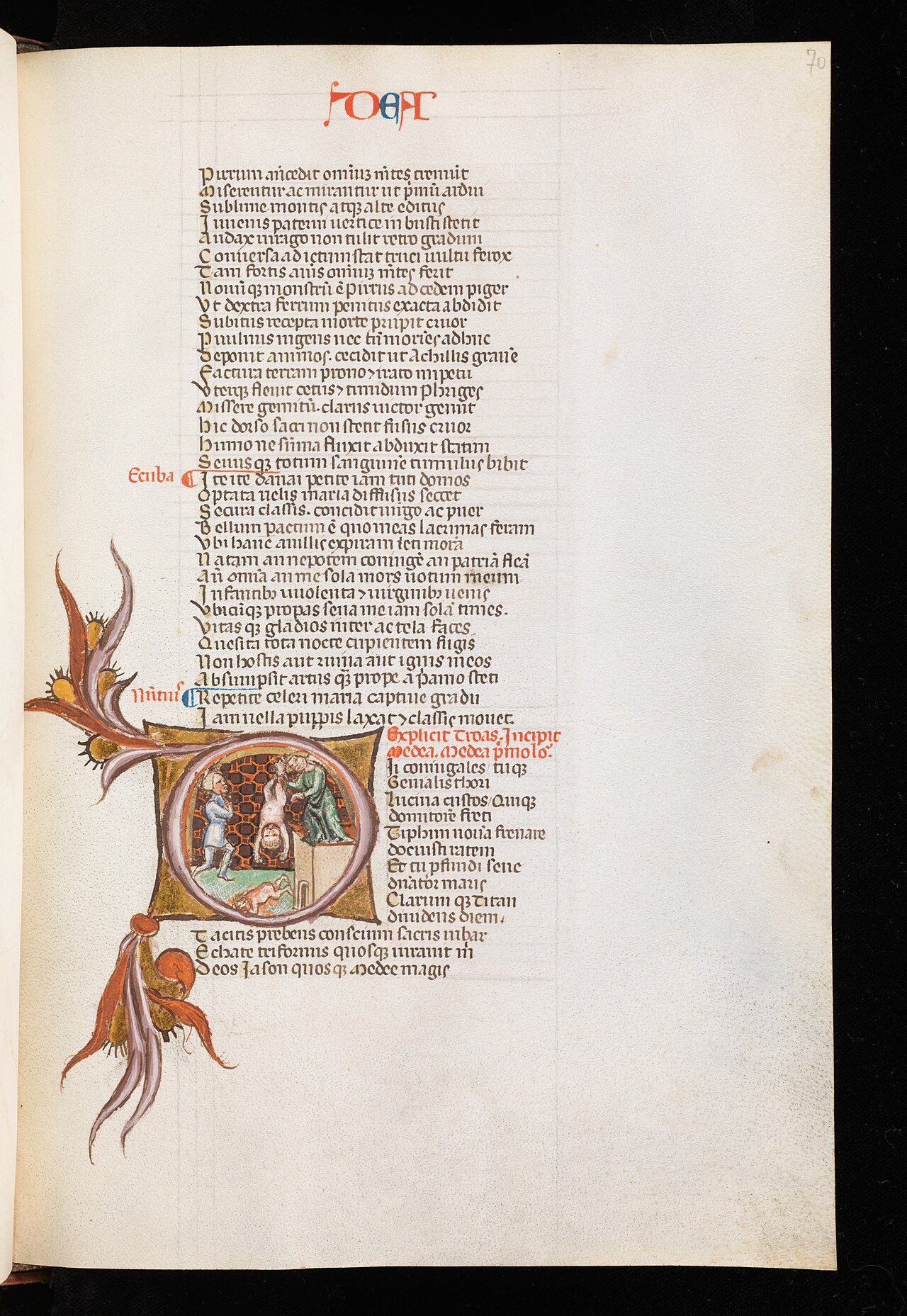
Medea
Seneca · c. 50 CE
Ready when you are
Start chatting with Seneca now.
20 messages free · No credit card · Available in 50+ languages.