


Primary sourceBookc. 50 CE
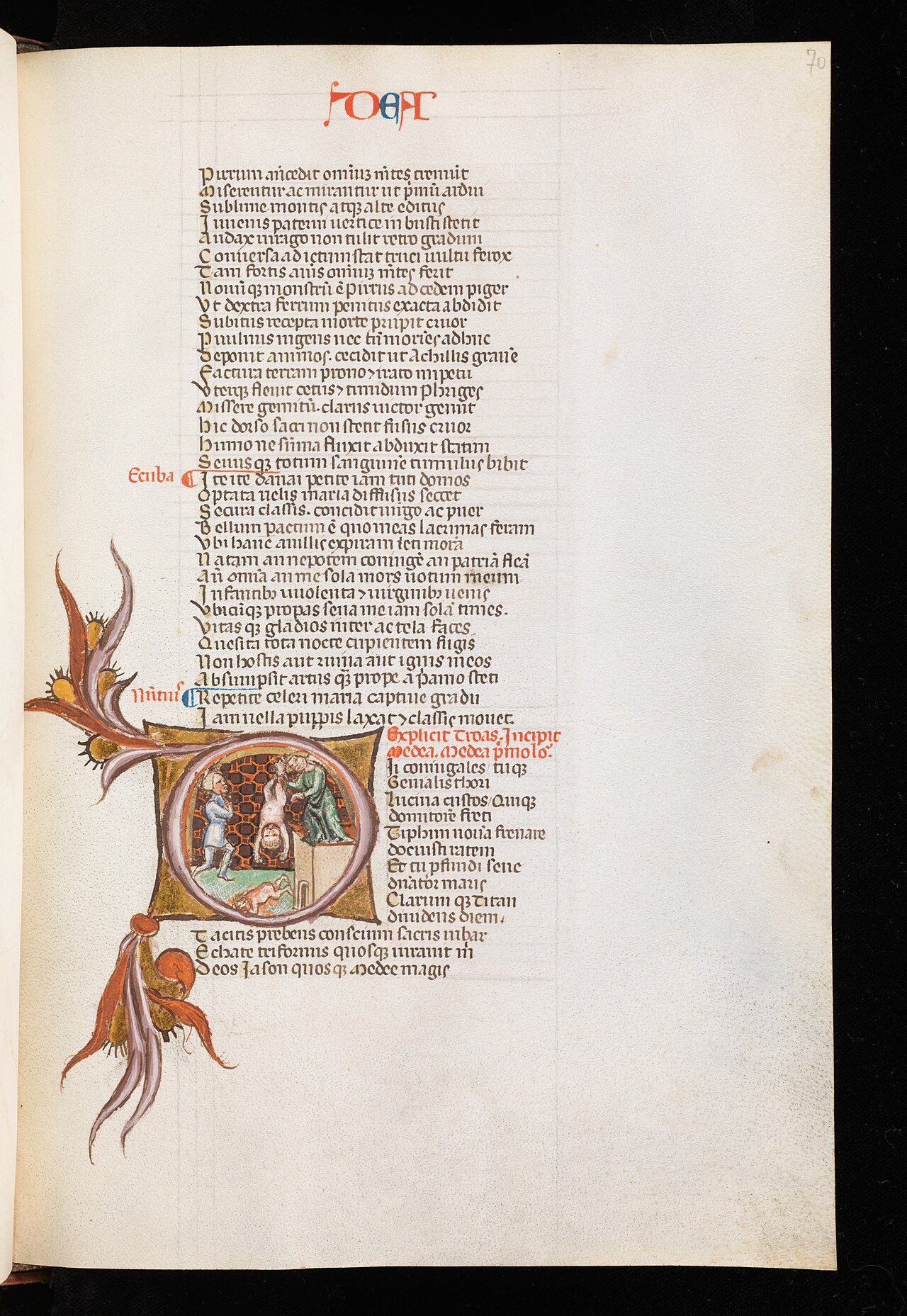
Medea
Seneca · c. 50 CE
Seneca's tragedy retelling the myth of Medea's revenge against Jason, exploring uncontrolled passion as a counterpoint to Stoic ideals.
A tragedy written by Seneca himself, showing his literary work alongside his philosophy.
About this source
What it is
This is a Roman tragedy of about 1027 lines written by Seneca around 50 CE, based on the Greek myth of Medea and her revenge on her husband Jason. It survives through later manuscripts, including a 15th-century Italian codex copy.
Why it matters
Medea dramatizes overwhelming passion and revenge, contrasting with the self-control that Seneca praised in his philosophical writings. It is considered one of his strongest early plays and later influenced Renaissance revenge drama. A famous passage about new lands beyond the known world was later included in Christopher Columbus's Book of Prophecies, showing how widely Seneca's words traveled through history.
Look closer
- Why might Seneca, a Stoic philosopher, have been drawn to write about a character ruled by uncontrolled passion?
- How does Seneca's chorus react differently to Medea compared with earlier Greek versions of the story?
- What does the play's violence suggest about what Roman audiences expected from tragedy?
This book is part of the curated material that grounds the AI version of Seneca on Humy.ai — when students ask about related events, the AI can quote it and cite it.
More Seneca sources
Meet the AI Seneca →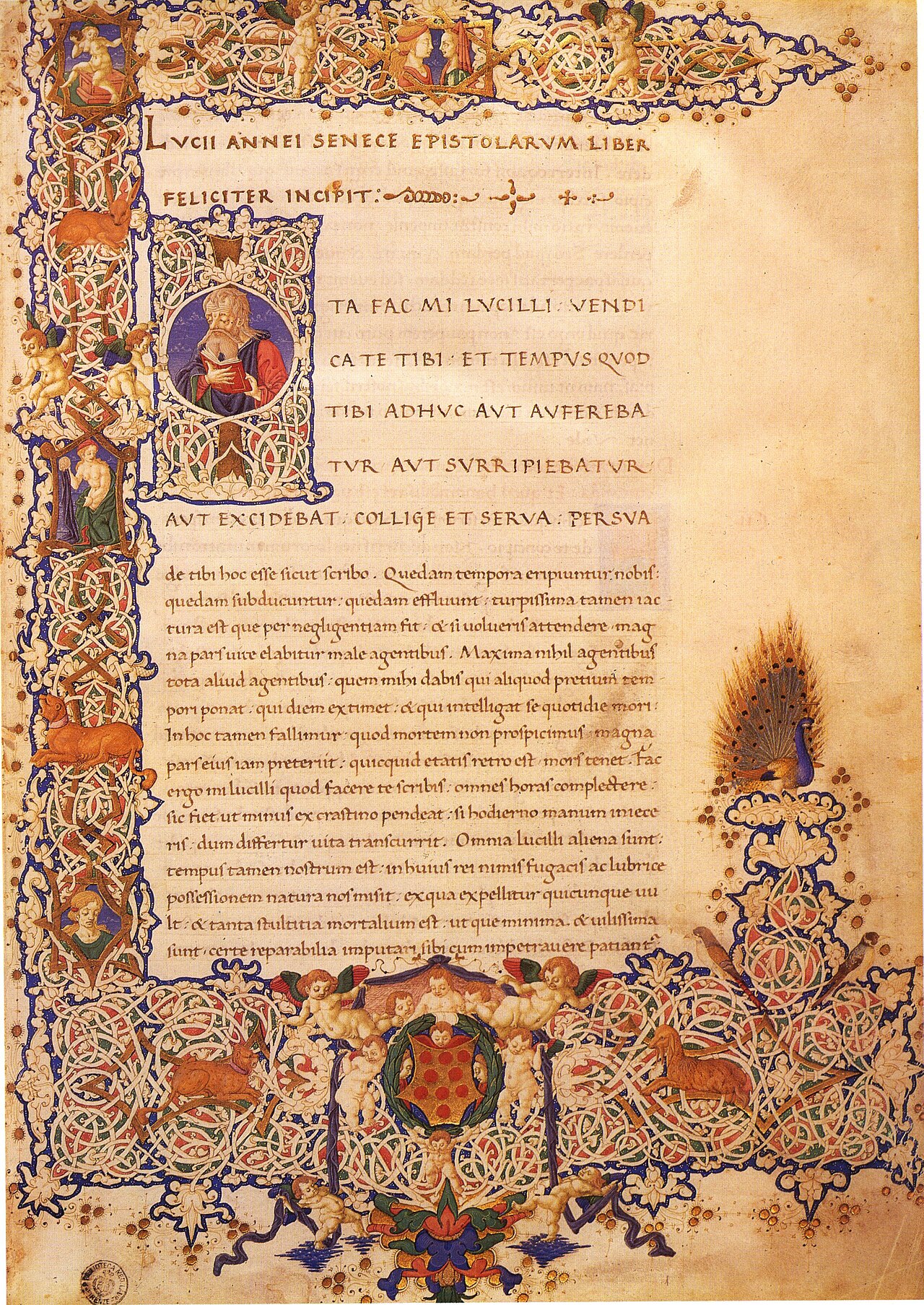 Letter
Primary source
Epistulae Morales ad Lucilium
Seneca · c. 62-65 CE
 Book
Primary source
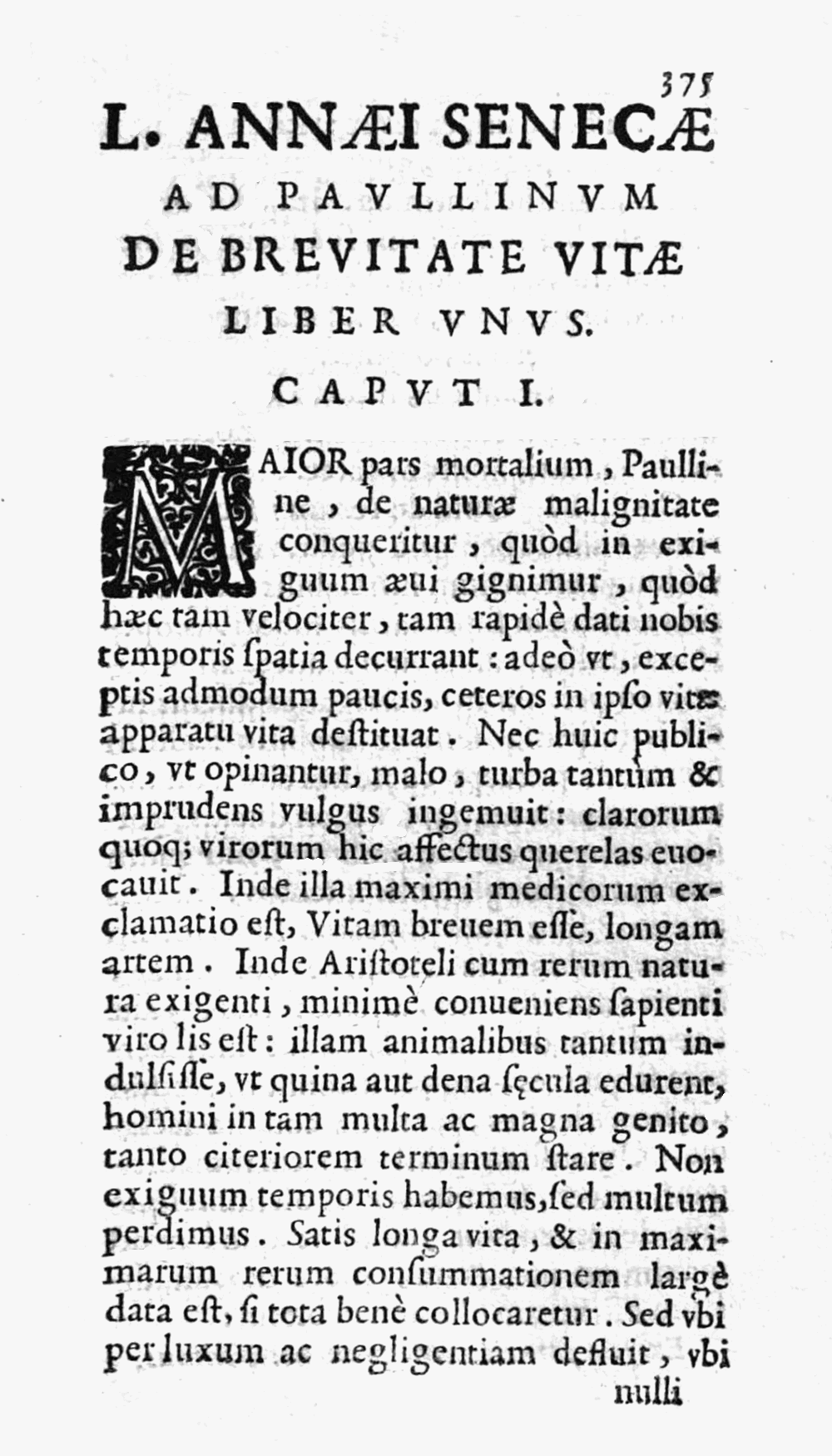
De Brevitate Vitae
Seneca · c. 49 CE
 Book
Secondary source
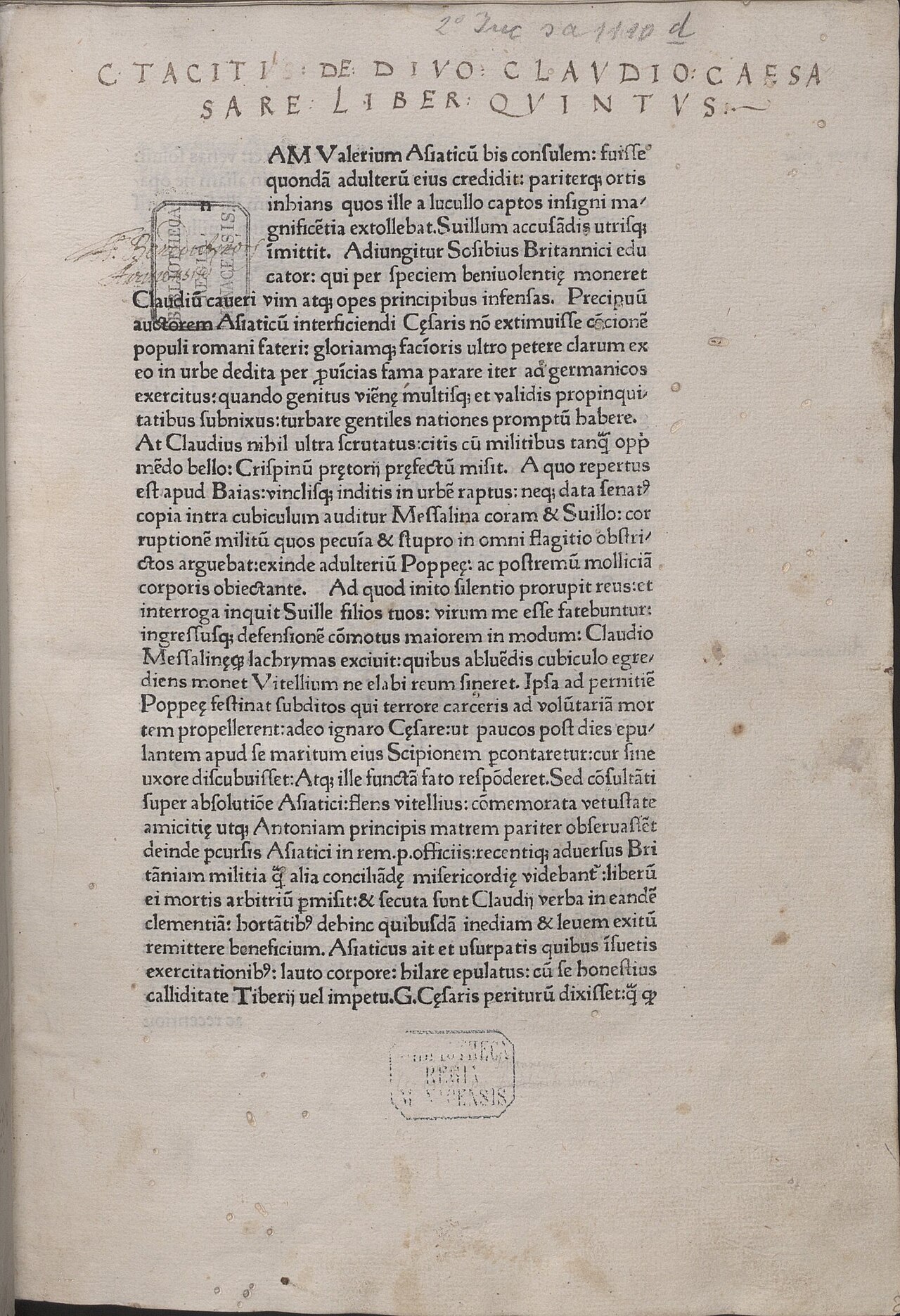
Annals
Tacitus · c. AD 116 or later
 Book
Primary source
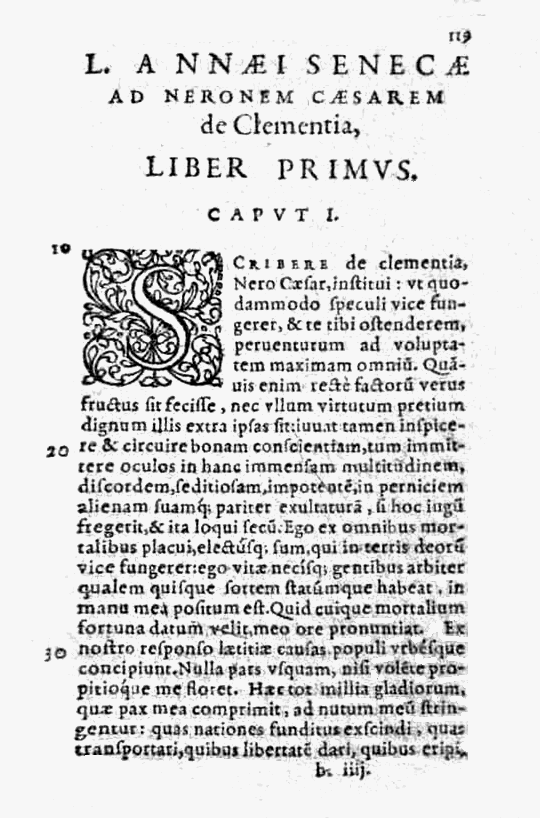
De Clementia
Seneca · 55-56 CE
 Sculpture
Secondary source
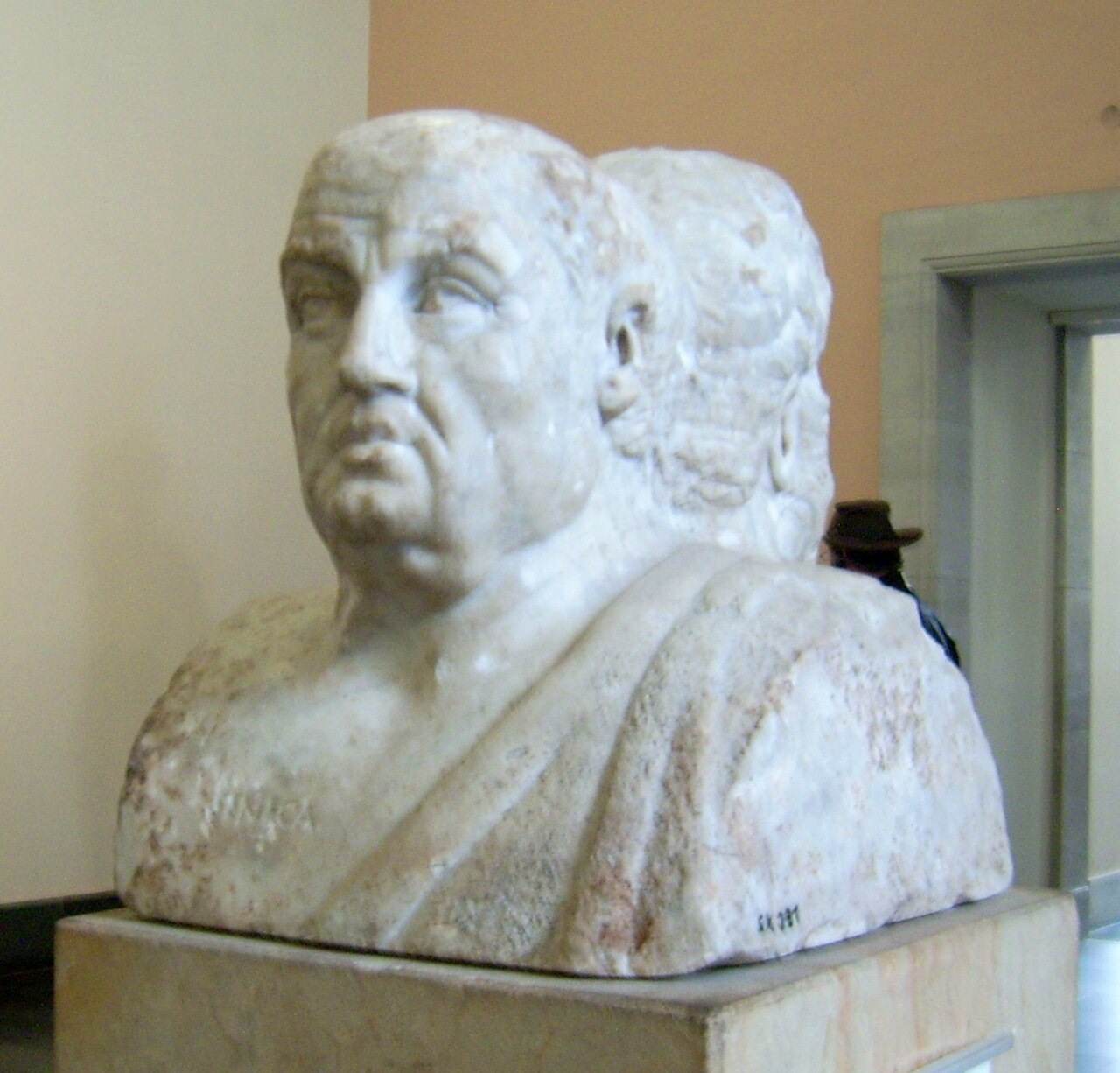
Double Herm of Socrates and Seneca
first half of the 3rd century AD
Ready when you are
Start chatting with Seneca now.
20 messages free · No credit card · Available in 50+ languages.