


Secondary sourceSculpturefirst half of the 3rd century AD
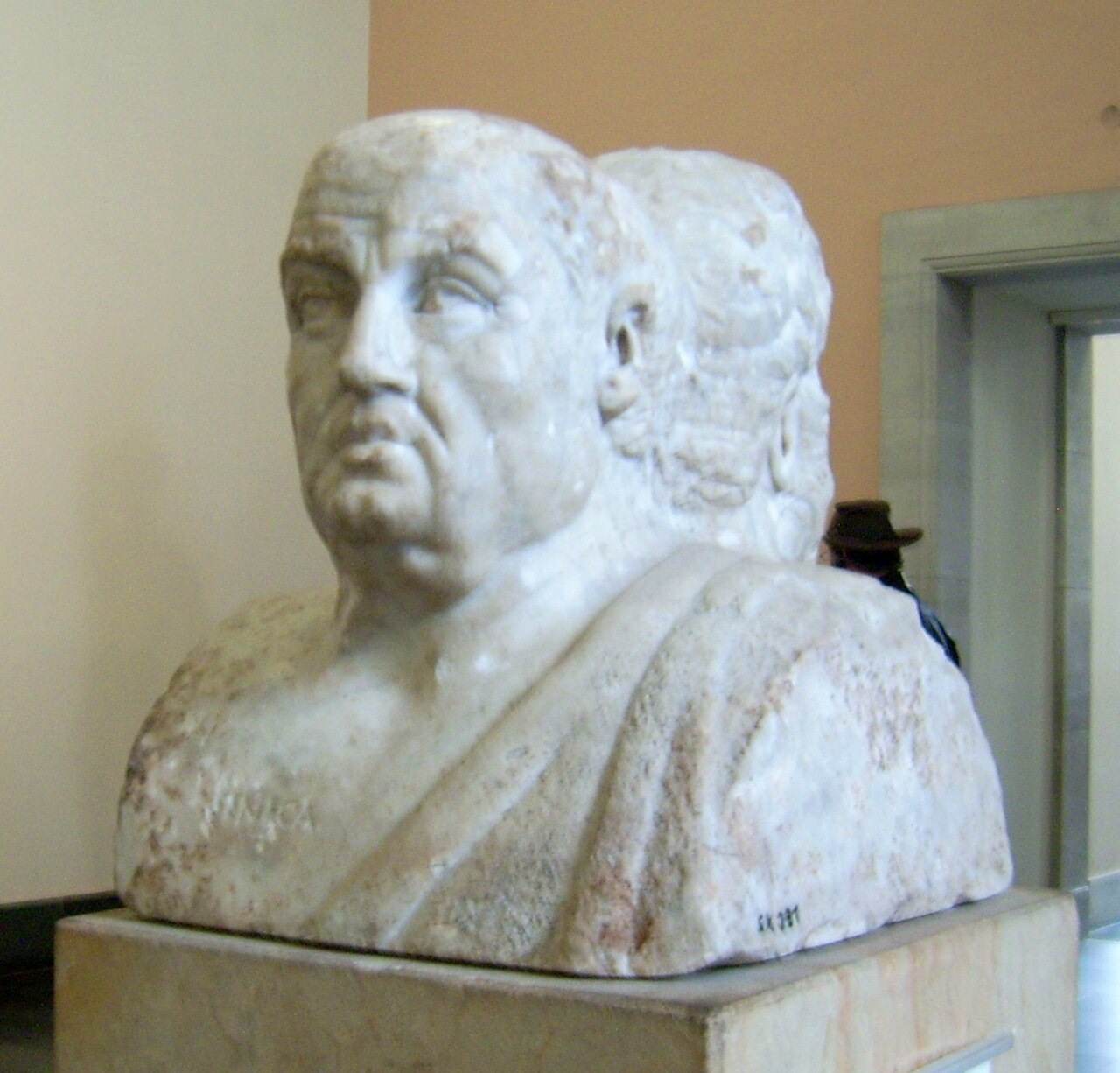
Double Herm of Socrates and Seneca
first half of the 3rd century AD
A Roman double herm pairing Socrates with the Stoic philosopher Seneca, both known for dying for their principles.
The only ancient sculpture certainly identified as a portrait of Seneca, paired here with Socrates.
About this source
What it is
This marble double herm, made in the first half of the 3rd century AD, joins portraits of Socrates and the Roman Stoic philosopher Seneca the Younger, back to back, each identified by an inscription in their own language, Greek for Socrates and Latin for Seneca. It is held by the Antikensammlung Berlin.
Why it matters
Pairing the two philosophers together shows how later Roman society linked them, since both were ultimately forced to end their own lives for their convictions. Socrates is shown with a satyr-like face, matching how ancient writers described his unusual looks. This object is especially valuable to scholars because it is the only certainly identified image of Seneca, helping to recognize him in other artworks too.
Look closer
- Why might a Roman owner have chosen to display these two philosophers together?
- What does pairing them suggest about how later generations connected to their deaths?
- How does combining two portraits on one object change how we read each face?
This sculpture is part of the curated material that grounds the AI version of Seneca on Humy.ai — when students ask about related events, the AI can quote it and cite it.
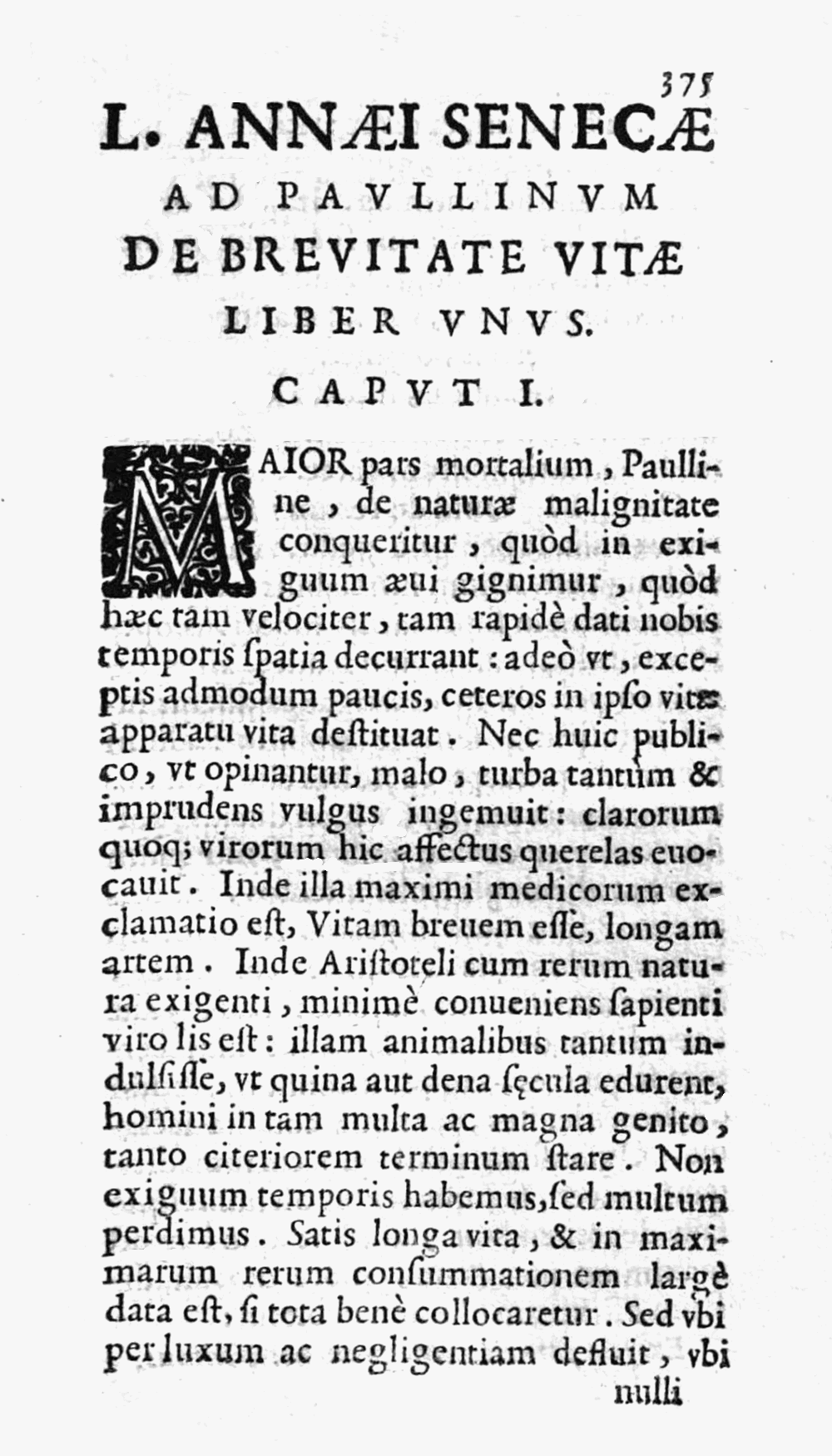
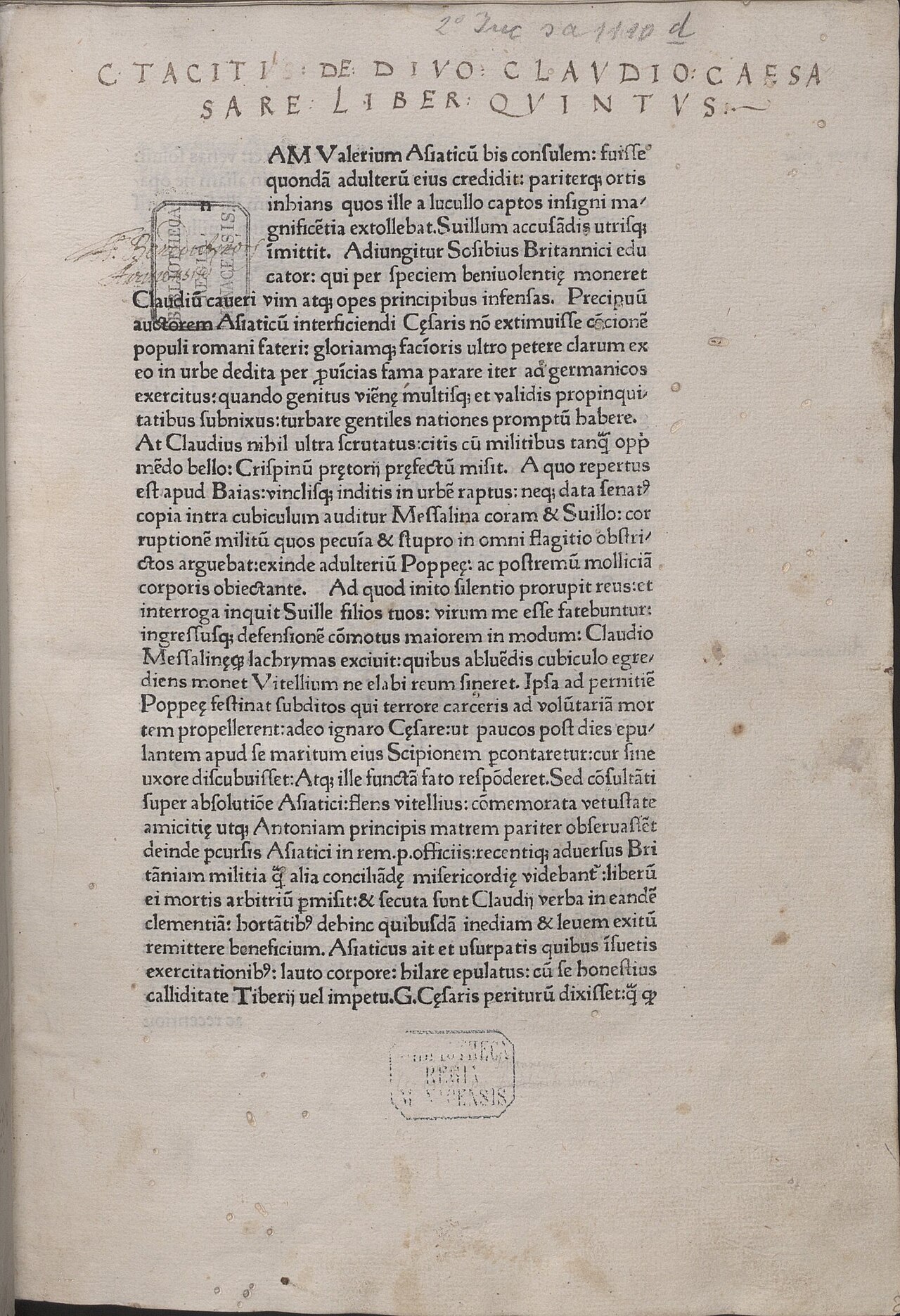
More Seneca sources
Meet the AI Seneca →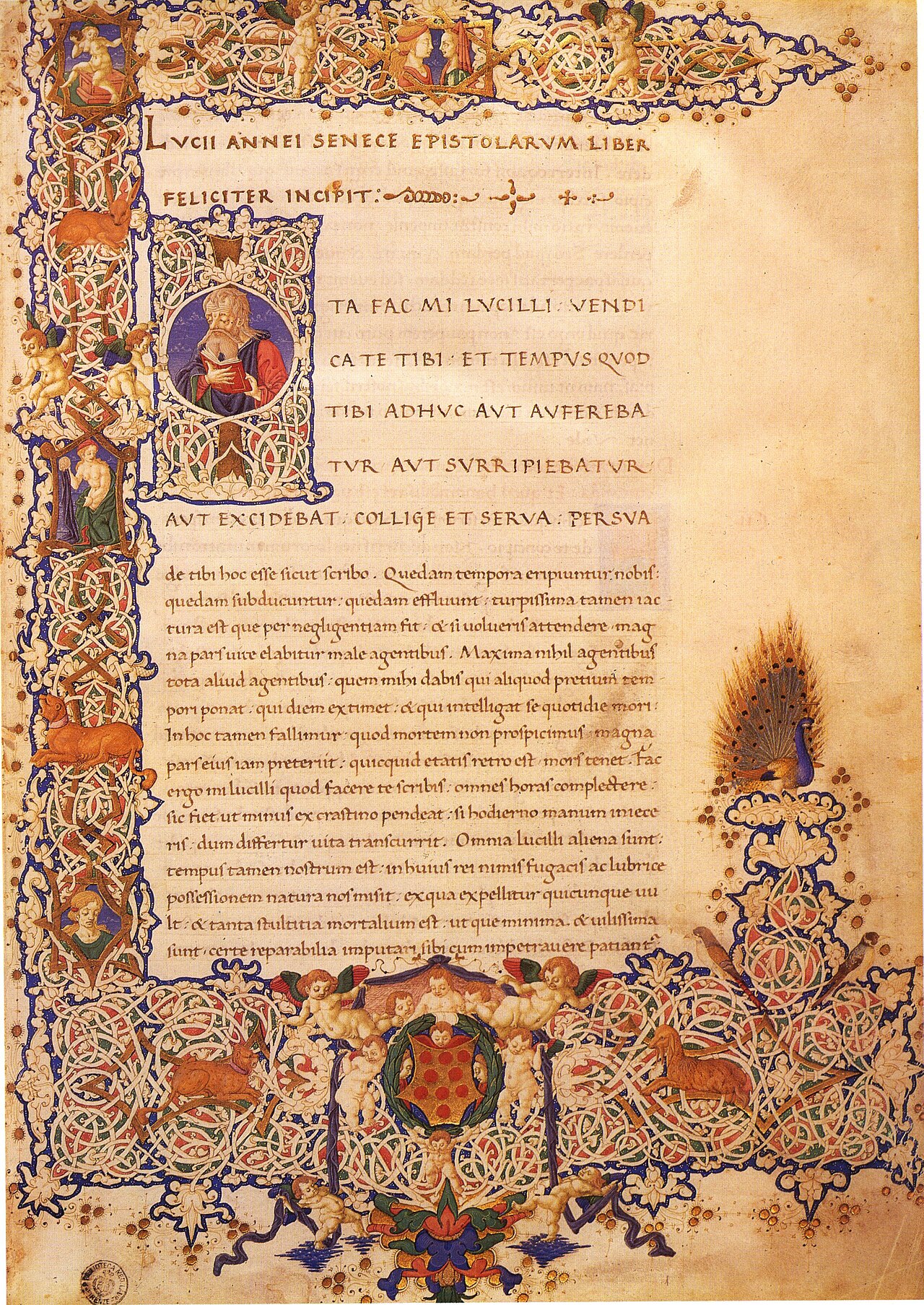
Ready when you are
Start chatting with Seneca now.
20 messages free · No credit card · Available in 50+ languages.