


Primary sourceArtifact1755
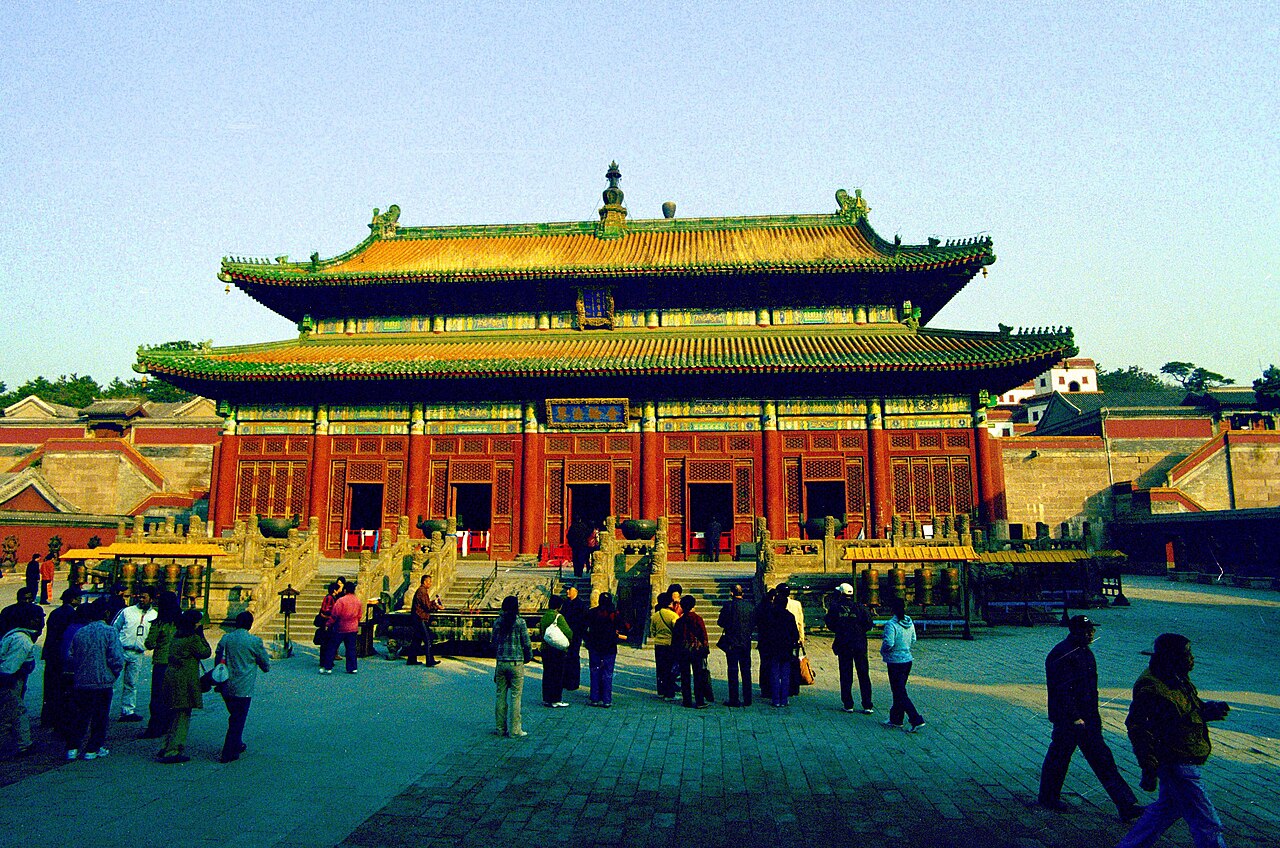
Puning Temple
1755
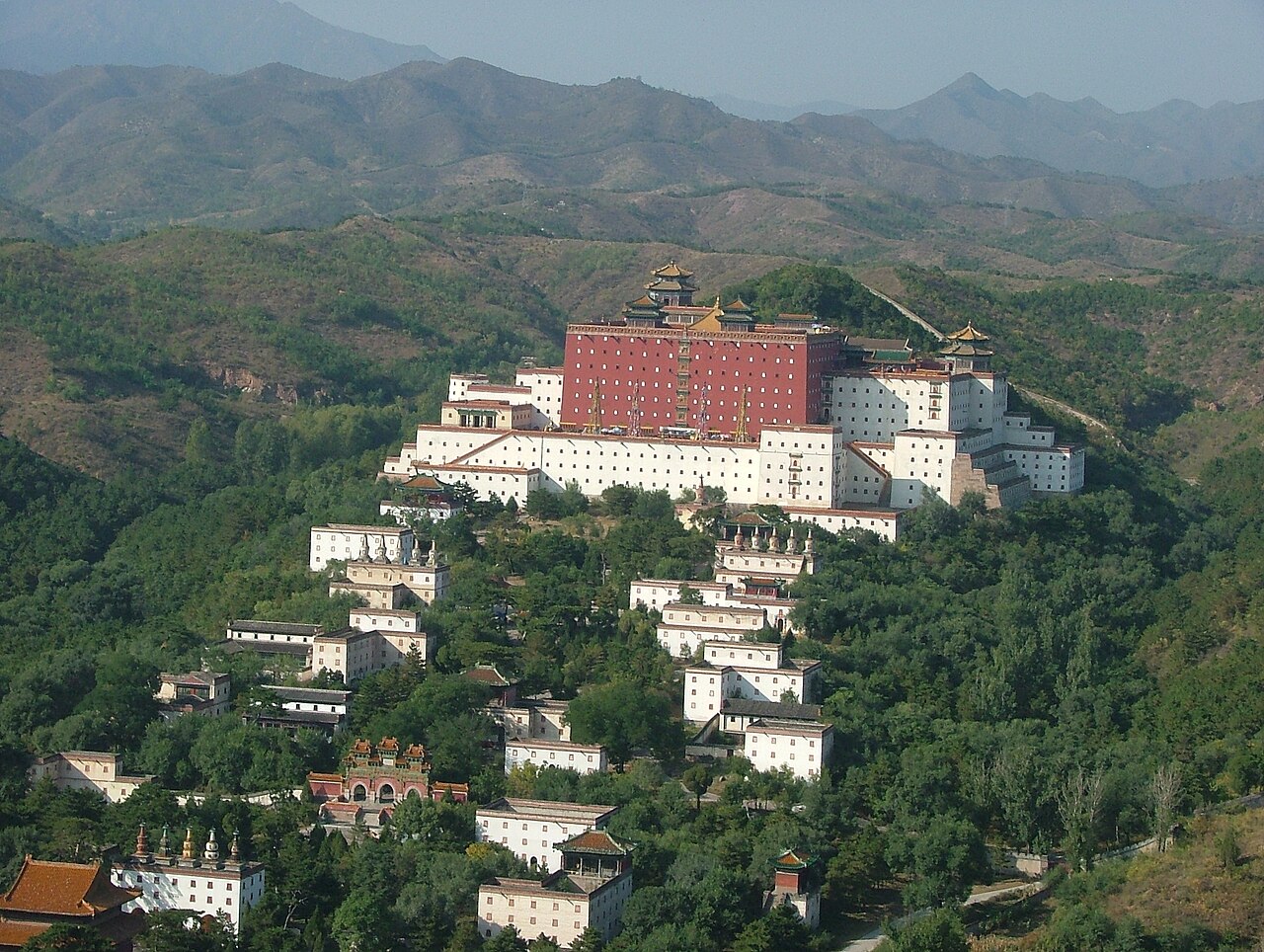
A Buddhist temple complex at Chengde built in 1755 on Qianlong's orders to mark the Qing victory over the Dzungars and to honor Mongol allies.
Qianlong commissioned this temple to commemorate his military victory over the Dzungars and secure Mongol loyalty.
About this source
What it is
The Puning Temple is a Buddhist temple complex in Chengde, built in 1755 during the reign of the Qianlong Emperor. It was modeled after Samye Monastery in Tibet and combines Chinese and Tibetan architectural styles. It houses a huge wooden statue of the Bodhisattva Avalokiteśvara.
Why it matters
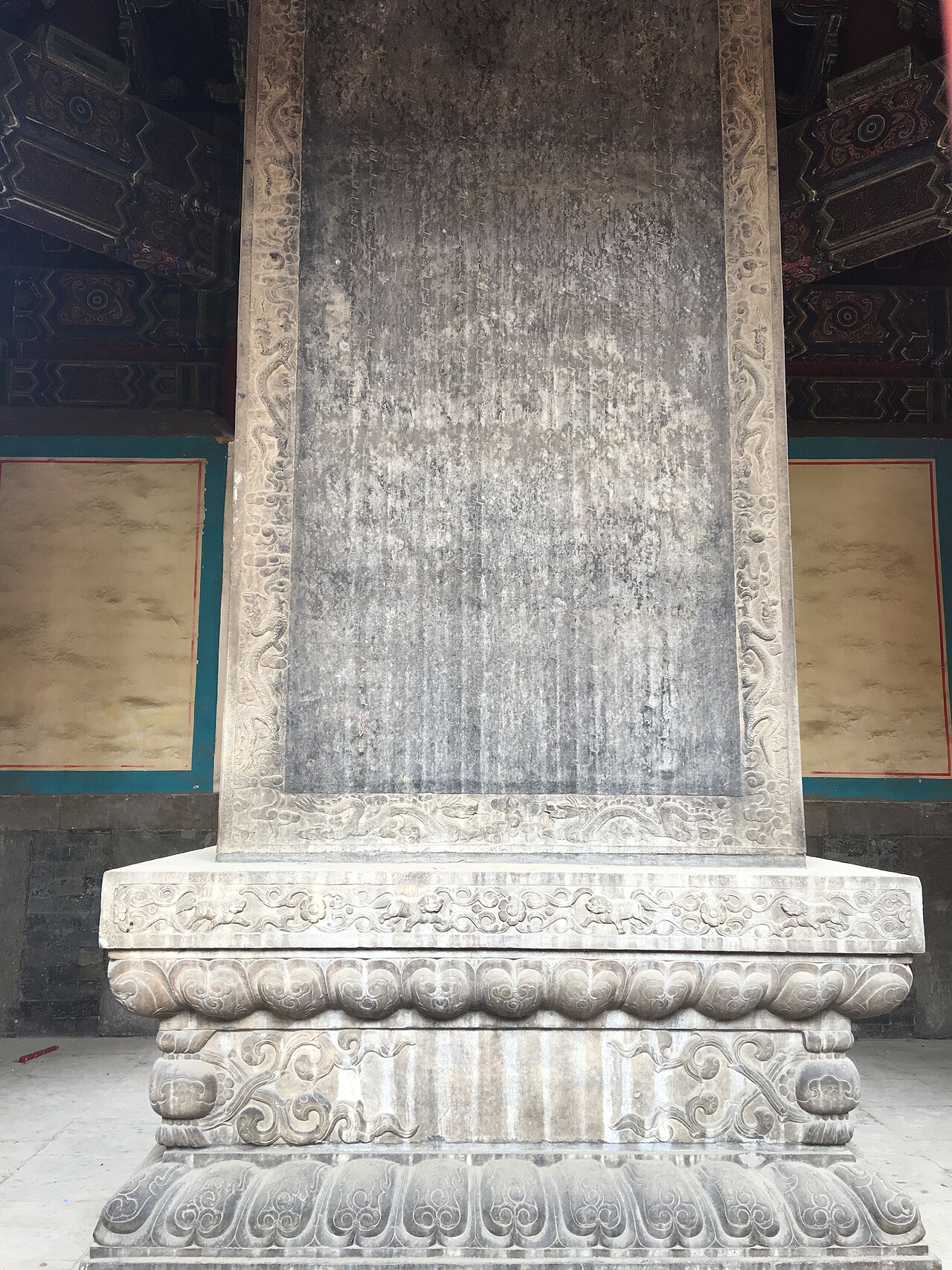
The temple commemorates the Qing conquest of the Dzungars, a Mongol people who followed Tibetan Buddhism. Qianlong personally inscribed a stele there celebrating the victory. The temple was part of his strategy to win loyalty from Mongol and Tibetan peoples by supporting their religion.
Look closer
- Why would an emperor build a temple to celebrate a military victory?
- What does mixing Chinese and Tibetan architectural styles suggest about Qing rule over different peoples?
- What does the temple not tell you about the people who were conquered?
This artifact is part of the curated material that grounds the AI version of Qianlong Emperor on Humy.ai — when students ask about related events, the AI can quote it and cite it.
More Qianlong Emperor sources
Browse all 75 →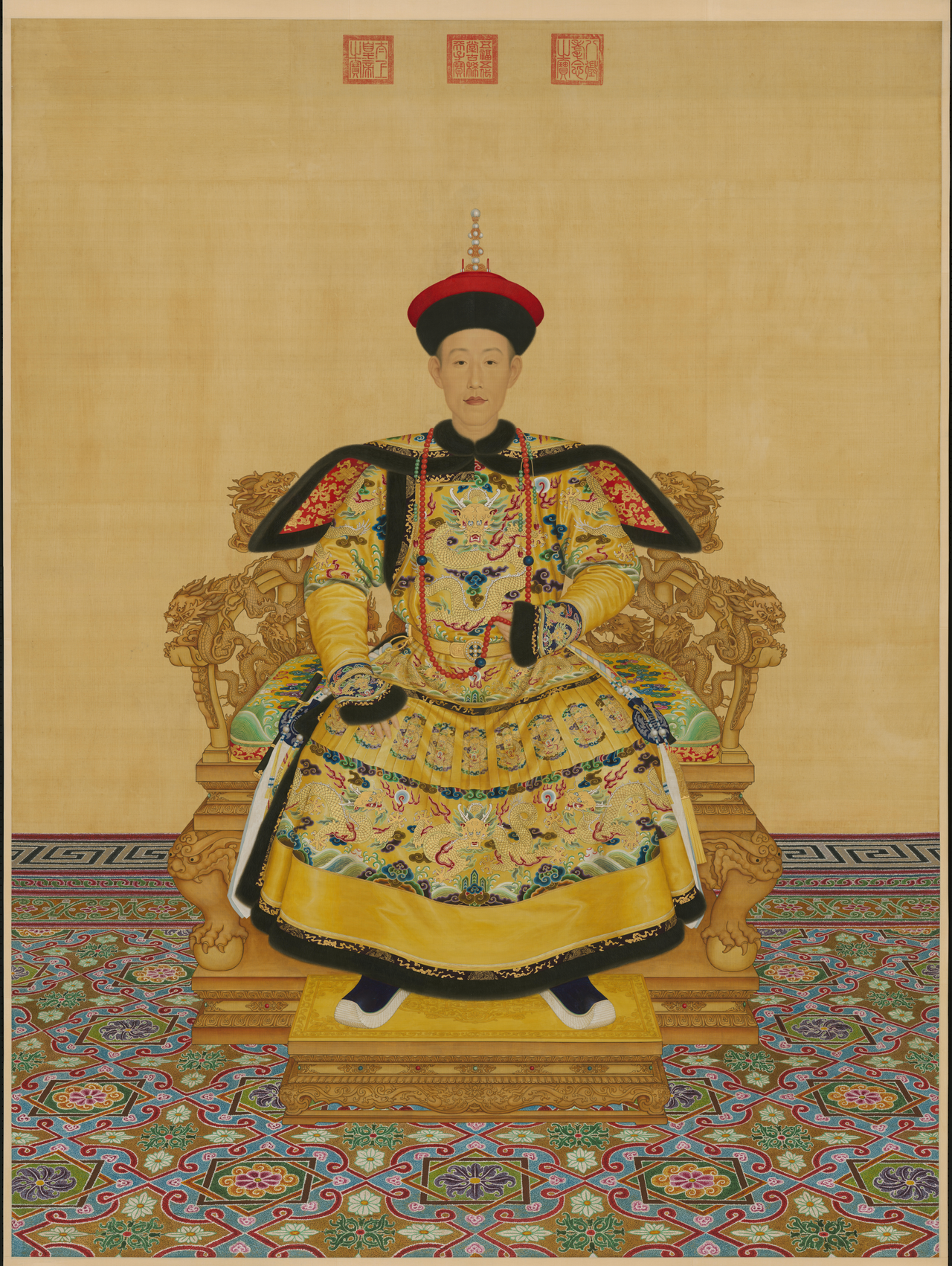 Painting
Primary source
Portrait of the Qianlong Emperor in Court Dress
Giuseppe Castiglione · 1736
 Painting
Primary source
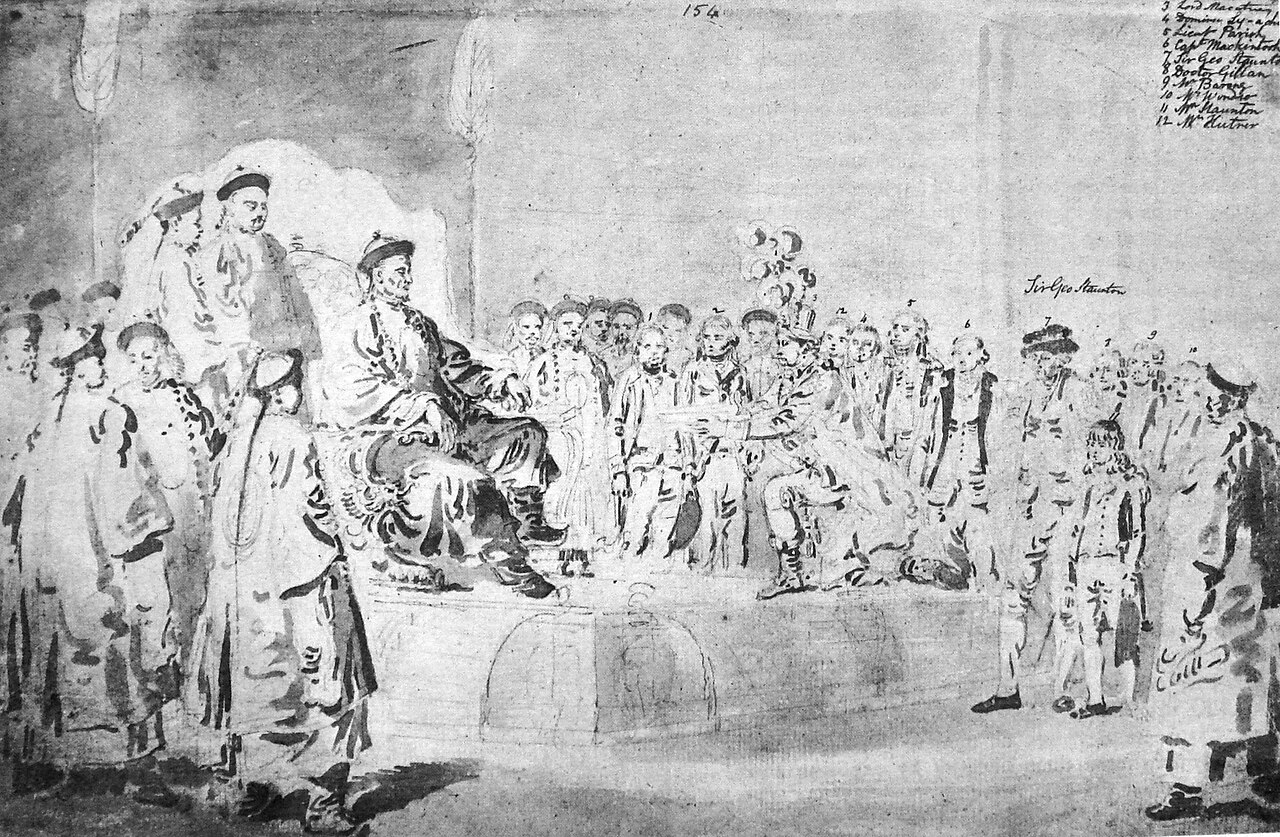
Lord Macartney's Embassy to China, 1793
William Alexander · 1793
 Painting
Primary source
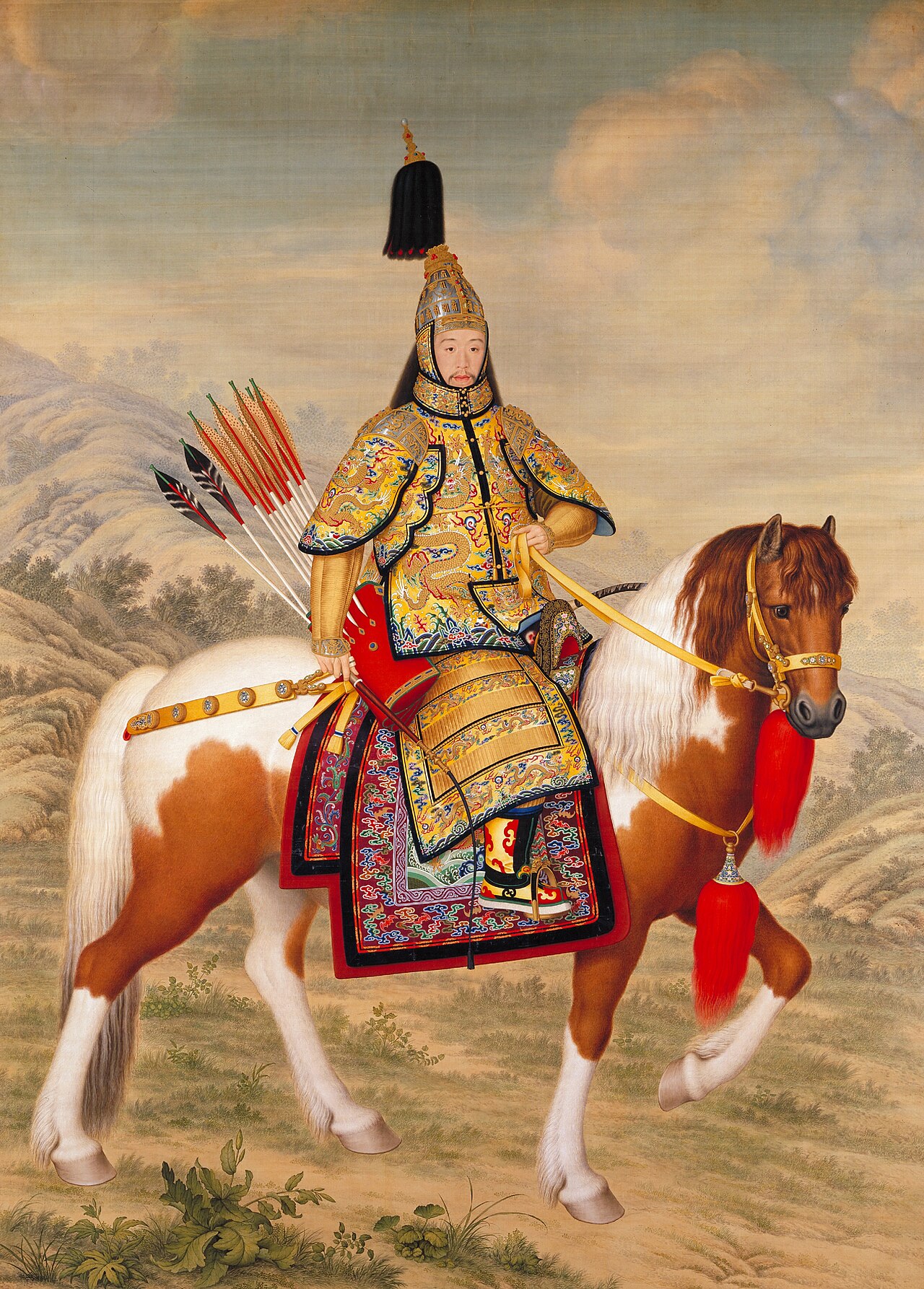
The Qianlong Emperor in Ceremonial Armor on Horseback
Giuseppe Castiglione · 1739
 Document
Primary source
Pronouncement on Lamas
Qianlong Emperor · 1792

Free account
Read every Qianlong Emperor source
Sign up free →
Ready when you are
Start chatting with Qianlong Emperor now.
20 messages free · No credit card · Available in 50+ languages.