


Primary sourcePaintingc. 1750
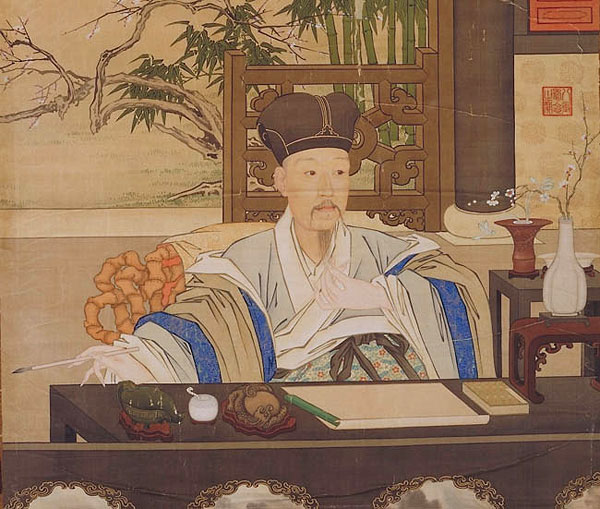
Qianlong Emperor Writing in His Studio
Giuseppe Castiglione · c. 1750
A court painting showing Emperor Qianlong seated at his writing desk, reflecting his image as a cultured scholar-ruler.
This painting depicts Qianlong himself, shown at his writing desk to project a scholarly, cultured image of his rule.
About this source
What it is
This painting, attributed to the Italian Jesuit court painter Giuseppe Castiglione, shows Emperor Qianlong seated at a writing desk in his studio, around 1750.
Qianlong is shown with brushes, an inkstone, and a scroll nearby, surrounded by furnishings and plants that suggest a refined, scholarly setting.
Why it matters
Qing emperors, including Qianlong, often had themselves portrayed as scholars and patrons of the arts, not just as rulers of a vast empire. This image reflects how Qianlong wanted to be seen: as a learned, cultured figure devoted to calligraphy and the arts, alongside his role as emperor. It also shows the presence of European artists at the Qing court, blending Western painting techniques with Chinese court subjects.
Look closer
- What details in the painting suggest learning and culture rather than military power?
- Why might an emperor want to be shown writing rather than ruling or fighting?
- What can we tell about the painter's background from the style of the image?
This painting is part of the curated material that grounds the AI version of Qianlong Emperor on Humy.ai — when students ask about related events, the AI can quote it and cite it.
More Qianlong Emperor sources
Browse all 75 →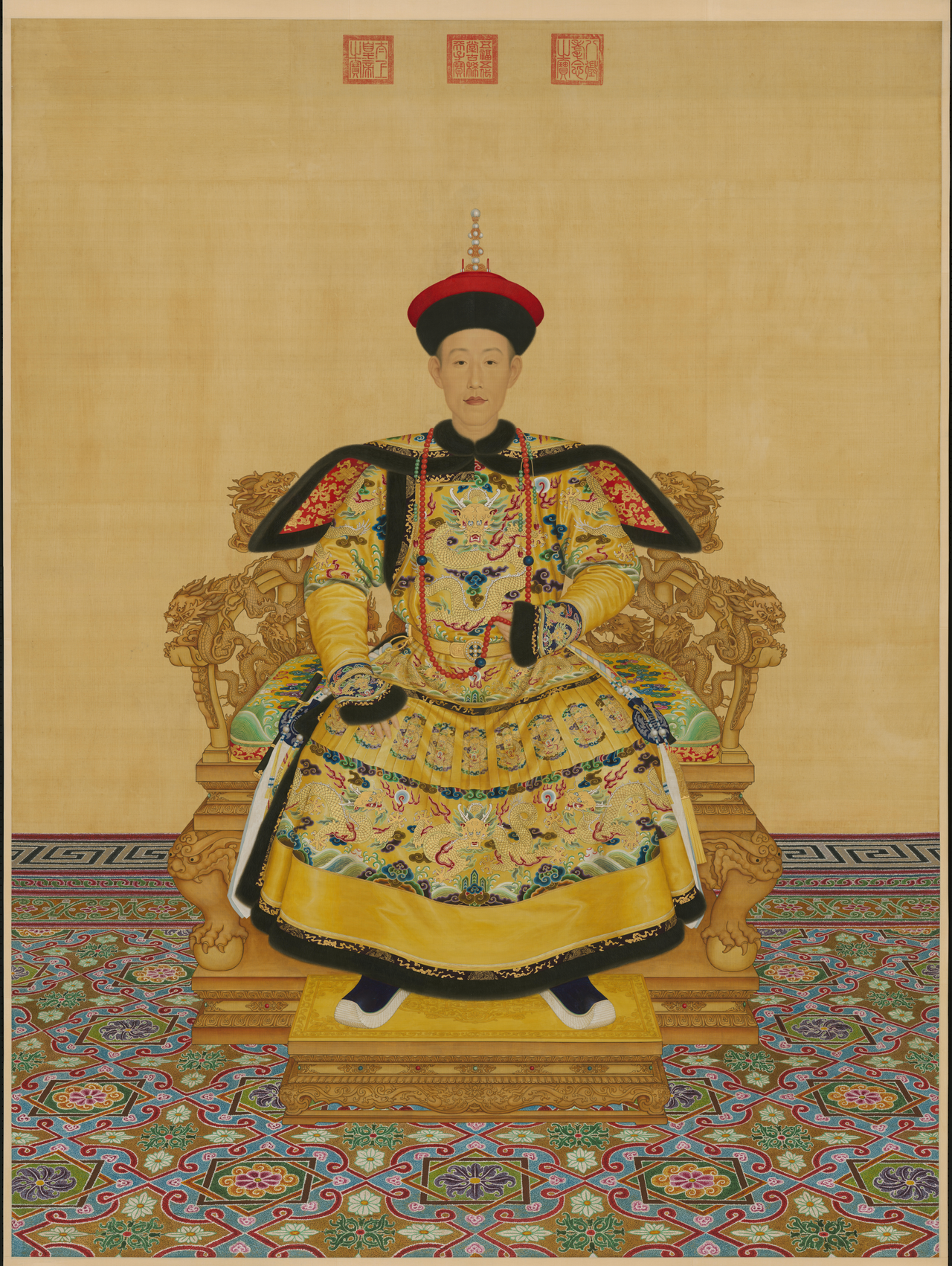 Painting
Primary source
Portrait of the Qianlong Emperor in Court Dress
Giuseppe Castiglione · 1736
 Painting
Primary source
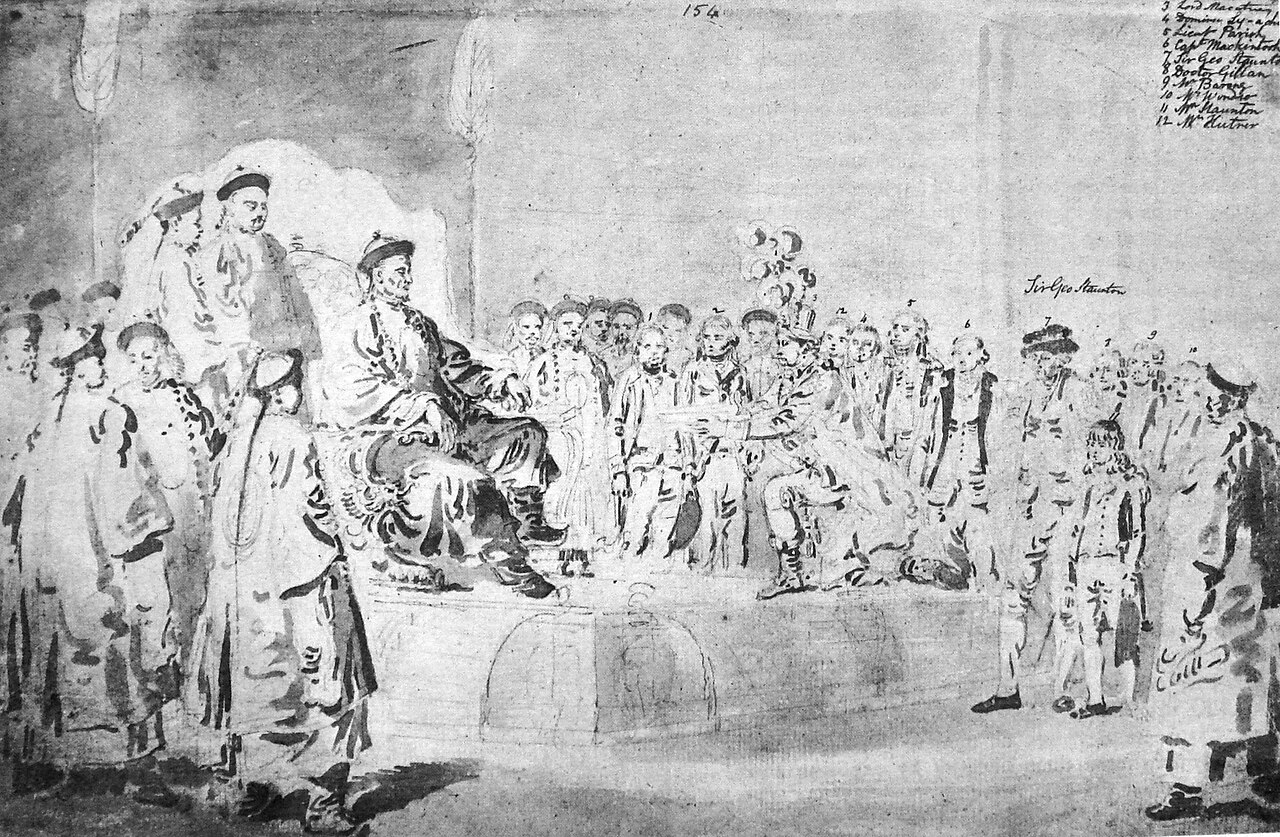
Lord Macartney's Embassy to China, 1793
William Alexander · 1793
 Painting
Primary source
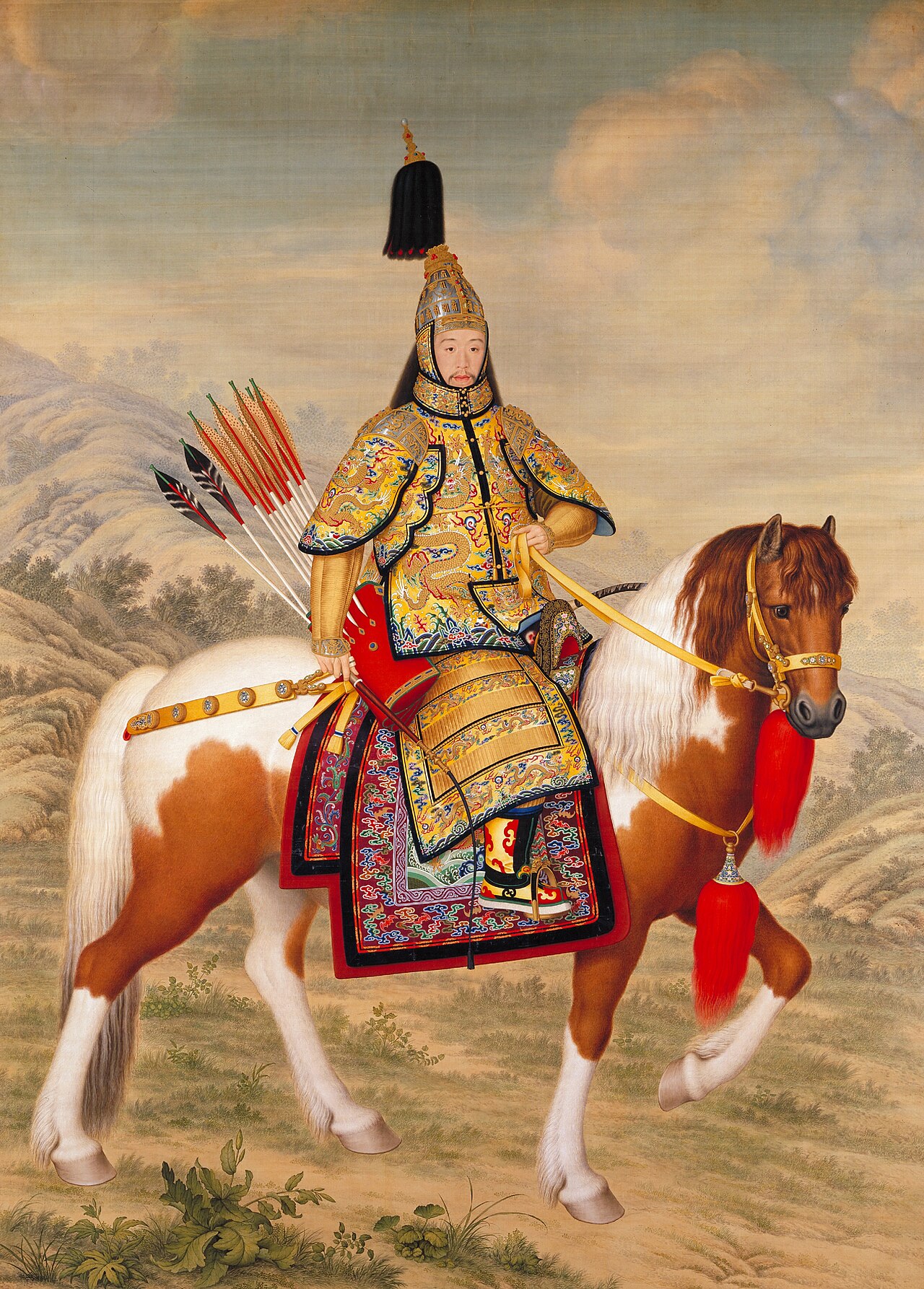
The Qianlong Emperor in Ceremonial Armor on Horseback
Giuseppe Castiglione · 1739
 Document
Primary source
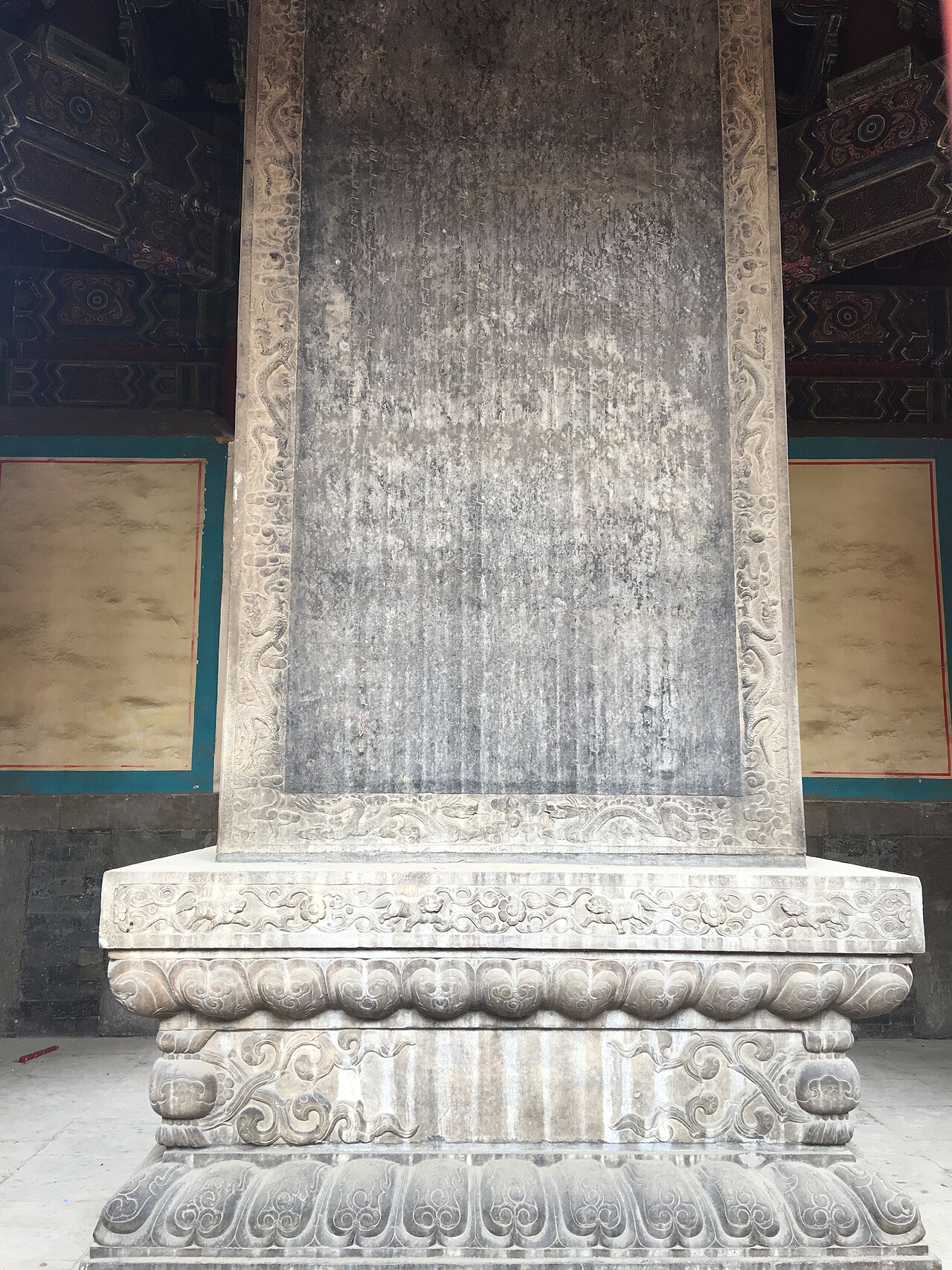
Pronouncement on Lamas
Qianlong Emperor · 1792

Free account
Read every Qianlong Emperor source
Sign up free →
Ready when you are
Start chatting with Qianlong Emperor now.
20 messages free · No credit card · Available in 50+ languages.