


Primary sourceArtifact
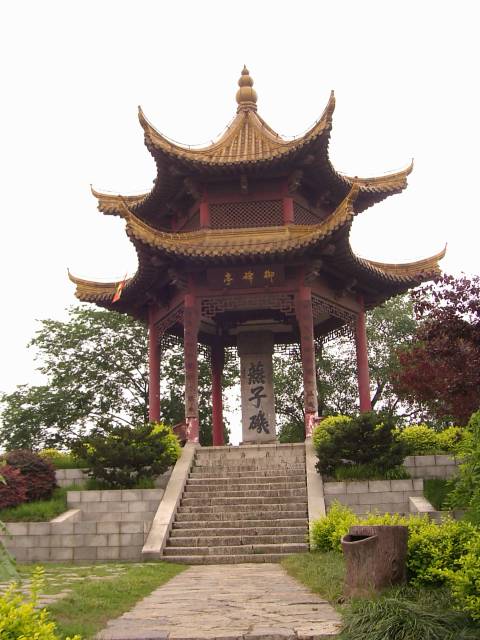
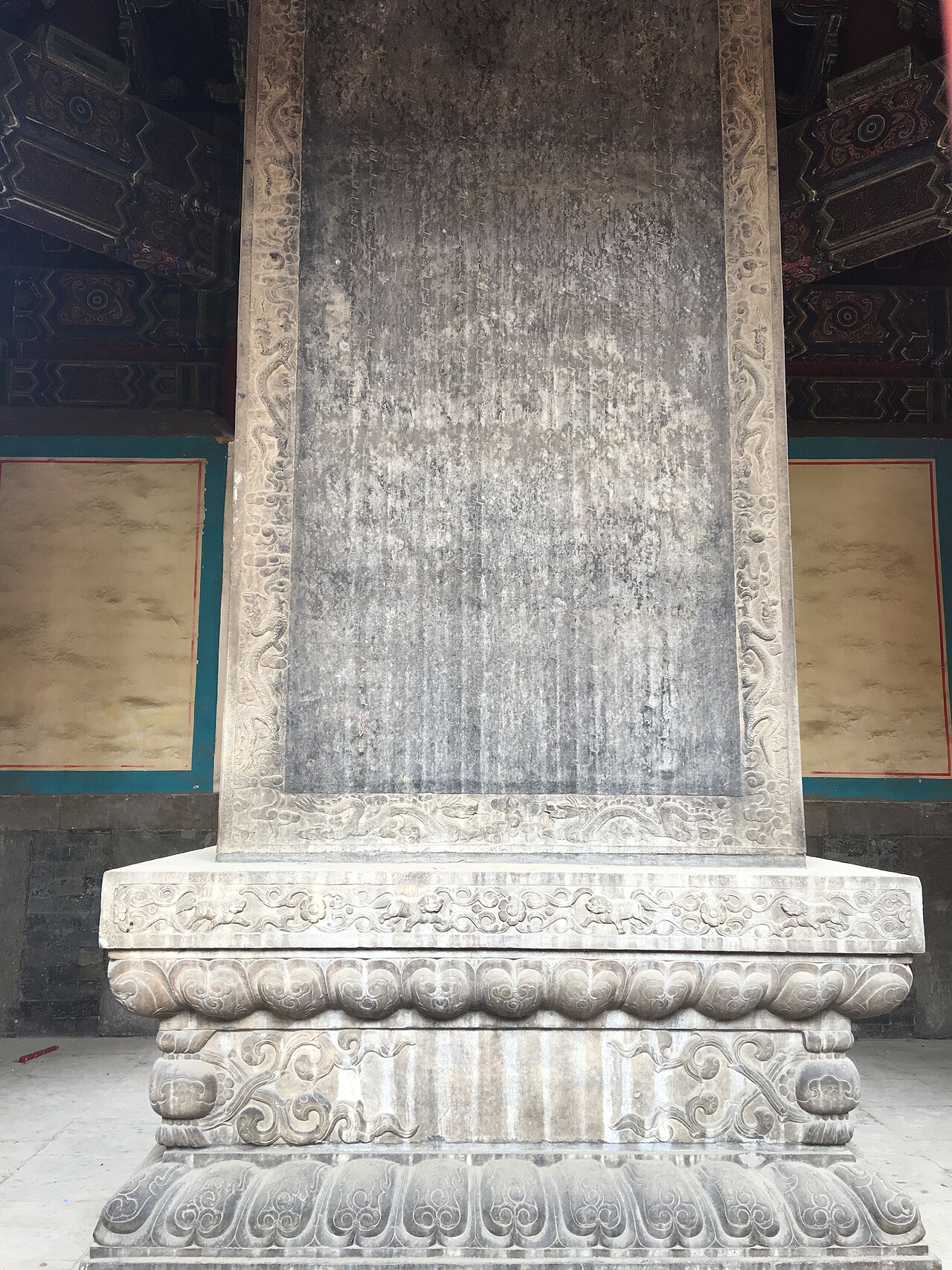
Qianlong Imperial Stele at Yanziji
A surviving stele at Yanziji in Nanjing bearing Qianlong's inscription from one of his southern tours.
A surviving stele carrying Qianlong's own inscription, showing how he marked the landscape during his southern tours.
About this source
What it is
This is a photograph of a stone stele with an inscription by Qianlong, standing at Yanziji in Nanjing beneath a multi-tiered pavilion with curved golden-tiled roofs. The photograph was taken in the 2000s, long after the stele itself was erected.
Why it matters
The stele shows how Qianlong marked famous landscapes with his own calligraphy during his southern inspection tours, a practice that linked the emperor personally to scenic and historic sites across the empire. Such inscriptions were a way for rulers to leave a lasting physical trace of their visits and authority.
Look closer
- Why might an emperor want to inscribe his own writing onto a famous natural site?
- What does the pavilion and staircase built around the stele suggest about how later generations valued it?
- How is this physical object different from a painted portrait as evidence of Qianlong's activities?
This artifact is part of the curated material that grounds the AI version of Qianlong Emperor on Humy.ai — when students ask about related events, the AI can quote it and cite it.
More Qianlong Emperor sources
Browse all 75 →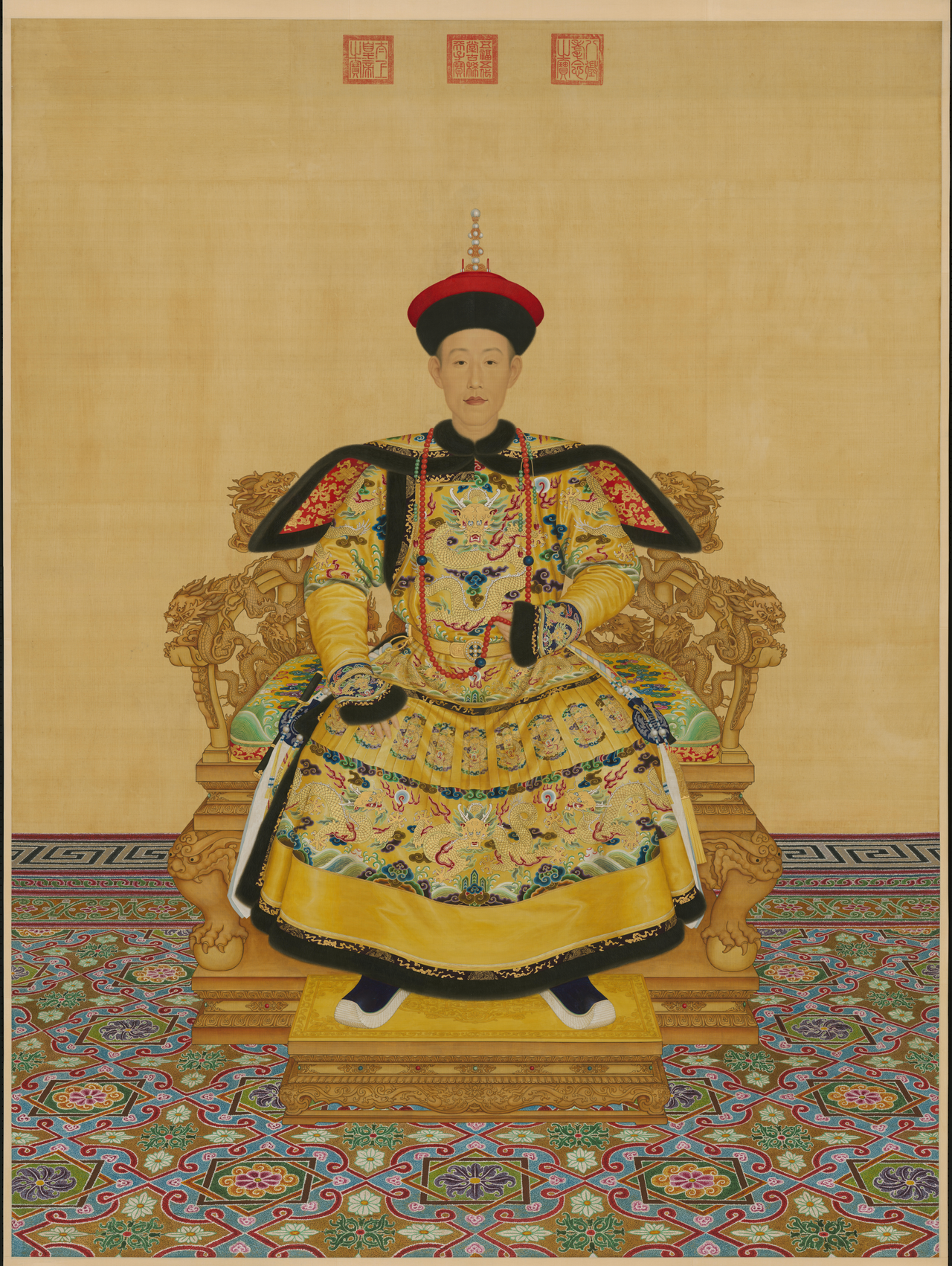 Painting
Primary source
Portrait of the Qianlong Emperor in Court Dress
Giuseppe Castiglione · 1736
 Painting
Primary source
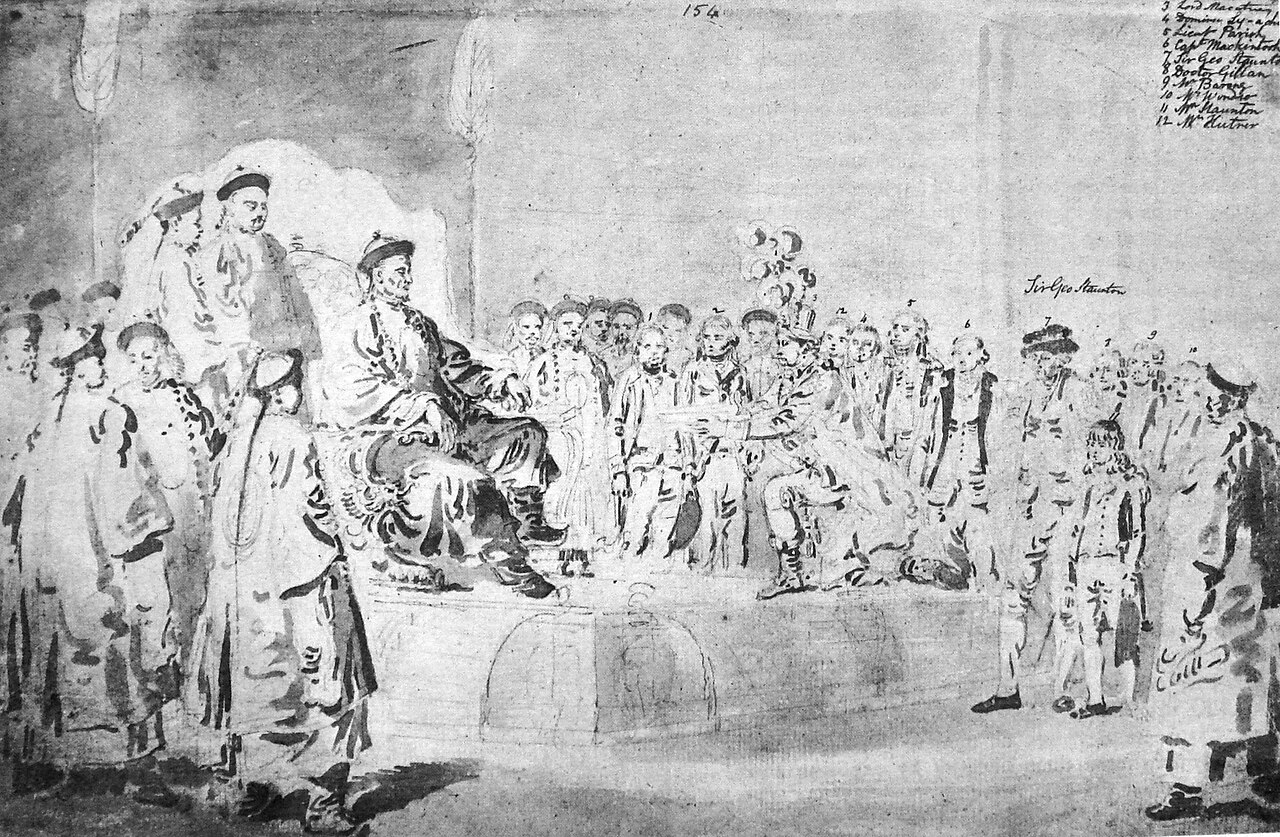
Lord Macartney's Embassy to China, 1793
William Alexander · 1793
 Painting
Primary source
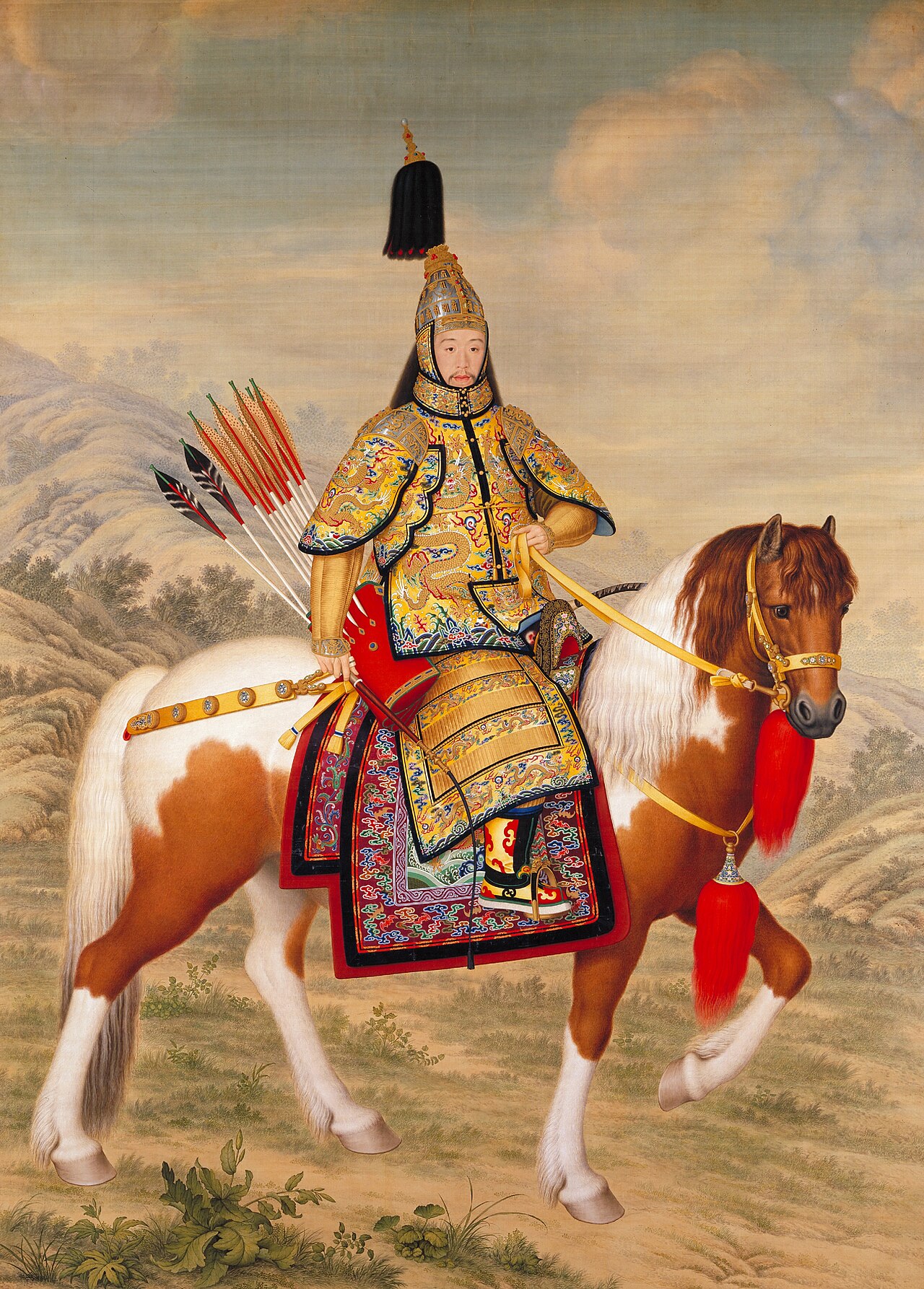
The Qianlong Emperor in Ceremonial Armor on Horseback
Giuseppe Castiglione · 1739
 Document
Primary source
Pronouncement on Lamas
Qianlong Emperor · 1792

Free account
Read every Qianlong Emperor source
Sign up free →
Ready when you are
Start chatting with Qianlong Emperor now.
20 messages free · No credit card · Available in 50+ languages.