


Secondary sourcePainting18th century
Qin Shi Huang Portrait in Lidai Diwang Xiang
Unknown · 18th century
An 18th-century Chinese album portrait imagining the appearance of Qin Shi Huang, made long after his death.
This imagined portrait shows how artists centuries later pictured Qin Shi Huang using the symbols of imperial power.

About this source
What it is
This is a painted portrait of Qin Shi Huang from the 18th-century album Lidai Diwang Xiang, a collection of imagined portraits of historical emperors. It shows a bearded man wearing a dark blue and black hat topped with a red tassel and a cream robe decorated with dragon and cloud patterns.
Why it matters
Because no lifetime portrait of Qin Shi Huang survives, albums like this one created standard imagined images of past emperors for later audiences. This portrait reflects how, centuries after his reign, artists pictured China's first emperor according to the conventions of imperial dress rather than any real likeness.
Look closer
- What details in the robe and hat suggest this is meant to show an emperor, rather than an ordinary person?
- Why might artists working centuries later rely on conventional imperial symbols instead of a real likeness?
- How might a portrait like this shape what people today imagine Qin Shi Huang looked like, even though it isn't accurate?
This painting is part of the curated material that grounds the AI version of Emperor Qin Shi Huang on Humy.ai — when students ask about related events, the AI can quote it and cite it.
More Emperor Qin Shi Huang sources
Meet the AI Emperor Qin Shi Huang → Sculpture
Primary source
Terracotta Army
c. 247–209 BCE
 Artifact
Primary source
Mausoleum of the First Qin Emperor
246–208 BCE
 Artifact
Primary source
Great Wall of China
7th century BCE–present, Qin-era sections 3rd century BCE
 Artifact
Primary source
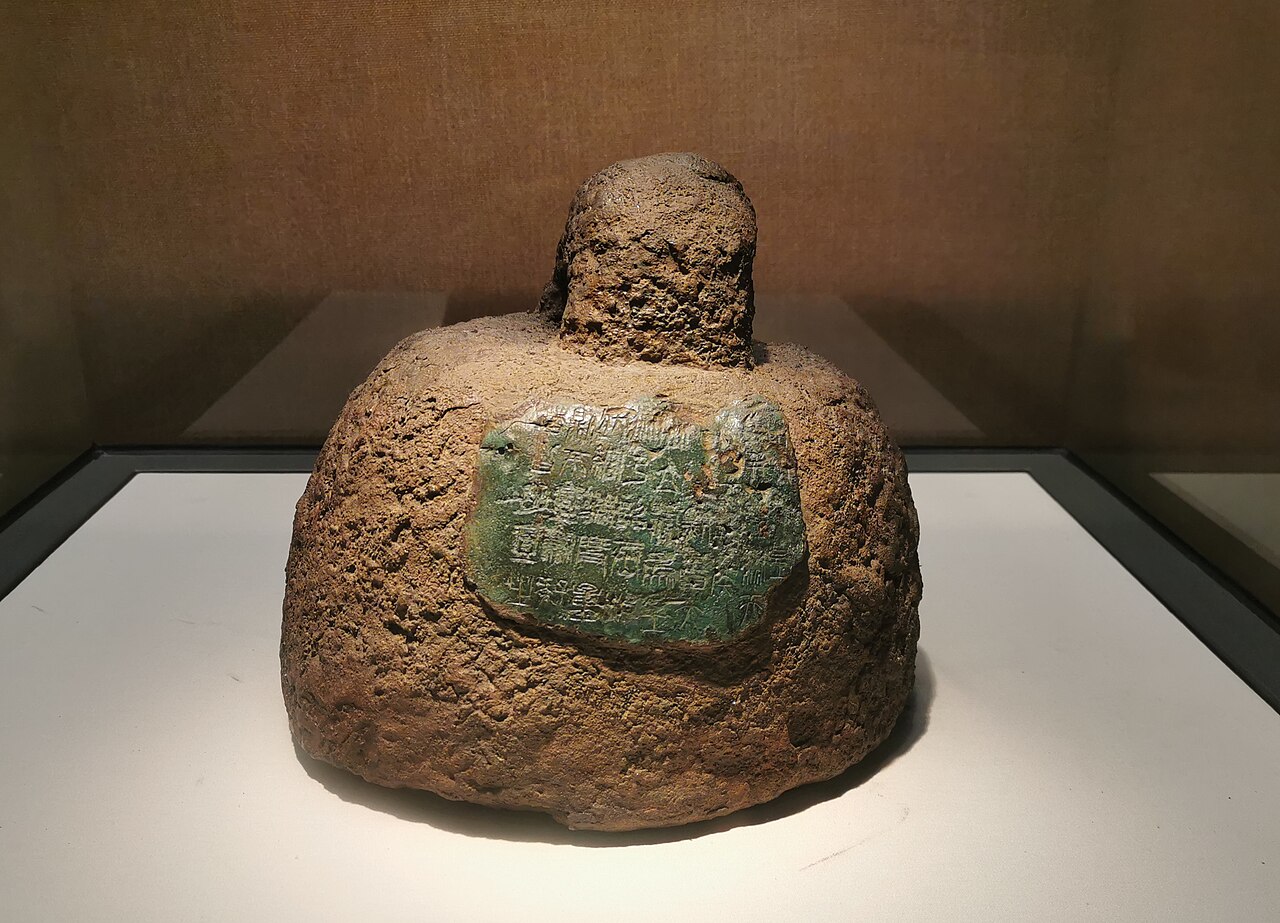
Qin Iron Weight with Imperial Edict
221 BCE
 Document
Primary source
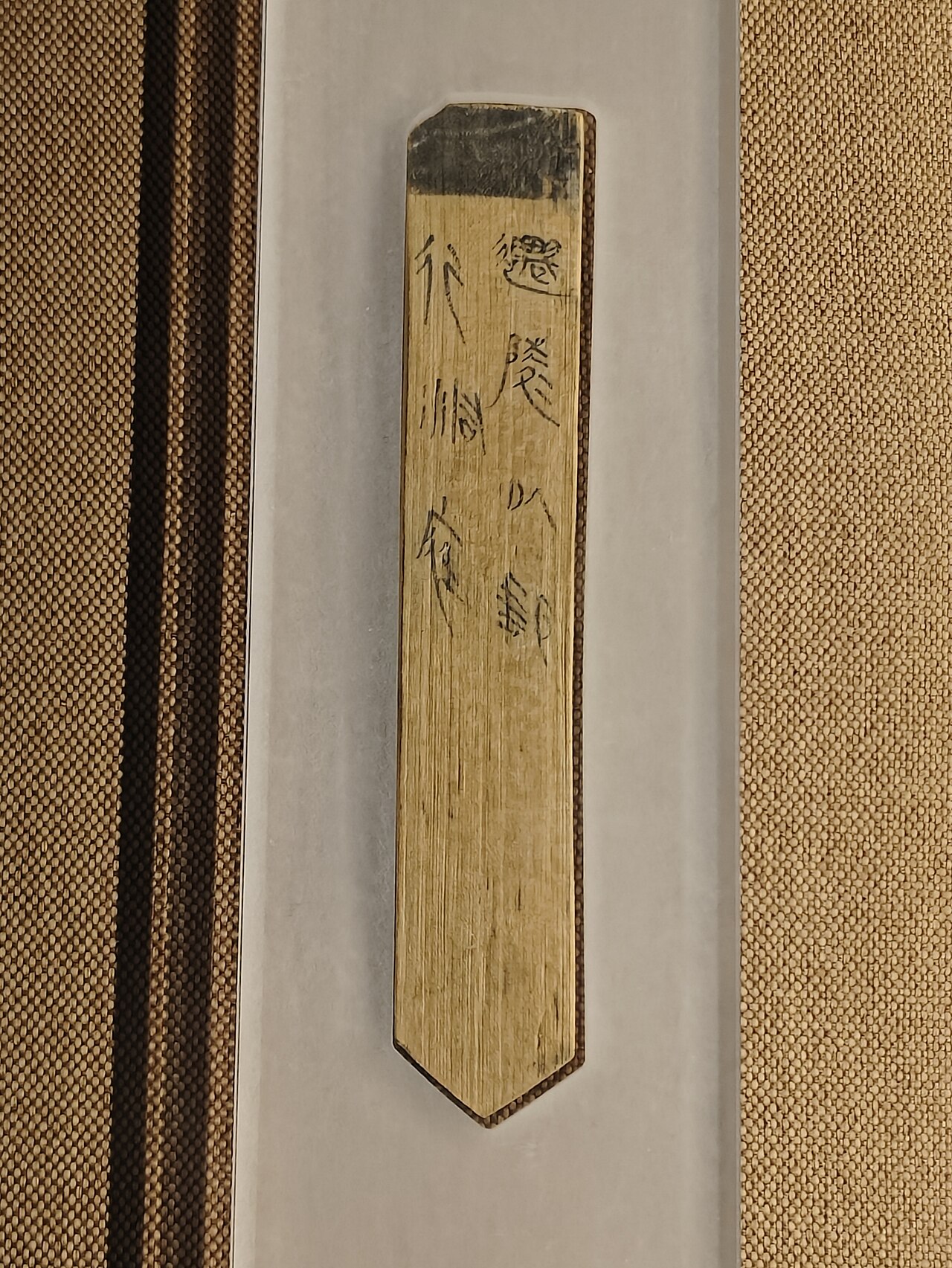
Liye Qin Slips
Qin dynasty, 3rd century BCE
Ready when you are
Start chatting with Emperor Qin Shi Huang now.
20 messages free · No credit card · Available in 50+ languages.