


Primary sourceSculpturec. 247–209 BCE
Terracotta Army
c. 247–209 BCE
Thousands of life-sized clay soldiers buried near Qin Shi Huang's tomb to guard him in the afterlife.
Qin Shi Huang commissioned this army to guard his tomb, showing his power and fear of the afterlife.

About this source
What it is
The Terracotta Army is a huge collection of terracotta sculptures of soldiers, chariots and horses, buried as funerary art with Qin Shi Huang, first emperor of China. Work on the mausoleum began around 246 BCE, and the figures were buried near his tomb around 210–209 BCE. They were discovered by farmers in 1974 near Xi'an and are now displayed in a museum built over the excavation pits.
Why it matters
The army shows the enormous scale of labour and military organisation the Qin state could command, and the emperor's deep concern with protecting himself in the afterlife. The historian Sima Qian, writing a century later, described the mausoleum's construction, and his account has helped later archaeologists and historians understand what they found.
Look closer
- Why would an emperor want an entire army made for his tomb instead of real soldiers?
- What does the individual detail in each soldier's face suggest about how they were made?
- What might the army not tell us about ordinary people's lives under Qin rule?
This sculpture is part of the curated material that grounds the AI version of Emperor Qin Shi Huang on Humy.ai — when students ask about related events, the AI can quote it and cite it.
More Emperor Qin Shi Huang sources
Meet the AI Emperor Qin Shi Huang → Artifact
Primary source
Mausoleum of the First Qin Emperor
246–208 BCE
 Artifact
Primary source
Great Wall of China
7th century BCE–present, Qin-era sections 3rd century BCE
 Artifact
Primary source
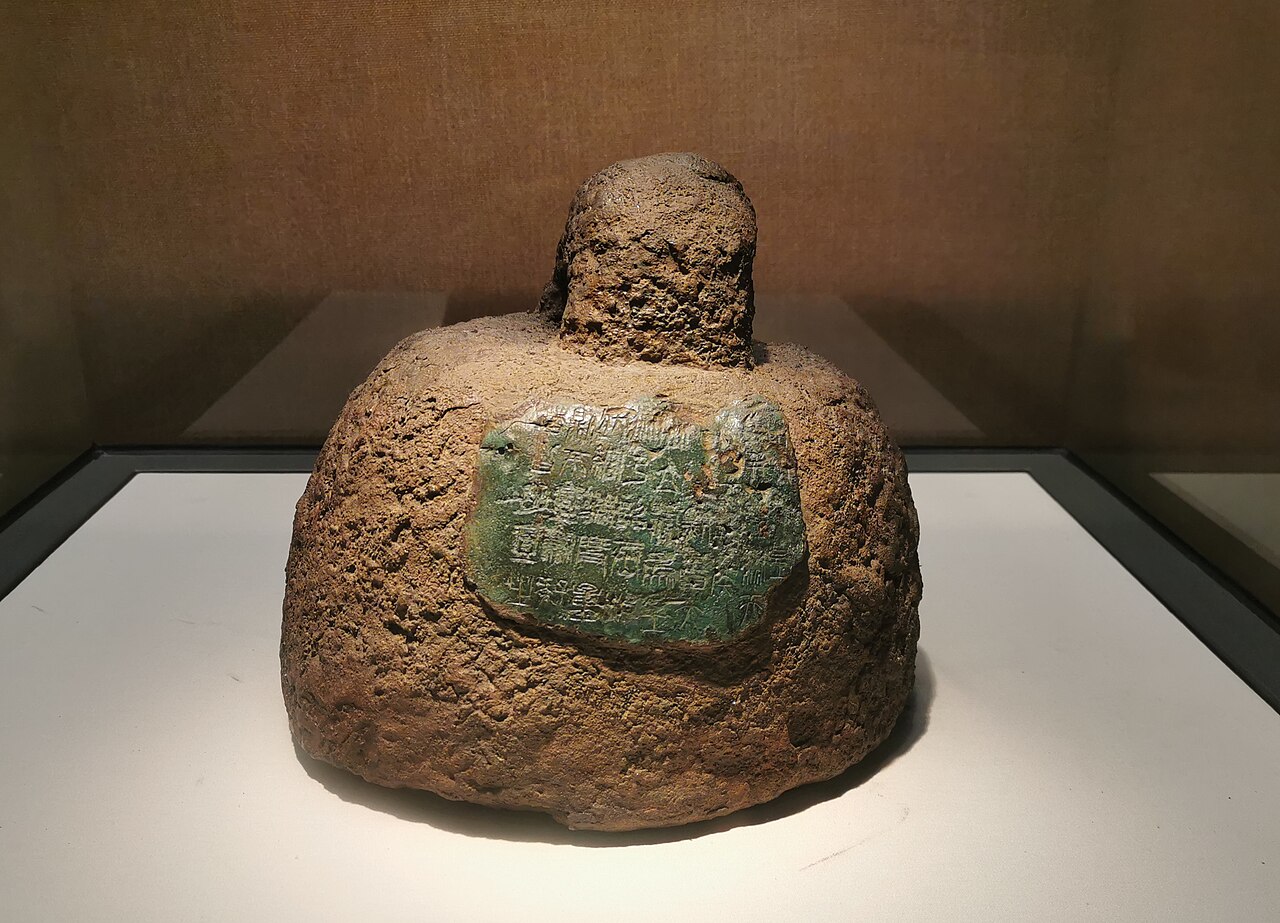
Qin Iron Weight with Imperial Edict
221 BCE
 Document
Primary source
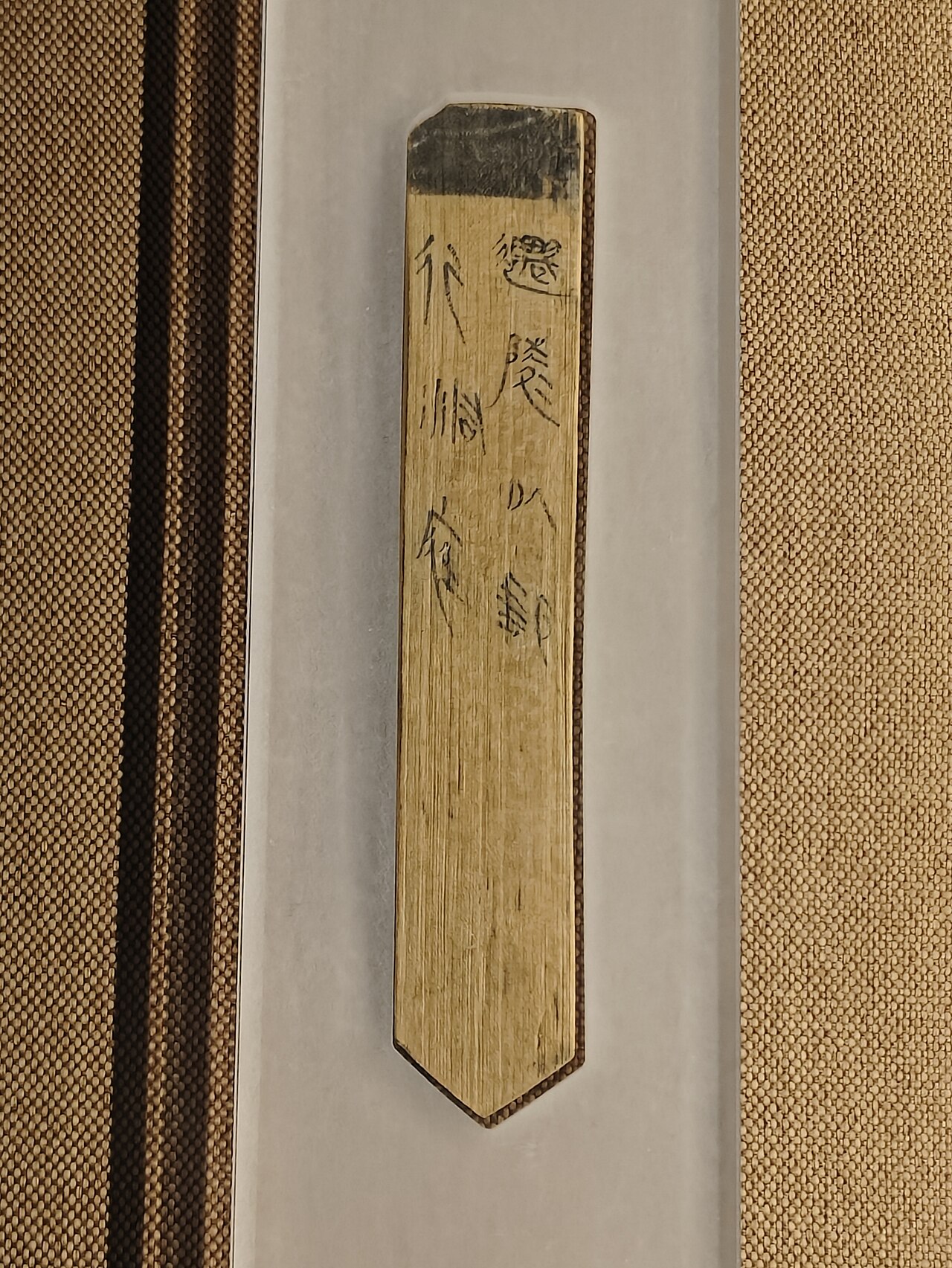
Liye Qin Slips
Qin dynasty, 3rd century BCE
 Book
Secondary source
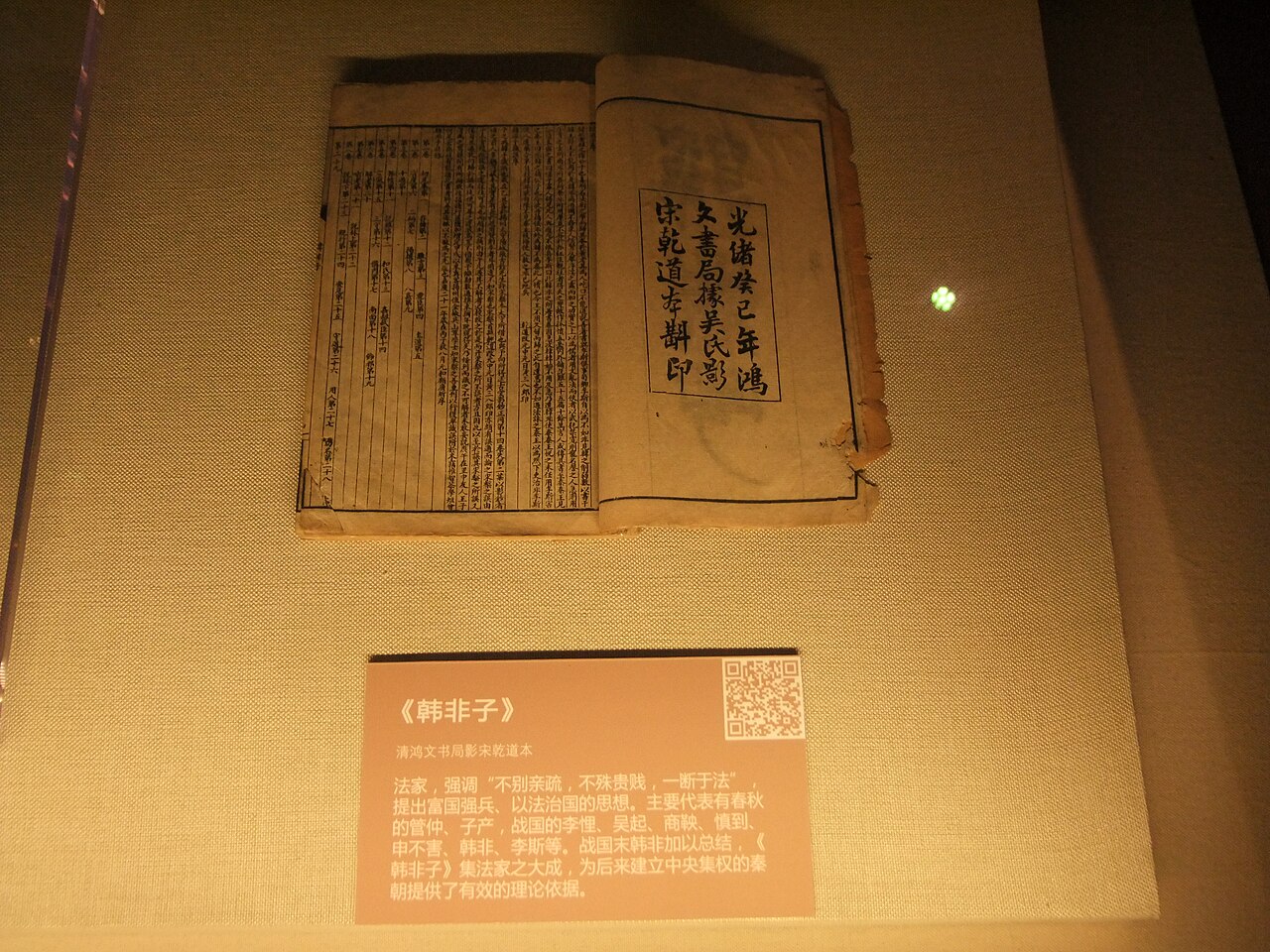
Han Feizi
Han Fei · c. 3rd century BCE
Ready when you are
Start chatting with Emperor Qin Shi Huang now.
20 messages free · No credit card · Available in 50+ languages.