


Primary sourceBookc. 1500
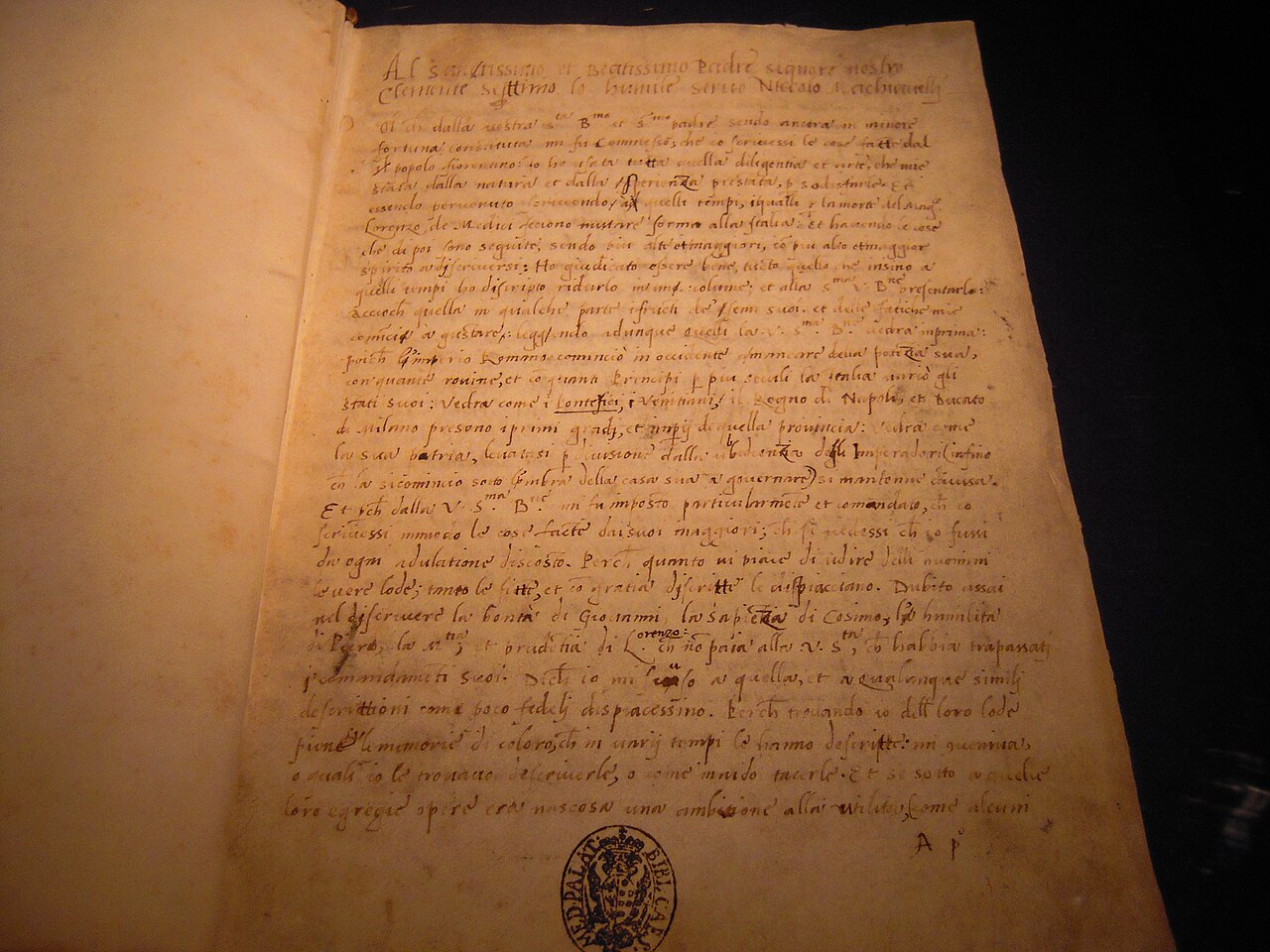
Quanto sia vana ogni speranza nostra
Lorenzo de' Medici · c. 1500
A sonnet by Lorenzo de' Medici meditating on the vanity of human hope and the certainty of death.
A sonnet written by Lorenzo de' Medici himself, revealing the melancholy reflections of his later life.
Free Humy account · No credit card · 120,912 sources to read
About this source
What it is
This is a sonnet written by Lorenzo de' Medici, dated around 1500, reflecting on how all human hopes and plans are vain and how death alone remains constant.
Why it matters
Lorenzo de' Medici, as a ruler of Florence, was also a poet, and this sonnet shows the more melancholy, reflective side of his later writing. It offers a window into how a powerful political figure thought about mortality, fortune and the limits of human ambition, beyond his public role.
Look closer
- What examples of human activity does the poem list, and why might Lorenzo have chosen these?
- How does the poem contrast different kinds of people and their pursuits?
- Why might a ruler at the height of his power write about the vanity of hope?
This book is part of the curated material that grounds the AI version of Lorenzo de' Medici on Humy.ai — when students ask about related events, the AI can quote it and cite it.
More Lorenzo de' Medici sources
Browse all 93 →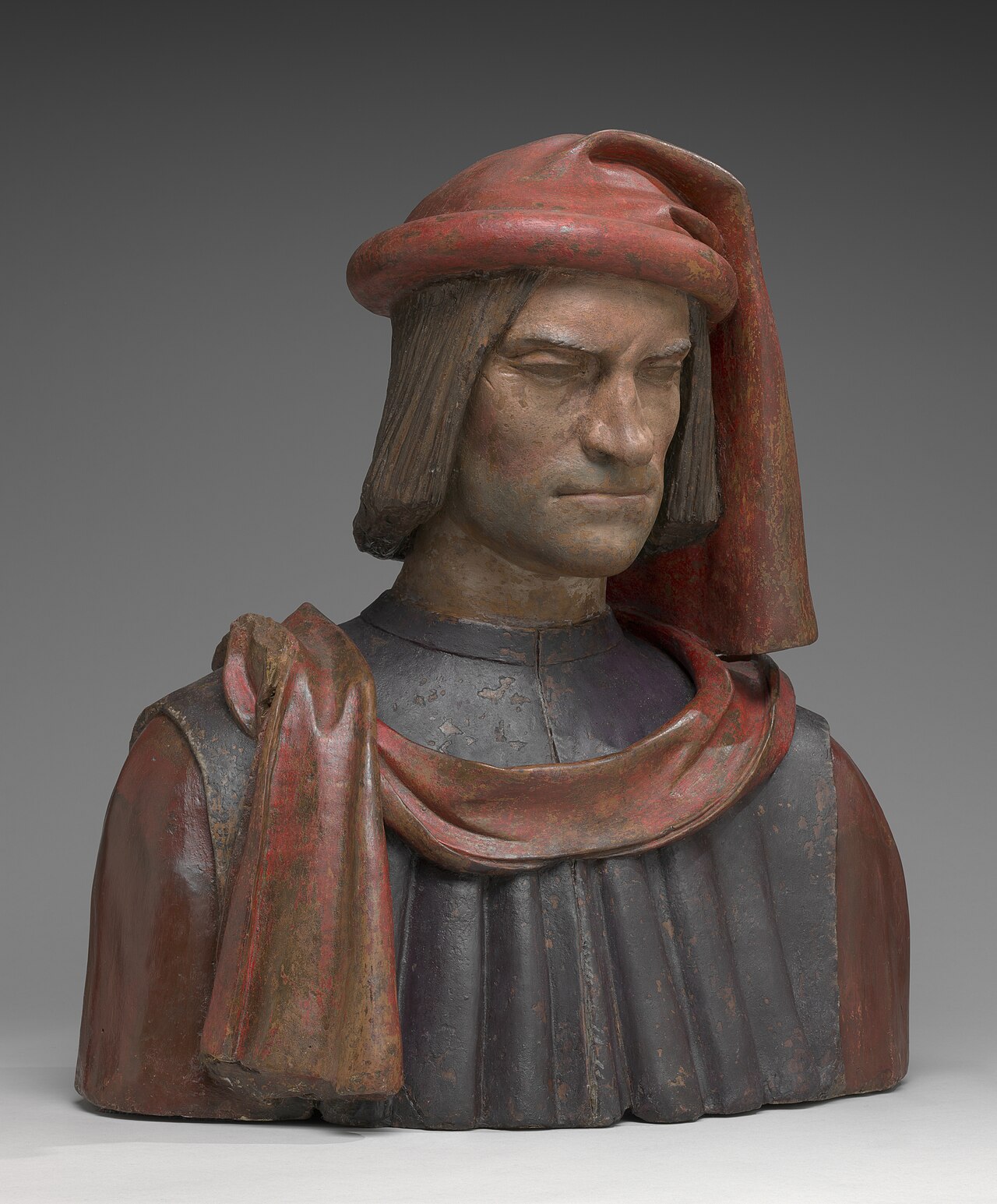 Sculpture
Secondary source
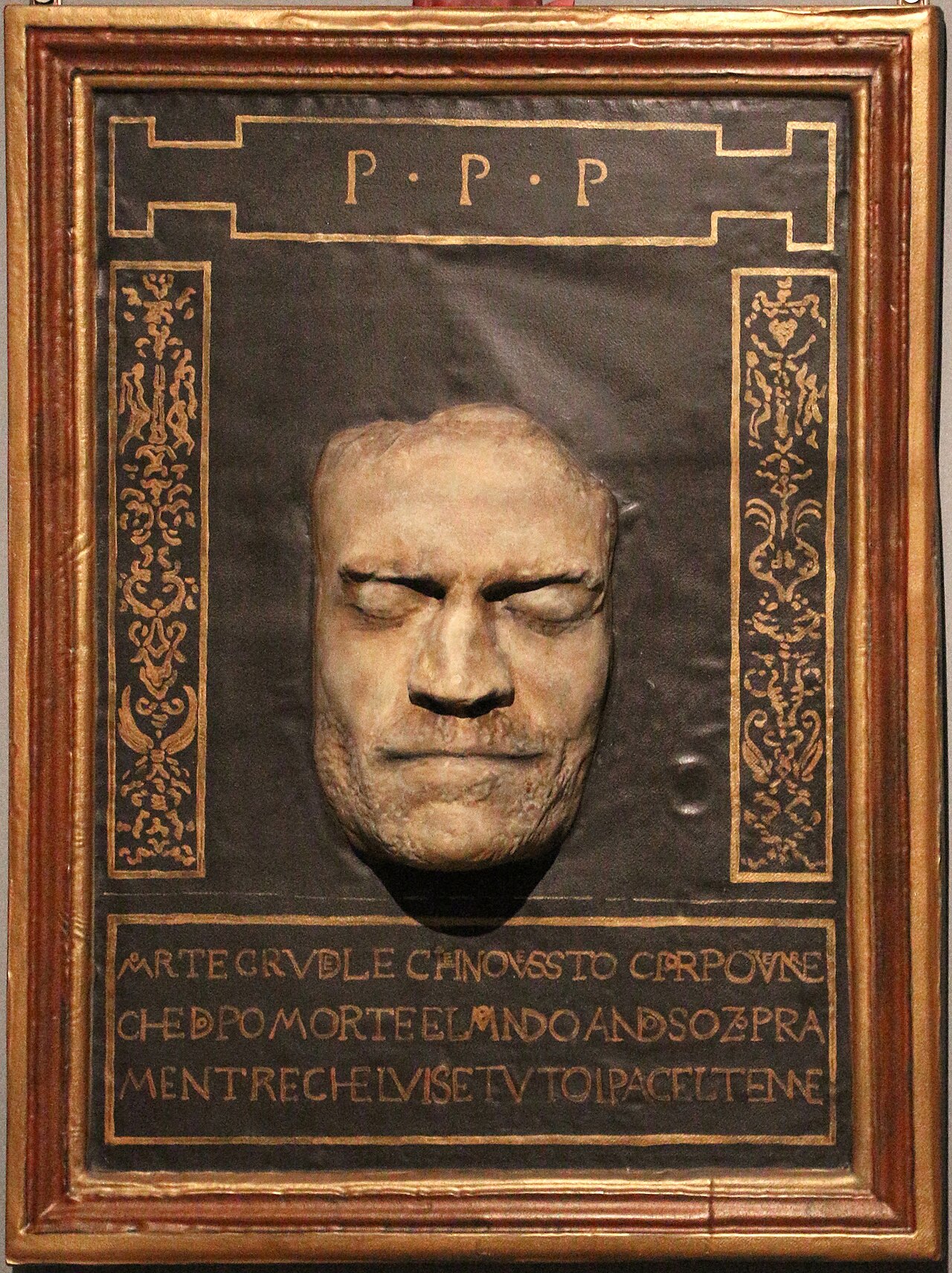
Bust of Lorenzo de' Medici
Circle of Andrea del Verrocchio · c. late 15th century (museum record dated 2000)
Primary source
The Triumph of Bacco and Arianna
Lorenzo de' Medici · 1490
 Painting
Primary source
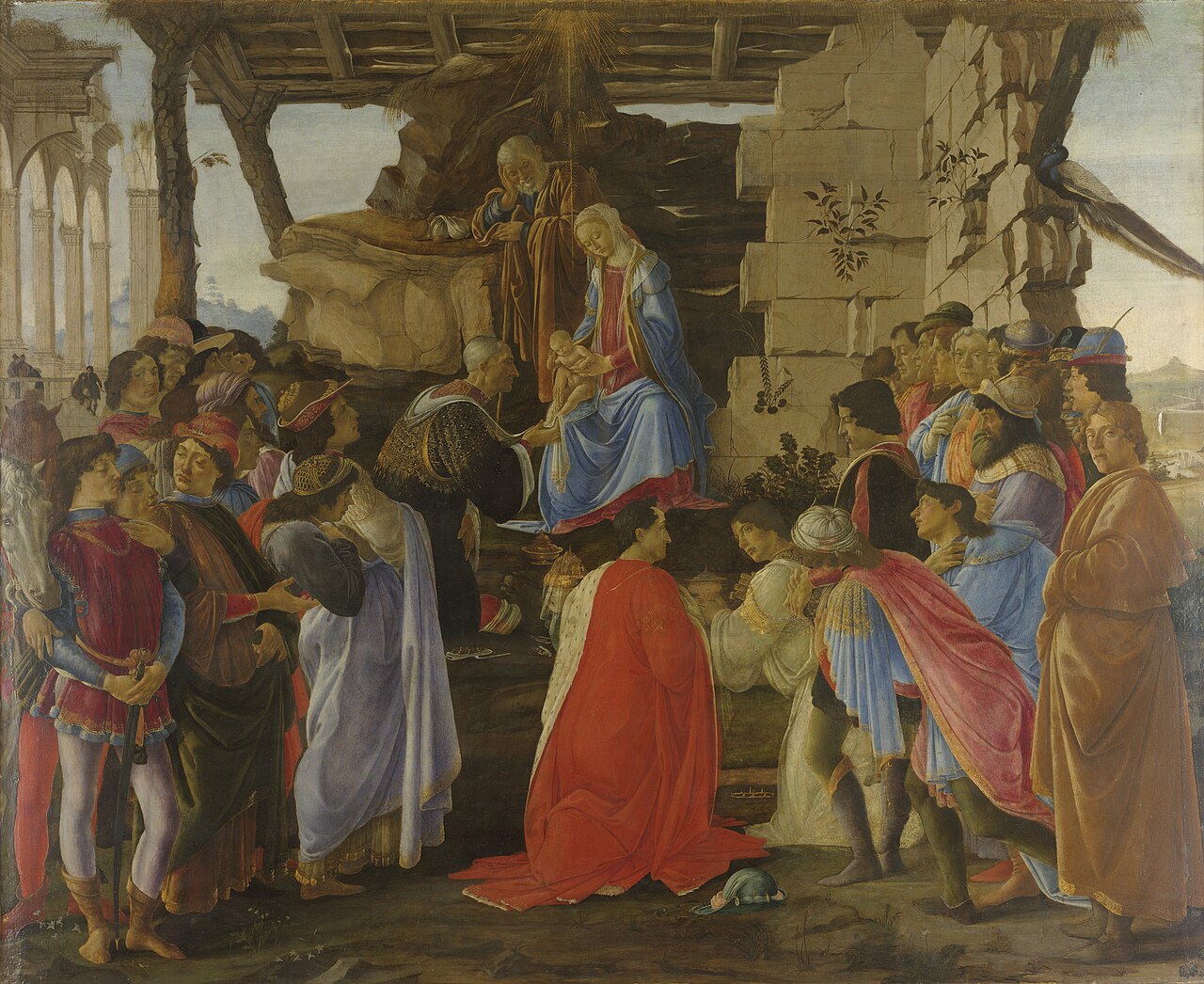
Adoration of the Magi
Sandro Botticelli · c. 1475
 Painting
Primary source
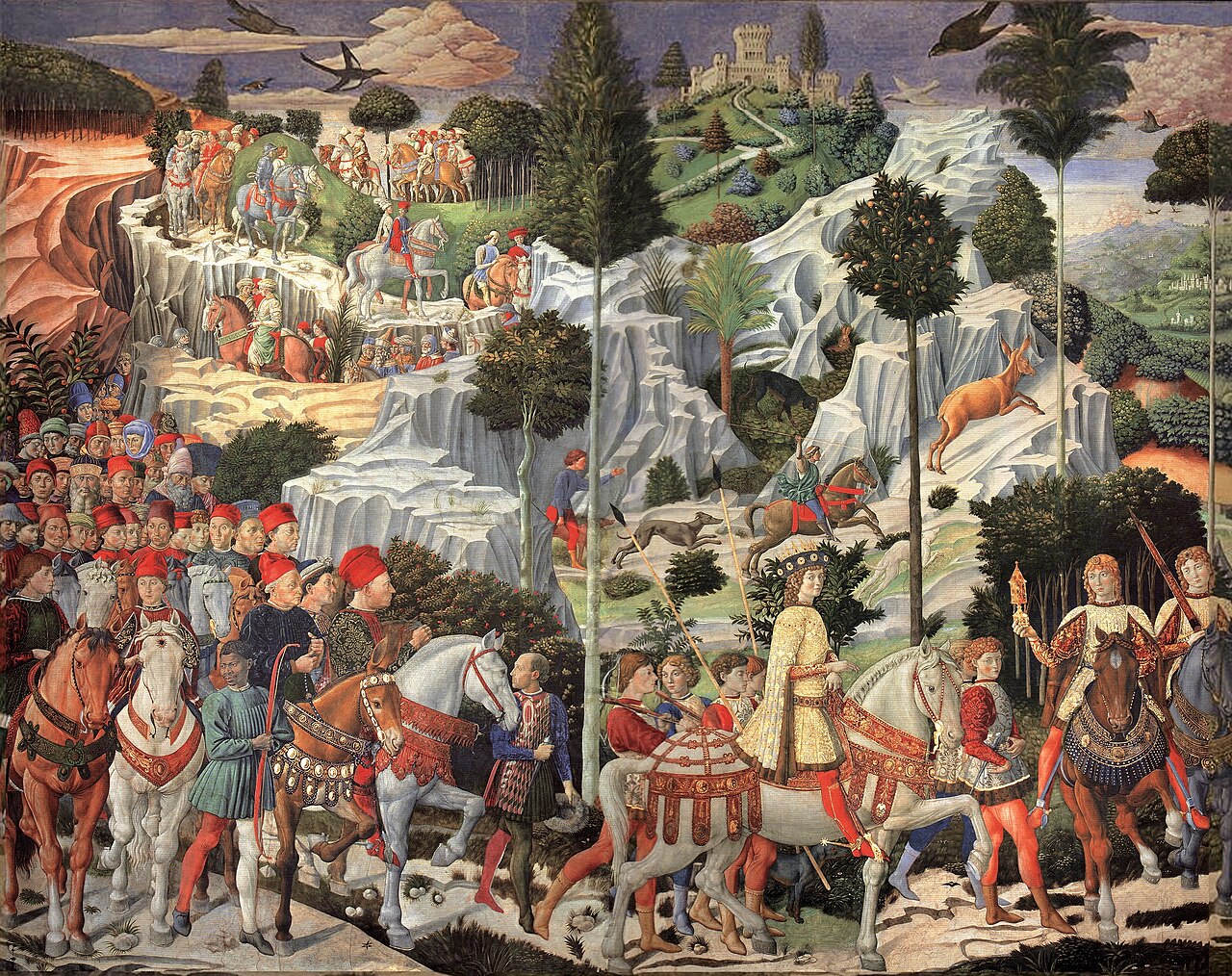
Procession of the Youngest King
Benozzo Gozzoli · c. 1459
Free account
Read every Lorenzo de' Medici source
Sign up free →
Ready when you are
Start chatting with Lorenzo de' Medici now.
20 messages free · No credit card · Available in 50+ languages.