


Secondary sourcePainting1626
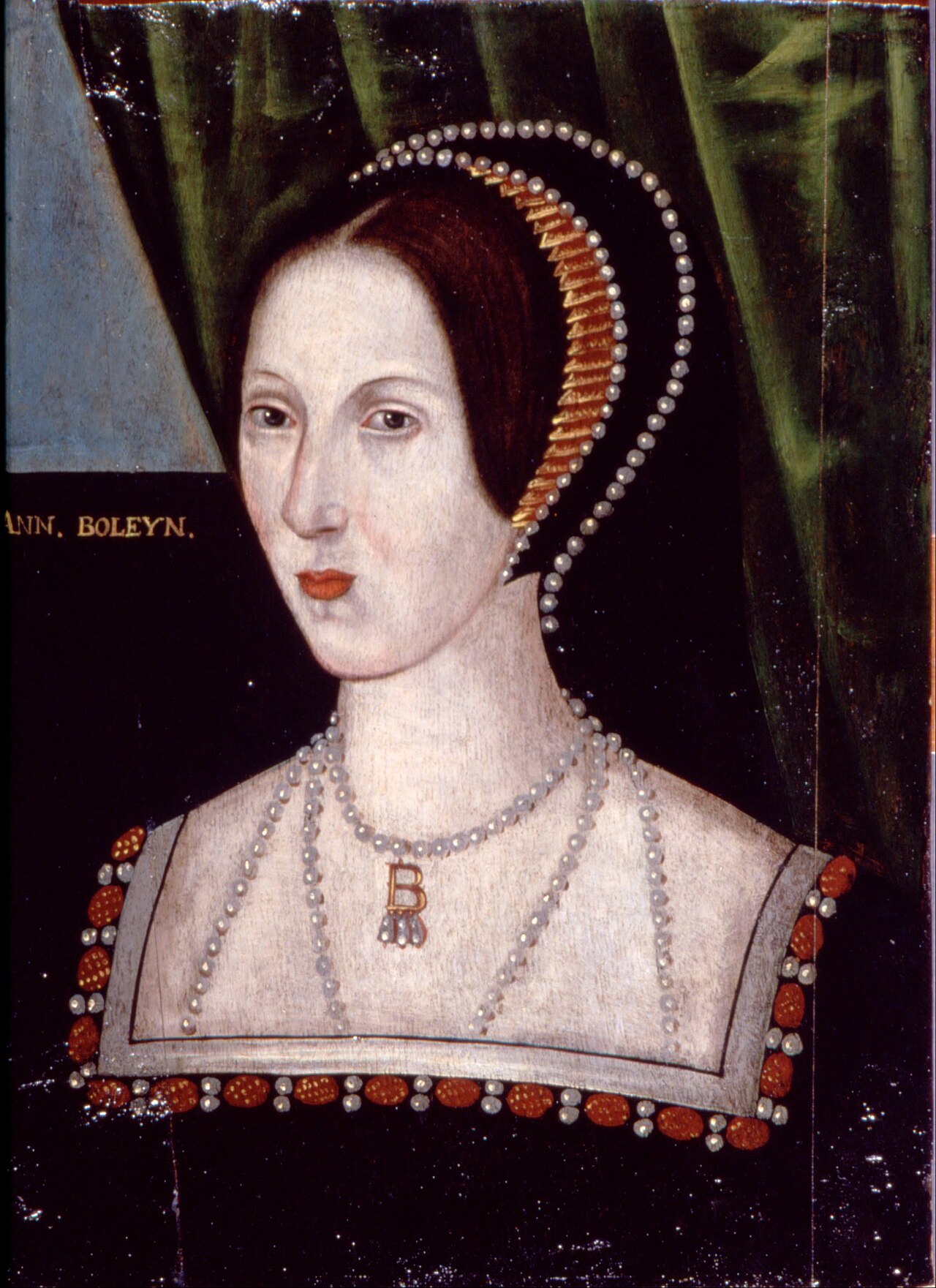
Queen Anne Boleyn (Dulwich Portrait)
Unknown, British School · 1626
A 1626 painted portrait of Anne Boleyn showing the continued reproduction of her standard image long after her death.
This Dulwich portrait shows how Anne Boleyn's image continued to be copied and valued long after her execution.
About this source
What it is
This is a painted portrait of Anne Boleyn by an unknown artist of the British School, dated 1626, held at Dulwich Picture Gallery. She is shown with dark hair under a jeweled headdress, wearing a pearl necklace with a gold 'B' pendant and a white dress trimmed with red and pearls, labeled 'ANN. BOLEYN'.
Why it matters
This portrait is one of many copies of a standard image type used to represent Anne Boleyn in the century after her execution. Its repeated reproduction shows how important her image remained in English culture, particularly as the mother of Elizabeth I, even though no confirmed portrait from her own lifetime survives.
Look closer
- Why might the same basic image of Anne be copied again and again over many decades?
- What clues in the painting tell you this is a later copy rather than a portrait made during her life?
- What might be lost when an image is copied many times instead of drawn from life?
This painting is part of the curated material that grounds the AI version of Ann Boleyn on Humy.ai — when students ask about related events, the AI can quote it and cite it.
More Ann Boleyn sources
Meet the AI Ann Boleyn →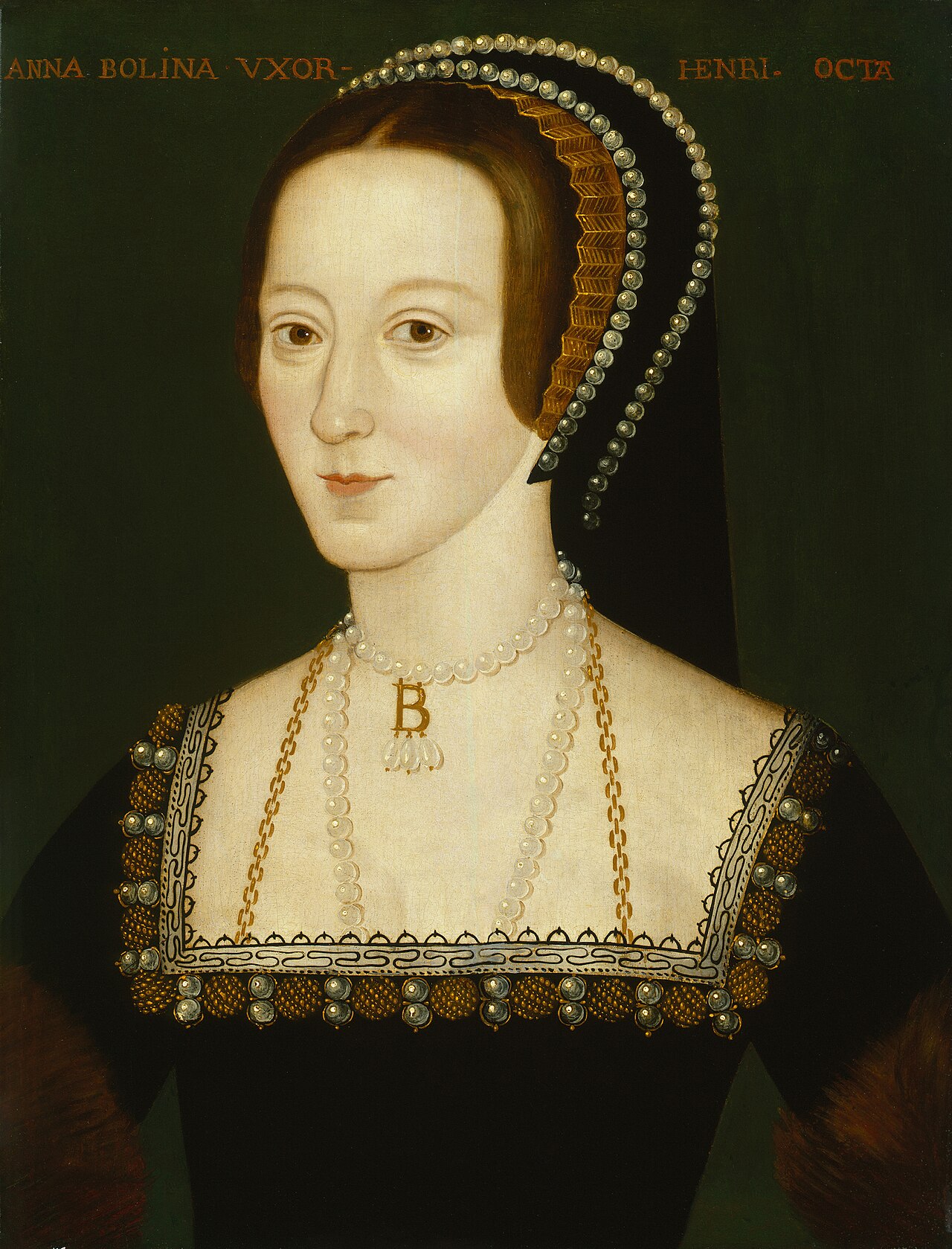 Painting
Secondary source
Anne Boleyn
Unknown artist · late 16th century (copy of lost original)
 Letter
Primary source
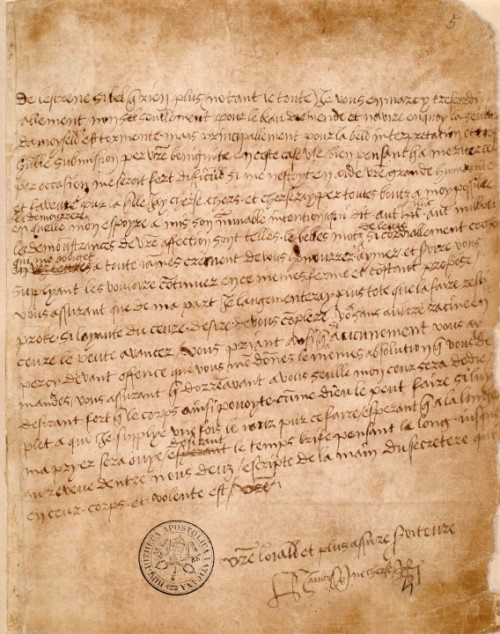
Love letters of Henry VIII to Anne Boleyn
Henry VIII · c. 1527–1528
 Painting
Primary source
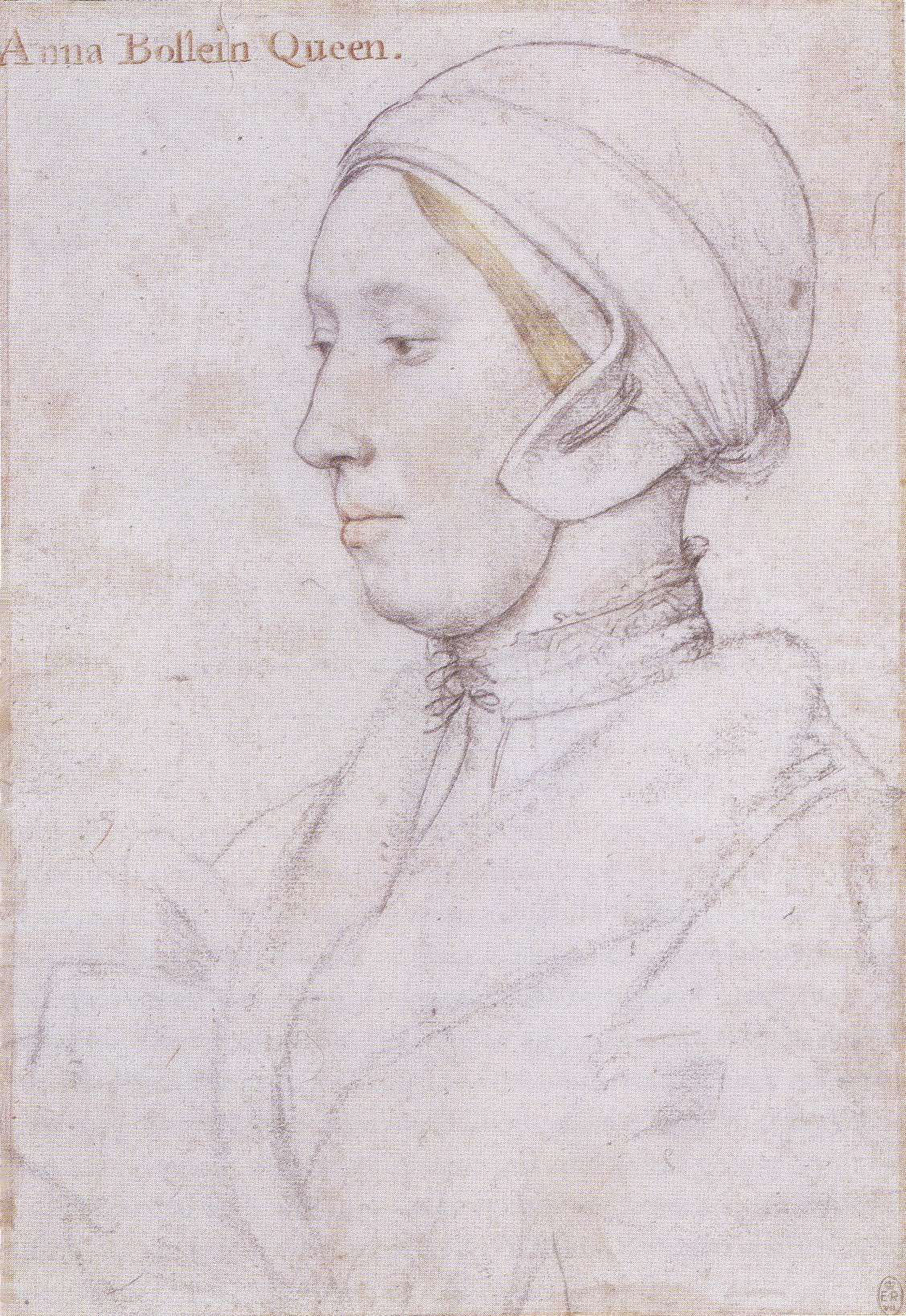
Anna Bollein Queen
Hans Holbein the Younger · c. 1533–1536
 Painting
Primary source
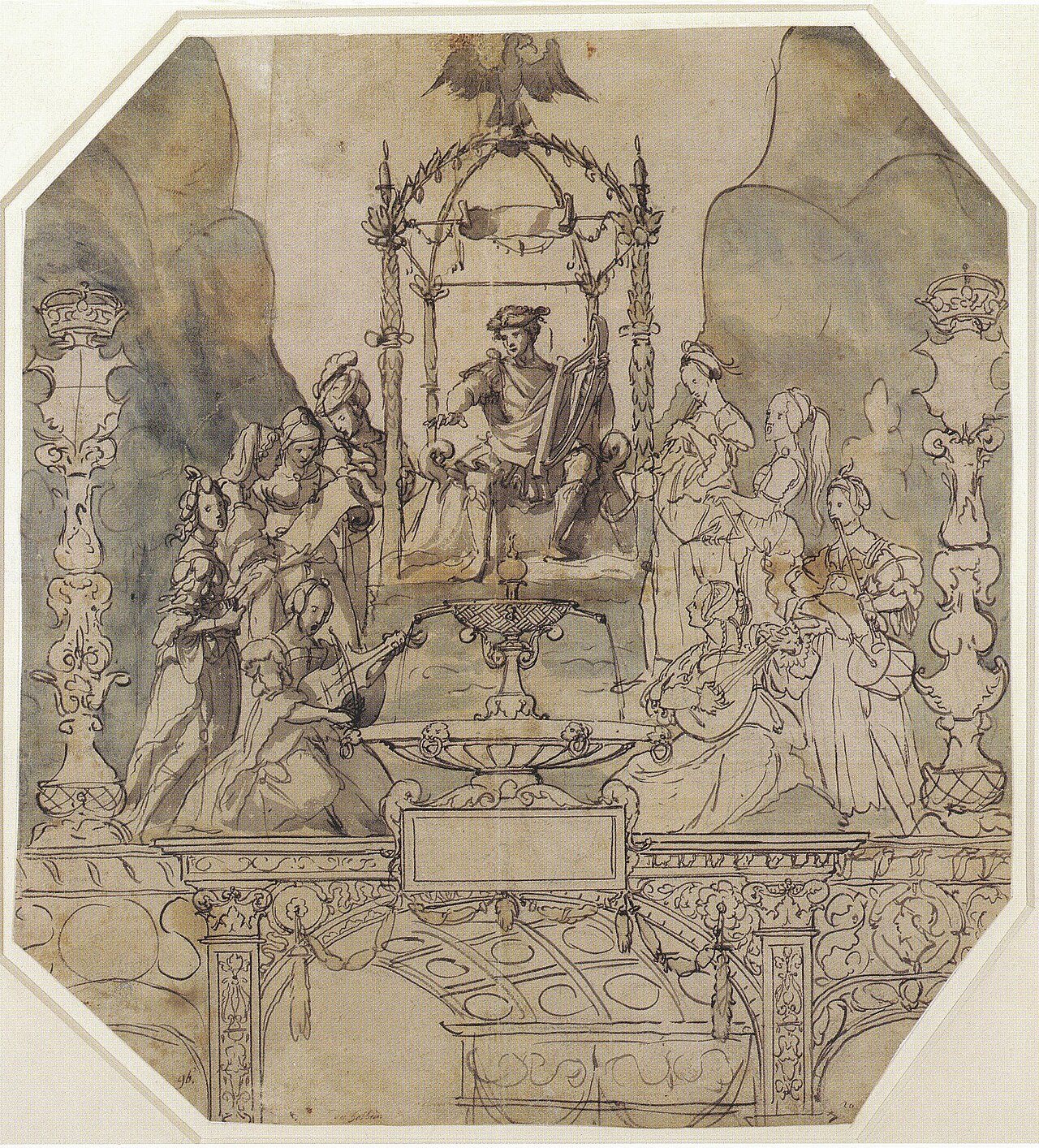
Apollo and the Muses on Parnassus
Hans Holbein the Younger · 1533
 Document
Primary source
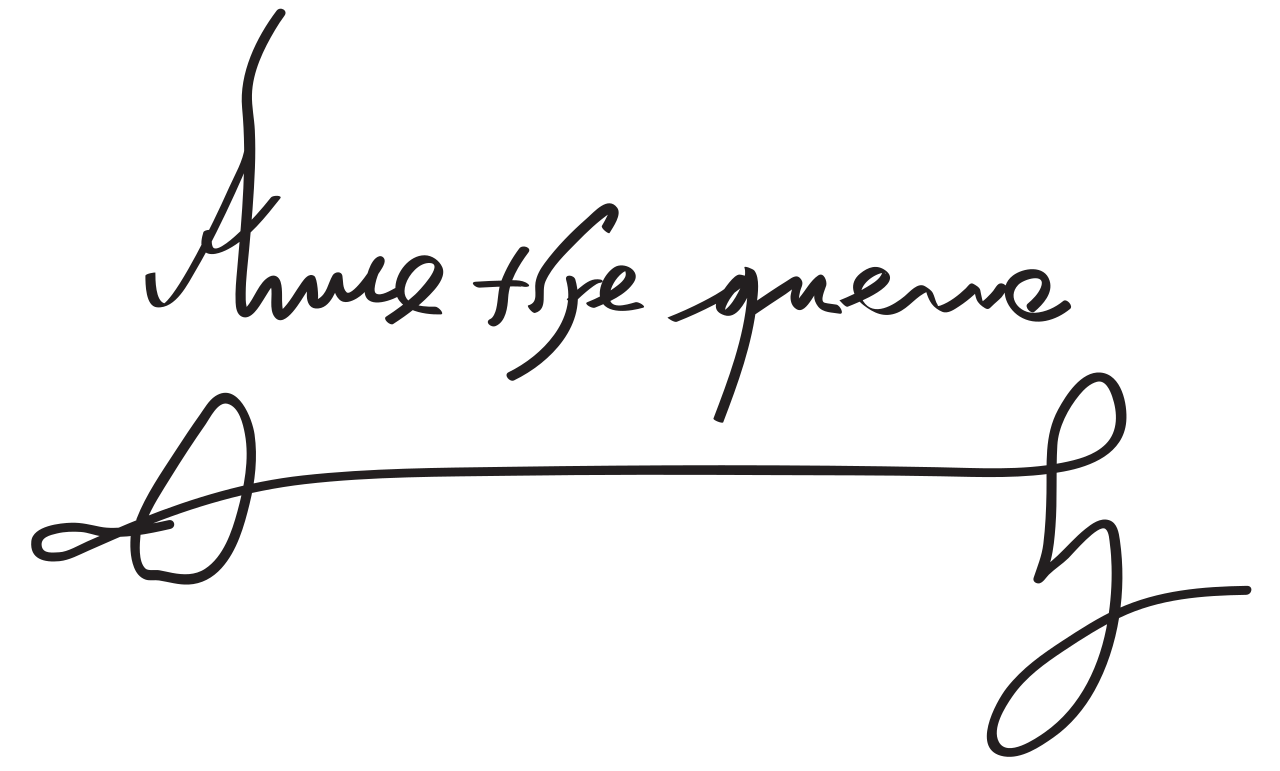
Signature of Anne Boleyn
Anne Boleyn
Ready when you are
Start chatting with Ann Boleyn now.
20 messages free · No credit card · Available in 50+ languages.