


Secondary sourcePainting
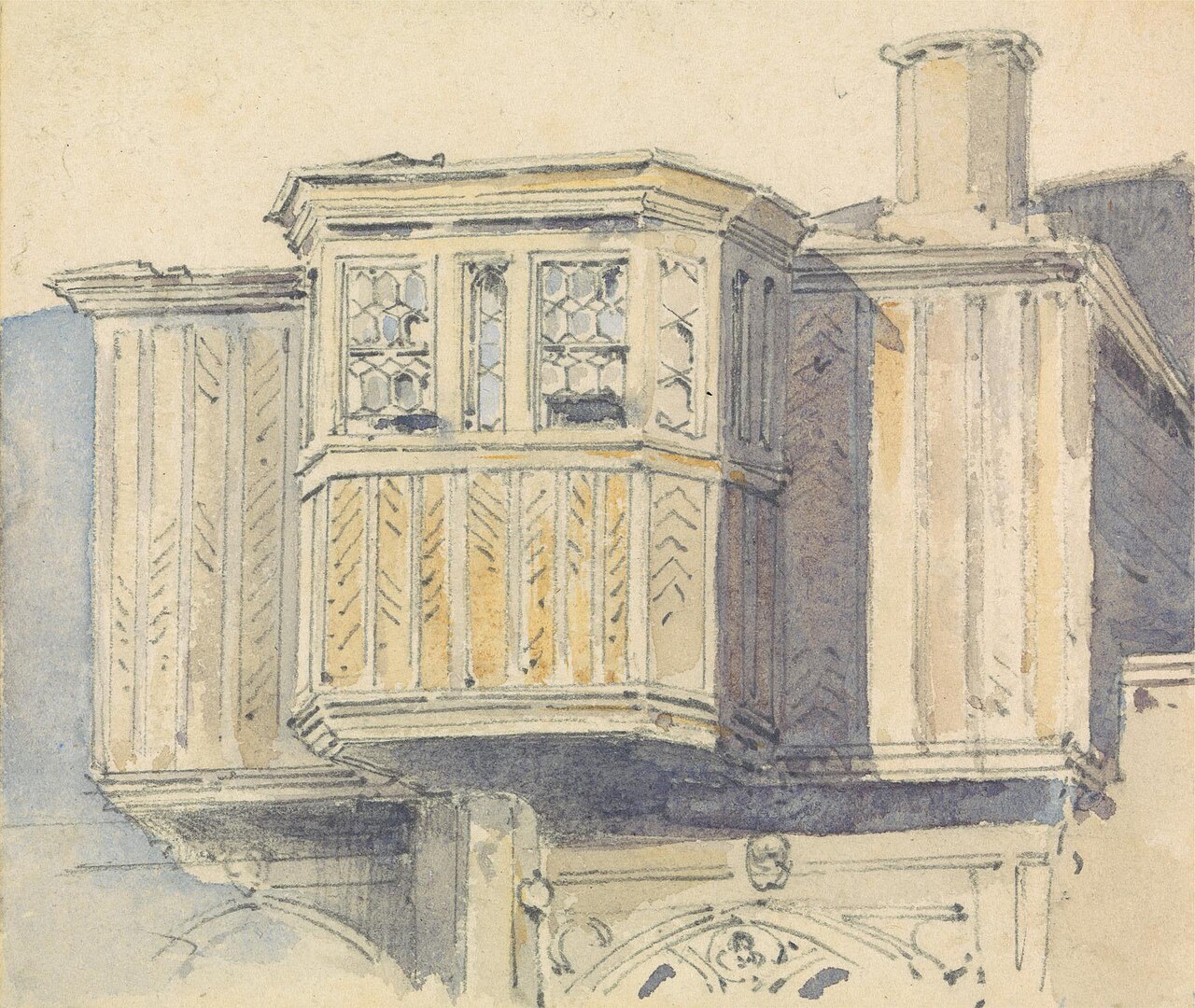
Queen Anne Boleyn's Room, Windsor Castle
Thomas Shotter Boys
A topographical print of a Windsor Castle room named after Anne Boleyn, drawn as a later image of a room associated with her.
Shows a room at Windsor named after Anne Boleyn, one of the places later associated with her.
About this source
What it is
This is a topographical print: a pencil and watercolor drawing of a room at Windsor Castle that is named after Anne Boleyn. It shows an oriel bay window with leaded diamond panes and carved wooden panels, flanked by a tall stone chimney stack, with ornate tracery visible below. The washes are pale blue and ochre. The artist was Thomas Shotter Boys. It is a later image of a room associated with Anne, not a record made during her lifetime.
Why it matters
Views like this show how places linked to Anne were remembered and presented long after her execution in 1536. The room carries her name, so the drawing tells us as much about later interest in her as about the room in her own time. Students can use it to see how a figure becomes part of the places that keep her memory alive.
Look closer
- Which details make the room look old, and which might the artist have chosen to emphasise?
- Why might a room named after Anne be drawn long after she lived?
- What does this drawing leave out about the people who actually used the room?
This painting is part of the curated material that grounds the AI version of Ann Boleyn on Humy.ai — when students ask about related events, the AI can quote it and cite it.
More Ann Boleyn sources
Meet the AI Ann Boleyn →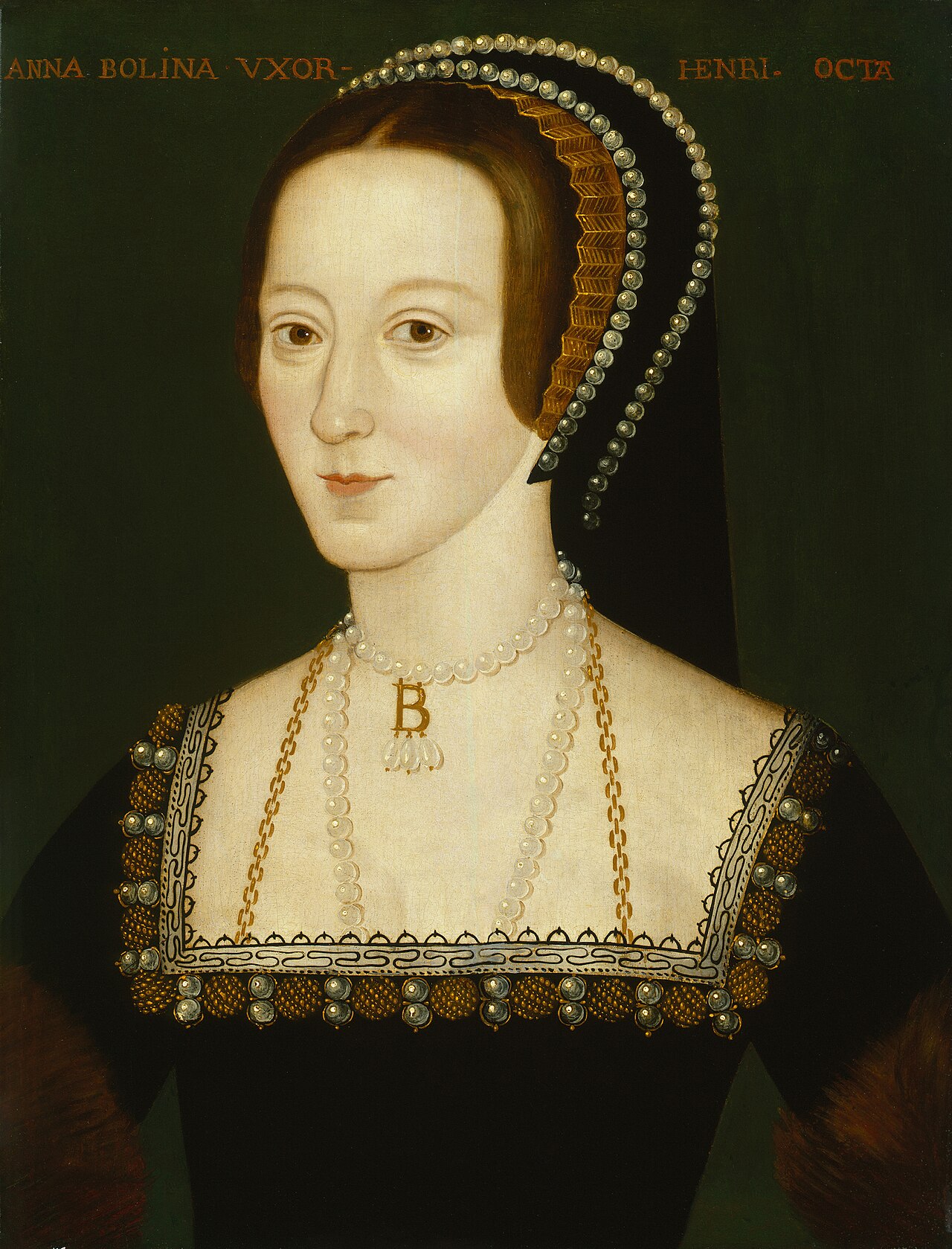 Painting
Secondary source
Anne Boleyn
Unknown artist · late 16th century (copy of lost original)
 Letter
Primary source
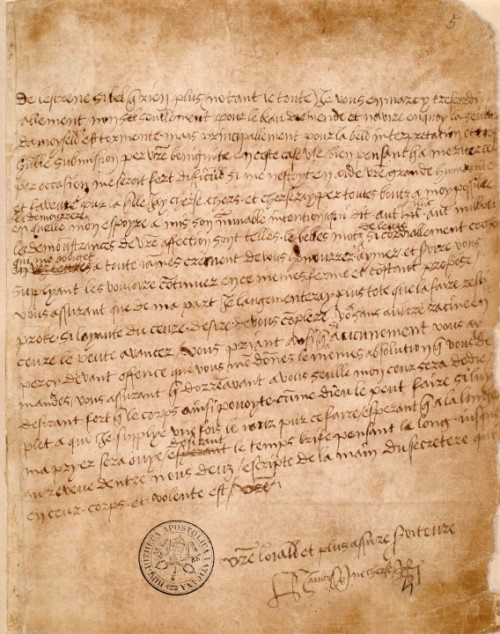
Love letters of Henry VIII to Anne Boleyn
Henry VIII · c. 1527–1528
 Painting
Primary source
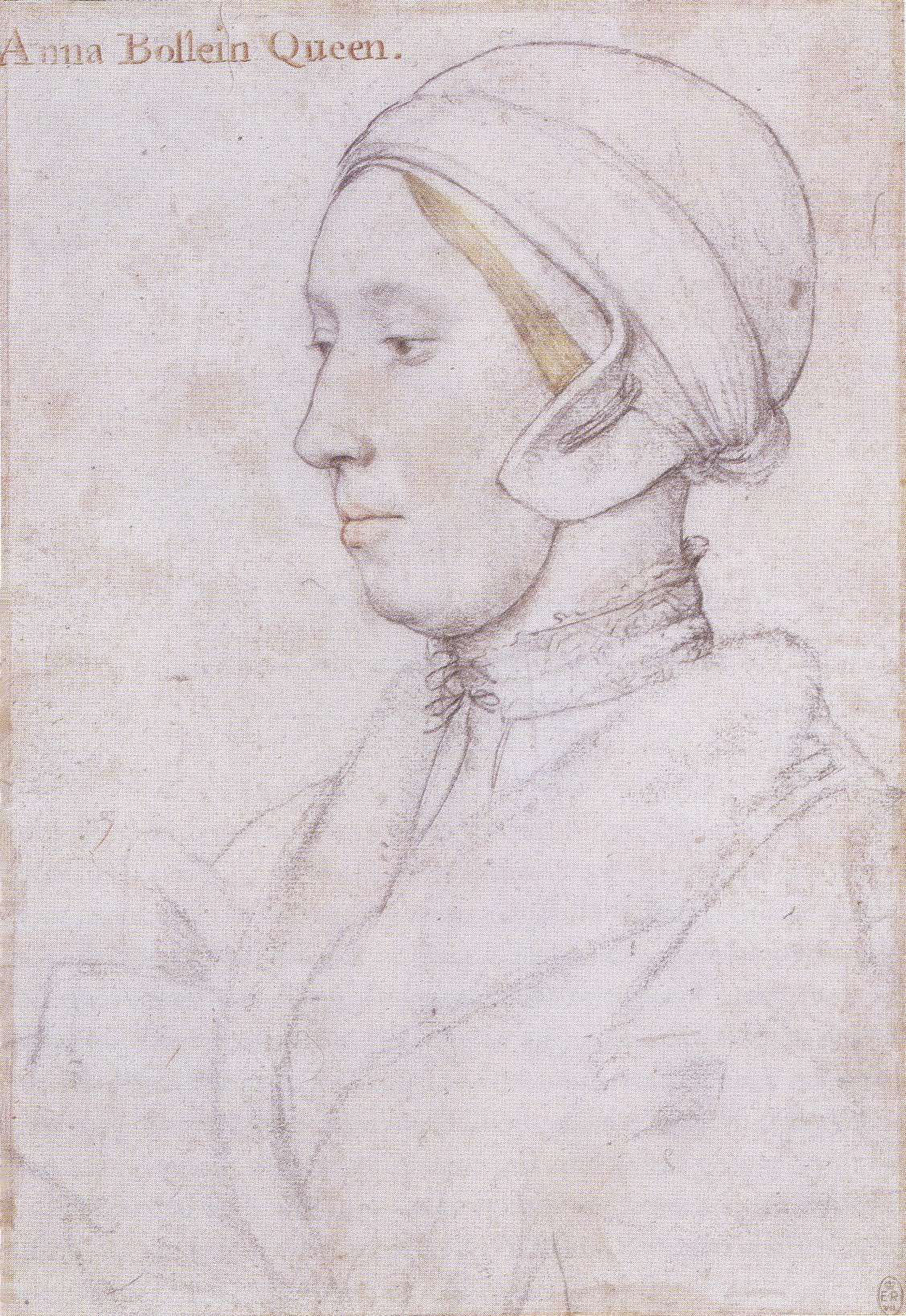
Anna Bollein Queen
Hans Holbein the Younger · c. 1533–1536
 Painting
Primary source
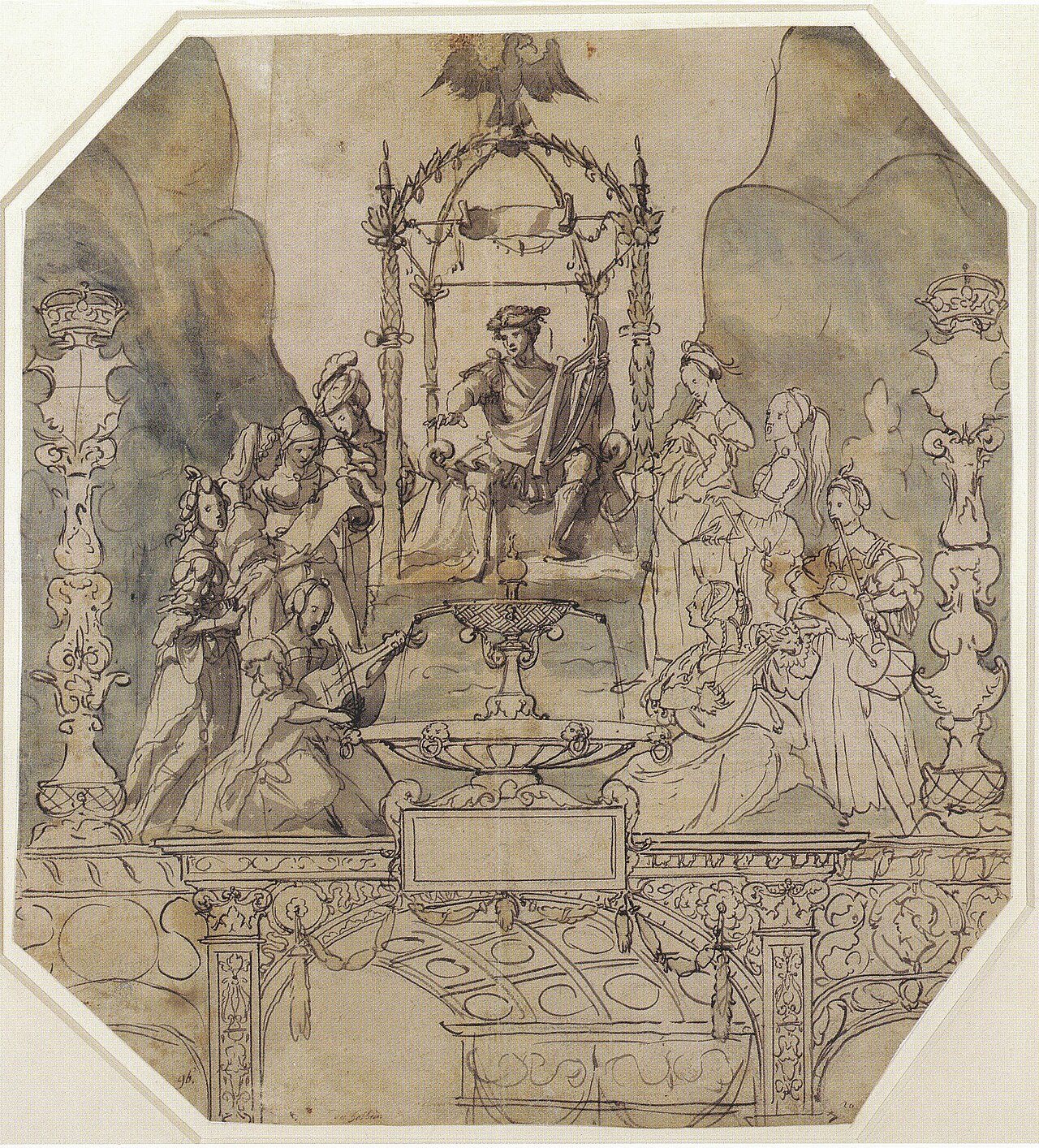
Apollo and the Muses on Parnassus
Hans Holbein the Younger · 1533
 Document
Primary source
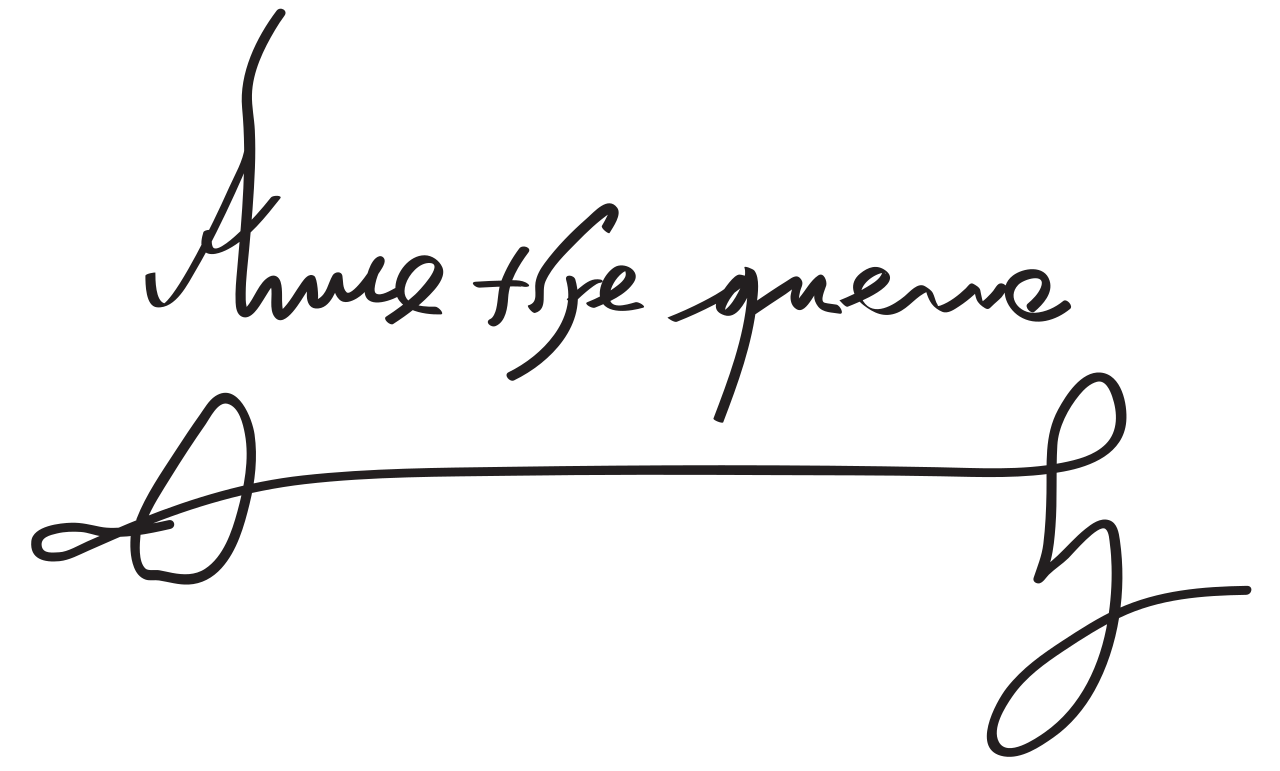
Signature of Anne Boleyn
Anne Boleyn
Ready when you are
Start chatting with Ann Boleyn now.
20 messages free · No credit card · Available in 50+ languages.