


Secondary sourcePainting1826
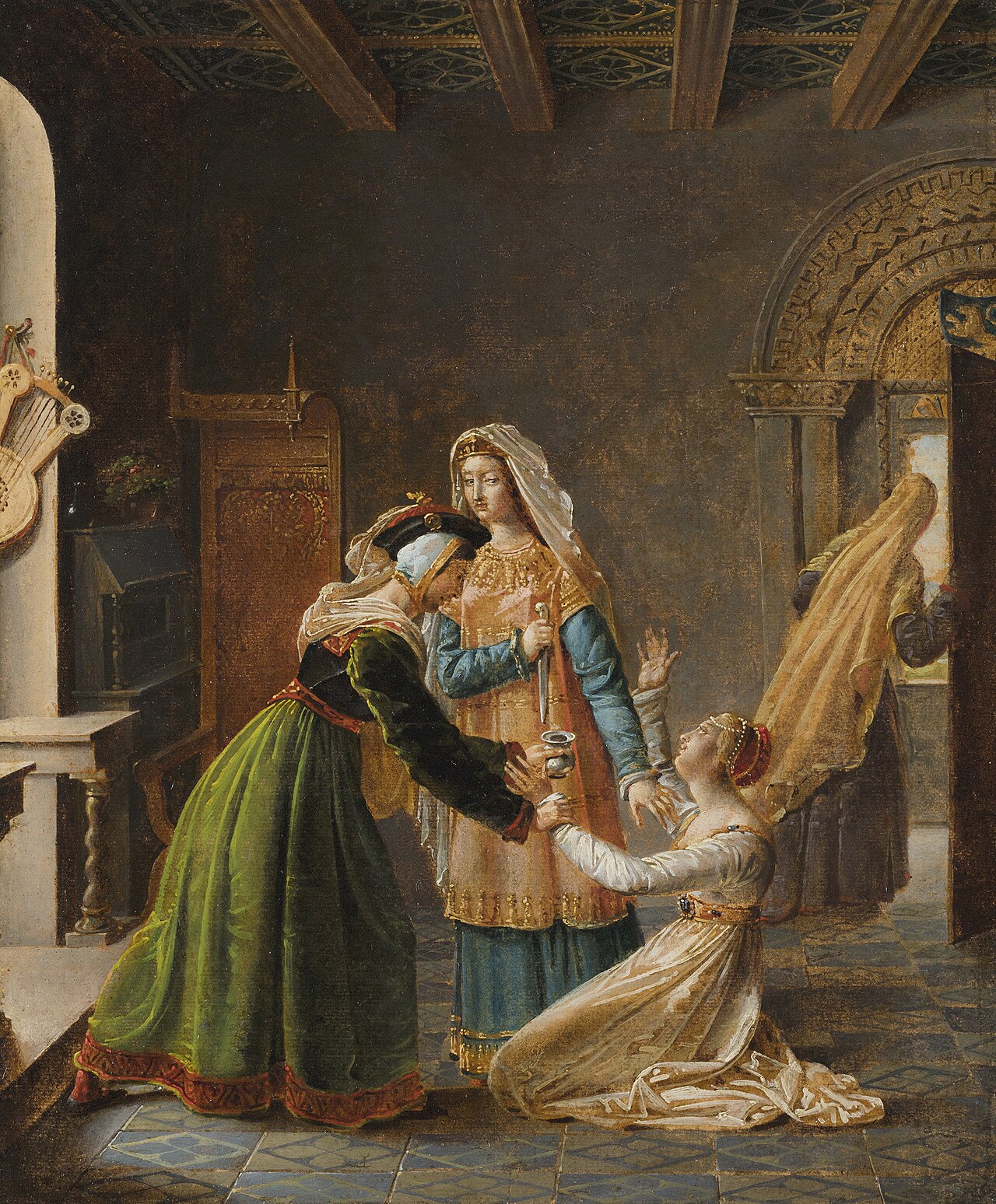
Queen Eleanor and Rosamund Clifford
Marie-Philippe Coupin de La Couperie · 1826
An 1826 painting imagining Eleanor of Aquitaine confronting Henry II's mistress Rosamund Clifford, illustrating a later legend about the queen.
Depicts a popular legend accusing Eleanor of poisoning her husband's mistress, showing her later mythologised reputation.
About this source
What it is
This painting, made in 1826 by Marie-Philippe Coupin de La Couperie, shows a medieval interior where a woman in a green gown offers a goblet to a kneeling woman in white, while another figure holds a dagger.
Why it matters
The scene illustrates a legend that grew up long after Eleanor's lifetime, claiming she poisoned Rosamund Clifford, a mistress of her husband Henry II. There is no historical evidence this happened. The painting shows how Eleanor's reputation became mythologised over the centuries, turning her into a jealous, dangerous figure in popular imagination.
Look closer
- What does the goblet and dagger suggest is about to happen in this scene?
- Why might a legend like this attach itself to a powerful queen?
- How does this image differ from what we actually know happened in Eleanor's life?
This painting is part of the curated material that grounds the AI version of Eleanor of Aquitaine on Humy.ai — when students ask about related events, the AI can quote it and cite it.
More Eleanor of Aquitaine sources
Meet the AI Eleanor of Aquitaine →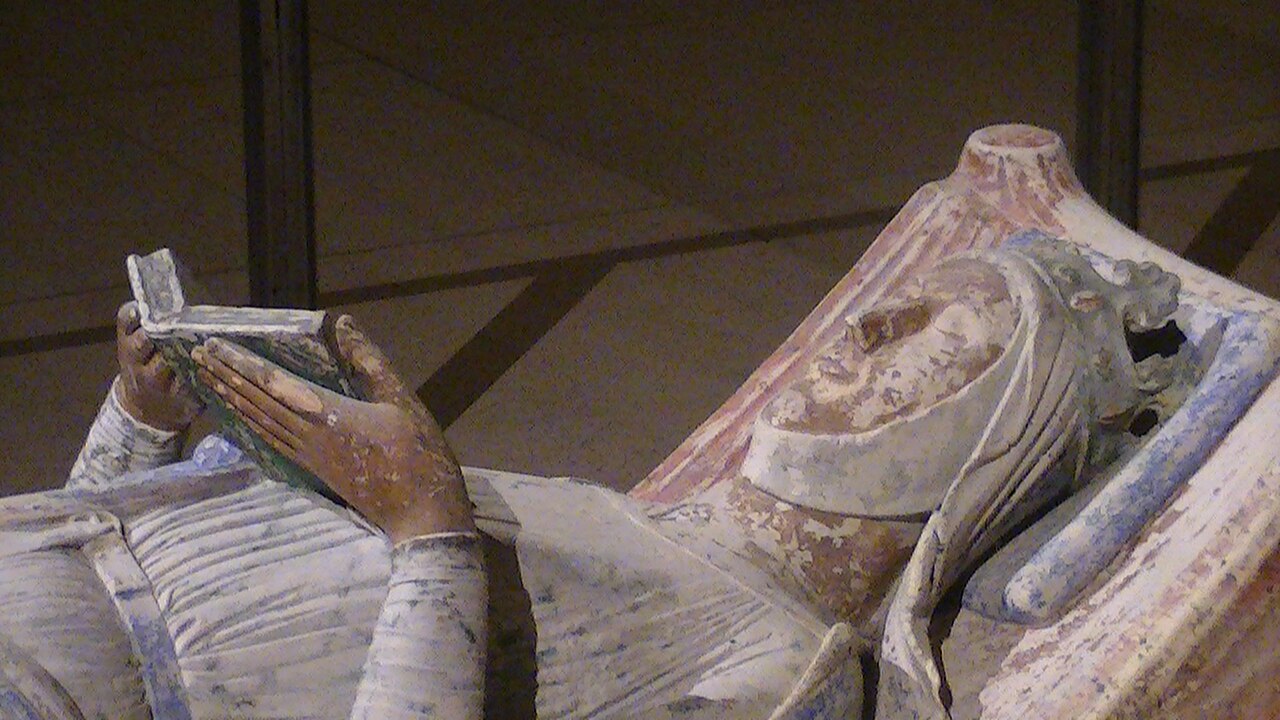 Sculpture
Primary source
Grave of Eleanor of Aquitaine
 Painting
Secondary source
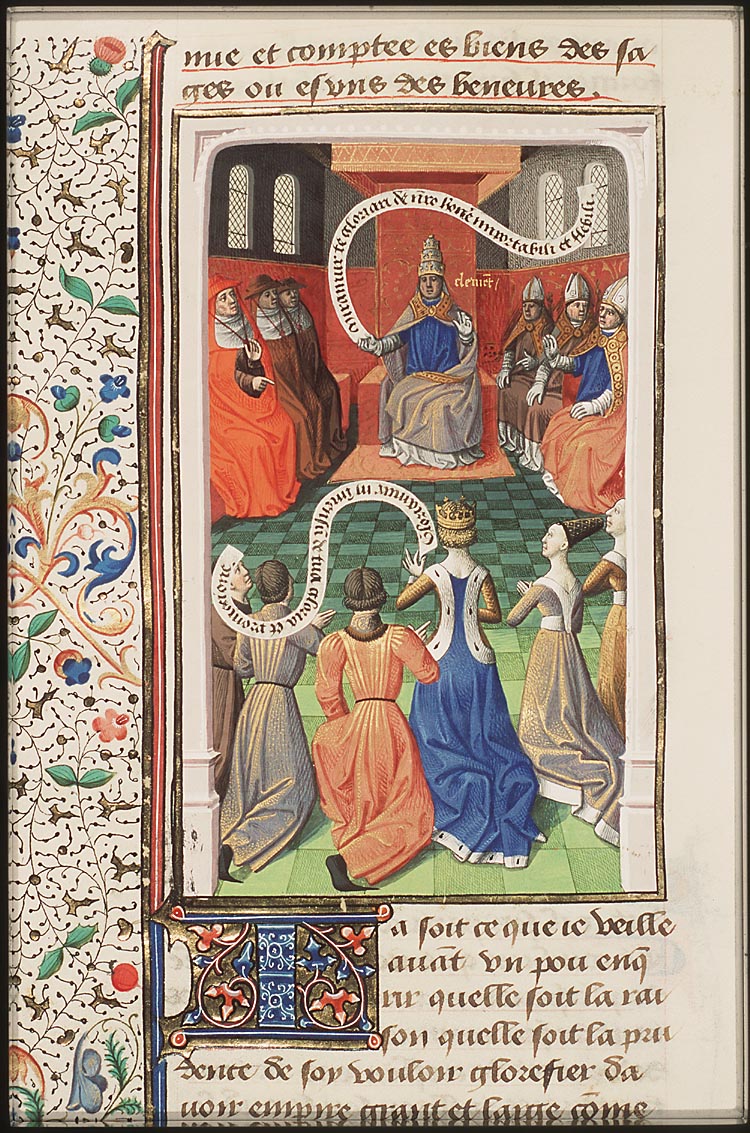
The Queen of England, Eleanor of Aquitaine, before Pope Clement III
Maïtre François
 Artifact
Primary source
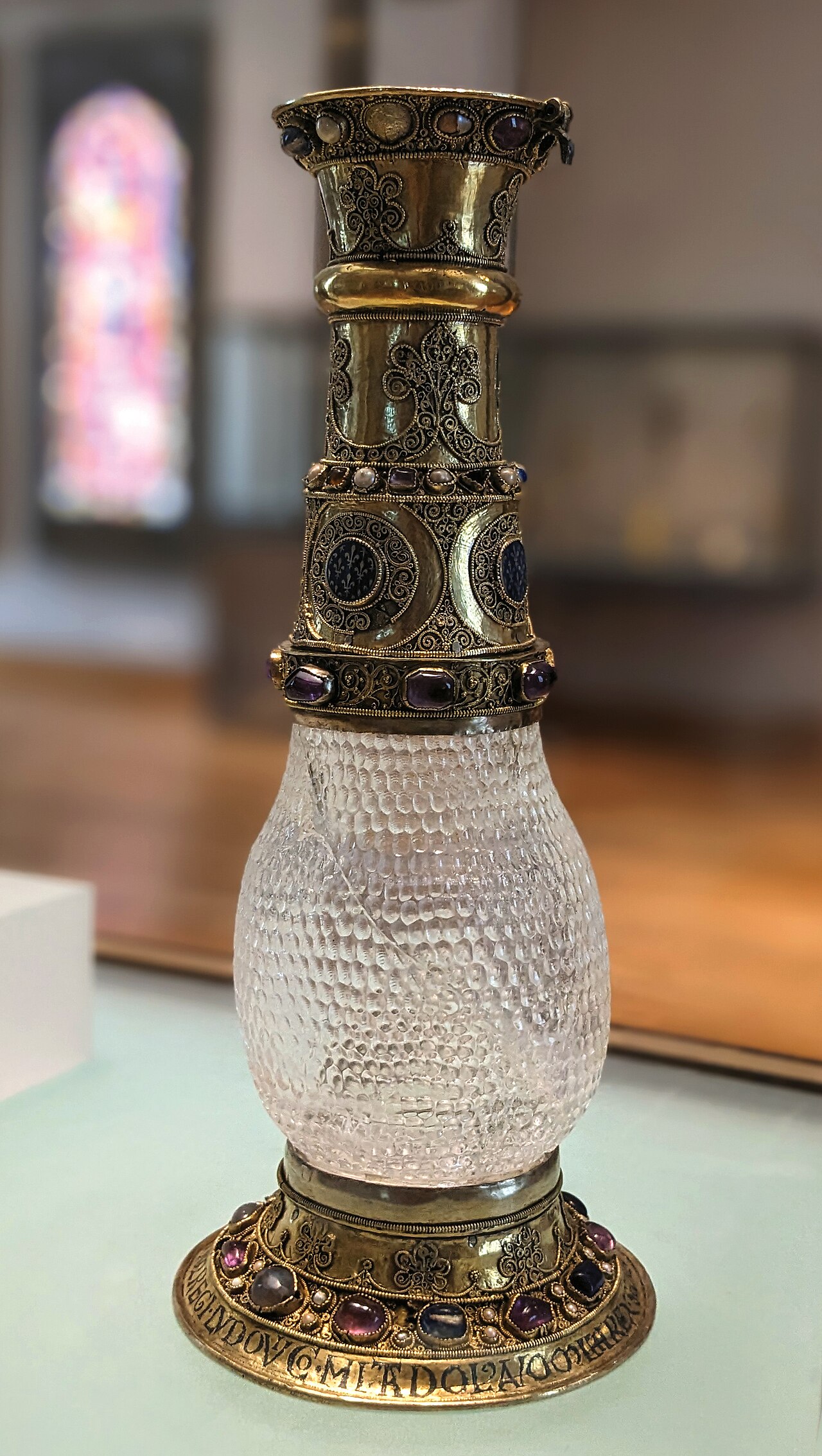
Crystal Vase of Eleanor of Aquitaine
c. 600 (object), given in the 12th century
 Artifact
Primary source
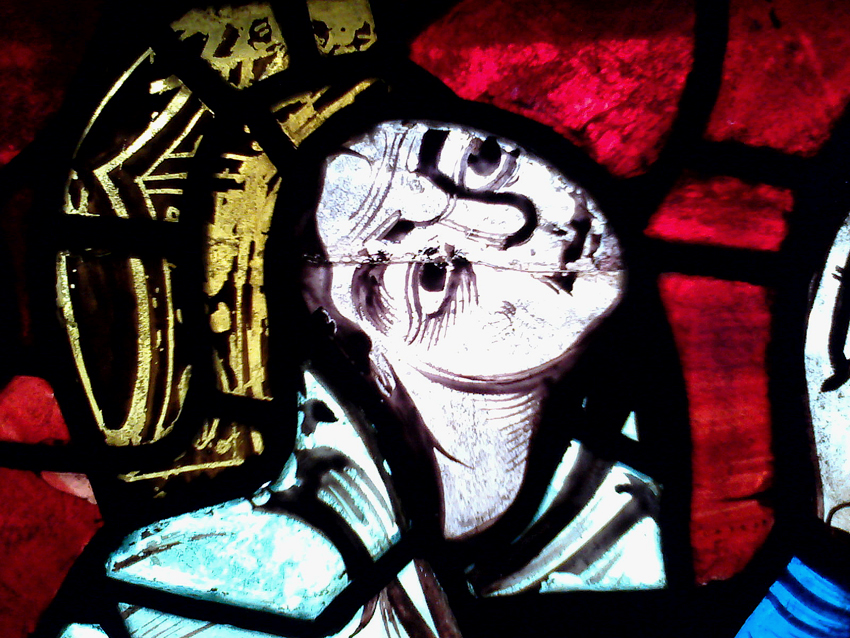
Crucifixion Window of Poitiers Cathedral
c. 1165-1170
 Book
Primary source
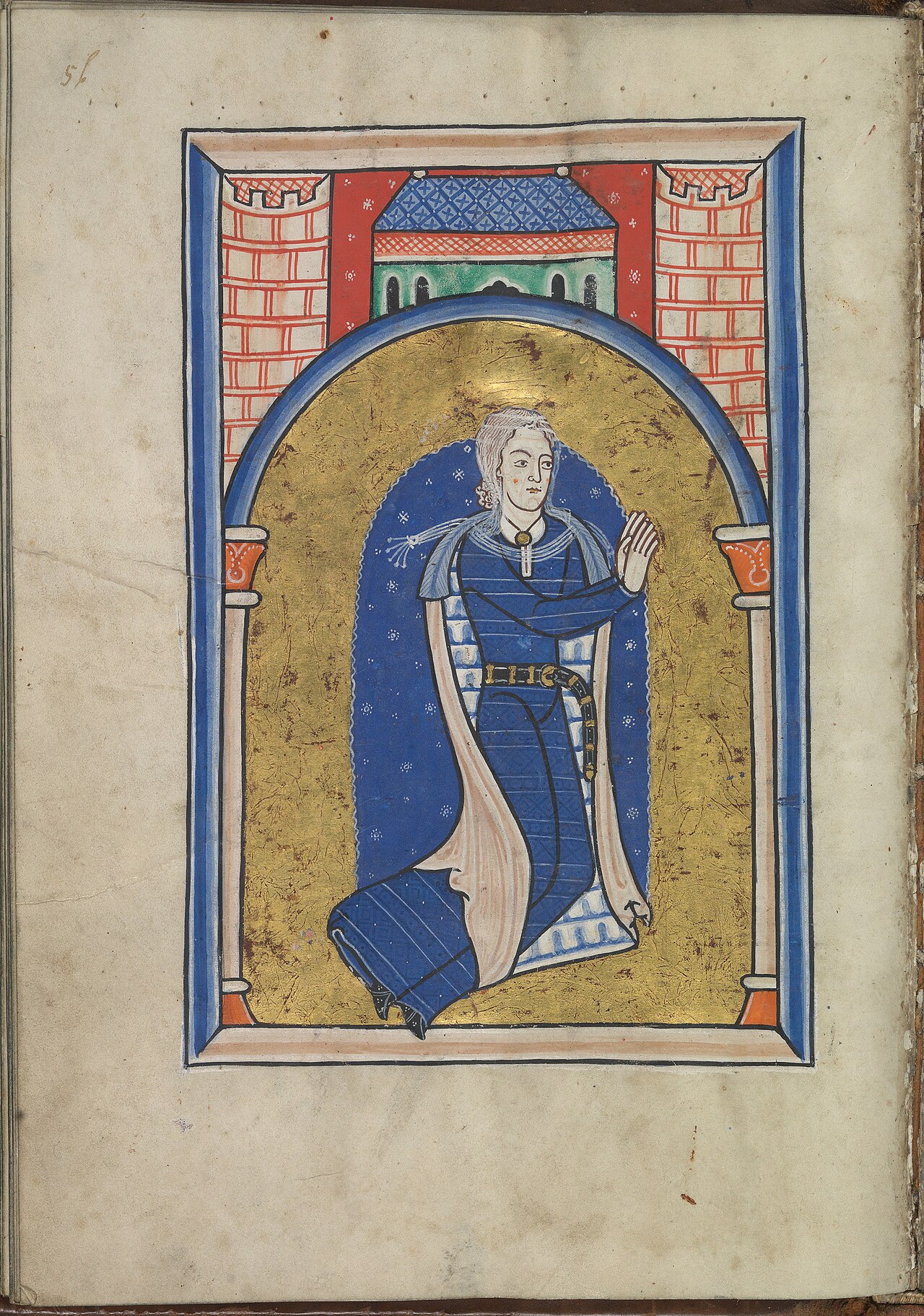
Psalter of Eleanor of Aquitaine
c. 1180
Ready when you are
Start chatting with Eleanor of Aquitaine now.
20 messages free · No credit card · Available in 50+ languages.