


Secondary sourcePainting1858
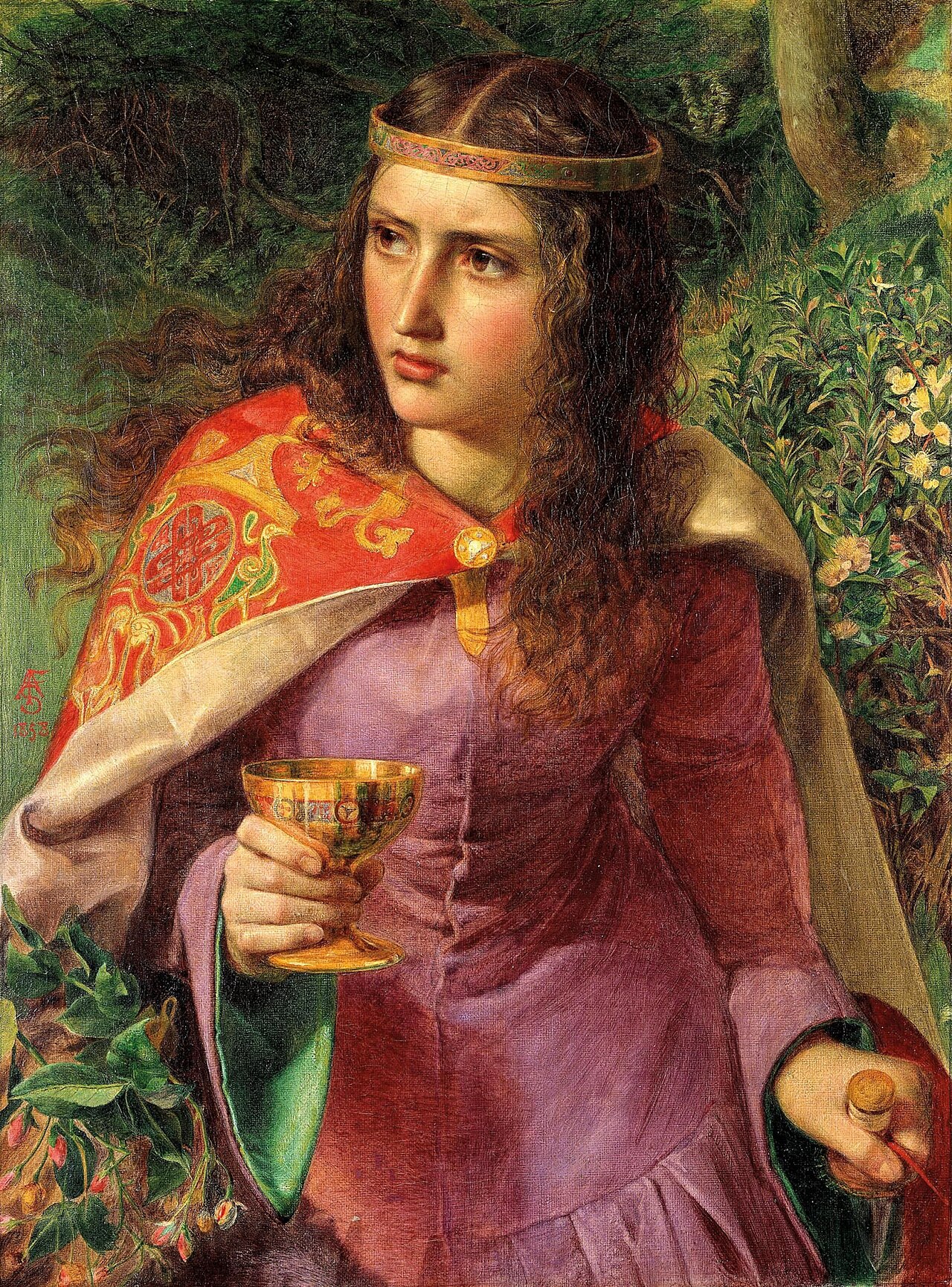
Queen Eleanor
Frederick Sandys · 1858
An 1858 Pre-Raphaelite painting imagining Eleanor of Aquitaine on her way to confront her husband's mistress, Fair Rosamund.
This Victorian painting reimagines Eleanor as a vengeful queen in a popular legend, shaping her later cultural image.
About this source
What it is
This oil painting was made in 1858 by Pre-Raphaelite artist Frederick Sandys. It depicts Eleanor of Aquitaine, wife of King Henry II, according to a legend where she goes to poison her husband's mistress, Rosamund Clifford. The painting is held at National Museum Cardiff.
Why it matters
The painting is not a historical record but a Victorian retelling of a medieval legend. It shows how later generations imagined Eleanor as a jealous, vengeful queen, reflecting Victorian ideas about powerful women rather than facts about Eleanor's real life.
Look closer
- What details in the painting (the red cord, the chalice) tell the legend's story?
- Why might Victorian artists have been drawn to dramatic stories about medieval queens?
- How might this image shape what people today think Eleanor was really like, even though it was painted centuries after she died?
This painting is part of the curated material that grounds the AI version of Eleanor of Aquitaine on Humy.ai — when students ask about related events, the AI can quote it and cite it.
More Eleanor of Aquitaine sources
Meet the AI Eleanor of Aquitaine →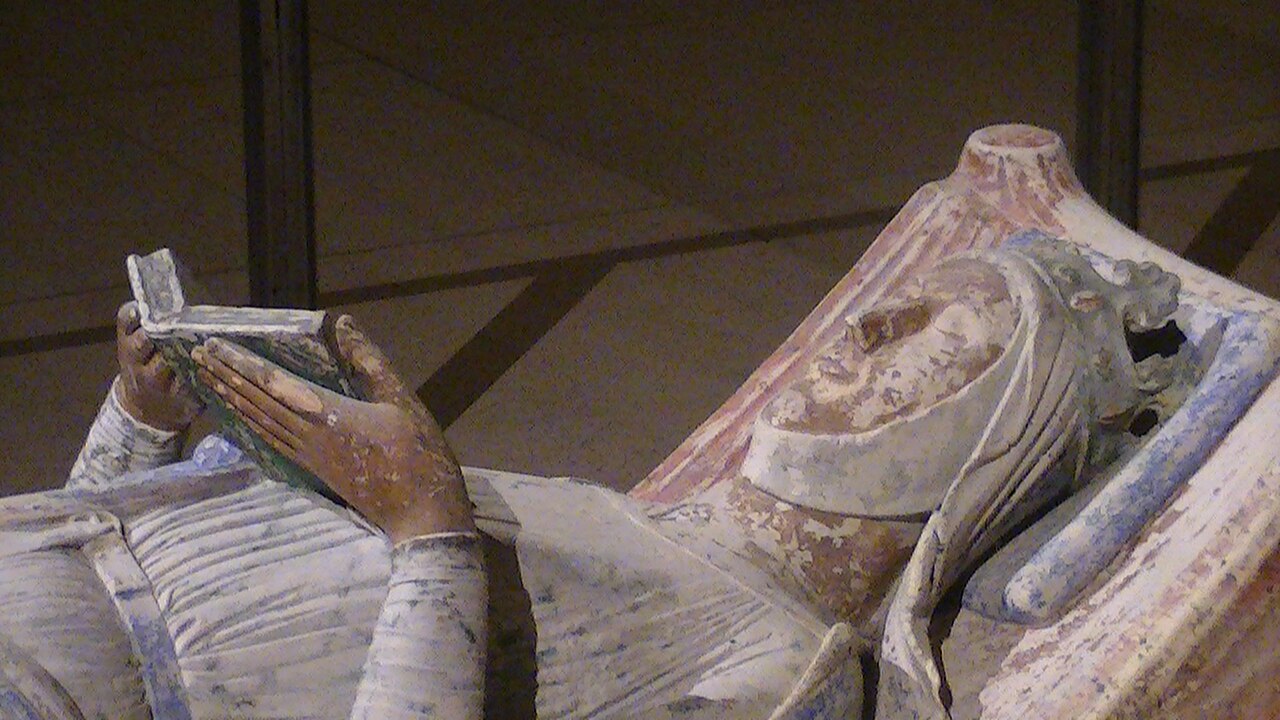 Sculpture
Primary source
Grave of Eleanor of Aquitaine
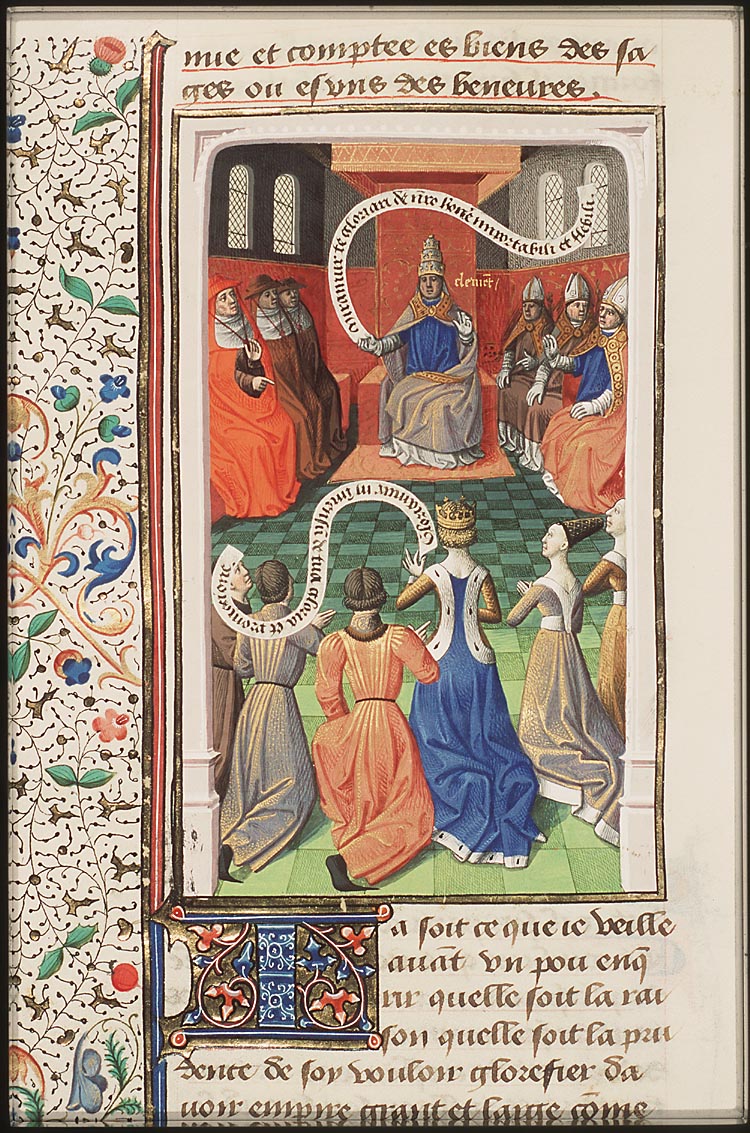 Painting
Secondary source
The Queen of England, Eleanor of Aquitaine, before Pope Clement III
Maïtre François
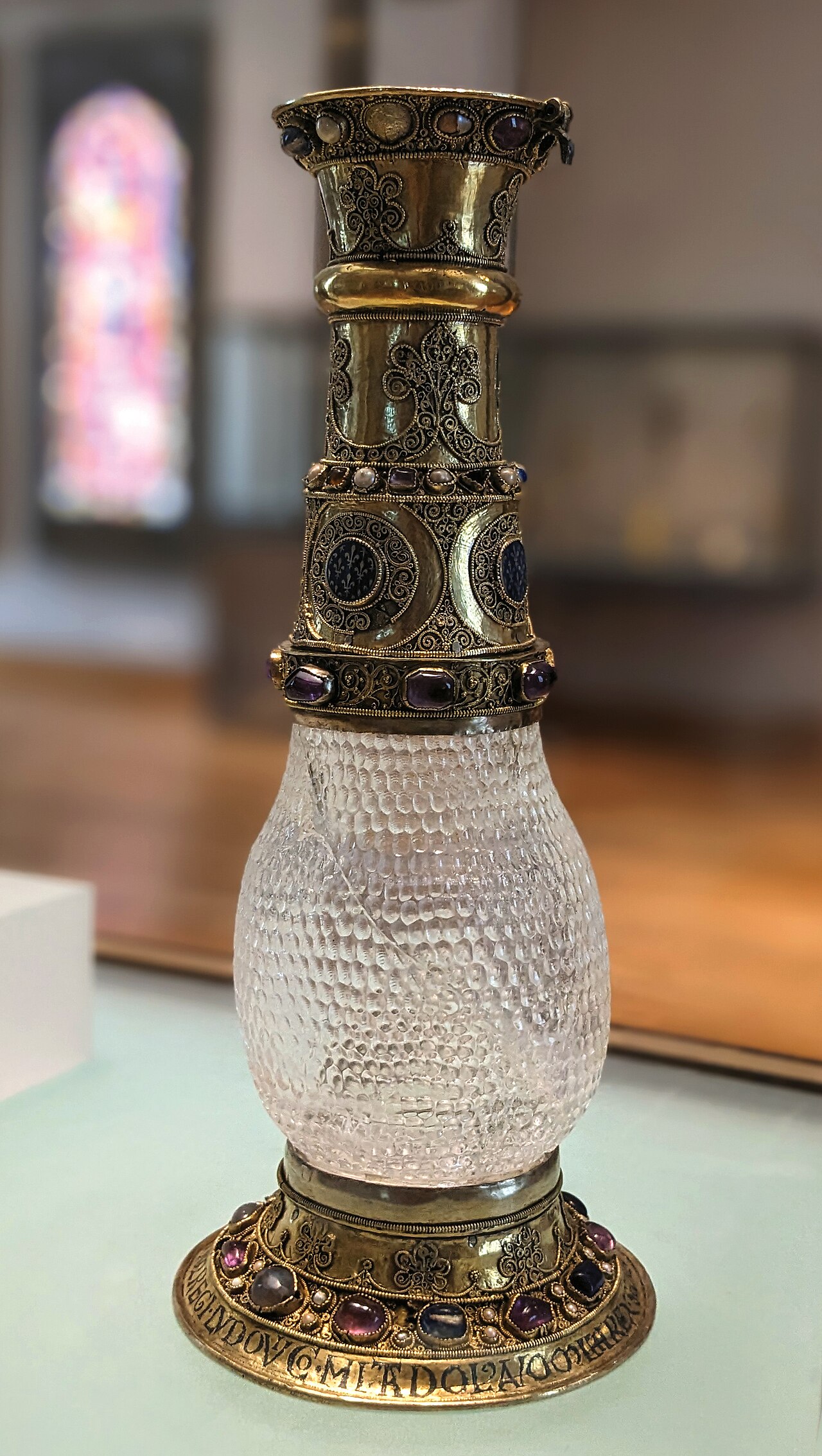 Artifact
Primary source
Crystal Vase of Eleanor of Aquitaine
c. 600 (object), given in the 12th century
 Artifact
Primary source
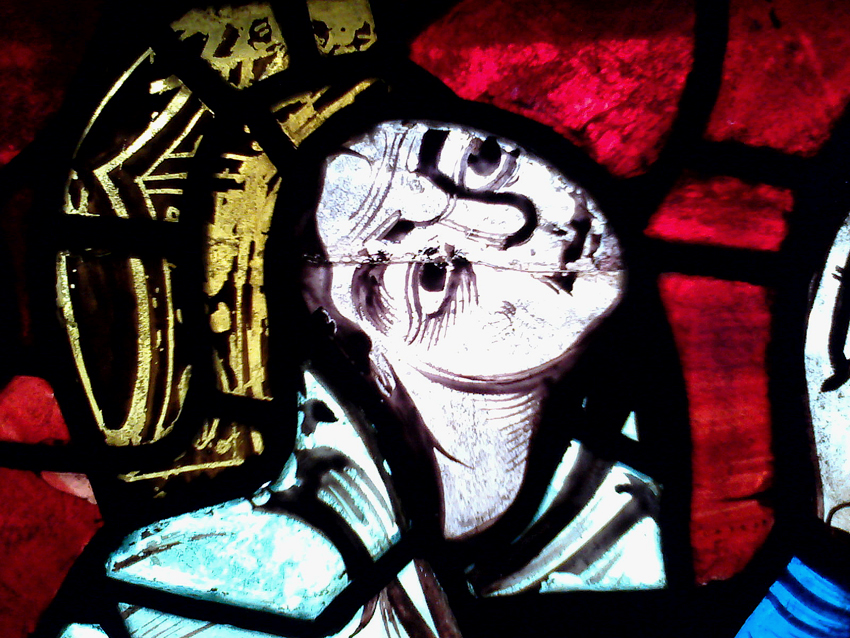
Crucifixion Window of Poitiers Cathedral
c. 1165-1170
 Book
Primary source
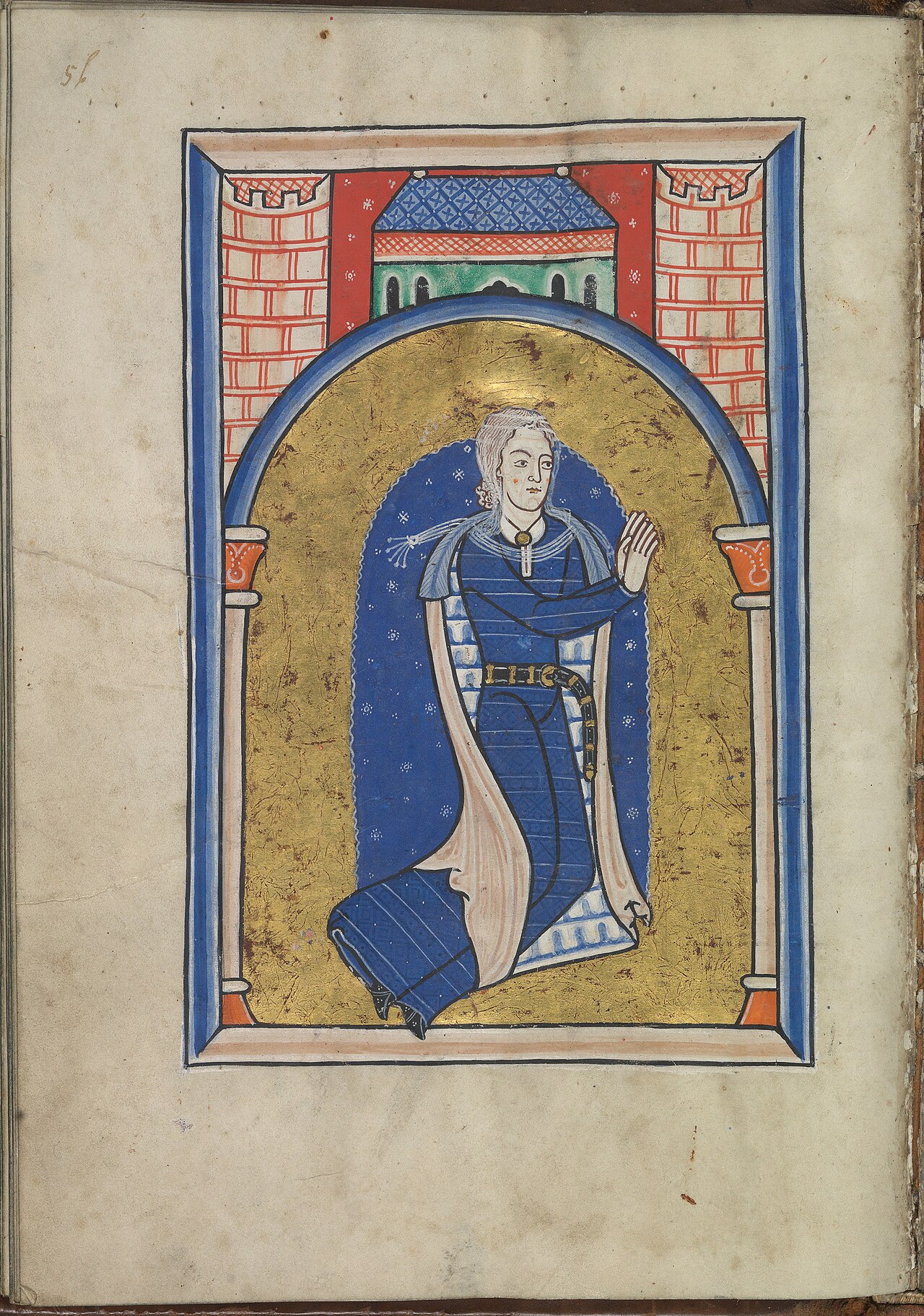
Psalter of Eleanor of Aquitaine
c. 1180
Ready when you are
Start chatting with Eleanor of Aquitaine now.
20 messages free · No credit card · Available in 50+ languages.