


Primary sourcePainting1869
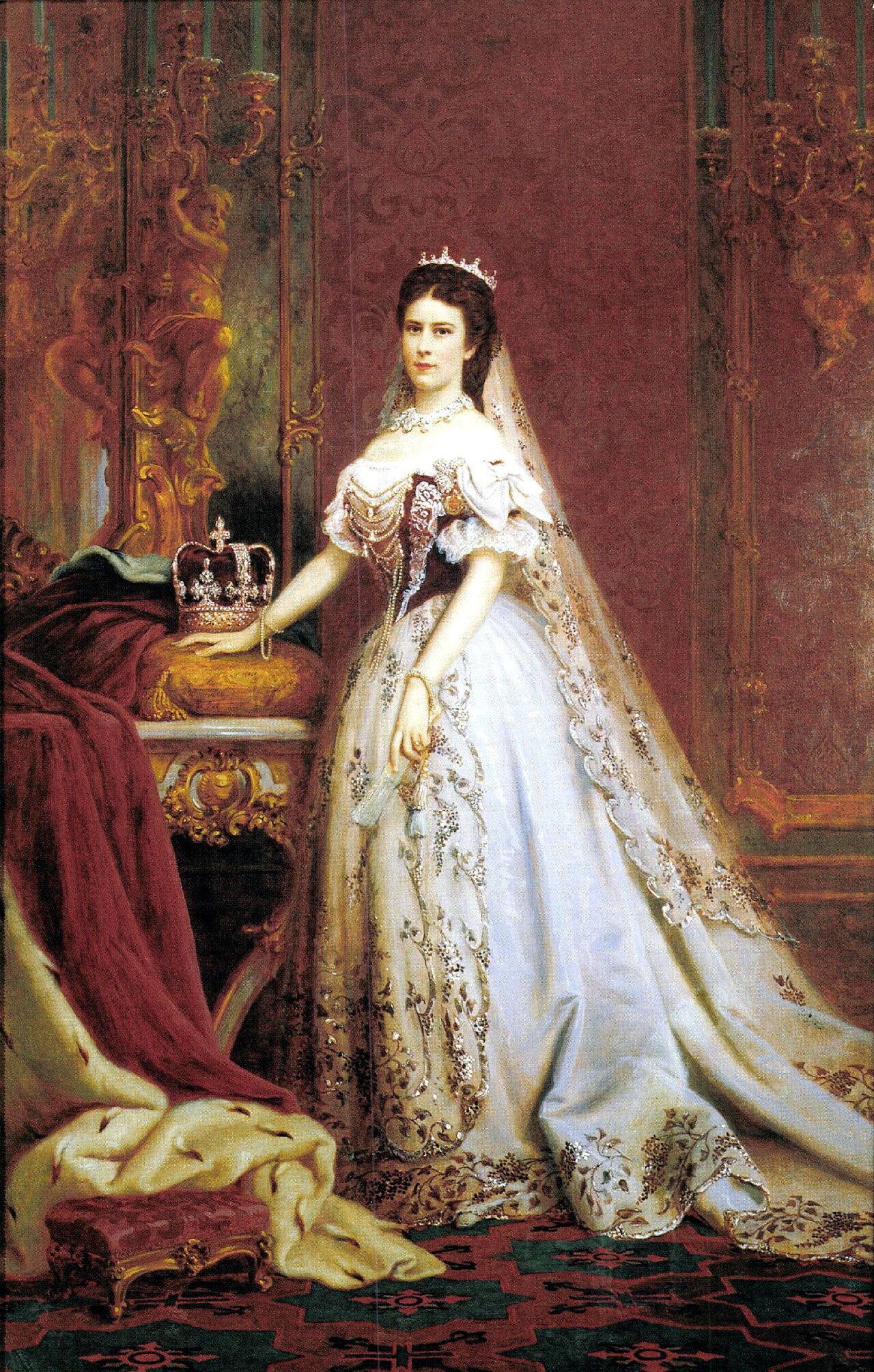
Queen Elisabeth
Bertalan Székely · 1869
An 1869 painting by Bertalan Székely showing Elisabeth in Hungarian coronation robes, reflecting her popularity in Hungary.
This painting presents Elisabeth as Hungarian queen, reflecting her cult in Hungary after 1867.
About this source
What it is
This full-length painting was made in 1869 by the Hungarian artist Bertalan Székely. It shows Elisabeth in a white satin gown and jeweled tiara, standing beside a crown and an ermine-trimmed robe. It is held at the József Attila Museum in Makó.
Why it matters
The painting presents Elisabeth as Queen of Hungary and Bohemia, a role she took on after the 1867 compromise that created the dual Austro-Hungarian monarchy. The image reflects her strong personal popularity in Hungary during this period.
Look closer
- What symbols in the painting mark Elisabeth specifically as a Hungarian queen rather than just an Austrian empress?
- Why might a Hungarian artist choose to paint her this way after 1867?
- What might this formal image not tell us about her private feelings or daily life?
This painting is part of the curated material that grounds the AI version of Empress Elisabeth of Austria on Humy.ai — when students ask about related events, the AI can quote it and cite it.
More Empress Elisabeth of Austria sources
Browse all 98 →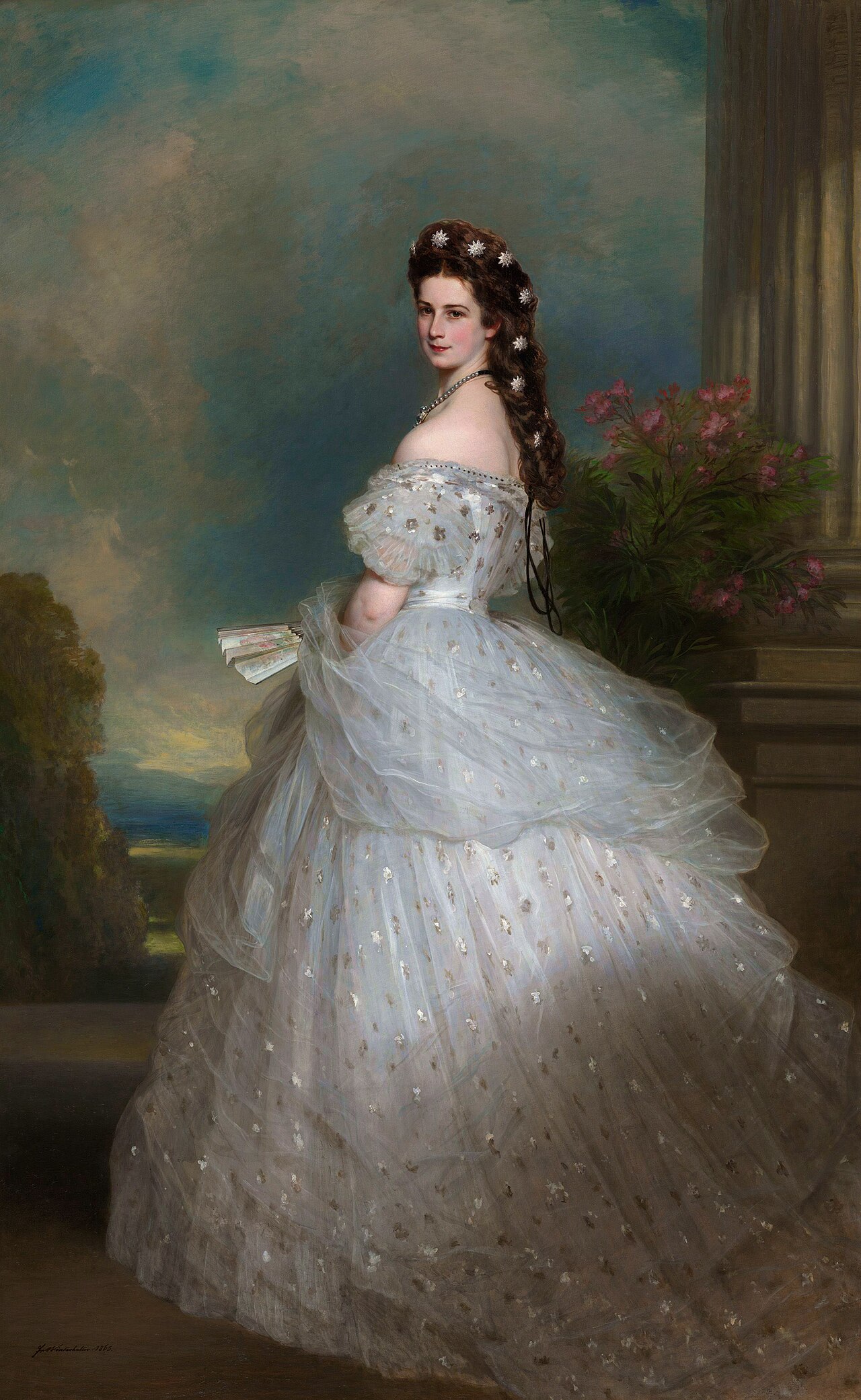 Painting
Primary source
Empress Elisabeth of Austria in Courtly Gala Dress with Diamond Stars
Franz Xaver Winterhalter · 1865
 Painting
Primary source
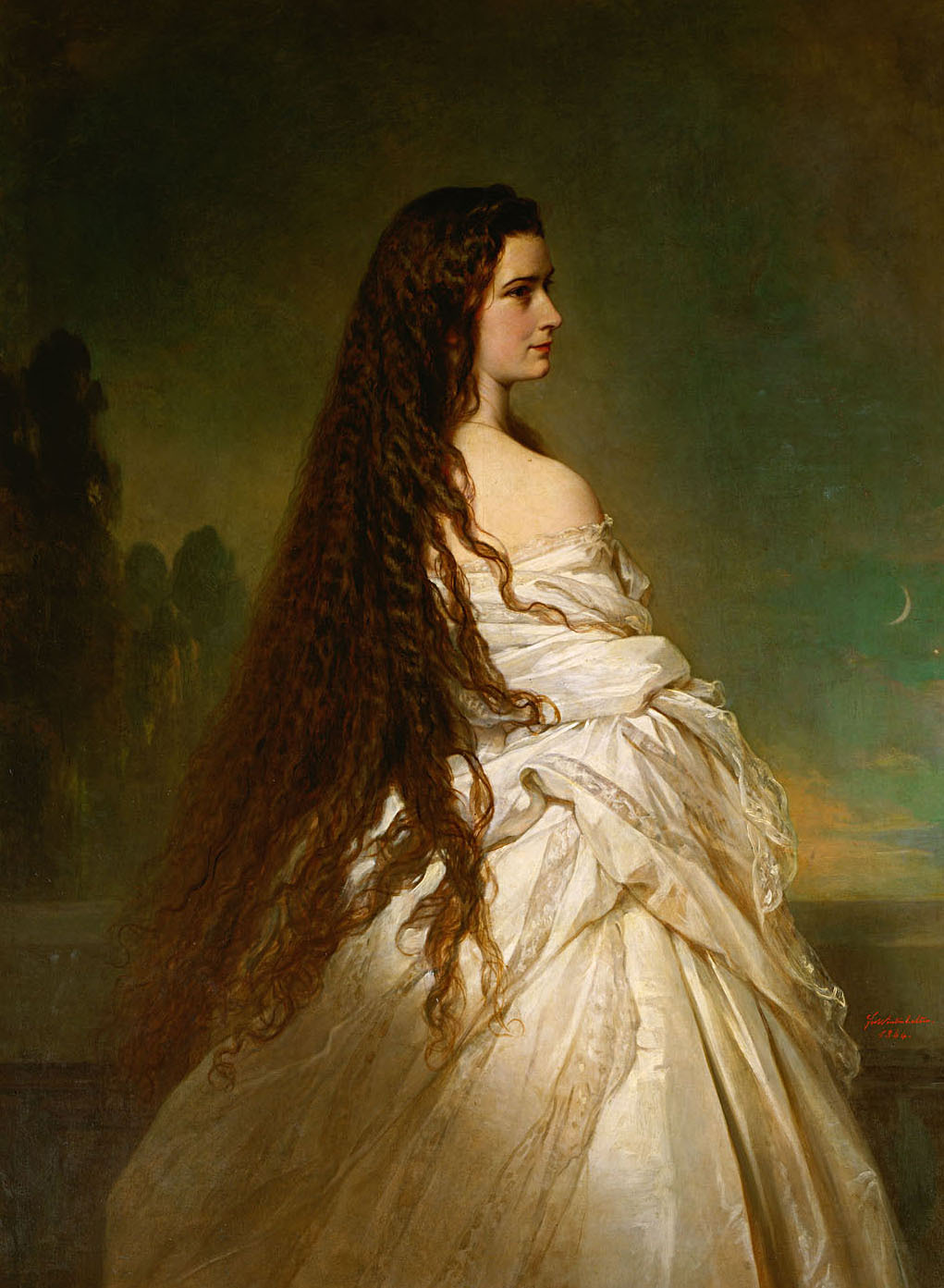
Empress Elisabeth of Austria with loosened hair, knee piece
Franz Xaver Winterhalter · 1864
 Painting
Primary source
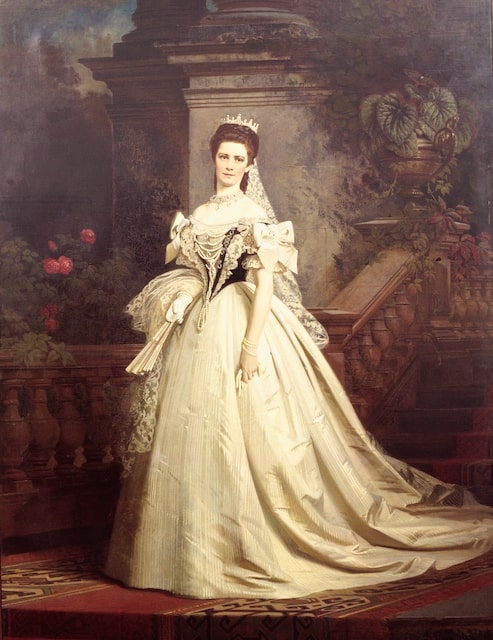
Queen Elisabeth in coronation dress
Alexander von Wagner · 1867
 Artifact
Primary source
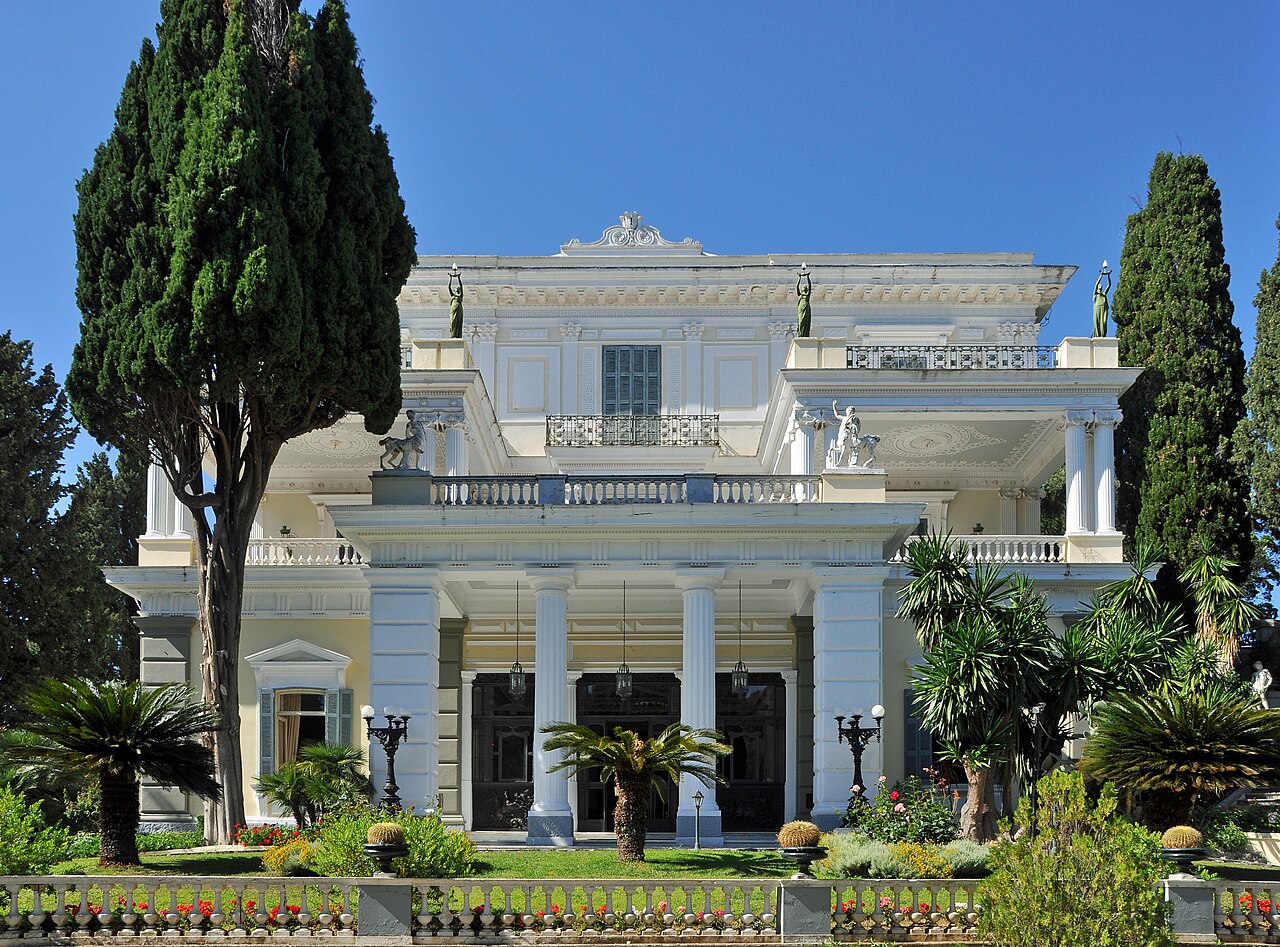
Achilleion
1890
Free account
Read every Empress Elisabeth of Austria source
Sign up free →
Ready when you are
Start chatting with Empress Elisabeth of Austria now.
20 messages free · No credit card · Available in 50+ languages.