


Primary sourceSculpture1860
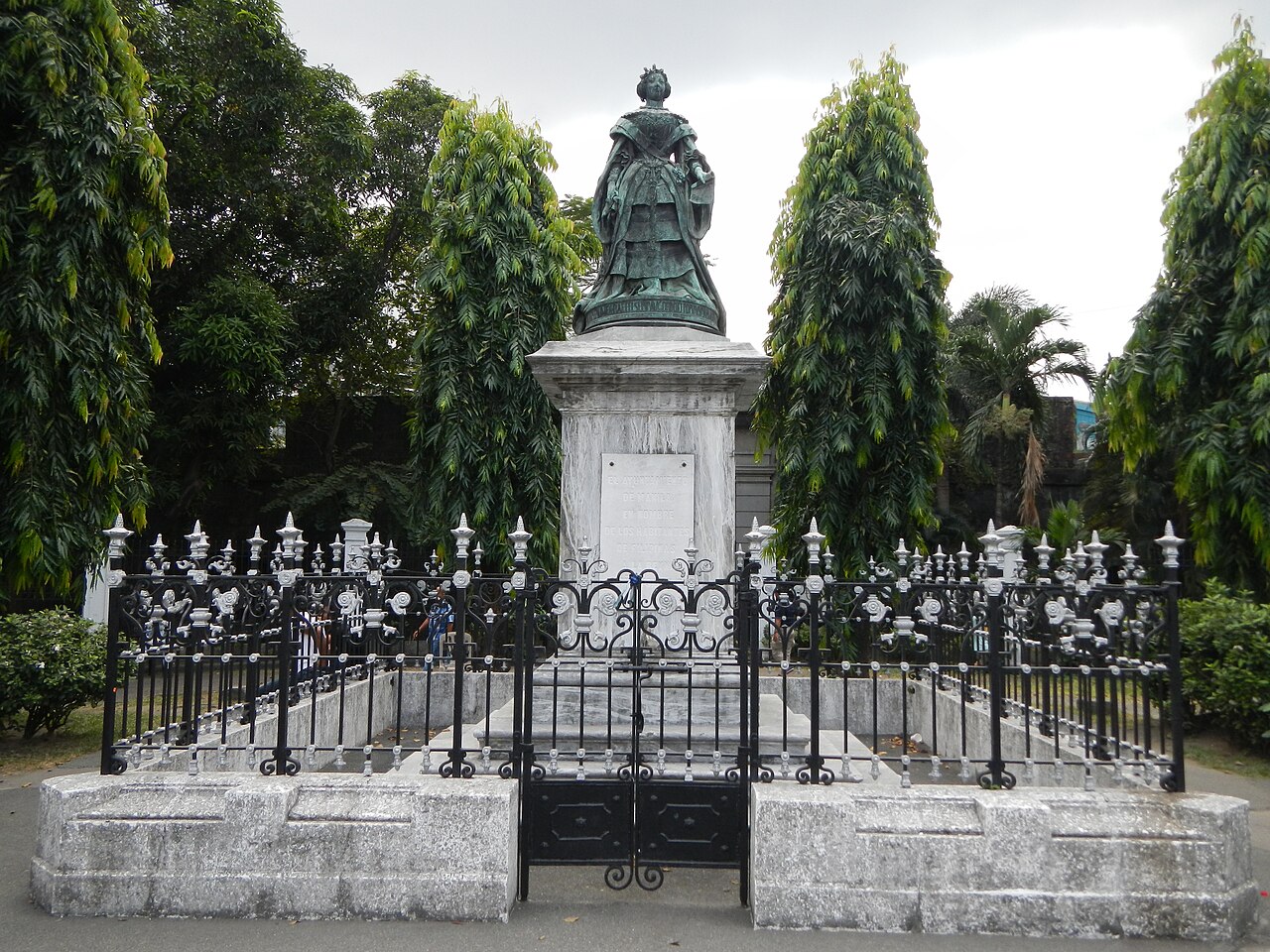
Queen Isabel II Monument, Manila
Ponciano Ponzano · 1860
An 1860 bronze monument to Isabella II erected in Intramuros, Manila, showing how her image was used to project Spanish rule in the colonial Philippines.
A colonial-era monument to Isabella II erected in Manila to assert her sovereignty over the Philippines.
About this source
What it is
This bronze monument to Queen Isabella II was made by the Spanish sculptor Ponciano Ponzano, funded by donations collected in Manila in 1854 and 1855, and erected in 1860 near Puerta Isabel II in Intramuros, Manila.
Why it matters
The monument shows how Isabella II's image was used to assert Spanish sovereignty in its colonies, far from Spain itself. Its later history is also revealing: after Isabella's fall from power in 1868, officials tried to have it destroyed, but it survived through the actions of a sympathetic official, and was later moved several times, including after damage by a typhoon, ending near its present site in 1975. This shows how monuments to rulers can become contested once political power shifts.
Look closer
- Why might colonial authorities want a statue of the queen in a distant city like Manila?
- Why did people want to destroy or hide the statue after 1868, and why did others want to save it?
- What does the statue's long, moved history tell us about how people's feelings towards a ruler can change over time?
This sculpture is part of the curated material that grounds the AI version of Isabella II of Spain on Humy.ai — when students ask about related events, the AI can quote it and cite it.
More Isabella II of Spain sources
Browse all 97 →Primary source
Pragmatic Sanction of 1830
Ferdinand VII of Spain · 29 March 1830
 Document
Primary source
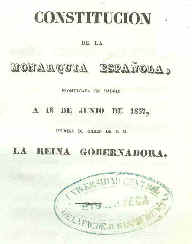
Constitution of the Spanish Monarchy of 1845
23 May 1845
 Document
Primary source
Spanish Constitution of 1837
18 June 1837
 Document
Primary source
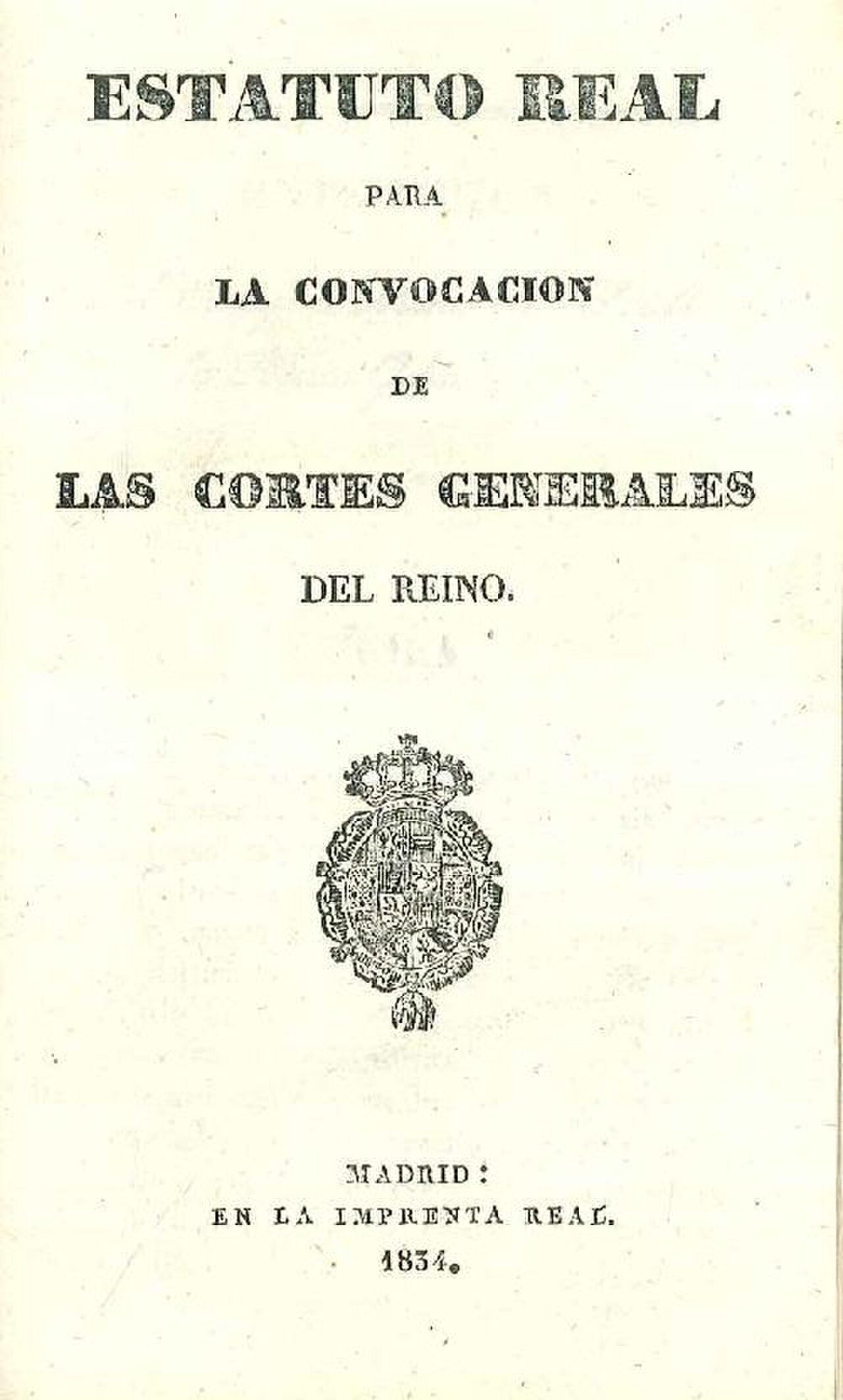
Royal Statute of 1834
10 April 1834
Free account
Read every Isabella II of Spain source
Sign up free →
Ready when you are
Start chatting with Isabella II of Spain now.
20 messages free · No credit card · Available in 50+ languages.