


Secondary sourcePainting1864
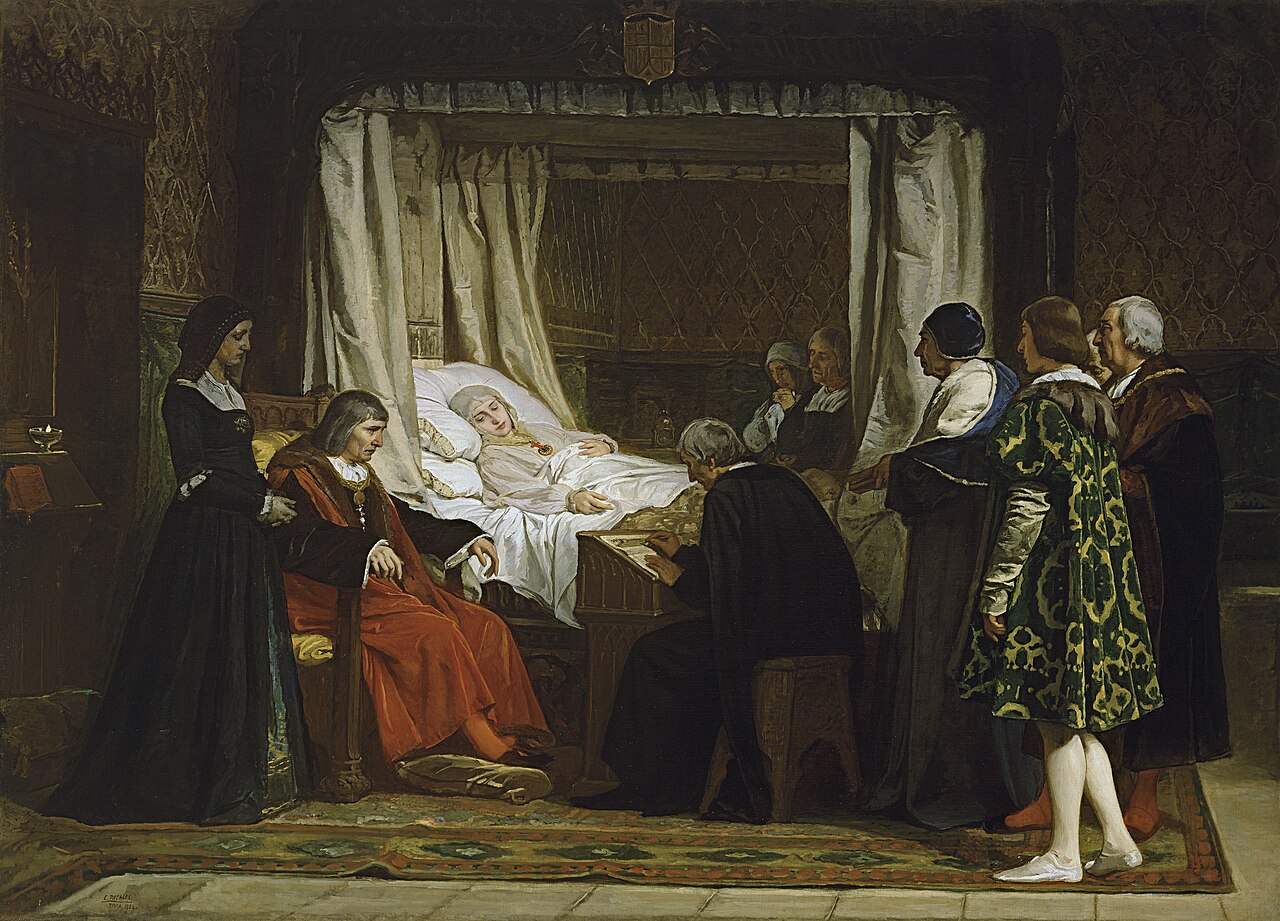
Queen Isabel la Católica Dictating Her Last Will and Testament
Eduardo Rosales · 1864
An 1864 history painting imagining Isabella I of Castile on her deathbed dictating her will, with Ferdinand and courtiers present.
This later painting imagines Isabella's death and the dictation of her will, shaping her historical memory.
About this source
What it is
This painting by Eduardo Rosales, made in 1864, depicts Isabella I of Castile on her deathbed in 1504, dictating her last will and testament in the presence of her husband Ferdinand II of Aragon and members of the Castilian court. It was held by the Museo de la Trinidad.
Why it matters
Painted more than 350 years after Isabella's death, this work reflects how 19th-century Spain looked back on her as a heroic, almost saintly figure. It tells us less about the real moment of her death and more about how later generations wanted to remember her.
Look closer
- Who is shown around the dying queen, and what might their positions and expressions suggest about how the artist wants us to feel?
- Since Rosales painted this centuries after Isabella's death, what choices might he have made that are imagined rather than historically certain?
- Why might a 19th-century Spanish painter choose this particular moment from Isabella's life to paint?
This painting is part of the curated material that grounds the AI version of Queen Isabella I on Humy.ai — when students ask about related events, the AI can quote it and cite it.
More Queen Isabella I sources
Meet the AI Queen Isabella I →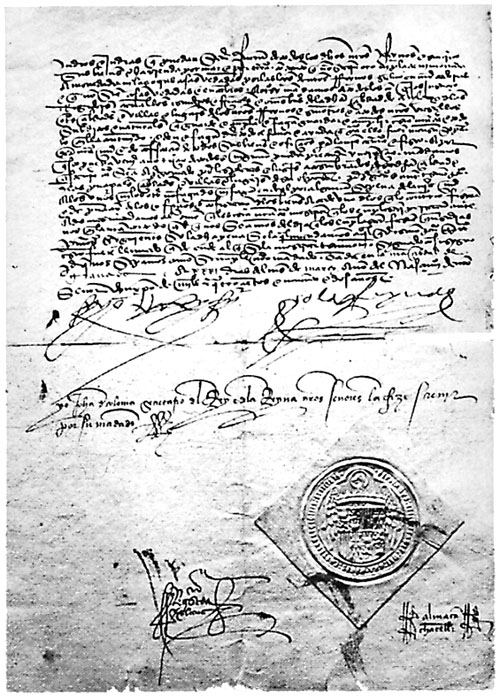 Document
Primary source
Alhambra Decree
Isabella I of Castile and Ferdinand II of Aragon · 31 March 1492
 Document
Primary source
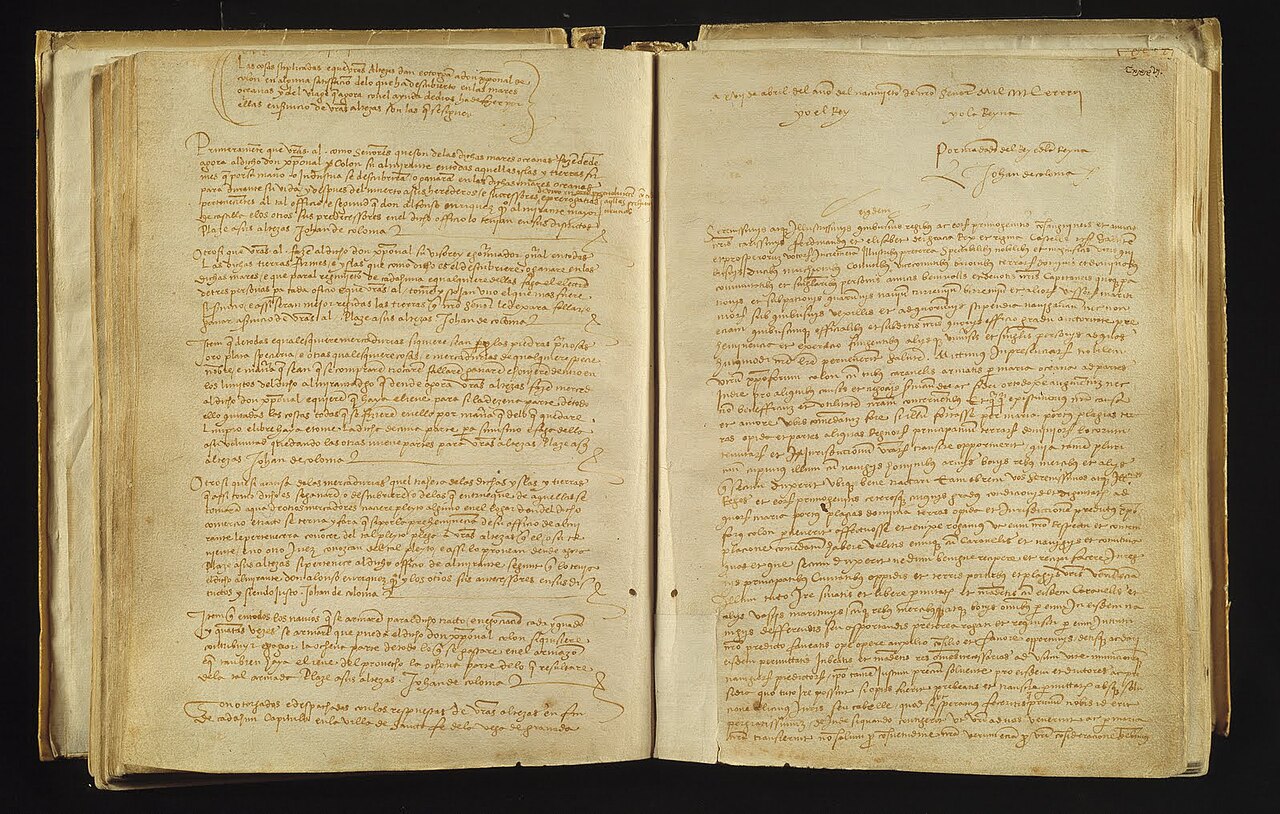
Capitulations of Santa Fe
Catholic Monarchs · 17 April 1492
 Document
Primary source
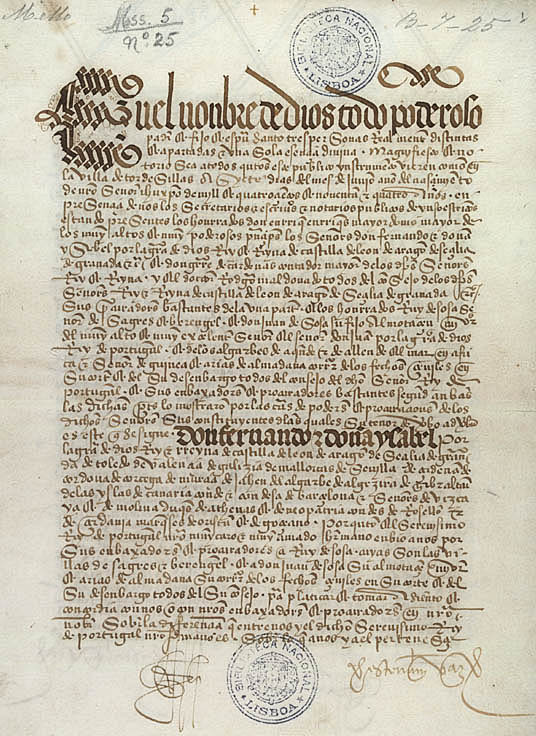
Treaty of Tordesillas
7 June 1494
Primary source
Testament of Isabella I of Castile
Isabella I of Castile · 12 October 1504
 Painting
Primary source
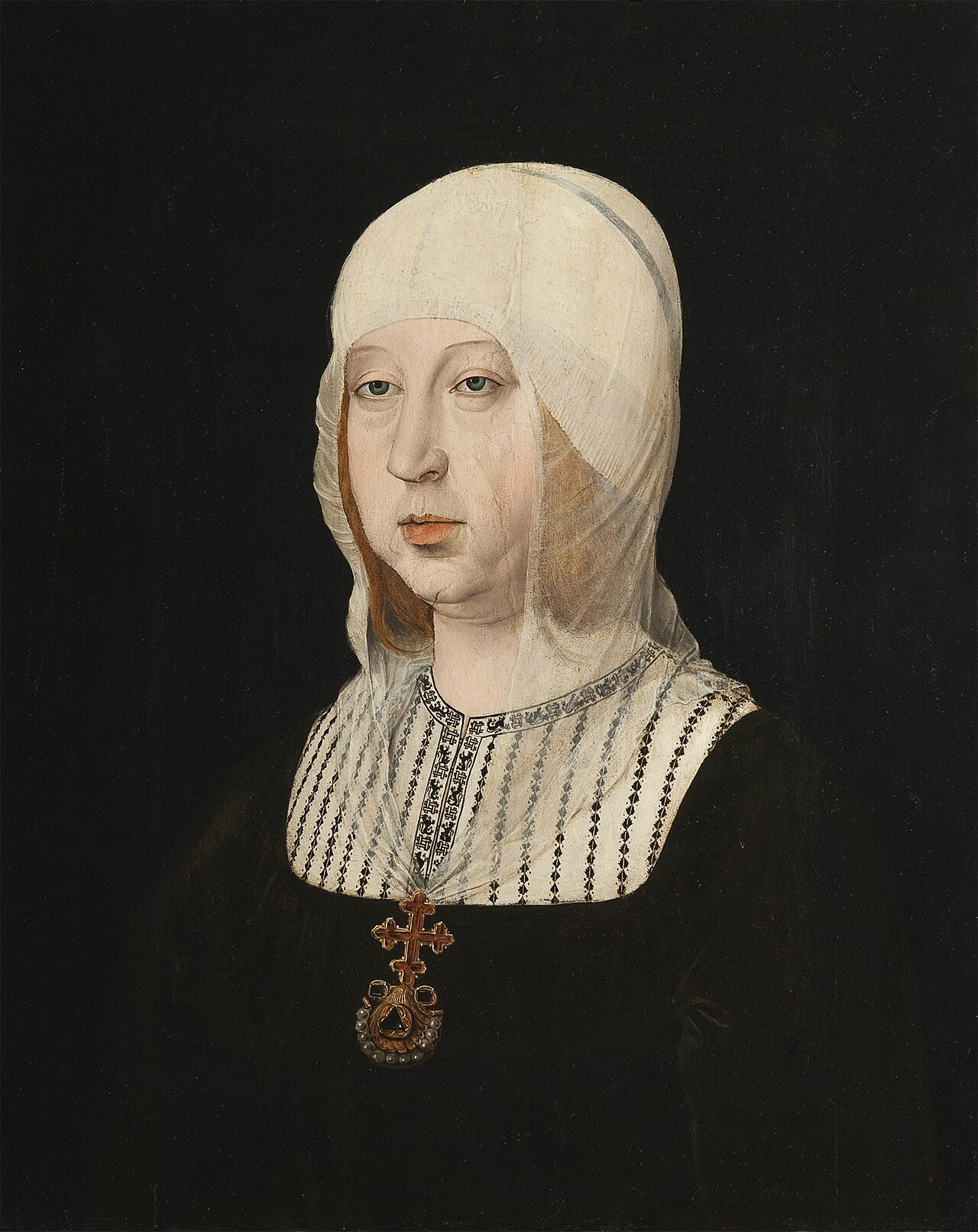
Portrait of Isabella the Catholic
Juan de Flandes · c. 1500
Ready when you are
Start chatting with Queen Isabella I now.
20 messages free · No credit card · Available in 50+ languages.