


Secondary sourcePainting1867
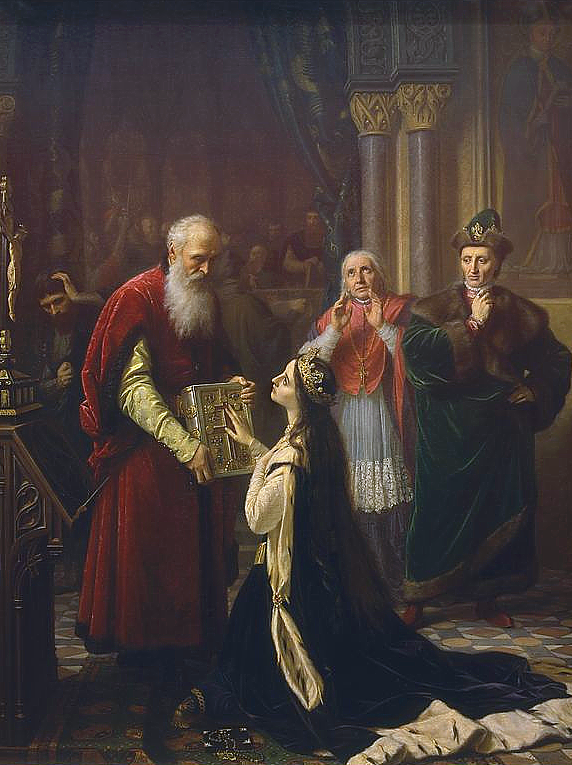
Queen Jadwiga's Oath
Józef Simmler · 1867
A 19th-century history painting by Józef Simmler imagining Jadwiga renouncing her betrothal to William of Austria for the sake of Poland.
A romanticized 19th-century depiction of Jadwiga renouncing her betrothal, shaping her later image as a self-sacrificing queen.
About this source
What it is
This is an 1867 painting by Polish artist Józef Simmler, held today at the National Museum in Warsaw. It shows a dramatic moment imagined from Jadwiga's life: her renunciation of her betrothed, William of Austria.
Why it matters
Painted nearly five centuries after Jadwiga's death, this work was not made to record facts but to shape how Poles remembered her. In the 19th century, when Poland had no independent state, artists like Simmler created romantic images of past rulers who sacrificed personal happiness for the nation. This painting helped build the popular image of Jadwiga as a self-sacrificing queen.
Look closer
- What does the painting suggest about Jadwiga's feelings, and how might the artist have guessed at them?
- Why might a 19th-century painter choose this particular moment from her life to depict?
- How does this image compare with what we actually know from historical records of the time?
This painting is part of the curated material that grounds the AI version of Jadwiga of Poland on Humy.ai — when students ask about related events, the AI can quote it and cite it.
More Jadwiga of Poland sources
Browse all 79 →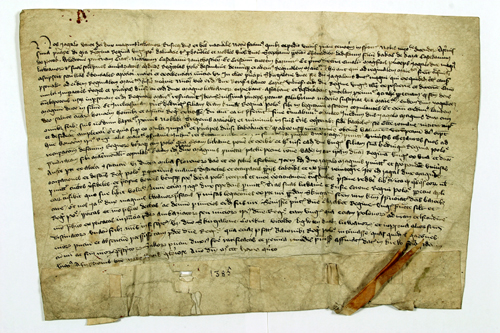 Document
Primary source
Union of Krewo
Jogaila · 14 August 1385
 Book
Primary source
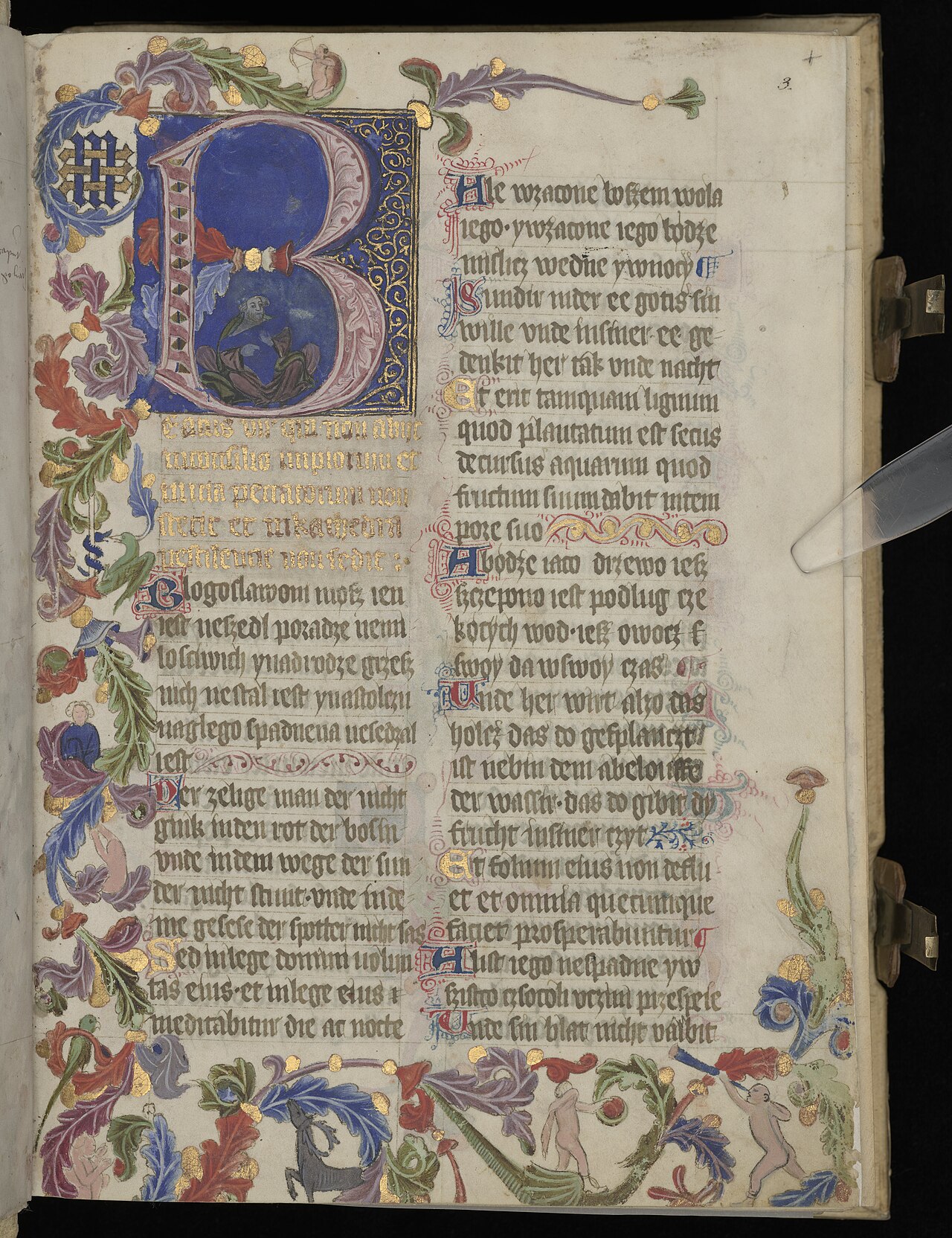
St. Florian's Psalter
c. 1370s-1400
 Document
Primary source
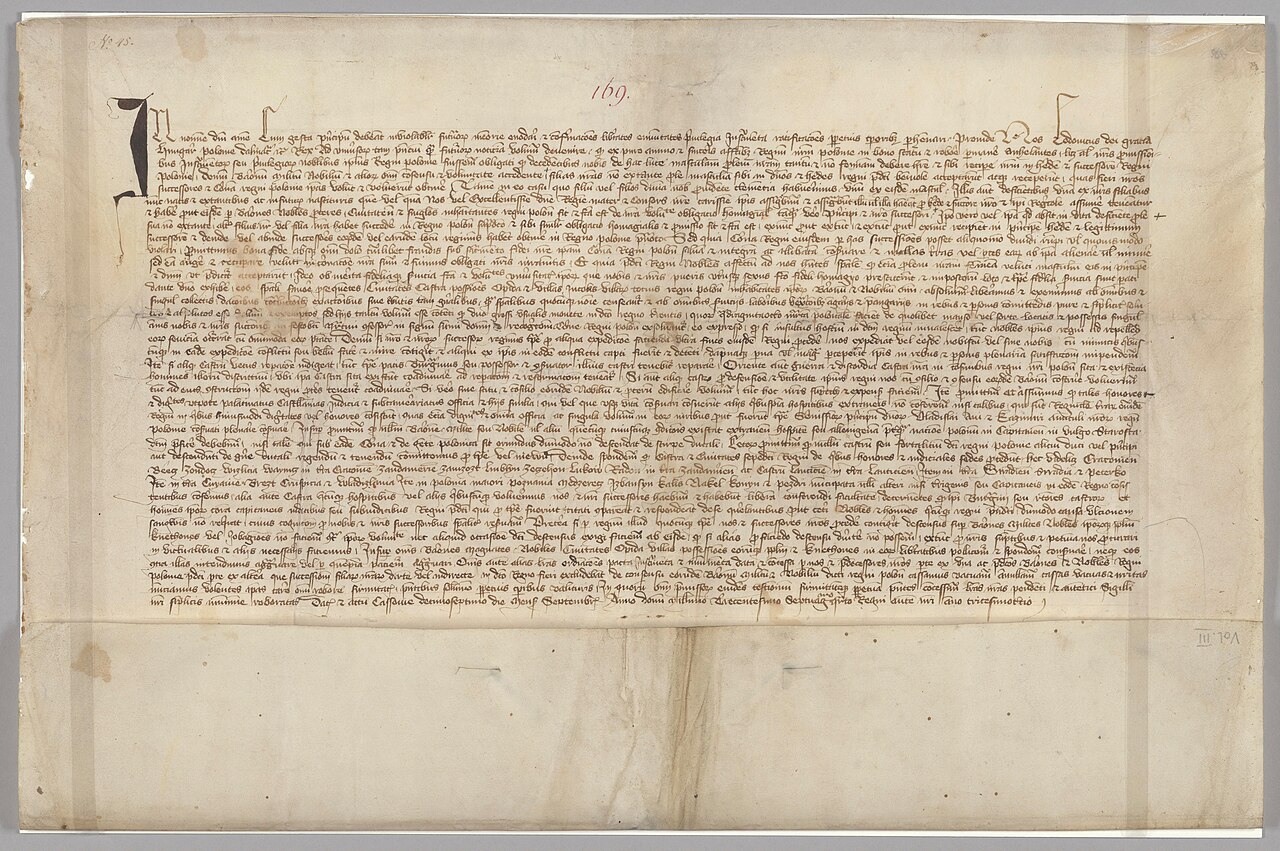
Privilege of Koszyce
Louis I of Hungary · 17 September 1374
 Artifact
Secondary source
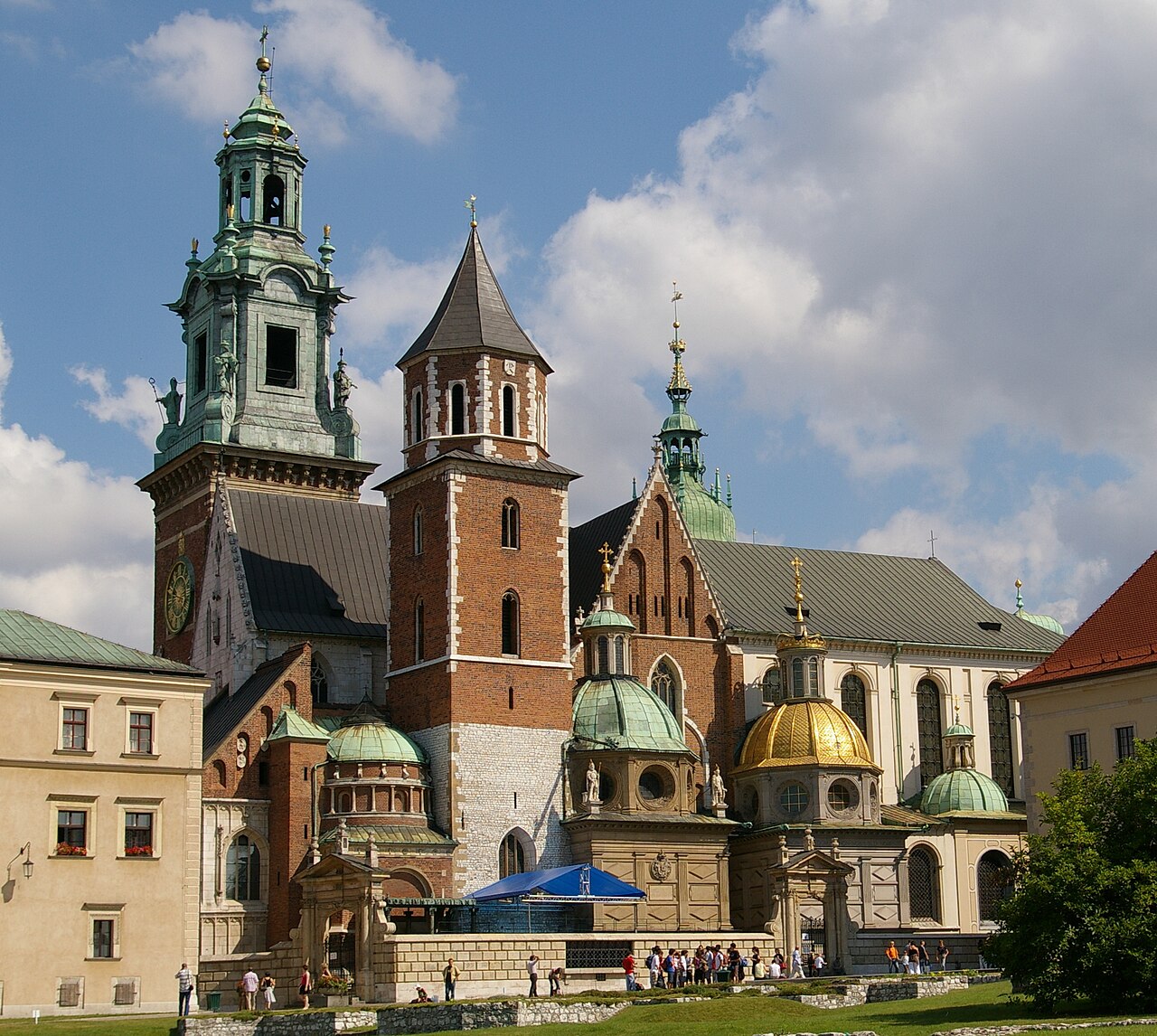
Wawel Cathedral
consecrated 1364, current structure begun 14th century
Free account
Read every Jadwiga of Poland source
Sign up free →
Ready when you are
Start chatting with Jadwiga of Poland now.
20 messages free · No credit card · Available in 50+ languages.