


Secondary sourcePainting
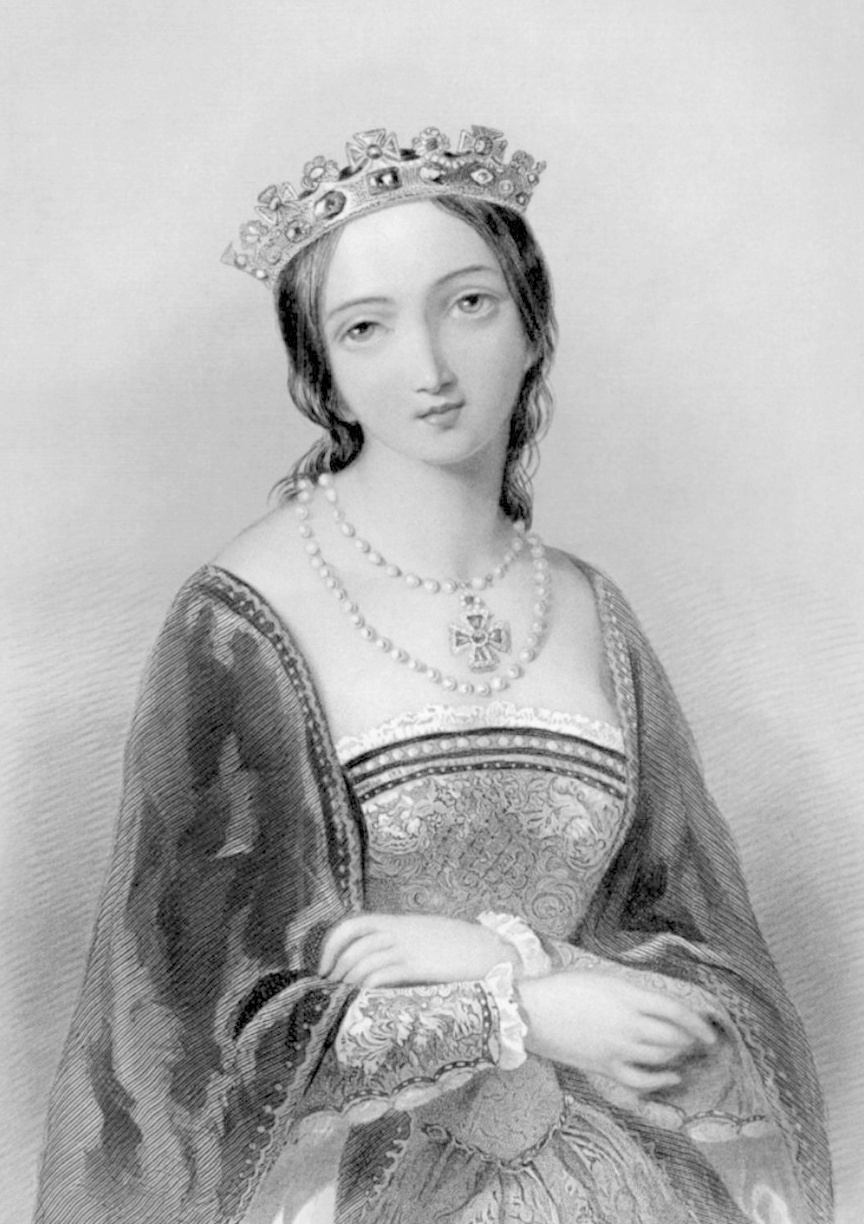
Queen Mary I of England, portrait by W H Egleton
W H Egleton
A black-and-white engraved portrait of Mary I, made by W H Egleton in the 19th century, long after her reign. It shows how later artists imagined the queen.
Shows Mary I as the subject of a later portrait, which helps students see how her image was reshaped after her time.
About this source
What it is
This is a black-and-white engraving of Mary I, the queen who ruled England and Ireland from 1553 to 1558. It was made by W H Egleton, an artist recorded as active between 1833 and 1862. The image shows a young woman in a jewelled crown, with a double strand of pearls and a pendant cross, wearing a patterned gown with lace cuffs.
Why it matters
Mary never sat for this print. It was made centuries after her death, so it reveals how 19th-century artists pictured Tudor royalty rather than how Mary looked. Portraits like this were used to make a monarch recognisable and dignified for a new audience.
Look closer
- What details of the crown, pearls and gown does the artist choose to emphasise, and why?
- How does the calm pose of the hands compare with what you know about Mary's stormy reign?
- What might this portrait leave out about Mary's life and the people who opposed her?
This painting is part of the curated material that grounds the AI version of Mary I on Humy.ai — when students ask about related events, the AI can quote it and cite it.
More Mary I sources
Browse all 95 →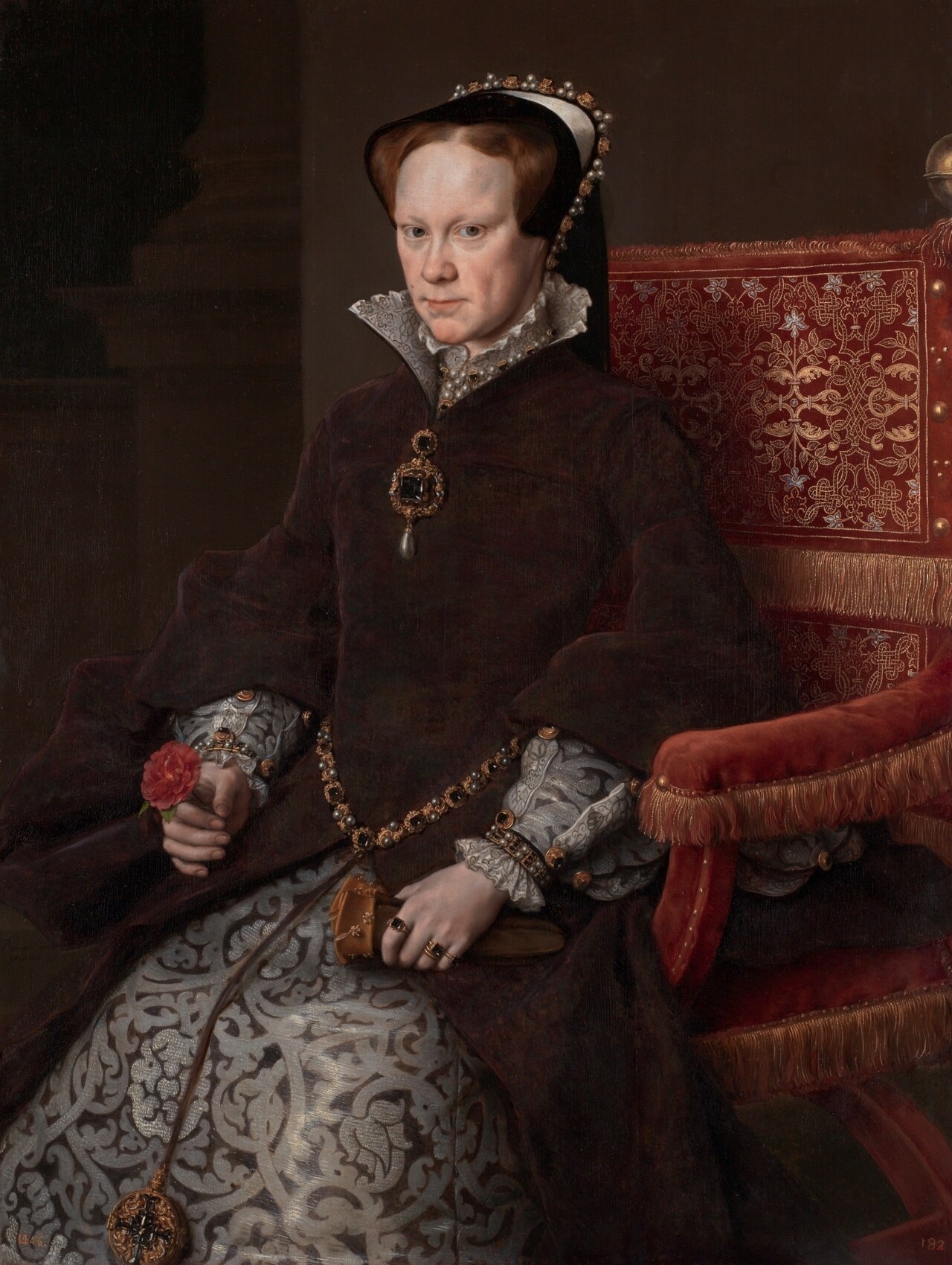 Painting
Primary source
Portrait of Mary Tudor
Antonis Mor · 1554
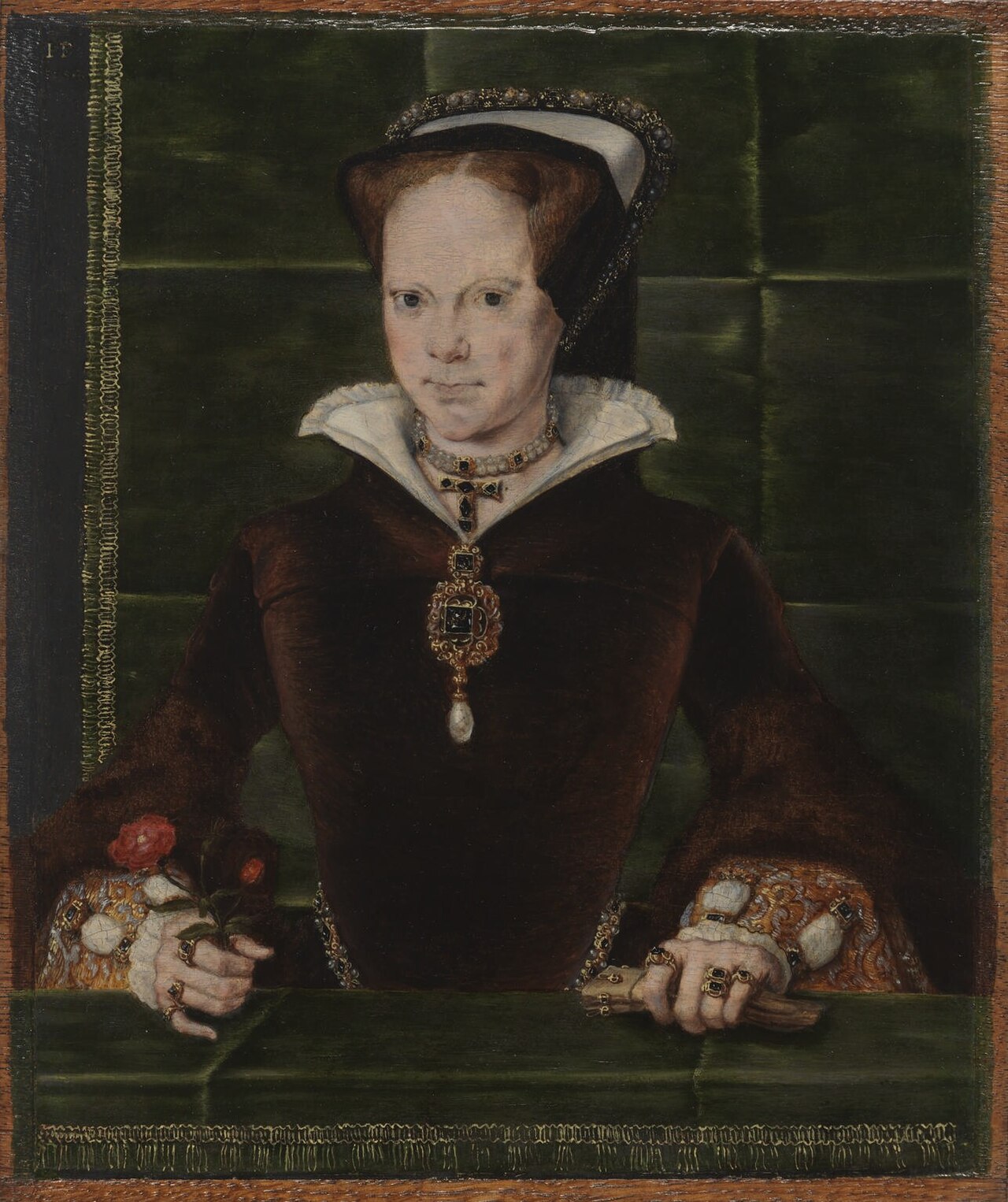 Painting
Primary source
Queen Mary I
Hans Eworth · 1554
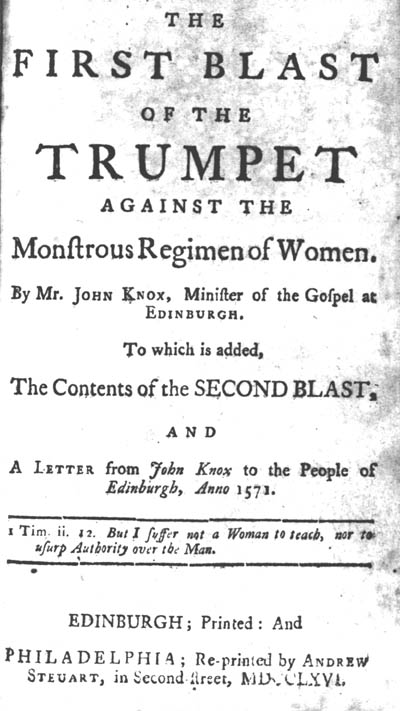 Book
Primary source
The First Blast of the Trumpet Against the Monstruous Regiment of Women
John Knox · 1558
 Painting
Primary source
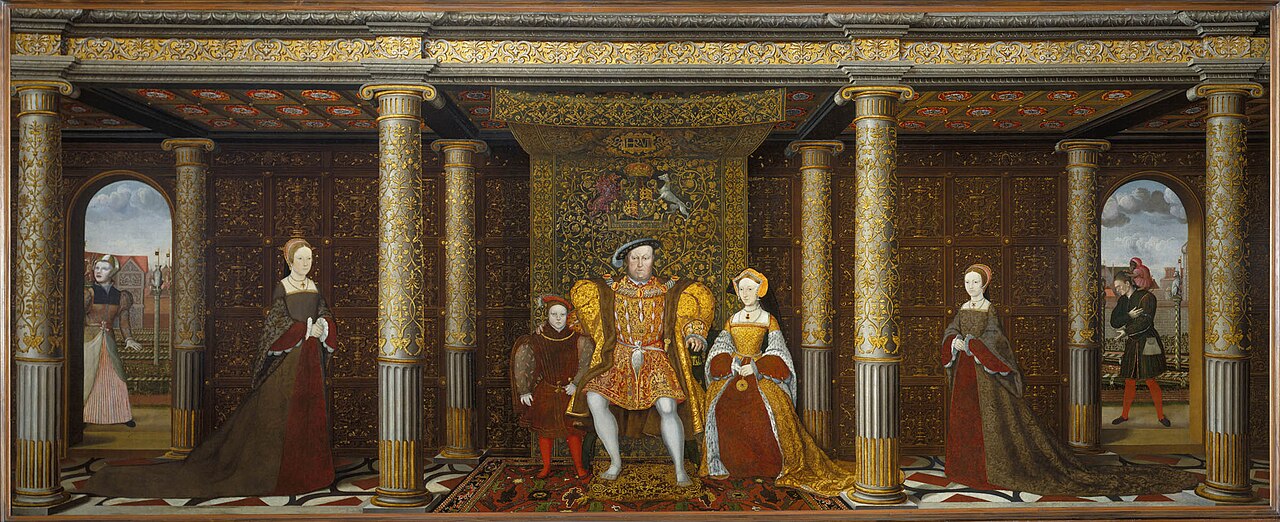
The Family of Henry VIII
British School, 16th century · 1545
Free account
Read every Mary I source
Sign up free →
Ready when you are
Start chatting with Mary I now.
20 messages free · No credit card · Available in 50+ languages.