


Secondary sourcePaintingUnknown; given to the National Portrait Gallery, London in 2006
Queen Mary I with Lady Jane Grey, Somerset and Ridley
Unknown; given to the National Portrait Gallery, London in 2006
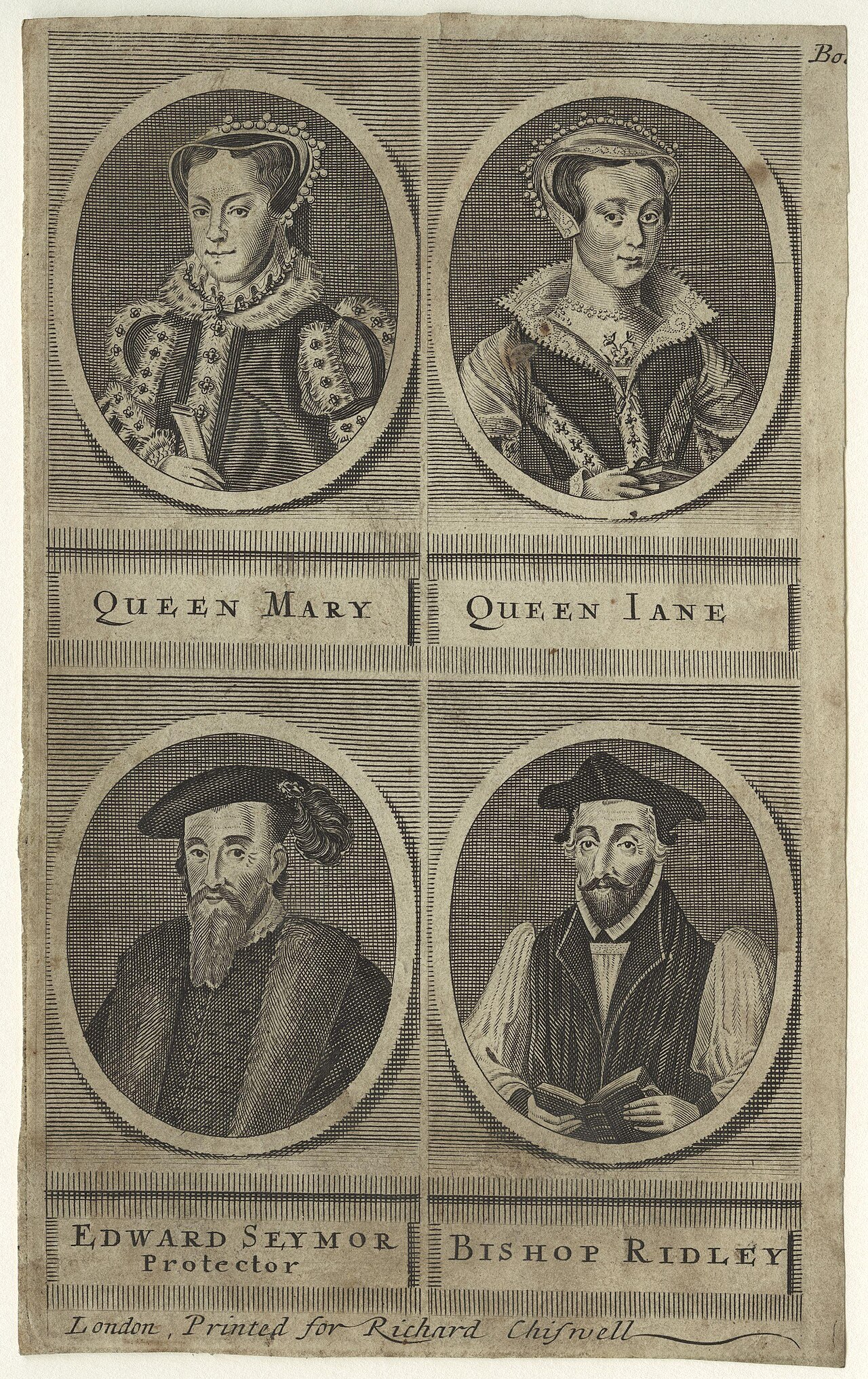
An engraved print of four oval portraits of Mary I, Lady Jane Grey, Edward Seymour and Nicholas Ridley, published in London. Its date is uncertain.
Shows Mary I as one of four figures in a group print linked to the events of 1553, so it belongs in her archive as a later image of her.
About this source
What it is
This is an engraved print with four oval portraits in two rows, each with a printed caption. The top left portrait shows Queen Mary, wearing a pearl-edged headdress and fur-trimmed gown. The top right shows Queen Jane, and the bottom panels show Edward Seymour, Protector, and Bishop Ridley. The print is marked as printed in London for Richard Chiswell. The National Portrait Gallery in London received the original image in 2006, and its date is estimated rather than known.
Why it matters
The print groups Mary with other figures from the struggle over the English throne in 1553. Lady Jane Grey, Edward Seymour and Nicholas Ridley all had roles in those events. Putting them together on one sheet shows how later publishers chose to remember these people and their connections.
Look closer
- Why do you think the four people are shown together, and who is given the top place?
- What clues in the captions and objects, such as the paper or book each person holds, tell you about their roles?
- What does a print made long after these events leave out or simplify?
This painting is part of the curated material that grounds the AI version of Mary I on Humy.ai — when students ask about related events, the AI can quote it and cite it.
More Mary I sources
Browse all 95 →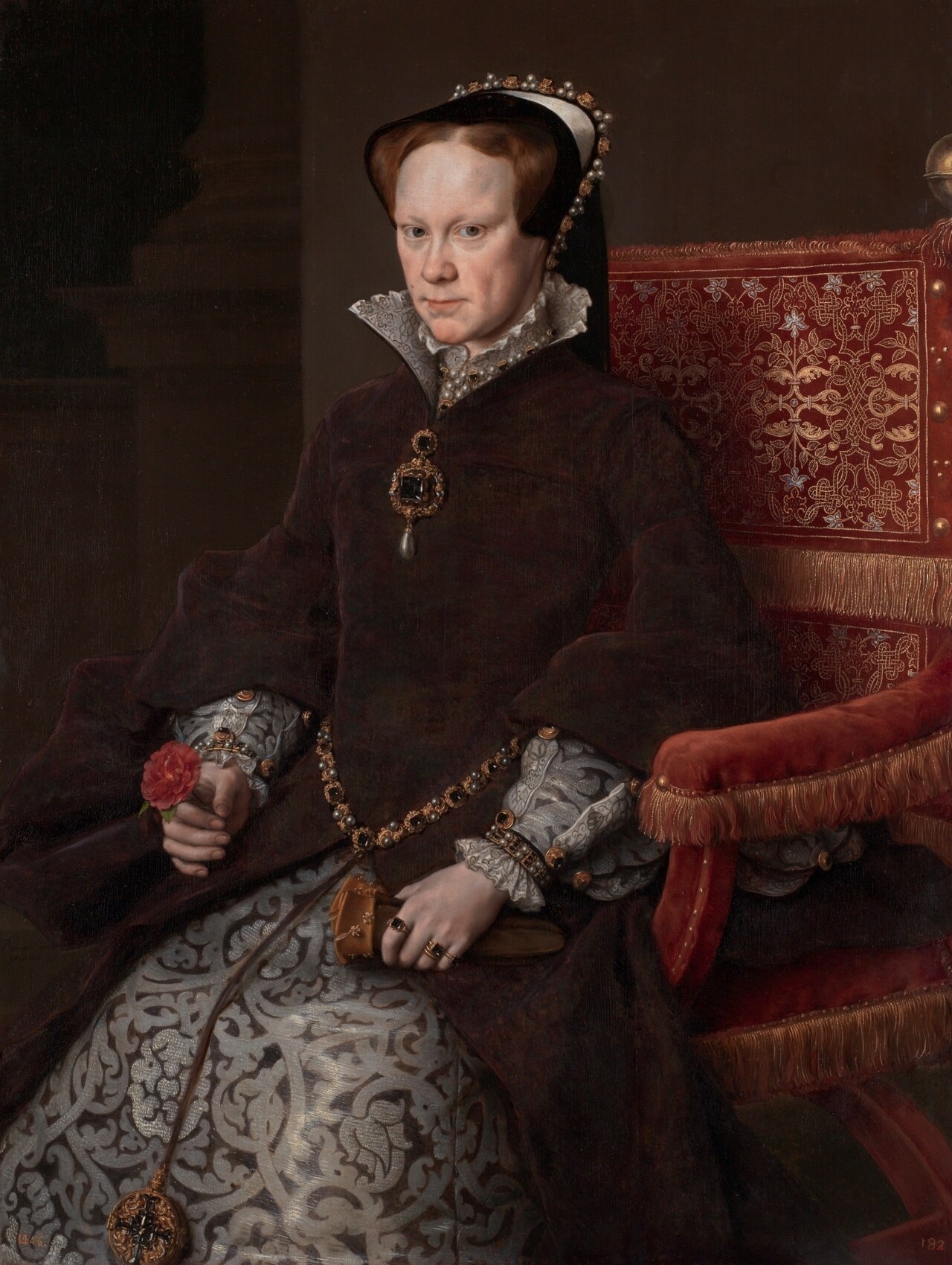 Painting
Primary source
Portrait of Mary Tudor
Antonis Mor · 1554
 Painting
Primary source
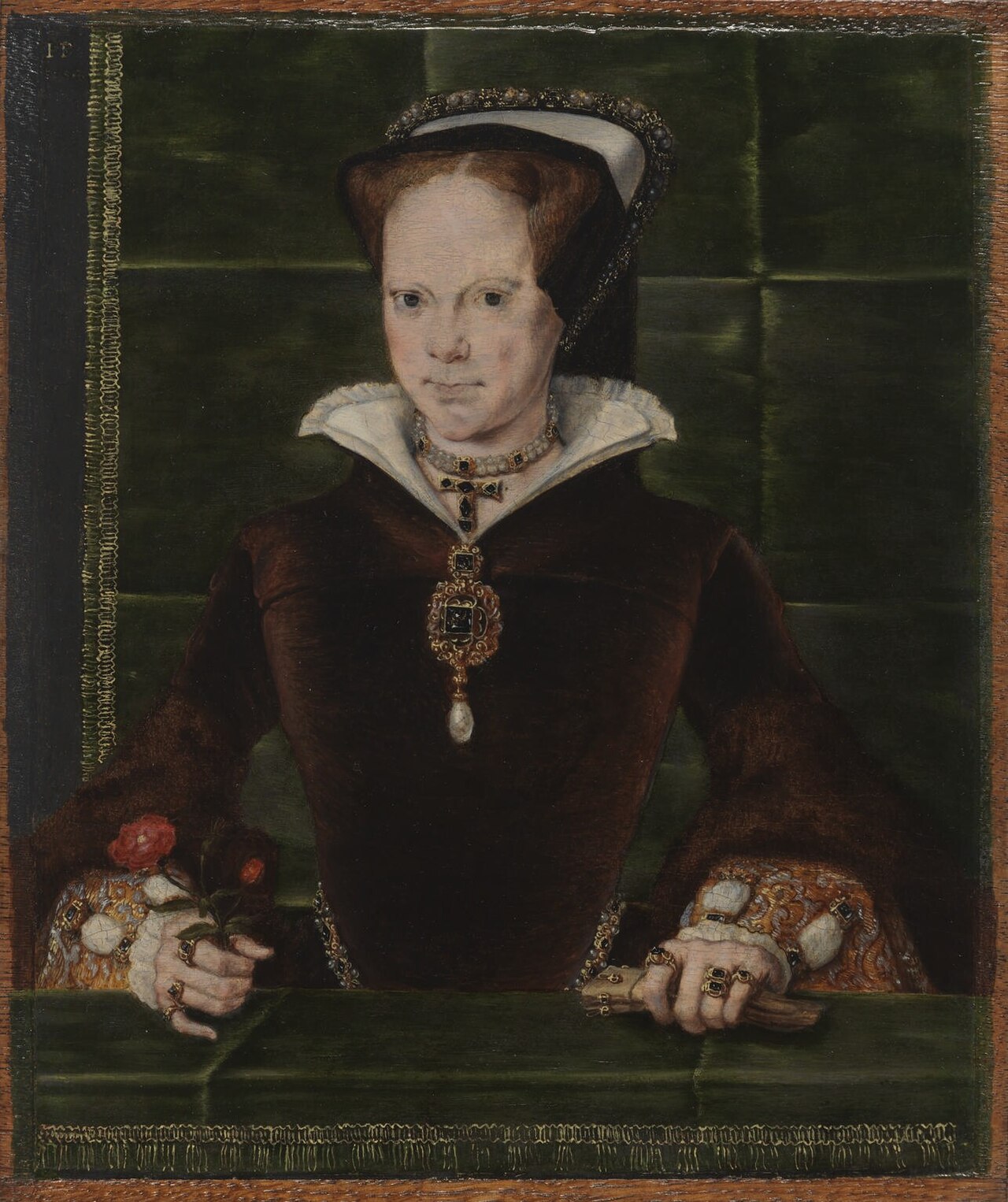
Queen Mary I
Hans Eworth · 1554
 Book
Primary source
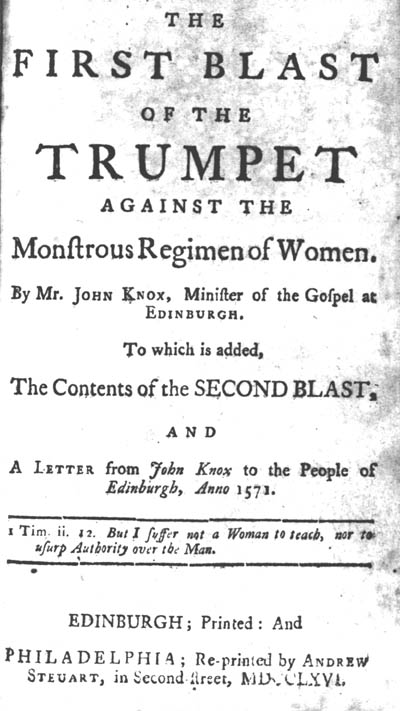
The First Blast of the Trumpet Against the Monstruous Regiment of Women
John Knox · 1558
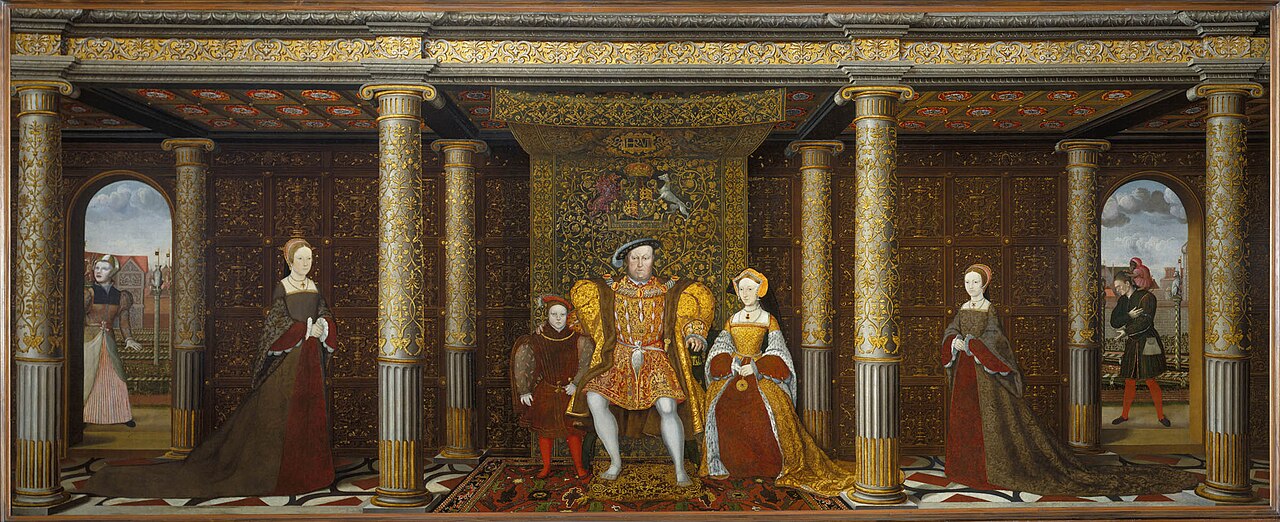 Painting
Primary source
The Family of Henry VIII
British School, 16th century · 1545
Free account
Read every Mary I source
Sign up free →
Ready when you are
Start chatting with Mary I now.
20 messages free · No credit card · Available in 50+ languages.