


Secondary sourcePainting1850-1859
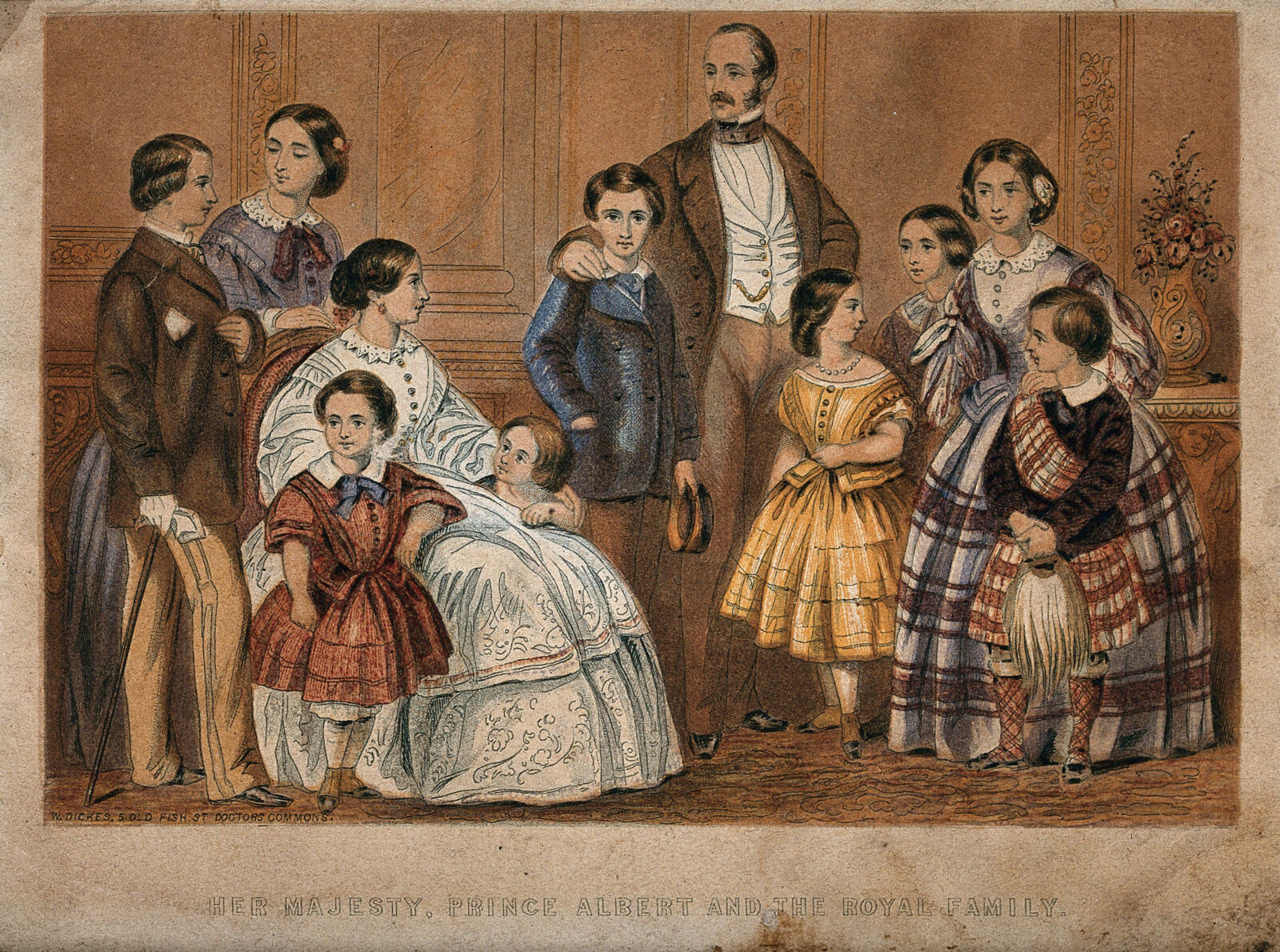
Queen Victoria, Prince Albert and the Royal Family
William Dickes · 1850-1859
A colour Baxter-process print by William Dickes from the 1850s showing Albert with Victoria and their children in a domestic group portrait.
Presents Albert as part of a royal family group, showing how his domestic image was circulated to the public.
About this source
What it is
This is a colour Baxter-process print, titled Her Majesty, Prince Albert and the Royal Family, made by William Dickes in the 1850s. It is held by the Wellcome Collection in London. A seated woman in a white lace-trimmed gown is surrounded by children and adults. A man with side whiskers stands at the centre beside a boy, and two girls stand in front.
Why it matters
Prints like this were popular in Victorian homes and presented the royal family as a loving household. Showing Albert as a family man helped link the monarchy to domestic values of the period. The print reveals how the royal image was shared with ordinary buyers.
Look closer
- Who is placed at the centre, and how does the composition show family roles?
- What does the domestic setting suggest the artist wanted viewers to feel?
- Which people in the family are not named in the print, and why might that matter?
This painting is part of the curated material that grounds the AI version of Prince Albert of Saxe-Coburg and Gotha on Humy.ai — when students ask about related events, the AI can quote it and cite it.
More Prince Albert of Saxe-Coburg and Gotha sources
Browse all 94 →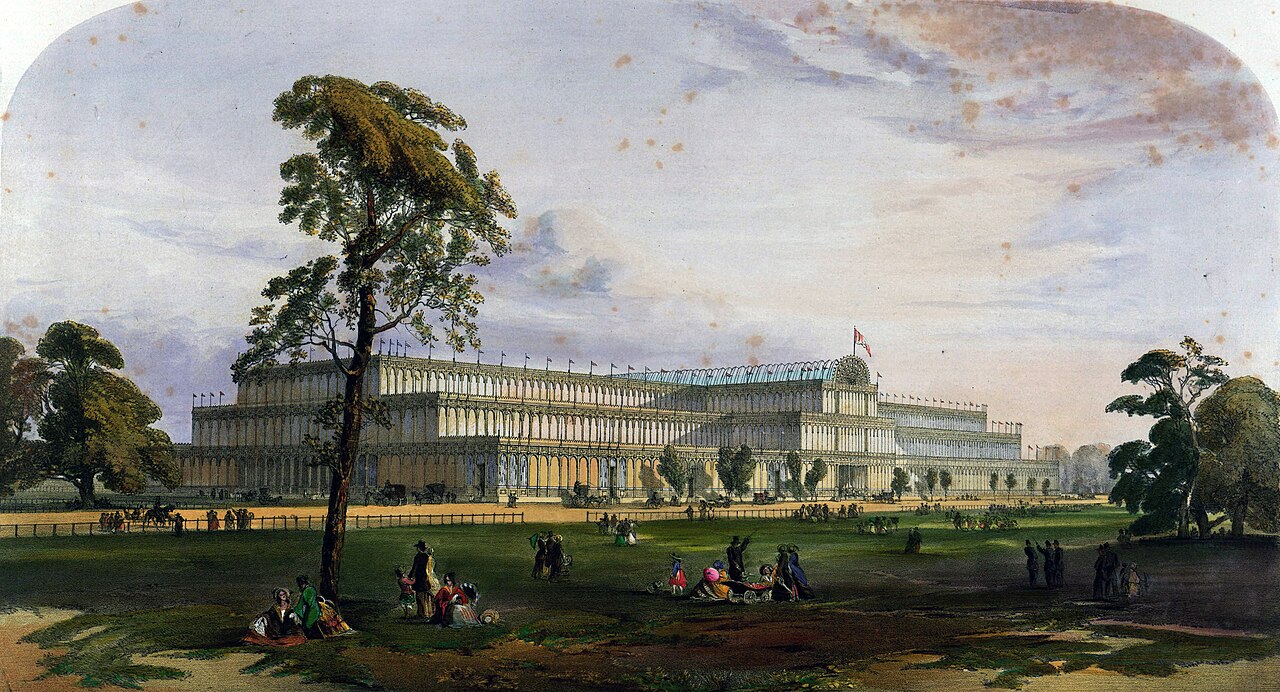 Artifact
Secondary source
The Crystal Palace
Joseph Paxton · 1851
 Painting
Primary source
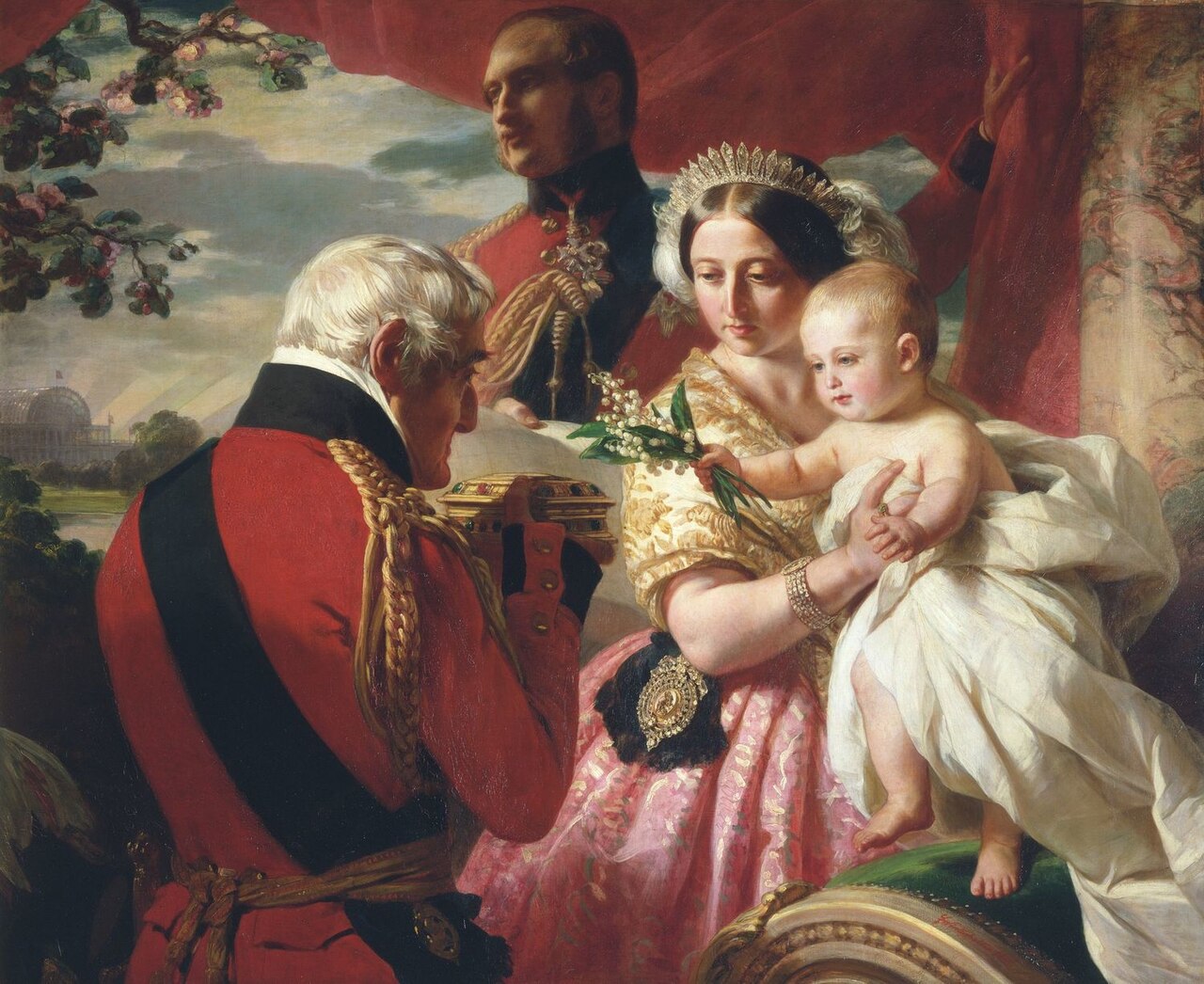
The First of May 1851
Franz Xaver Winterhalter · 1851
 Painting
Primary source
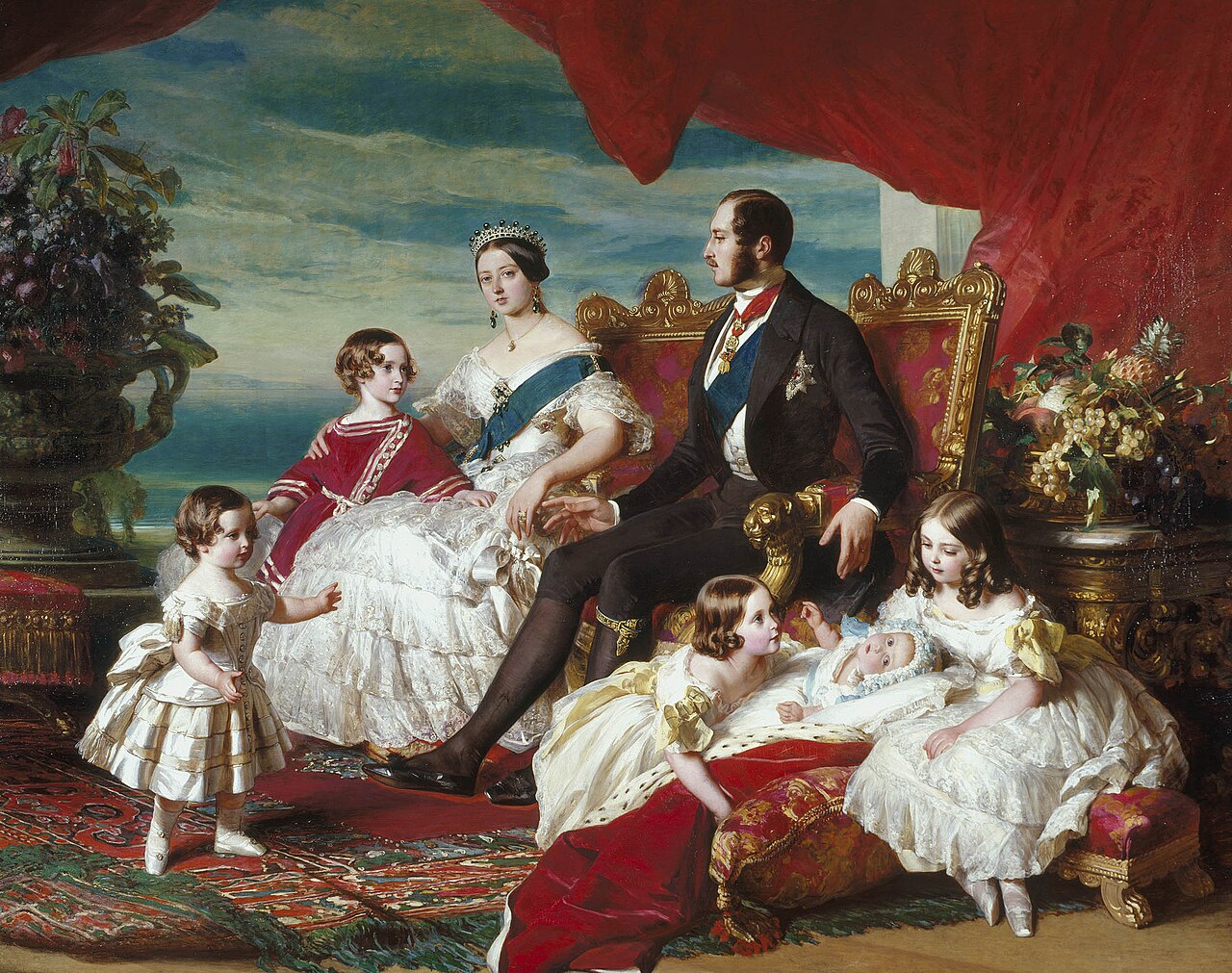
The Royal Family in 1846
Franz Xaver Winterhalter · 1846-1847
 Artifact
Primary source
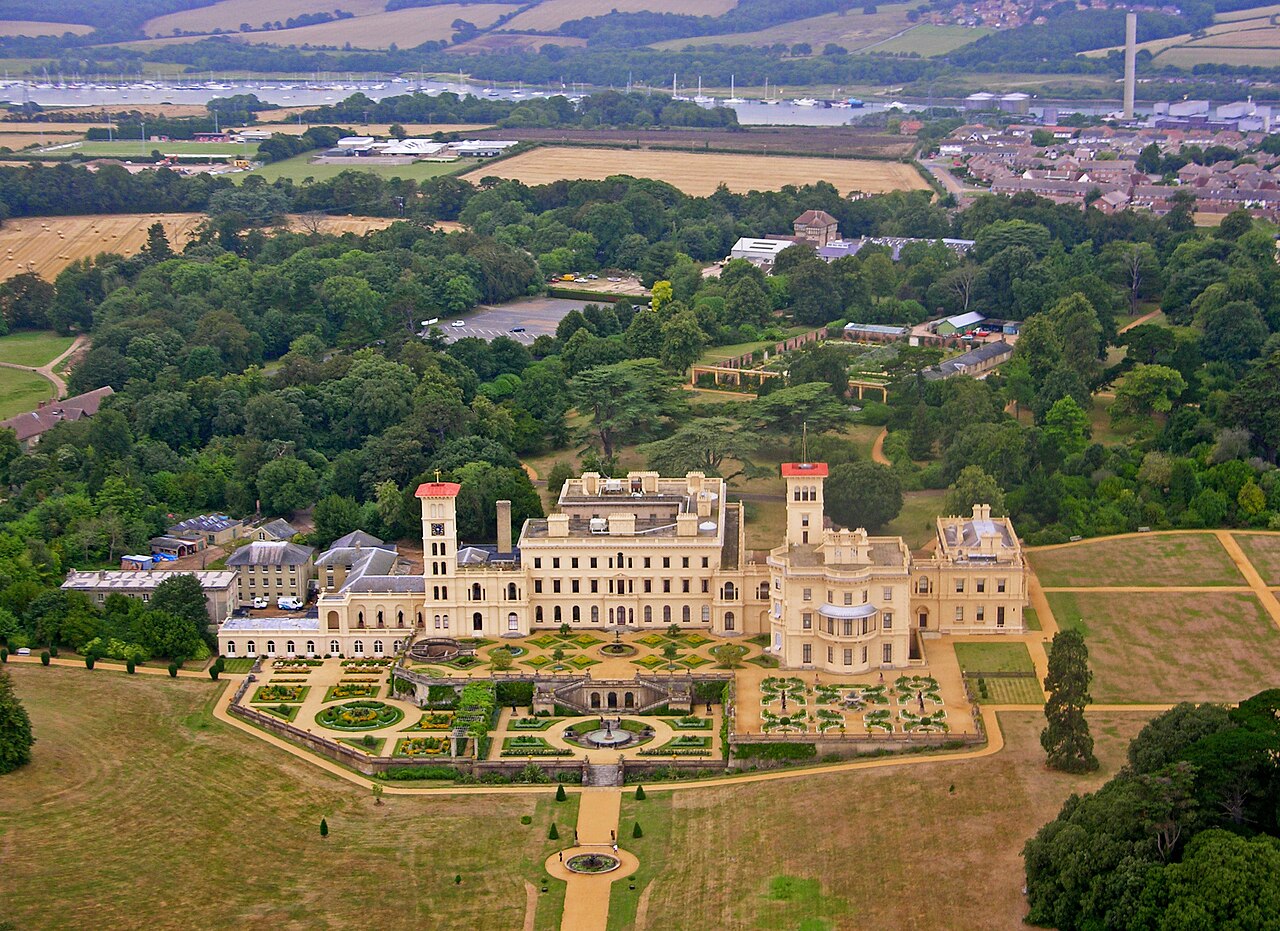
Osborne House
Thomas Cubitt · 1845–1851

Free account
Read every Prince Albert of Saxe-Coburg and Gotha source
Sign up free →
Ready when you are
Start chatting with Prince Albert of Saxe-Coburg and Gotha now.
20 messages free · No credit card · Available in 50+ languages.