


Primary sourceArtifact
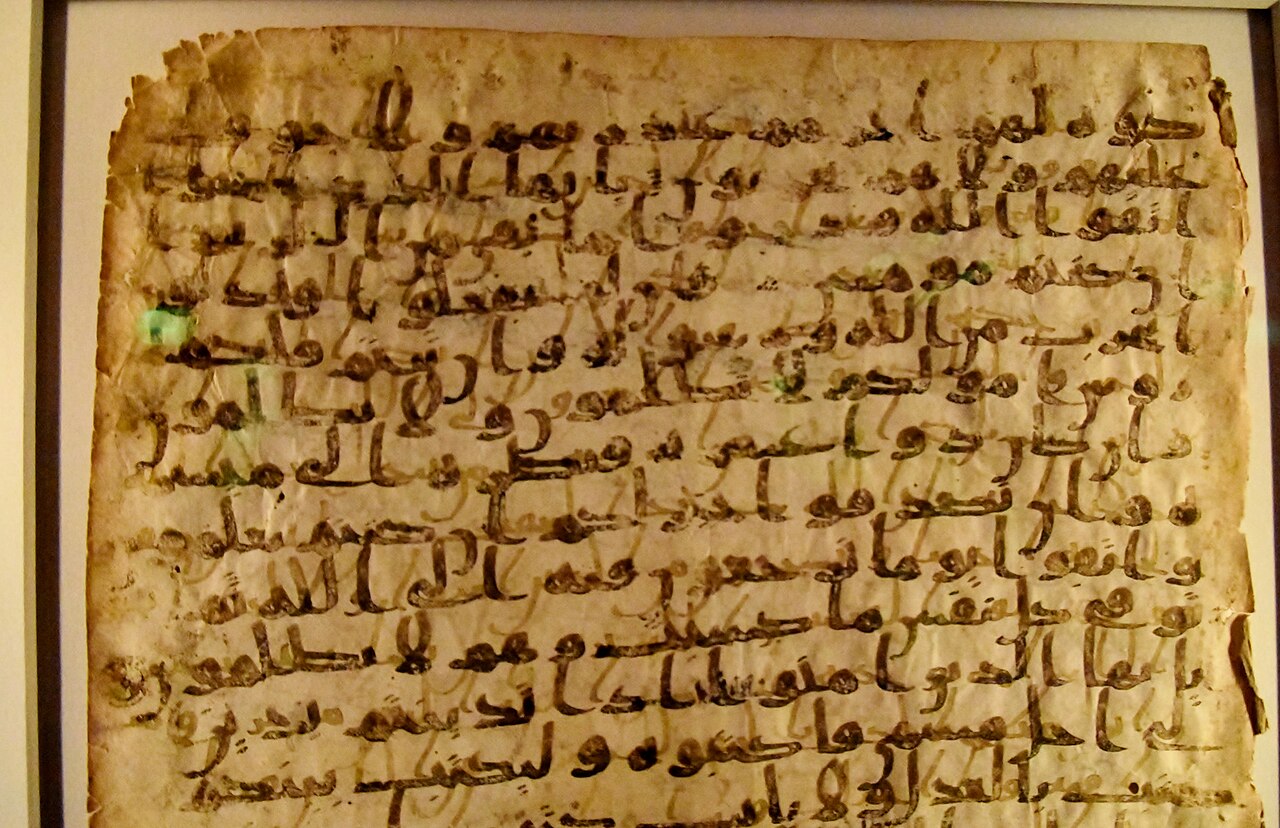
Quran Parchment Leaf in Hijazi Script
A seventh-century parchment leaf of the Quran written in early Hijazi script, from the same period as Abu Bakr.
This early Quran leaf, from the period of Abu Bakr's caliphate, reflects the era in which the Quran's text began to be compiled.
About this source
What it is
This is a single leaf of parchment covered with Arabic text written in the early angular style known as Hijazi script. It dates from the seventh century and is held in the David Collection in Copenhagen. The leaf is aged and worn, with faded edges.
Why it matters
Hijazi script is among the earliest styles used to write down the Quran, and leaves like this come from the same general period as Abu Bakr's caliphate. Abu Bakr is traditionally credited with beginning efforts to collect and preserve the Quran's text after Muhammad's death, making manuscripts like this relevant to understanding that history, even though this particular leaf is not directly tied to him.
Look closer
- What can the condition of this parchment tell you about its age and how it has been preserved?
- Why might early Quran manuscripts be important evidence for historians studying the early Islamic period?
- What is missing from this object that would help us know exactly when and where it was made?
This artifact is part of the curated material that grounds the AI version of Abu Bakr on Humy.ai — when students ask about related events, the AI can quote it and cite it.
More Abu Bakr sources
Browse all 66 →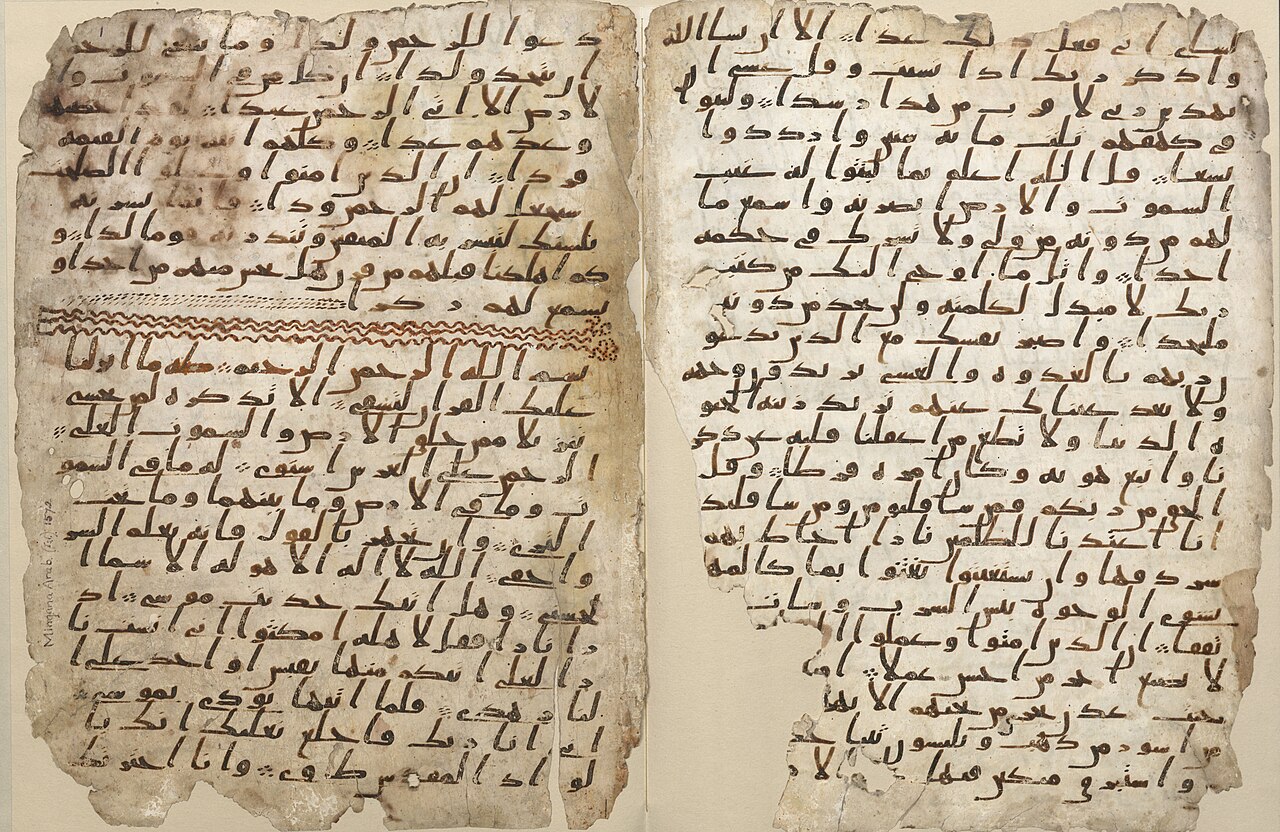 Document
Primary source
Birmingham Quran Manuscript
568–645 CE
 Book
Secondary source
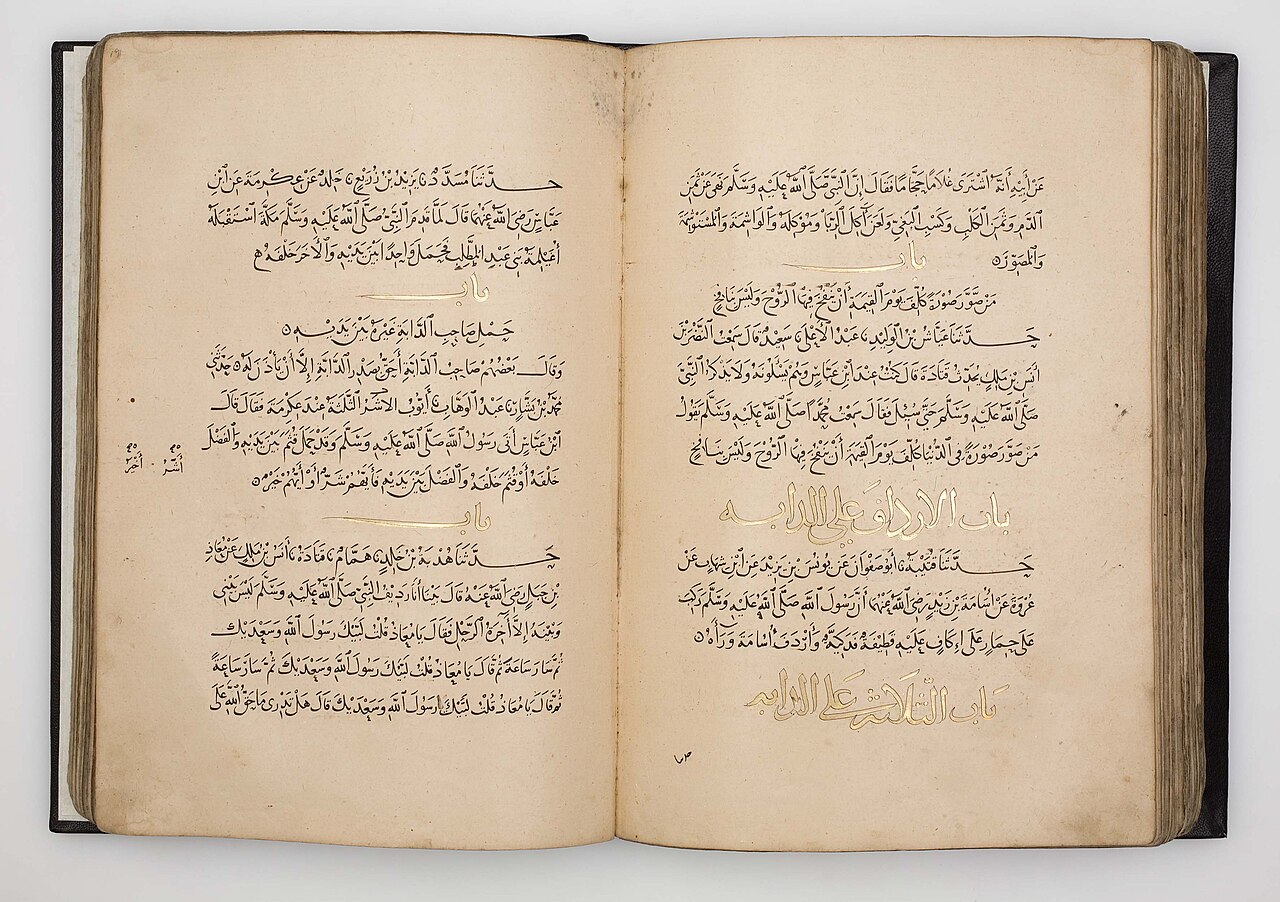
Sahih al-Bukhari
Muhammad ibn Isma'il al-Bukhari · c. 846 CE
 Book
Primary source
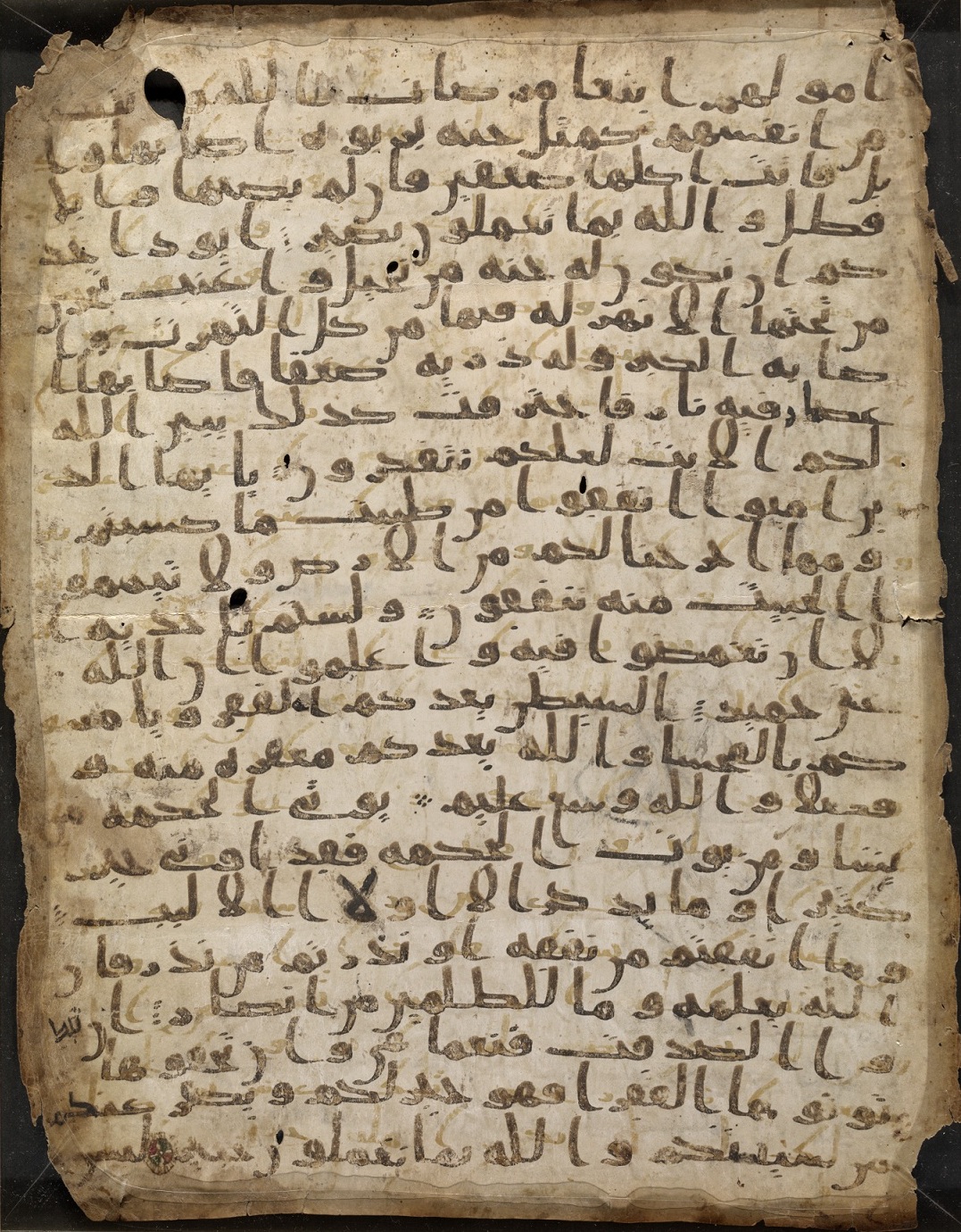
Sana'a Manuscript
c. 650 CE
 Book
Secondary source
Futuh al-Buldan
Al-Baladhuri · 9th century
Free account
Read every Abu Bakr source
Sign up free →
Ready when you are
Start chatting with Abu Bakr now.
20 messages free · No credit card · Available in 50+ languages.