


Primary sourceBookLate 1st century Hegira / c. 700 CE
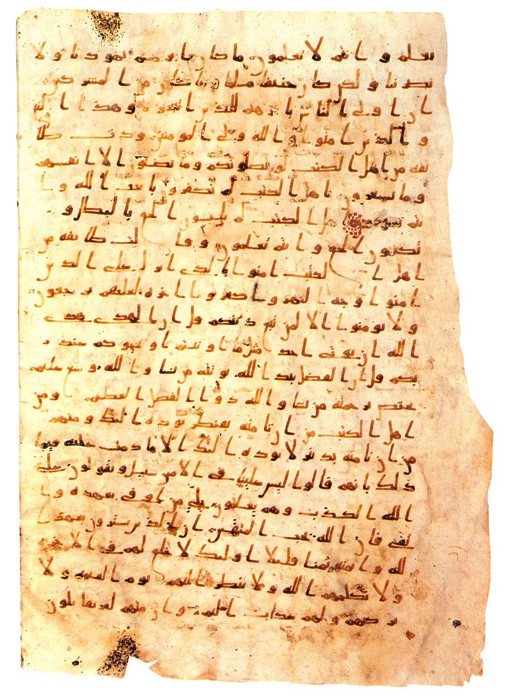
Qur'anic Manuscript in Hijazi Script, Sura Al-Imran 66-78
Unknown calligrapher · Late 1st century Hegira / c. 700 CE
An early Qur'an leaf in Hijazi script from around the time Aisha lived, showing the writing style of her era.
An early Qur'an manuscript from close to Aisha's lifetime, reflecting the religious and textual world she lived in.
About this source
What it is
This is a parchment leaf written in Hijazi script, containing part of Sura Al-Imran (verses 66-78). It dates to the late first century of the Hegira, around 700 CE, close to the end of Aisha's lifetime.
Why it matters
This manuscript shows the style of Qur'anic writing used in the Hijaz region during the early Islamic period, the world Aisha lived in and helped shape through her memory of the Prophet's teachings.
Look closer
- What can the style of the script tell us about how the Qur'an was recorded in its earliest form?
- Why do you think so few early manuscripts like this survive today?
- What does the physical condition of the parchment tell you about its age and history?
This book is part of the curated material that grounds the AI version of Aisha on Humy.ai — when students ask about related events, the AI can quote it and cite it.
More Aisha sources
Browse all 41 →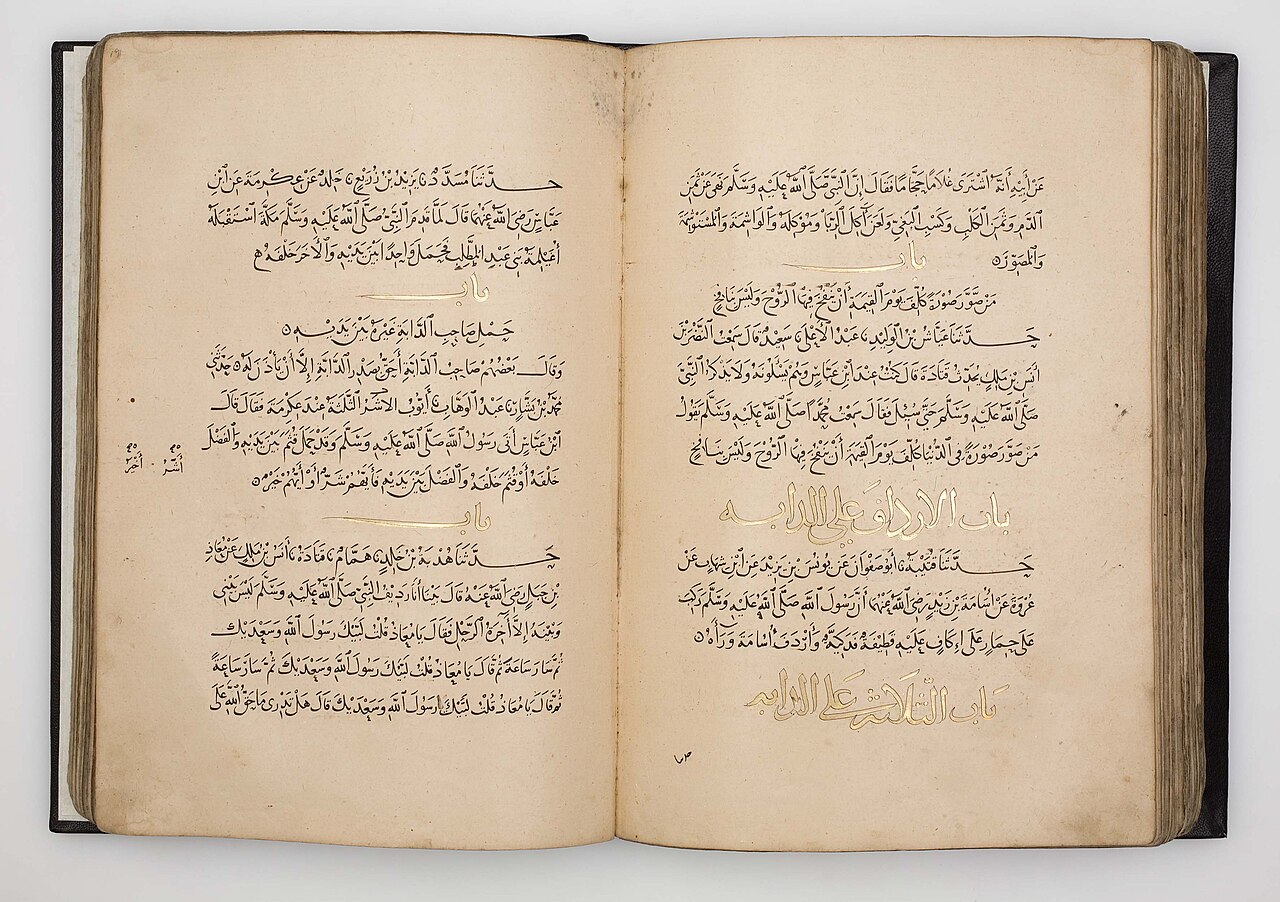 Book
Secondary source
Sahih al-Bukhari
Muhammad ibn Isma'il al-Bukhari · c. 846 CE
 Book
Secondary source
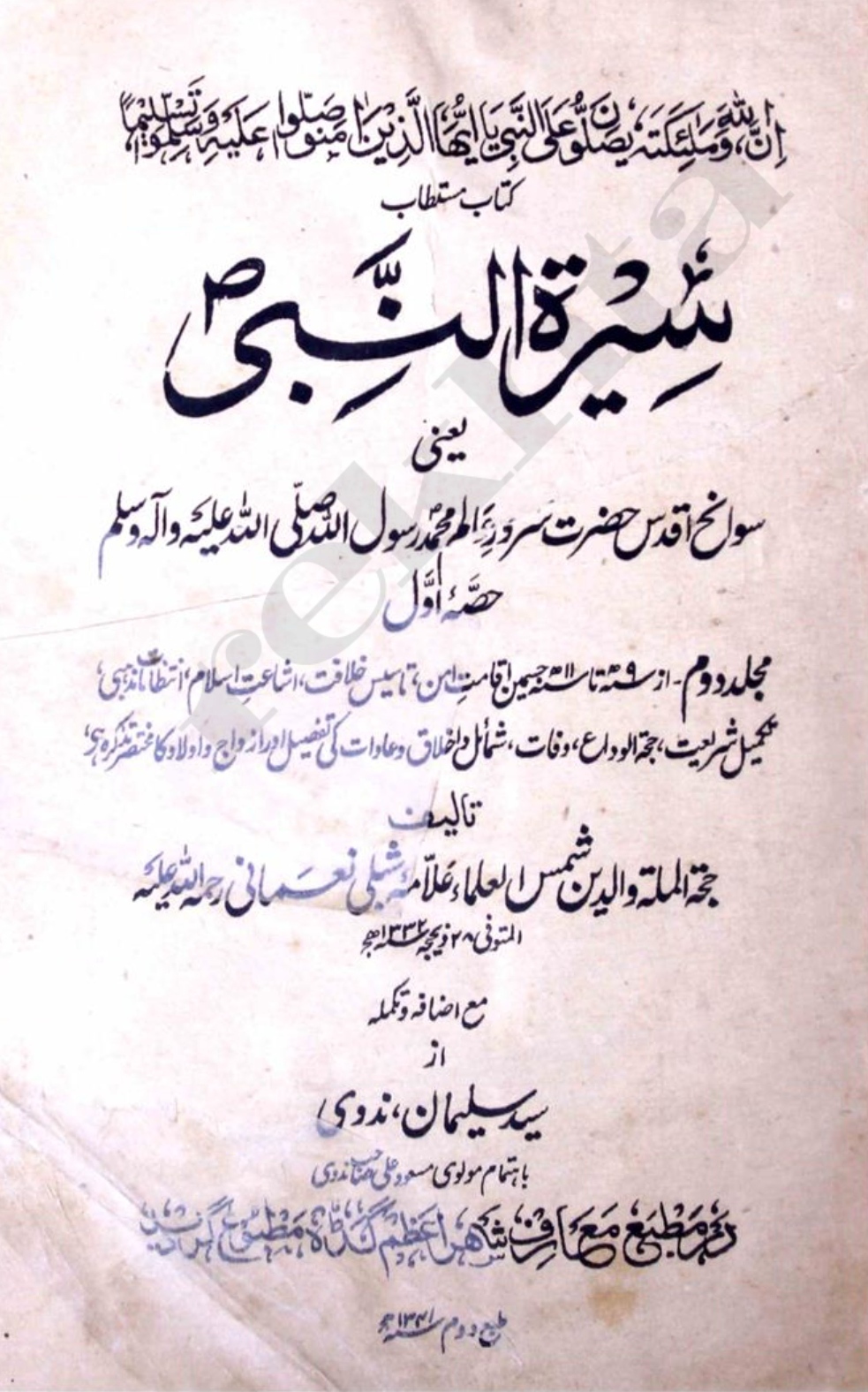
Sirat al-Nabi (Prophetic Biography)
Tradition traced to 7th century; later compiled
 Book
Secondary source
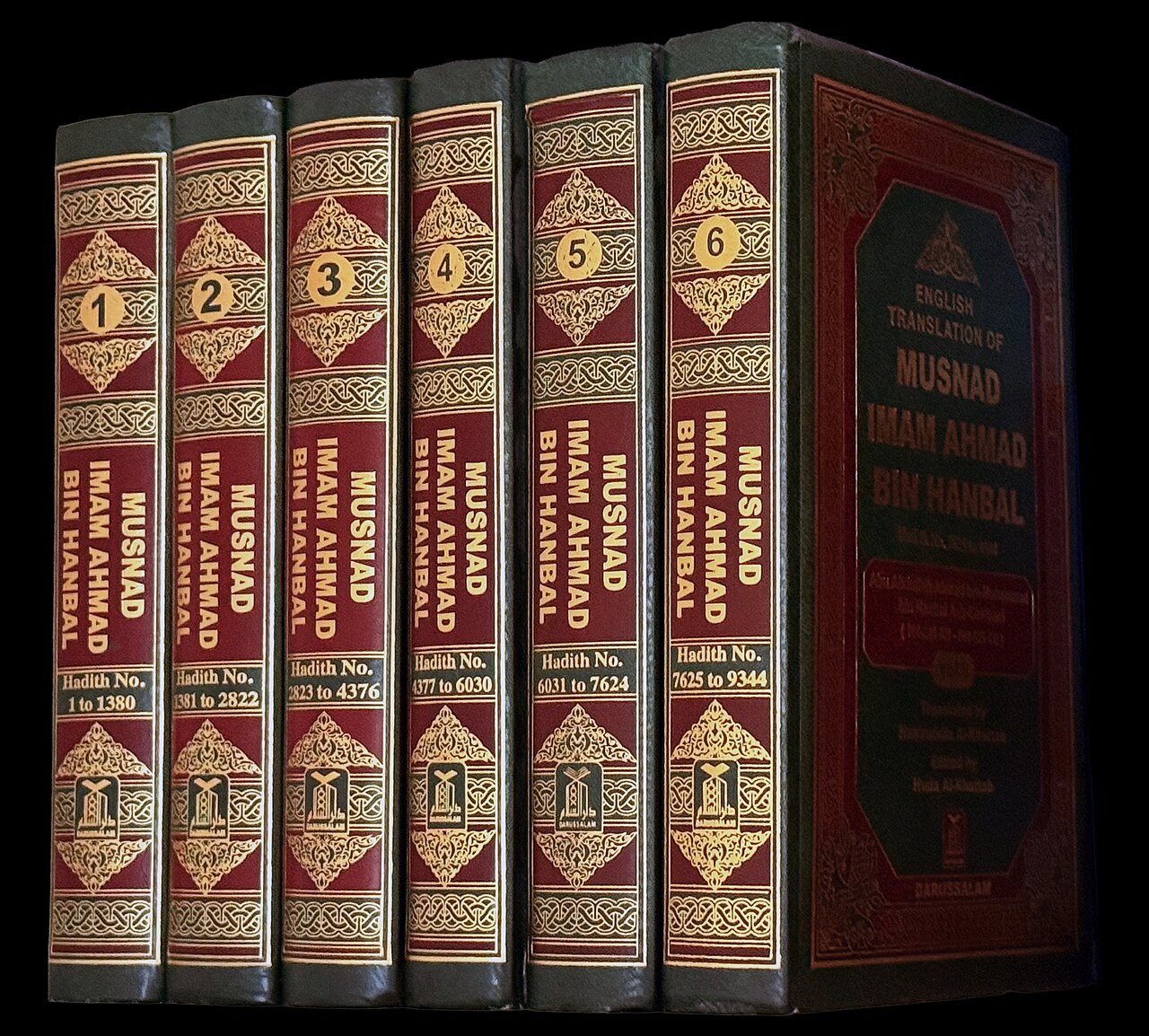
Musnad Ahmad ibn Hanbal
Ahmad ibn Hanbal · 9th century CE
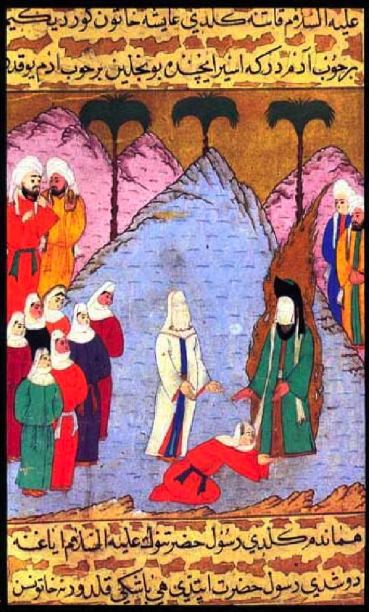 Painting
Secondary source
Mohammed and his Wife Aisha Freeing the Daughter of a Tribal Chief
Unknown
Free account
Read every Aisha source
Sign up free →
Ready when you are
Start chatting with Aisha now.
20 messages free · No credit card · Available in 50+ languages.