


Primary sourceArtifact141-87 BC
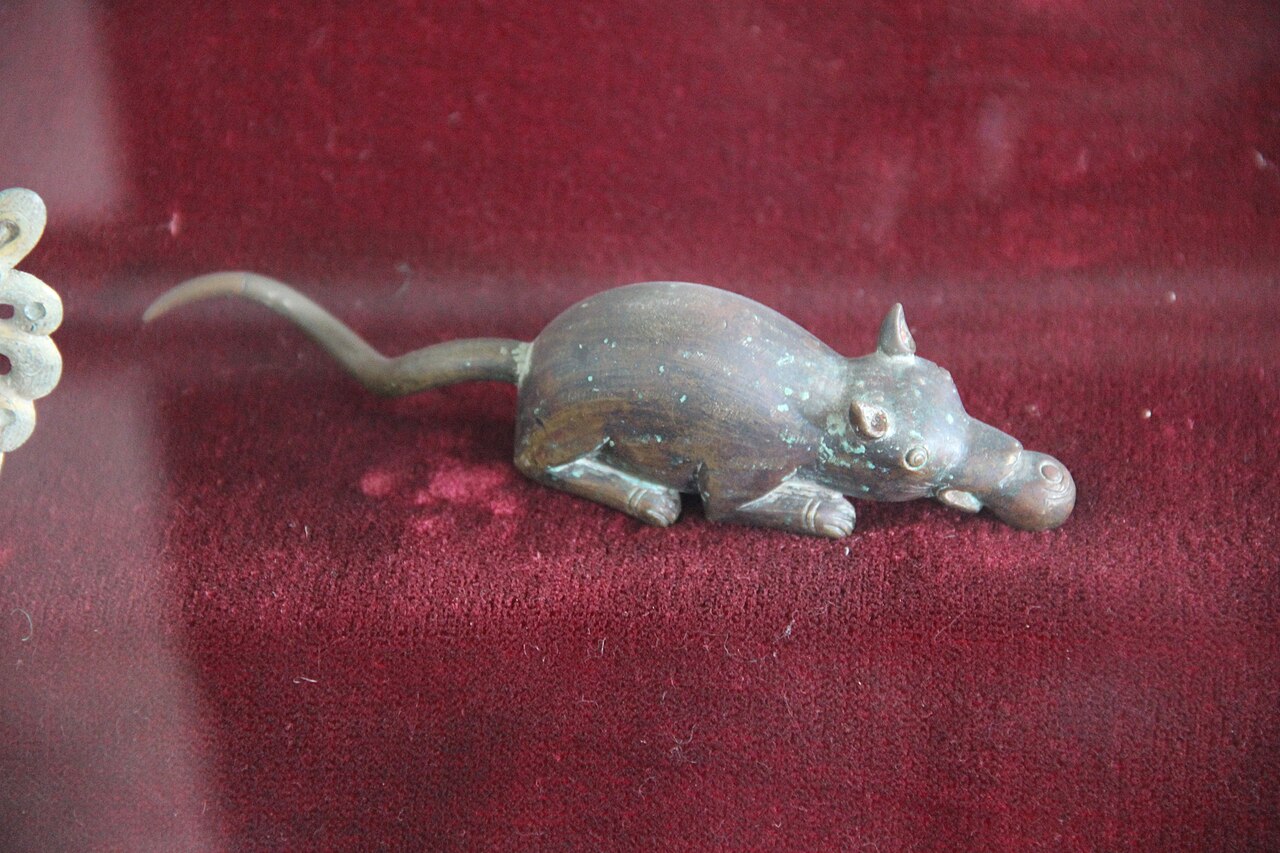
Rat figure from Maoling tomb
141-87 BC
A small bronze rat figure with a long curved tail, found in the tomb complex of Emperor Wu of Han. It shows the tomb art of his era.
Placed in Emperor Wu's Maoling tomb complex, this bronze rat shows the tomb art of his era.
About this source
What it is
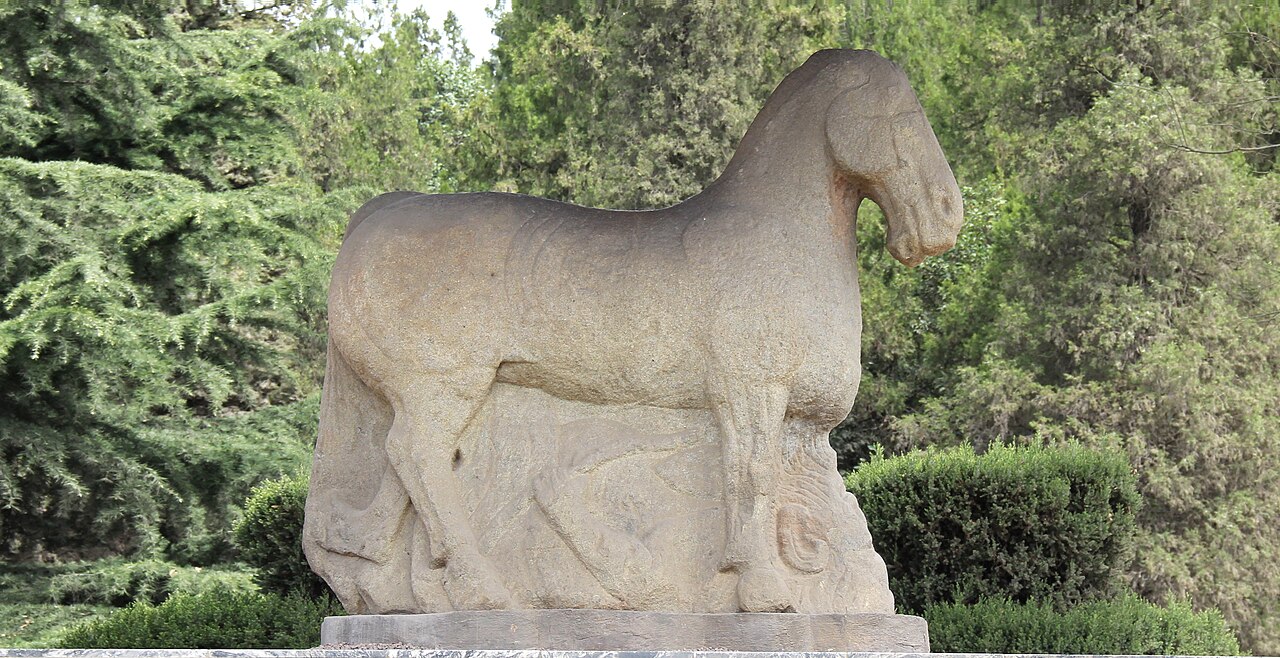
This is a small bronze rat figure with a long curved tail, pointed ears and small eyes. Its legs are tucked under its body, and its surface shows green patina. The photograph shows it resting on red velvet inside a glass display case. The figure comes from the Maoling tomb complex, dated 141-87 BC in Shaanxi Province. The photograph was published on Wikimedia Commons by Gary Lee Todd, Ph.D.
Why it matters
Maoling is the tomb of Emperor Wu, who ruled the Han dynasty from 157 to 87 BCE. The record describes this figure as tomb art of his era, so it was placed in the emperor's burial complex. The facts do not say what the rat represented or who made it, so its meaning remains an open question.
Look closer
- What features make this animal recognizable as a rat, and what details are hard to see?
- Why might an emperor's tomb include a small animal figure like this one?
- What does the photograph leave out, such as the figure's size or who made it?
This artifact is part of the curated material that grounds the AI version of Emperor Wu of Han on Humy.ai — when students ask about related events, the AI can quote it and cite it.
More Emperor Wu of Han sources
Browse all 91 →Primary source
Annals of Emperor Xiaowu (Shiji, Vol. 12)
Sima Qian · c. 100 BCE
Primary source
Autumn Wind Rhapsody
Emperor Wu of Han · 2nd century BCE
 Book
Secondary source
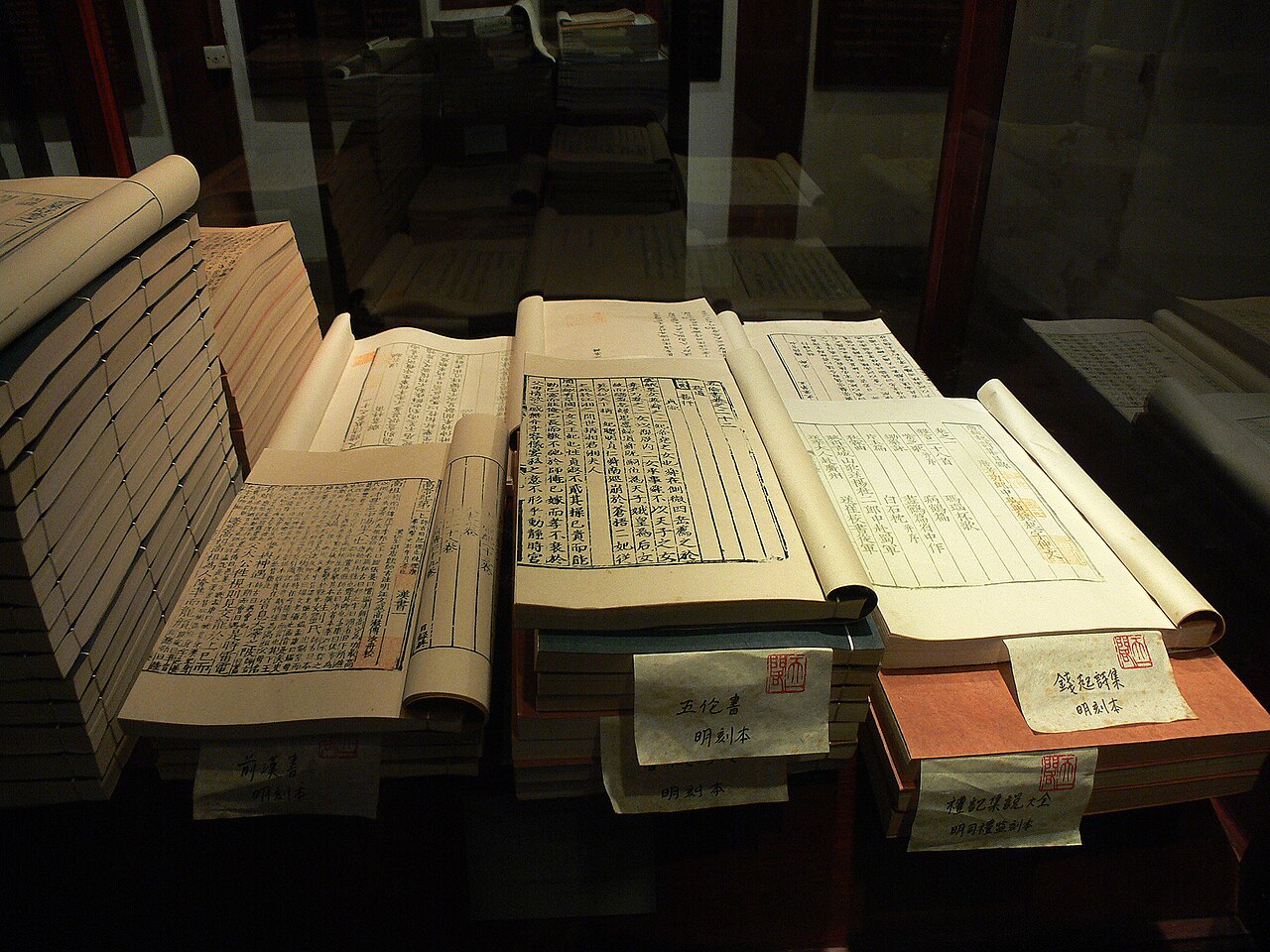
Book of Han
Ban Gu (with Ban Zhao and Ban Biao) · finished 111 CE
 Artifact
Primary source
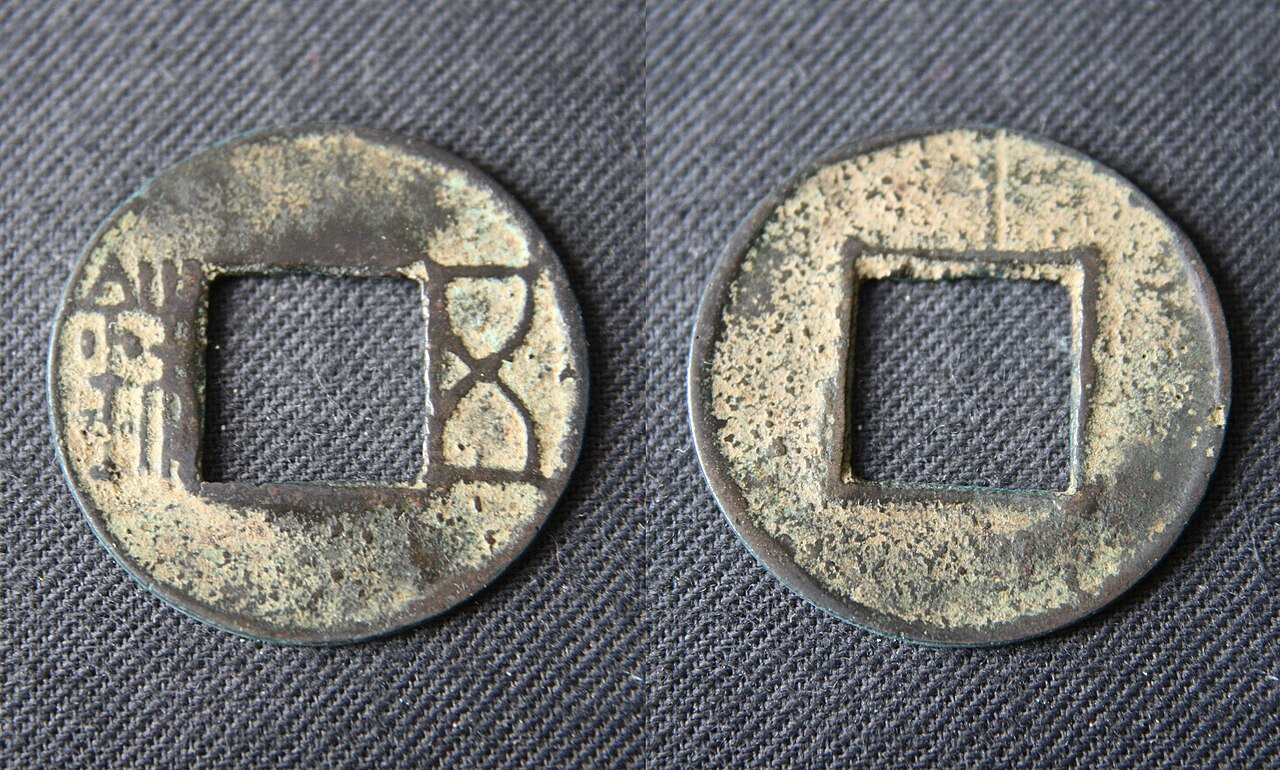
Han Wu Zhu Coin of Emperor Wu
after 118 BCE
Free account
Read every Emperor Wu of Han source
Sign up free →
Ready when you are
Start chatting with Emperor Wu of Han now.
20 messages free · No credit card · Available in 50+ languages.