


Primary sourceBookc. 1584-1586
Razmnama
c. 1584-1586
A Persian translation of the Hindu epic Mahabharata, ordered by Akbar and illustrated by his court painters.
Akbar personally ordered and oversaw this translation project, reflecting his policy of religious and cultural exchange.
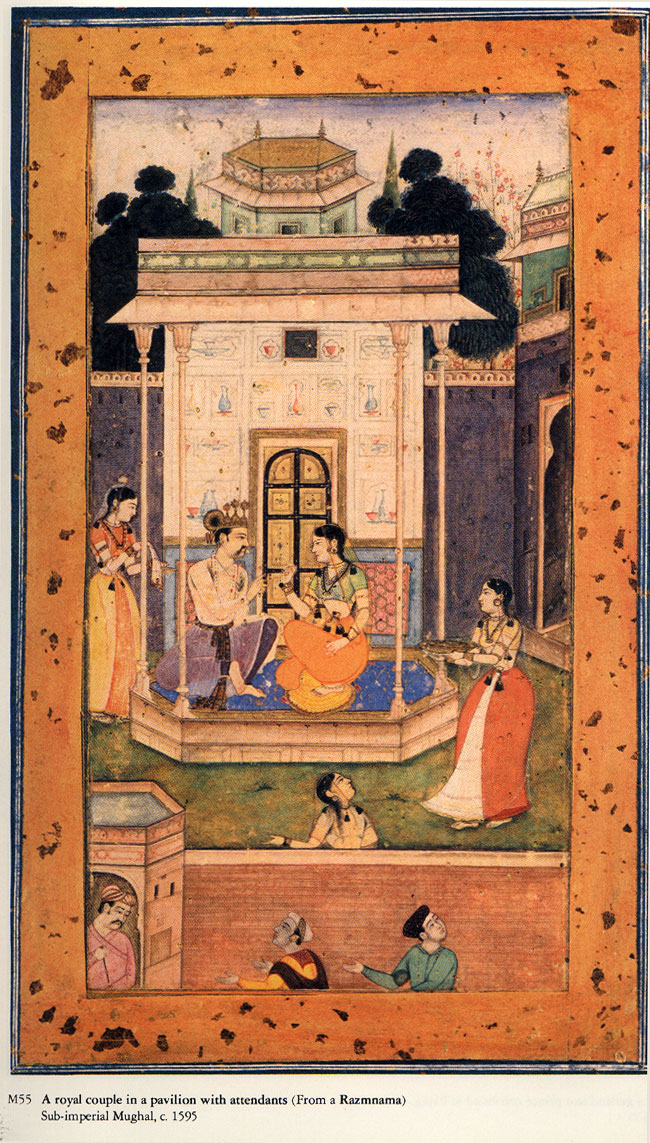
About this source
What it is
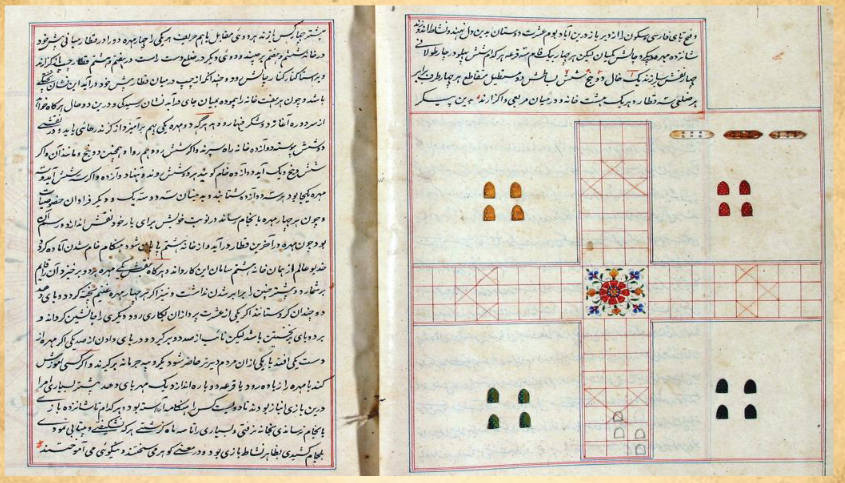
The Razmnama is a Persian translation of the Sanskrit epic Mahabharata, commissioned by Akbar through the translation bureau he set up at Fatehpur Sikri. Hindu scholars explained the text, Muslim theologian Naqib Khan and poet Faizi rendered it into Persian, and the finished work, completed in the 1580s, was illustrated with many paintings, including this folio showing a royal couple in a pavilion with attendants.
Why it matters
The project shows Akbar's effort to bridge Hindu and Muslim traditions at his court, letting his Muslim nobles understand a central Hindu text. It involved Brahmin scholars, Muslim translators and court artists such as Basawan, Daswanth and Lal, showing how Akbar's court brought different communities together in shared cultural work.
Look closer
- Why might an emperor want a Hindu epic translated for his court?
- What does the involvement of both Hindu scholars and Muslim translators tell us about Akbar's approach to religion?
- What might be lost or changed when a story is translated from Sanskrit into Persian and illustrated by different artists?
This book is part of the curated material that grounds the AI version of Akbar the Great on Humy.ai — when students ask about related events, the AI can quote it and cite it.
More Akbar the Great sources
Meet the AI Akbar the Great →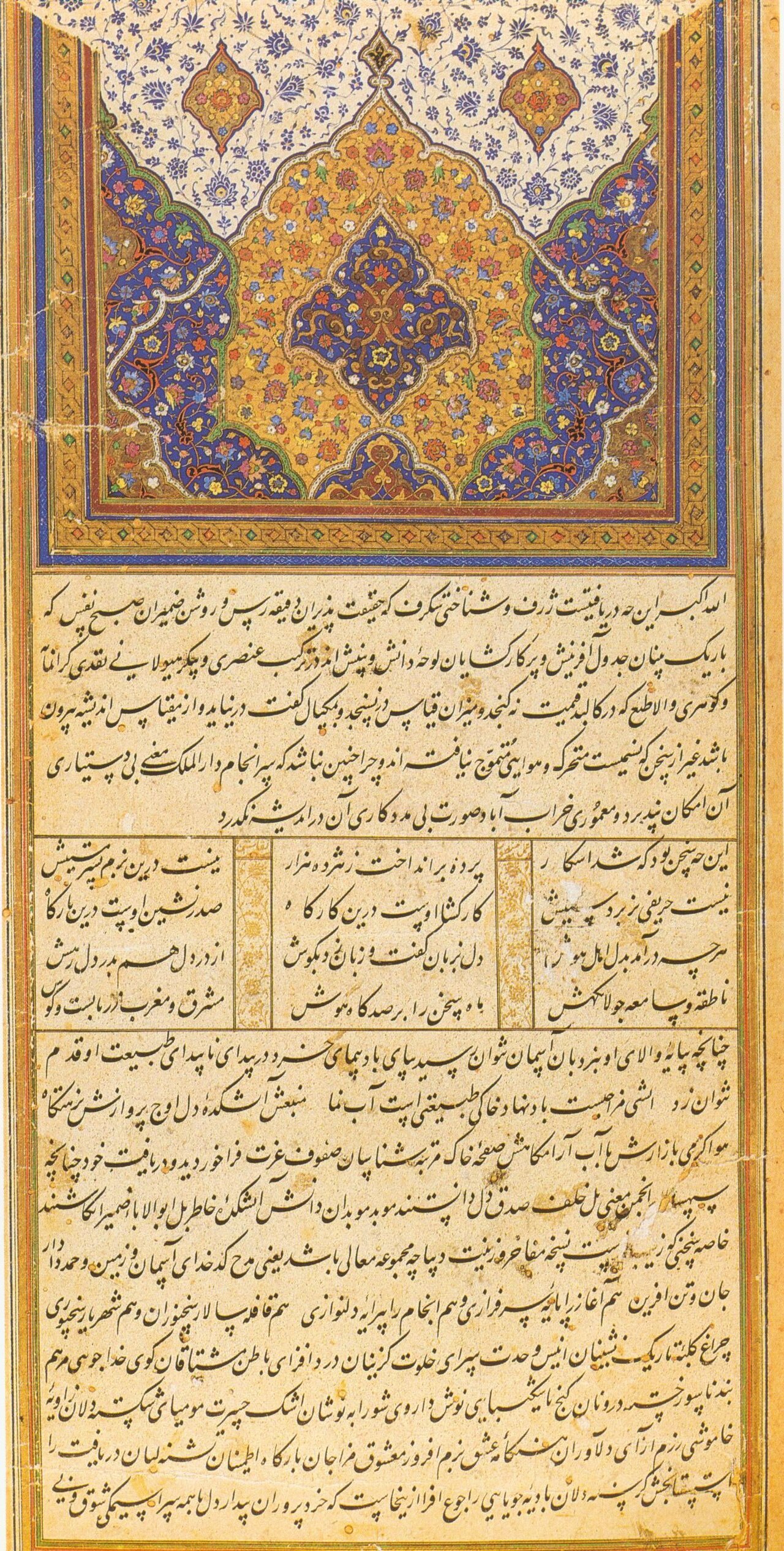
Ready when you are
Start chatting with Akbar the Great now.
20 messages free · No credit card · Available in 50+ languages.