


Secondary sourcePainting1900
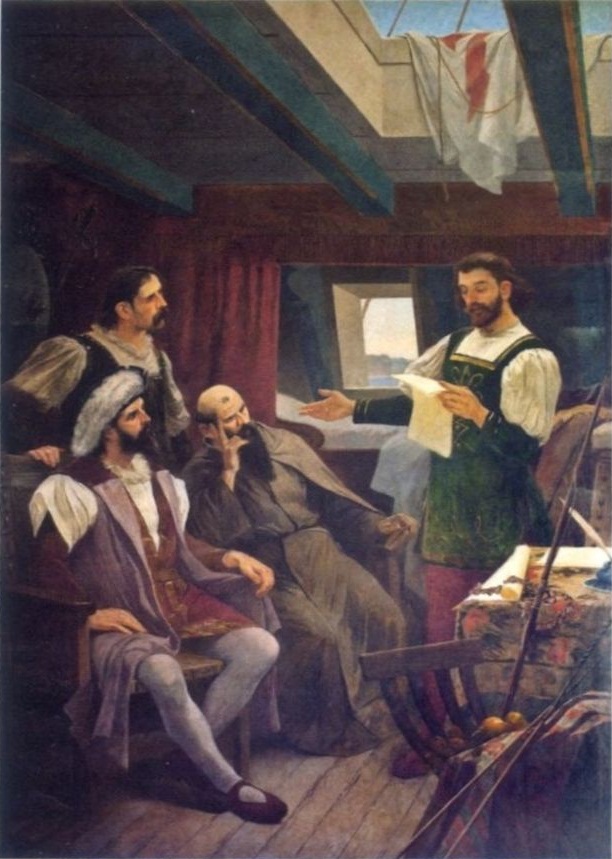
Reading of Caminha's Letter to Cabral
Francisco Aurélio de Figueiredo e Melo · 1900
A 1900 painting imagining the moment Pero Vaz de Caminha read aloud his letter to King Manuel I in front of Cabral.
Depicts Cabral aboard ship listening to the letter describing the Portuguese arrival in Brazil that he commanded.
About this source
What it is
This painting was made in 1900 by Francisco Aurélio de Figueiredo e Melo. It shows Pero Vaz de Caminha reading his famous letter to Commander Pedro Álvares Cabral, Friar Henrique, and Master João aboard ship, before the letter was sent to King Dom Manuel I of Portugal.
Why it matters
Caminha's letter is one of the earliest written accounts of the Portuguese arrival in Brazil in 1500. This painting, created 400 years later, imagines the scene of its creation and shows how later generations pictured Cabral's leadership during the voyage.
Look closer
- What details in the setting (the cabin, the flag, the window) tell you this is meant to be a ship at sea?
- Why might an artist in 1900 want to create a dramatic scene of this historic moment?
- What can and cannot a painting made centuries later tell us about what actually happened?
This painting is part of the curated material that grounds the AI version of Pedro Álvares Cabral on Humy.ai — when students ask about related events, the AI can quote it and cite it.
More Pedro Álvares Cabral sources
Browse all 83 →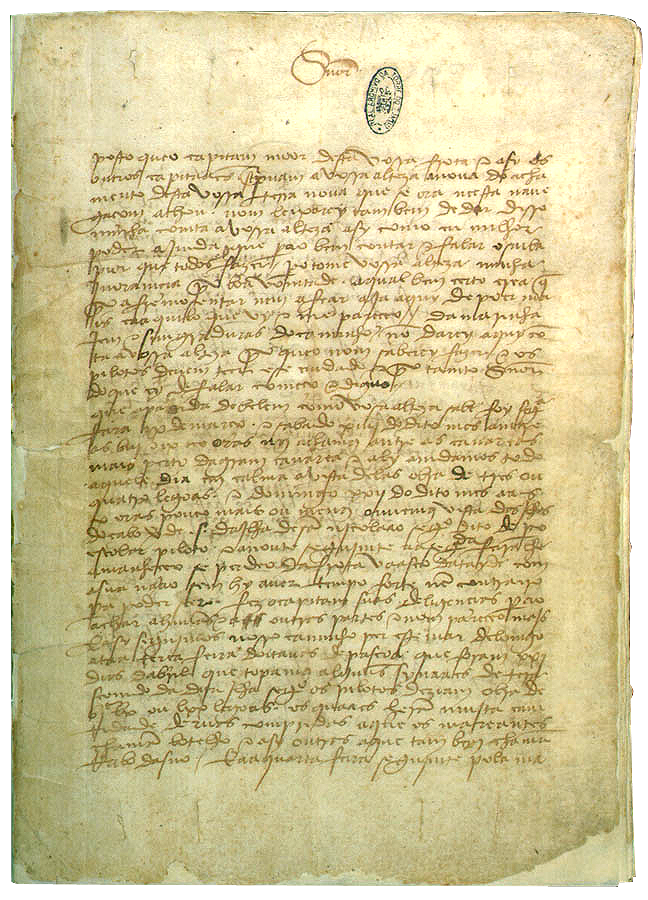 Letter
Primary source
Letter of Pero Vaz de Caminha
Pero Vaz de Caminha · 1 May 1500
 Letter
Primary source
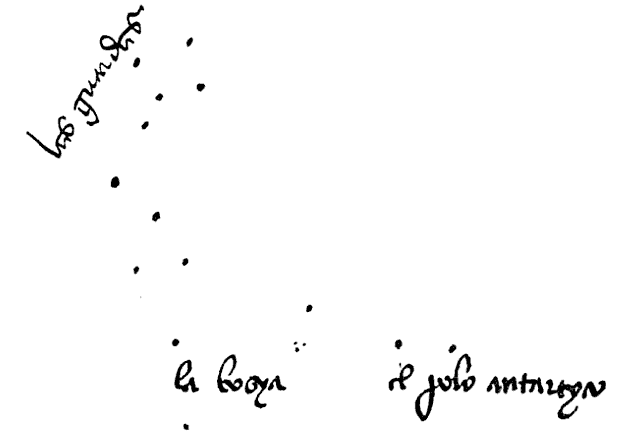
Letter of Mestre João Faras to King Manuel I
Mestre João Faras · 1 May 1500
 Document
Primary source
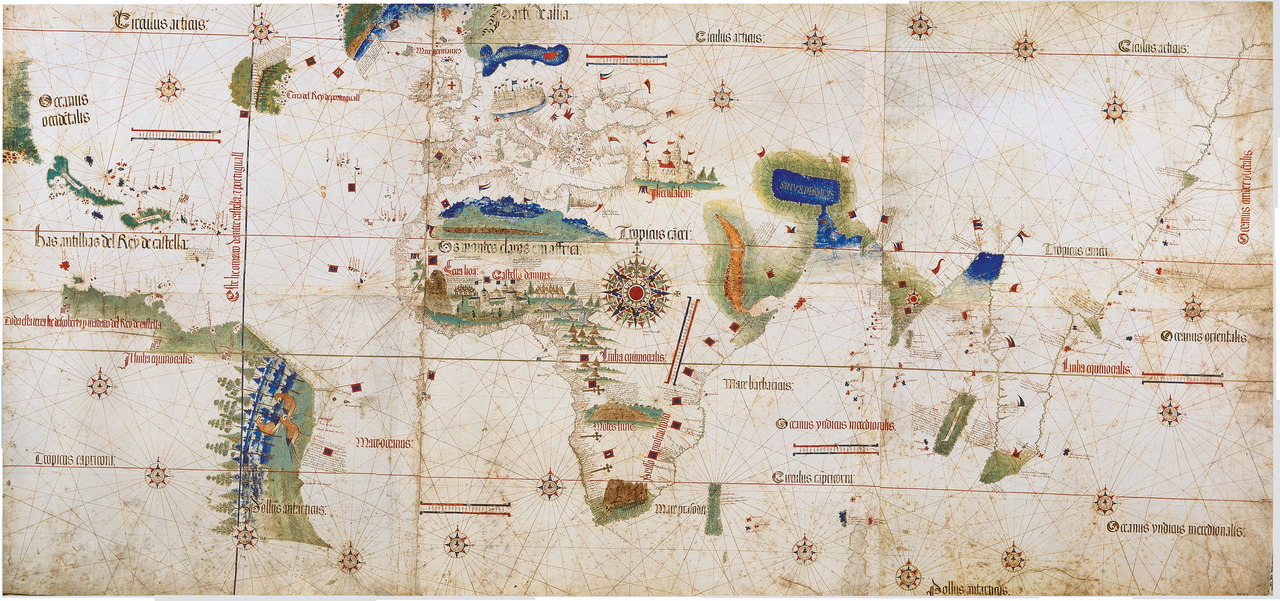
Cantino Planisphere
Anonymous Portuguese cartographer · 1502
 Painting
Secondary source
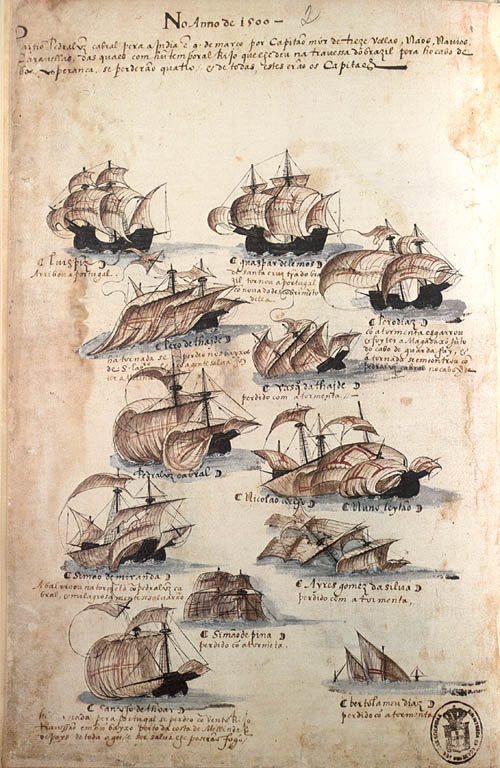
Cabral Armada of 1500 (Livro das Armadas)
Unknown author · 16th century
Free account
Read every Pedro Álvares Cabral source
Sign up free →
Ready when you are
Start chatting with Pedro Álvares Cabral now.
20 messages free · No credit card · Available in 50+ languages.