


Primary sourceArtifact1859-1860
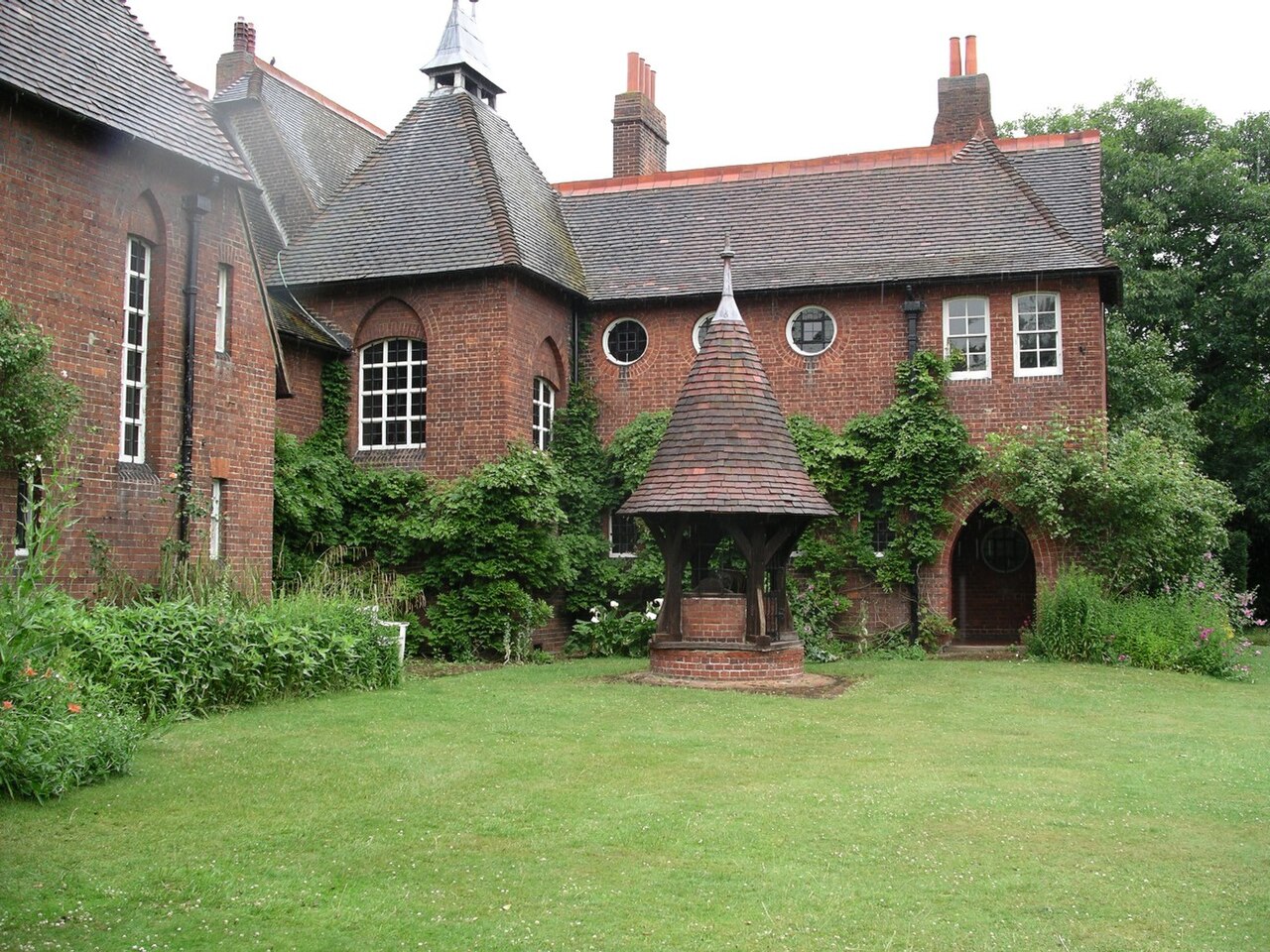
Red House
Philip Webb and William Morris · 1859-1860
The home Morris planned with architect Philip Webb, decorated with friends, where his idea of hand-made medieval-inspired living and the Firm began.
Morris co-designed Red House as his own home, and it became the seedbed for his ideas and his design firm.
About this source
What it is
Red House is a brick house in Bexleyheath, south-east London, designed in 1859 by architect Philip Webb together with William Morris as a family home for Morris and his wife Jane. It was completed in 1860 and is now a National Trust property.
Why it matters
Morris wanted a house built with the care and honesty he admired in medieval buildings, rejecting the mass-produced style of his time. Friends including the painters Edward Burne-Jones and Dante Gabriel Rossetti helped decorate it, and some of Burne-Jones's murals survive. It was here that Morris's design company began and his earliest wallpaper designs took shape, and where his two daughters were born.
Look closer
- What details in the house suggest it was meant to look hand-made rather than factory-built?
- Why might Morris have wanted his friends to help decorate his own home?
- What does the house's later history as a museum tell us about how we value design today?
This artifact is part of the curated material that grounds the AI version of William Morris on Humy.ai — when students ask about related events, the AI can quote it and cite it.
More William Morris sources
Browse all 96 →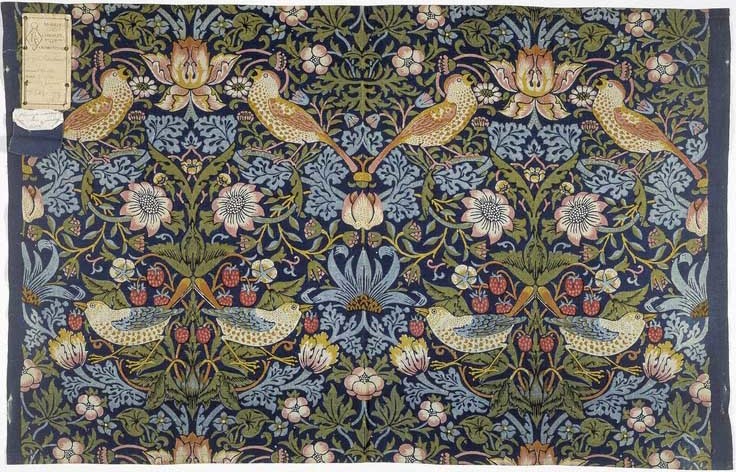 Artifact
Primary source
Strawberry Thief
William Morris · 1883
 Book
Primary source
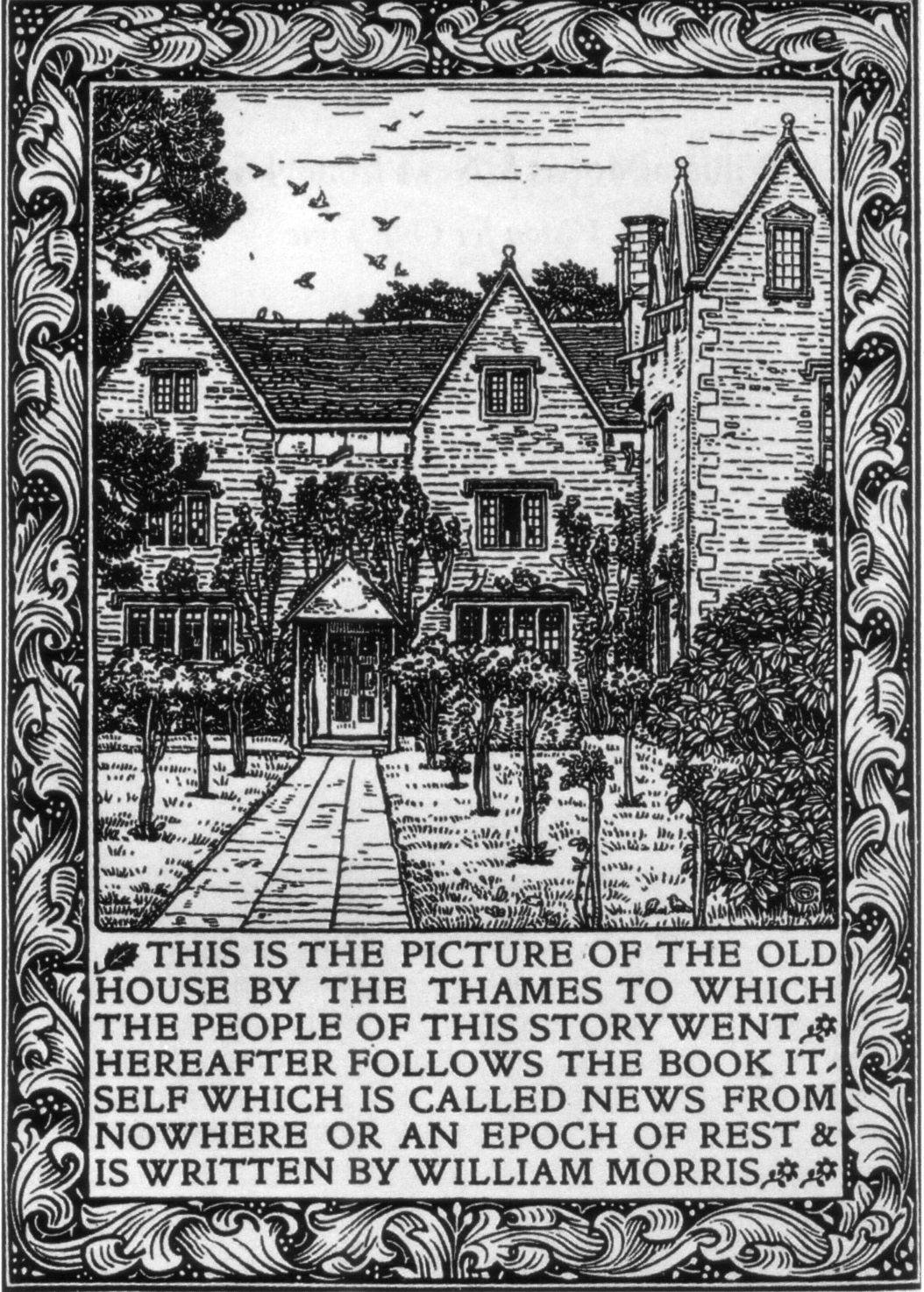
News from Nowhere
William Morris · 1890
Primary source
Manifesto of the Society for the Protection of Ancient Buildings
William Morris and Philip Webb · 1877
 Painting
Primary source
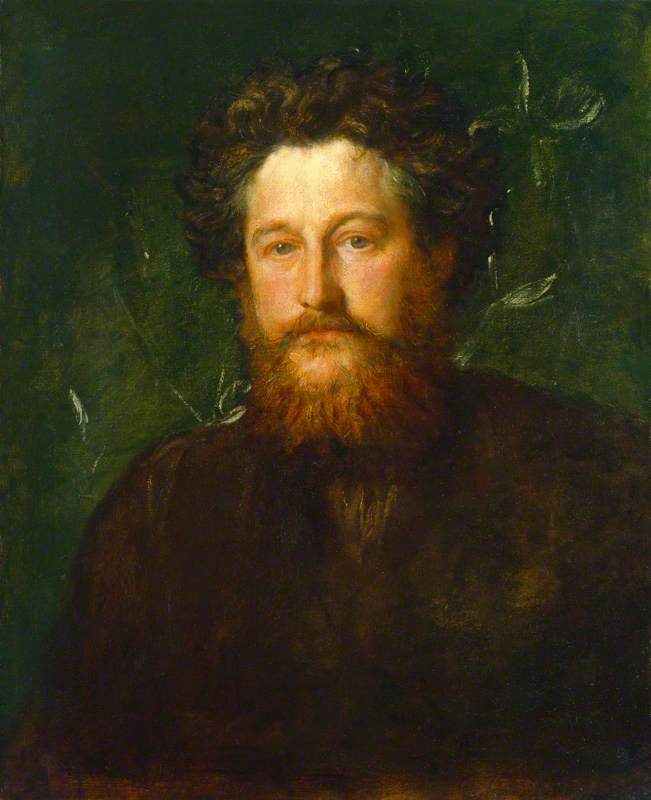
William Morris
George Frederic Watts · 1870
Free account
Read every William Morris source
Sign up free →
Ready when you are
Start chatting with William Morris now.
20 messages free · No credit card · Available in 50+ languages.